So You Want to Run a Kids' Camp — Great, Now Let's Make It Actually Profitable
Summer is coming. Parents are panicking. And your martial arts studio is sitting on a goldmine of untapped potential — a big open floor, trained instructors, and a curriculum that practically begs to be packaged into a week-long adventure for kids who would otherwise spend three months glued to a tablet. The only thing standing between you and a serious revenue boost is a plan.
Kids' camp programs are one of the most overlooked revenue streams in the martial arts industry. Done right, they don't just fill your schedule during slower months — they create a direct pipeline of new long-term students, strengthen your relationship with local families, and build the kind of community reputation that no amount of Facebook advertising can buy. Done wrong, they become a chaotic, underpriced babysitting service that leaves you exhausted and wondering why you even bothered.
This guide is for business owners who want to do it right. Let's build something worth showing up for.
Designing a Camp Program Worth Paying For
The difference between a camp that sells out and one that limply fills a third of its spots often comes down to one thing: perceived value. Parents aren't just buying childcare — they're investing in an experience. Your job is to make that experience feel worth every dollar before they've even signed the check.
Build a Themed Curriculum, Not Just a Schedule
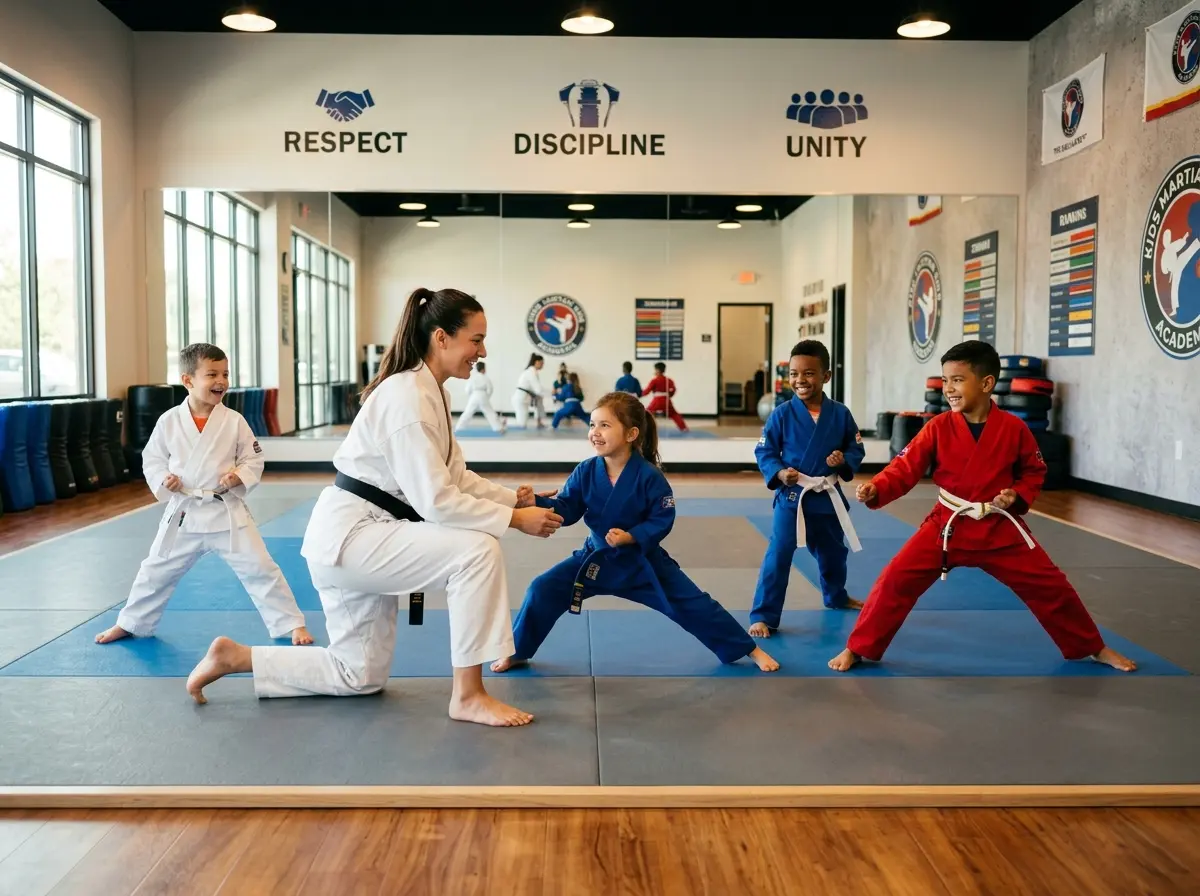
Nobody gets excited about "Monday: kicks, Tuesday: punches." But "Ninja Warrior Week" or "Black Belt Leadership Camp"? Now you're talking. Themed camps give parents something concrete to communicate to their kids, and they give kids something to look forward to. Each day should have a clear identity — a skill focus, a character trait like discipline or respect, and a fun challenge or game that ties it all together.
A well-structured daily flow might look like: warm-up games, technique training, character lesson, team challenge, and cool-down reflection. Keep it moving. Kids have approximately the attention span of a golden retriever at a dog park, and your curriculum should account for that. Thirty-minute blocks with transitions built in will serve you far better than hour-long sessions that drag.
Price It Like a Business, Not a Favor
Here's an uncomfortable truth: most martial arts studio owners underprice their camps. Significantly. A week-long kids' camp in most metro areas can reasonably command anywhere from $200 to $400 per child, depending on your location, hours, and what's included. Half-day camps typically run $150–$250. If you're charging $99 and wondering why it doesn't feel worth it, the math isn't complicated.
Build your pricing from the bottom up. Calculate your direct costs — instructor pay, supplies, snacks, t-shirts — then add your overhead allocation and your desired profit margin. If the number feels high, resist the urge to slash it. Instead, add value: a camp t-shirt, a certificate ceremony on the last day, a "skills report card" parents can take home. Perceived value is surprisingly easy to engineer, and parents who feel great about what their kid experienced will sign them up again without hesitation.
Create Camp Tiers and Add-Ons
Offering a single flat rate leaves money on the table. Consider creating two or three tiers — perhaps a standard half-day option, a full-day option, and a premium option that includes early drop-off, a private "black belt coaching" session, or a take-home training kit. You'll be amazed how many parents opt for the premium tier simply because it exists and signals quality. Add-ons like sibling discounts, multi-week enrollment deals, or a "bring a friend" referral credit can further increase average transaction value while also doing your marketing for you.
Streamlining Enrollment and Inquiries
Here's where many well-designed camp programs quietly fall apart: the enrollment process. A parent hears about your camp, gets excited, and then... calls during a class, gets no answer, and signs their kid up somewhere else by Thursday. It's not a dramatic failure. It's just friction — and friction kills conversions.
Make It Easy to Say Yes
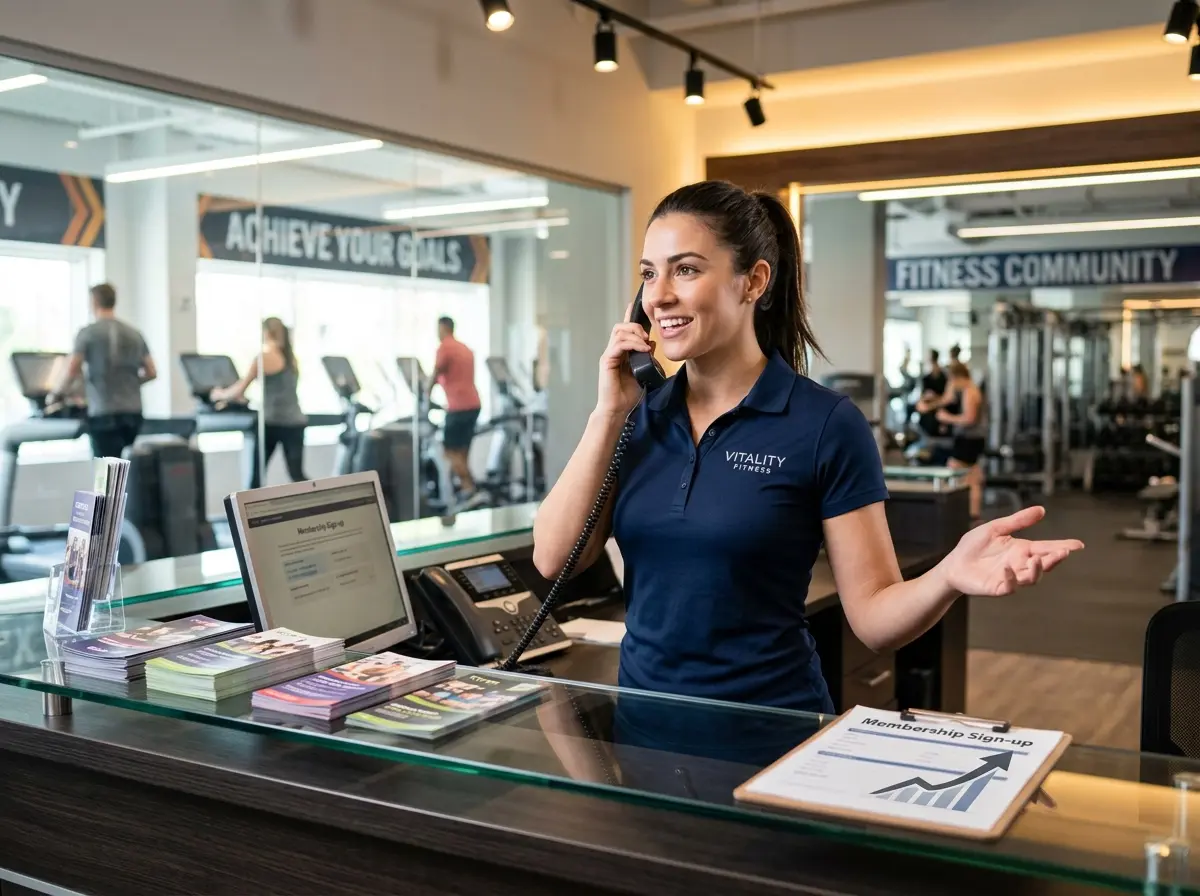
Your enrollment process should be frictionless. That means an online registration option, clear pricing on your website, and someone — or something — available to answer questions when a curious parent calls at 8pm on a Tuesday. This is where Stella, the AI robot employee and phone receptionist, can make a real difference for your studio. Stella answers calls 24/7 with full knowledge of your camp program, pricing, availability, and policies — so no inquiry falls through the cracks, even when your instructors are in the middle of running a class. For studios with a physical location, her in-store kiosk presence means walk-in parents get immediate, knowledgeable answers rather than a distracted "I'll have someone get back to you."
Stella can also collect camper information through conversational intake forms — right over the phone or at the kiosk — so your registration process starts the moment a parent expresses interest, not three days later when you finally have a free moment to follow up.
Marketing Your Camp to Fill Every Spot
A great camp that nobody knows about is just a rehearsal. Marketing doesn't have to be complicated or expensive — but it does have to be intentional. The good news is that martial arts studios already have a warm audience built in: your current students and their families. Start there.
Leverage Your Existing Community First
Your current student families are your best marketing asset, and they cost you nothing to reach. Send a direct email announcement — not a mass blast, a personal-feeling message — at least eight weeks before camp starts. Follow it up with in-class announcements and a flyer they can hand to a neighbor or coworker. Early bird pricing with a real deadline creates urgency. A "refer a friend" incentive gives families a reason to talk about your camp at school pickup, which is ultimately the most effective marketing channel you have.
Build Partnerships with Local Schools and Organizations
Elementary schools, after-school programs, youth sports leagues, and community centers are perpetually looking for quality summer programming to recommend to their families. Reach out in late winter — February or March — with a one-page overview of your camp, your pricing, and what makes your program worth attending. Offer to provide a short "demo class" for a school's PE program or community event. Local relationships like these can fill a camp in ways that paid advertising simply can't replicate. And unlike Facebook ads, they tend to send you families who are already primed to trust you.
Use Social Proof Shamelessly
Parent testimonials, photos of smiling kids earning their camp certificates, short videos of the action — this content is pure gold on social media and it costs you almost nothing to create. Make capturing these moments part of your camp operations. Get signed photo release forms during registration, then document the experience authentically. A genuine five-second clip of a seven-year-old landing their first board break will outperform any polished promotional graphic you can design.
Quick Reminder About Stella
Stella is an AI robot employee and phone receptionist who works 24/7 — greeting customers at your studio, answering phone calls, promoting your programs, and collecting leads without ever needing a break or a benefits package. At just $99/month with no upfront hardware costs, she's the kind of team member that pays for herself before the end of the first week of camp season.
Your Action Plan: From Idea to Fully Booked
Building a revenue-generating kids' camp program isn't about having the fanciest equipment or the most elaborate theme — it's about executing the fundamentals well and treating the program like the real business asset it is. Here's how to put everything into motion:
Start by designing your curriculum and pricing structure at least three months before your planned camp date. Give yourself enough runway to market properly and fill your spots without panic discounting in the final week. Build your themed schedule, calculate your true costs, set a price that reflects your value, and create at least two enrollment tiers.
Next, set up your enrollment process so it works even when you're busy teaching. Online registration, a clear FAQ on your website, and a reliable way to handle phone inquiries after hours are non-negotiables. If your studio isn't currently equipped to answer questions at 8pm when inspiration strikes a parent, it's worth solving that problem before camp season — and well before camp season specifically.
Then start marketing early and work outward — from your existing families first, then into the local community through school partnerships, neighborhood groups, and social media. Build a content library from last year's camp or your current classes to give people a real look at what you offer.
Finally, treat every camp as a student pipeline, not just a one-time revenue event. Design a clear offer at the end of camp week — a discounted trial enrollment, a special "camp graduate" rate — so every family leaves with a reason to stay. The kids who attend your summer camp are your most likely new long-term students. Build the bridge intentionally.
The martial arts studio that runs a well-designed, well-marketed kids' camp doesn't just have a great summer — it has a stronger fall enrollment, a tighter community, and a reputation that spreads the way only genuinely good experiences do. Now go build something worth talking about.