So You've Got Multiple Stores — Now Who's in Charge of Buying Stuff?
Congratulations on growing your business to multiple locations. Truly, well done. Now comes the fun part: figuring out who gets to spend the money, how they spend it, and whether your purchasing decisions are quietly costing you a fortune in inefficiency — or alternatively, driving your store managers absolutely insane with red tape. Welcome to the centralized vs. decentralized purchasing debate, a riveting topic that doesn't get nearly enough attention until something goes wrong.
For multi-store operators, purchasing structure isn't just a back-office formality. It directly impacts your margins, your vendor relationships, your inventory consistency, and your sanity. The wrong setup for your business model can mean paying more per unit than you need to, running out of stock at critical moments, or having three different locations buy the same product from three different suppliers at three different prices. None of those outcomes are good. So let's break this down properly and help you figure out which approach — or which hybrid of the two — actually makes sense for your operation.
Understanding the Two Models
Centralized Purchasing: One Brain, Many Stores
In a centralized purchasing model, all buying decisions flow through a single point — typically a corporate office, a head buyer, or a purchasing department. Individual store managers submit requests, but they don't independently place orders with suppliers. The central team handles vendor negotiations, purchase orders, and inventory allocation across all locations.
The biggest advantage here is leverage. When you're buying for five stores instead of one, you're ordering in larger volumes, and suppliers notice that. You gain negotiating power that a single-location operation simply doesn't have. A grocery chain buying 10,000 units of olive oil is going to get a much better per-unit price than one store ordering 500. Beyond pricing, centralized purchasing also brings consistency — your products, your branding, and your customer experience stay uniform across locations, which matters enormously for brand integrity.
The downside? Speed and flexibility take a hit. If a store in one neighborhood has a surge in demand for a specific product that's popular locally but not systemwide, the centralized model may be slow to respond — or may not respond at all. You also risk creating a bottleneck if your purchasing team is understaffed or overwhelmed.
Decentralized Purchasing: Every Manager for Themselves (Sort Of)
In a decentralized model, individual store managers have purchasing authority — at least within certain categories or budget thresholds. They can order directly from suppliers, respond to local demand quickly, and tailor their inventory to their specific customer base. This model prioritizes agility and local relevance.
The challenge is that decentralization can quietly erode your margins. When each manager is negotiating (or not negotiating) independently, you lose the volume advantage. You may also end up with fragmented supplier relationships, inconsistent product quality, and varying price points across locations — which creates headaches for accounting, operations, and anyone trying to run a unified brand. It also puts a significant operational burden on store managers who may be better at running the floor than evaluating supplier contracts.
The Hybrid Model: Having Your Cake and Buying It Too
Most successful multi-store businesses land somewhere in the middle. A hybrid purchasing model centralizes the big-ticket, high-volume, or brand-critical categories while giving local managers autonomy over perishables, local vendors, or categories with high location-specific variability. A restaurant group, for example, might centralize protein and packaging purchases while letting individual chefs source specialty ingredients locally. A retail chain might centralize apparel buying but let store managers select local artisan goods for a small regional product section.
The key to making a hybrid model work is having clear policies — documented, communicated, and actually followed — about which categories fall under central authority and which are delegated. Without that clarity, you'll end up with the worst of both worlds: confusion, redundancy, and managers who either overstep or under-order because they're not sure what they're allowed to do.
How Smart Tools (Including the Right Front-End Support) Can Help
Freeing Up Your Managers to Focus on Operations
Here's something worth considering: one reason decentralized purchasing often fails is that store managers are already stretched thin. They're handling staff scheduling, customer complaints, training, floor operations, and about forty other things simultaneously. Adding complex vendor negotiations and purchase order management to that list is a recipe for costly errors and missed opportunities.
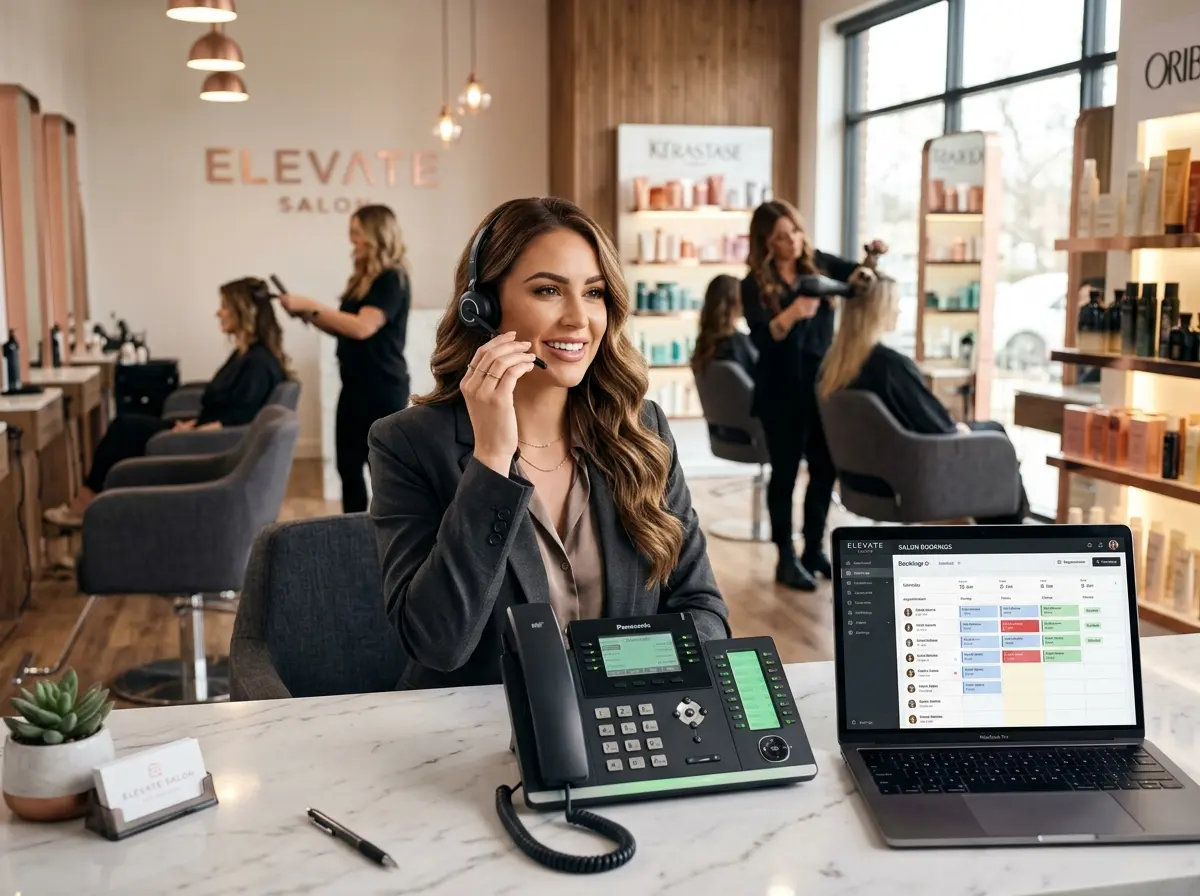
One way to relieve some of that operational pressure is by automating the customer-facing tasks that eat up manager and staff time throughout the day. Stella, the AI robot employee and phone receptionist, handles customer greetings, product questions, promotions, and phone calls — so your in-store staff can actually focus on running the business rather than answering the same five questions repeatedly. When your managers aren't constantly interrupted by routine customer inquiries, they have more bandwidth to handle the operational responsibilities you do want them owning, purchasing decisions included. Stella also collects customer interaction data and manages contacts through a built-in CRM, which can inform demand patterns and help your purchasing team — central or local — make smarter inventory decisions.
Making the Right Choice for Your Business
Factors That Push You Toward Centralization
Centralized purchasing tends to work best when your locations are relatively similar in size, customer demographics, and product mix. It's also the right call when your product categories benefit from volume pricing — consumables, packaging, branded merchandise, technology equipment, and anything with long supplier lead times. If your brand consistency is non-negotiable (think franchises or premium retail concepts), centralized control over purchasing protects that consistency at scale.
You should also lean centralized if your store managers are newer, less experienced, or simply not in a role where vendor management makes sense. Not every great floor manager has the skills or the time to evaluate supplier contracts, and putting them in that position without support is setting them up to make expensive mistakes.
Factors That Push You Toward Decentralization
Decentralized purchasing starts to make more sense when your locations serve distinctly different markets — different demographics, different regional preferences, or different competitive landscapes. A spa franchise in a tourist-heavy coastal town has very different product needs than one in a suburban business district, and a one-size-fits-all purchasing mandate may actually hurt performance at both locations.
It also makes sense when speed matters more than cost optimization in certain categories. Restaurants managing fresh inventory, florists, or any business with highly perishable or trend-sensitive stock often need local managers to make fast calls without waiting for central approval. In these cases, tightly managed autonomy — with clear spending limits and reporting requirements — is the pragmatic choice.
Building a Governance Framework That Actually Works
Whichever model you choose, it needs a governance framework — otherwise it's not a model, it's just chaos with better intentions. At minimum, your purchasing structure should include clearly defined approval thresholds (what dollar amount requires central sign-off), an approved vendor list for centralized categories, a standardized process for submitting and tracking purchase orders, and regular audits to ensure compliance.
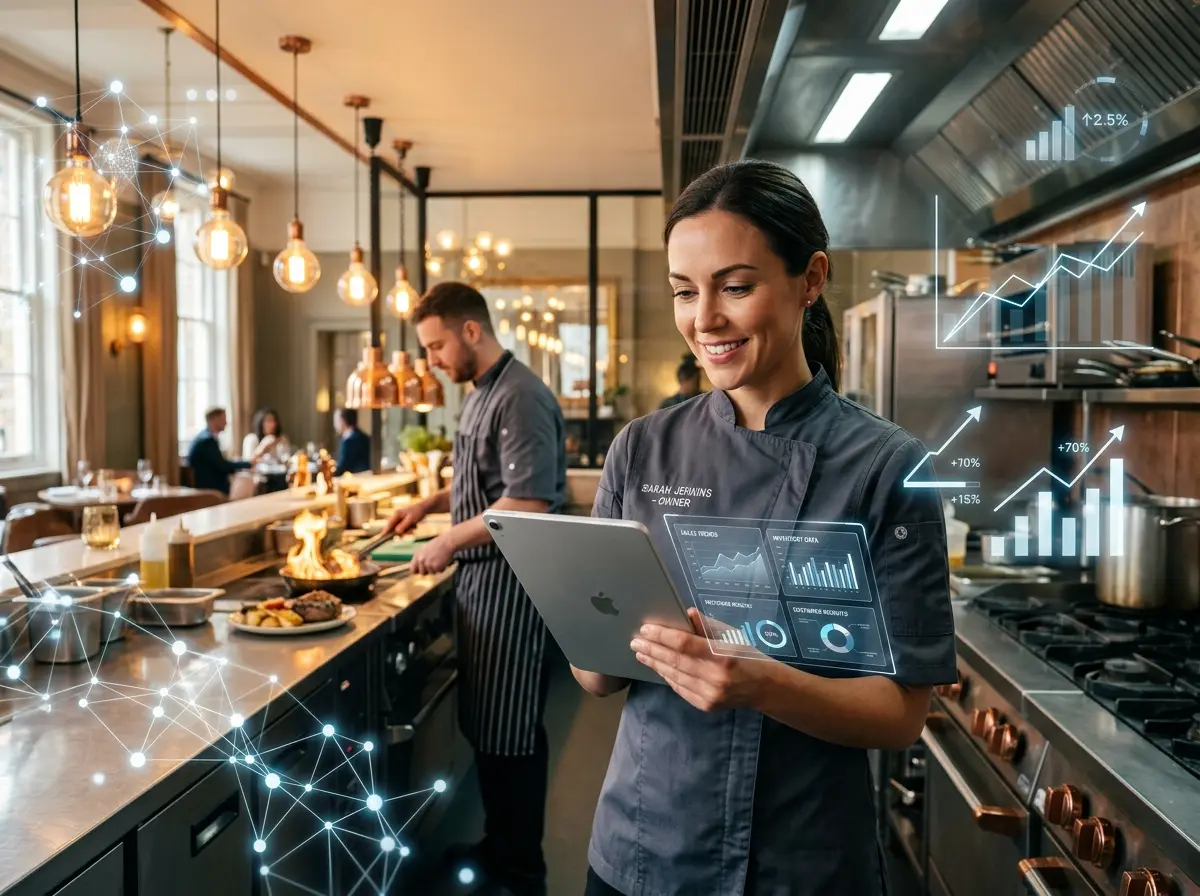
Technology helps enormously here. Inventory management platforms, ERP systems, and procurement software can give you real-time visibility into what each location is spending, what they're ordering, and whether they're staying within approved parameters. Without that visibility, even the best-designed purchasing structure will drift over time as managers find workarounds and habits calcify into informal policies nobody ever officially approved.
Quick Reminder About Stella
Stella is an AI robot employee and phone receptionist designed for businesses of all sizes — including multi-location operators. She greets customers in-store, answers phone calls 24/7, promotes deals, handles routine questions, and keeps your staff focused on higher-value tasks. At just $99/month with no upfront hardware costs, she's the kind of operational support that pays for itself quickly — across every one of your locations.
Your Next Steps
If you've made it this far, you're clearly serious about running a tighter, smarter multi-store operation — and that's exactly the right instinct. Here's how to move forward with intention rather than inertia.
Start by auditing your current purchasing reality. Pull data on what each location is spending, who they're buying from, and at what prices. You may be shocked at the variance. That audit will tell you a lot about where centralization could save money and where local flexibility is genuinely earning its keep.
Next, identify your highest-volume, most consistent product categories and evaluate whether centralizing those purchases could deliver meaningful cost savings. Even shifting two or three key categories to centralized buying can yield significant annual savings when you're operating at scale.
Then, build your governance framework — approval thresholds, vendor lists, reporting requirements — and communicate it clearly to your managers. Don't assume they'll intuit the rules. Write them down, train on them, and revisit them quarterly.
Finally, look honestly at where your managers' time is going and whether operational tasks could be better supported by smart technology. The goal isn't to make purchasing decisions for your managers — it's to give them the time, clarity, and tools to make good decisions themselves. That's how multi-store businesses scale without losing control, and without losing their minds.