Why Your Business Should Care About Veterans (And How to Actually Do Something About It)
Let's be honest — slapping a small "Military Discount Available" sign in your window and calling it a day isn't exactly a veteran appreciation program. It's more of a sticky note on the back of a filing cabinet that nobody reads. If you're serious about building genuine community goodwill, attracting loyal new clients, and differentiating your business from the competition, a thoughtfully designed veteran discount program is one of the most underutilized strategies in the small business playbook.
Here's the good news: the numbers back this up. There are approximately 18 million veterans in the United States, and they tend to be fiercely loyal to businesses that show them genuine respect — not just a token percentage off on one random Tuesday in November. A well-structured program doesn't just make veterans feel appreciated; it generates word-of-mouth referrals, earns local press coverage, and positions your brand as a pillar of your community. Not bad for something you could launch this month.
So, whether you run a restaurant, a law firm, a gym, or a nail salon, here's how to build a veteran discount program that actually means something — and actually works.
Designing a Veteran Discount Program That People Will Actually Use
Start With a Clear and Consistent Discount Structure
The foundation of any good veteran program is simplicity. Your customers — veterans and civilians alike — shouldn't need a decoder ring to figure out what the discount is, who qualifies, or when it applies. Ambiguity is the enemy of goodwill.
A common starting point is a 10–15% discount for active duty military, veterans, and often their immediate family members. Some businesses extend this to first responders as well, broadening both the impact and the marketing appeal. Whatever you choose, make it year-round rather than just on Veterans Day or Memorial Day. A once-a-year discount says "we Googled what day it is." A year-round program says "we actually mean it."
Decide upfront how veterans will verify their status. Acceptable forms of ID typically include a military ID card, a VA health card, a DD-214 discharge document, or even a veteran-designated driver's license. Keep it flexible — not every veteran carries the same documentation, and making someone jump through hoops to claim a discount defeats the purpose entirely.
Make It Visible, Loudly and Proudly
A discount that nobody knows about helps nobody. Promote your program everywhere: your website, social media profiles, Google Business Profile, in-store signage, email newsletters, and any local community boards or military family Facebook groups in your area. Consider partnering with local VFW posts, American Legion chapters, or military family organizations to spread the word through trusted community channels.
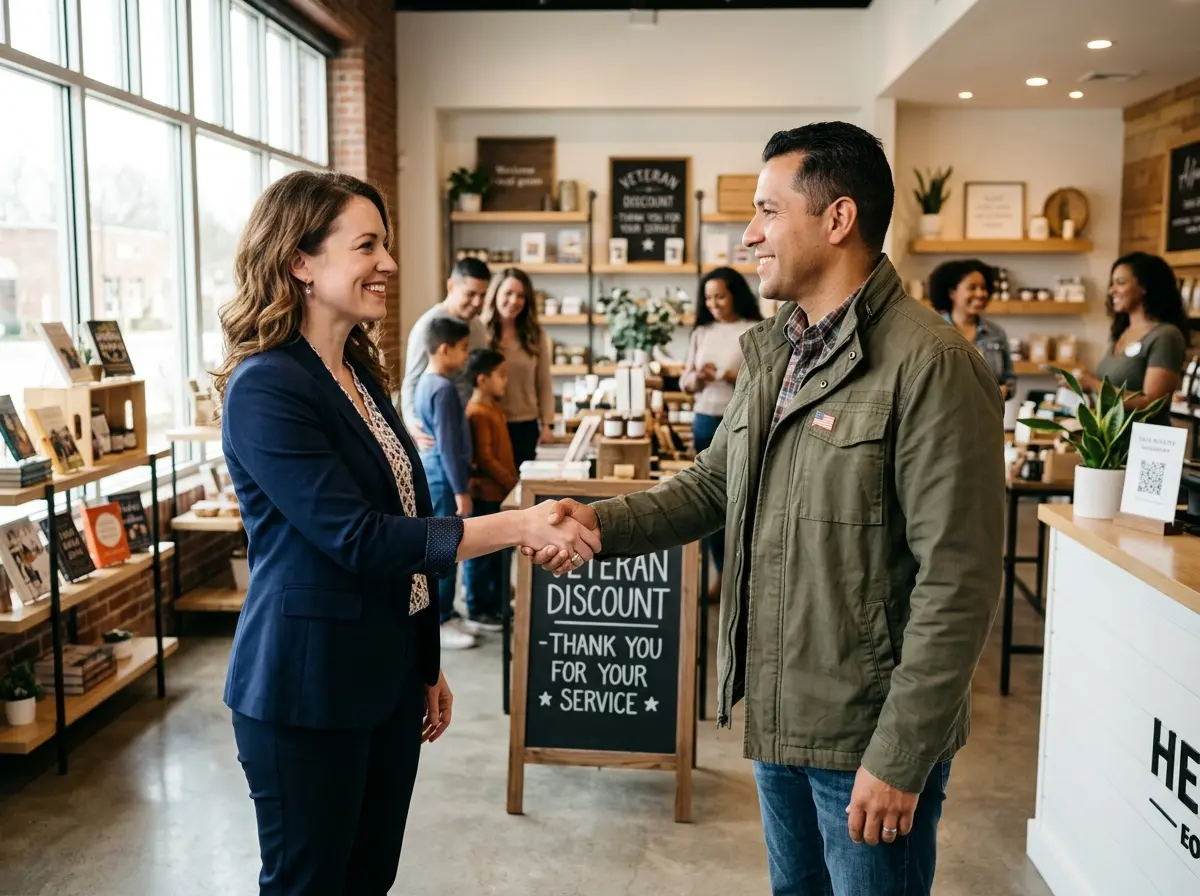
Don't underestimate the power of a simple, well-designed window decal or countertop sign either. When veterans walk by or step into your business and immediately see that you honor their service, you've already started building a relationship before a single word is spoken.
Go Beyond the Discount — Add Real Value
The businesses that truly win veteran loyalty do more than knock a few dollars off the bill. Consider layering in additional benefits that make your program feel substantial. A few ideas worth considering:
- Priority scheduling or appointments for veterans and active duty members
- A free introductory service or consultation
- A dedicated "veteran appreciation" event once a quarter, with networking and exclusive offers
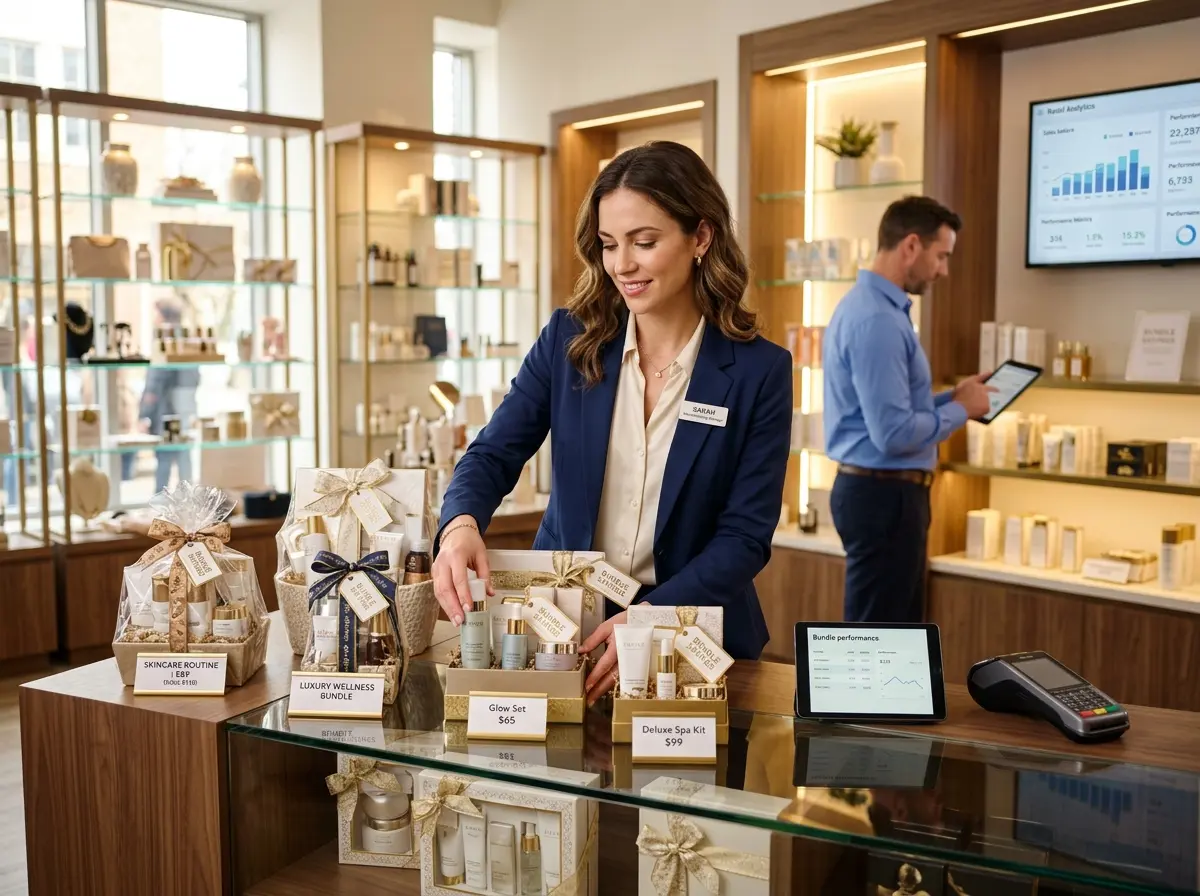
- Partnering with complementary local businesses to offer a bundled veteran benefits package
- Donating a percentage of veteran-customer revenue to a local military charity or scholarship fund
These kinds of extras cost relatively little but signal something much bigger: that your business sees veterans as valued members of your community, not just a marketing demographic to check off a list.
Running Your Program Smoothly Without Overwhelming Your Staff
Let Technology Handle the Repetitive Heavy Lifting
Here's where a lot of well-intentioned business owners drop the ball — not because they don't care, but because their team is already stretched thin. Managing a new discount program means answering the same questions repeatedly: "Do you have a military discount?" "Does it apply to services too?" "Can my spouse use it?" Your front desk staff can only enthusiastically answer the same question so many times before the enthusiasm starts to... fade.
This is exactly the kind of work that Stella, the AI robot employee and phone receptionist, is built for. For businesses with a physical location, Stella stands in-store and proactively greets customers — including veterans — answering their questions about your discount program, verifying what's included, and promoting any related specials without your staff having to repeat themselves for the hundredth time that week. She also answers phone calls around the clock, so when a veteran calls at 8 PM to ask whether their military ID qualifies them for the discount before they make the drive over, Stella handles it professionally and accurately. No missed calls, no frustrated customers, no overtime.
Turning Veteran Customers Into Long-Term Loyal Clients
Capture the Relationship, Not Just the Transaction
A discount is a door opener. What happens after a veteran walks through that door determines whether they become a one-time visitor or a customer for life. The key is building a real relationship — and that starts with capturing basic customer information in a way that feels natural rather than intrusive.
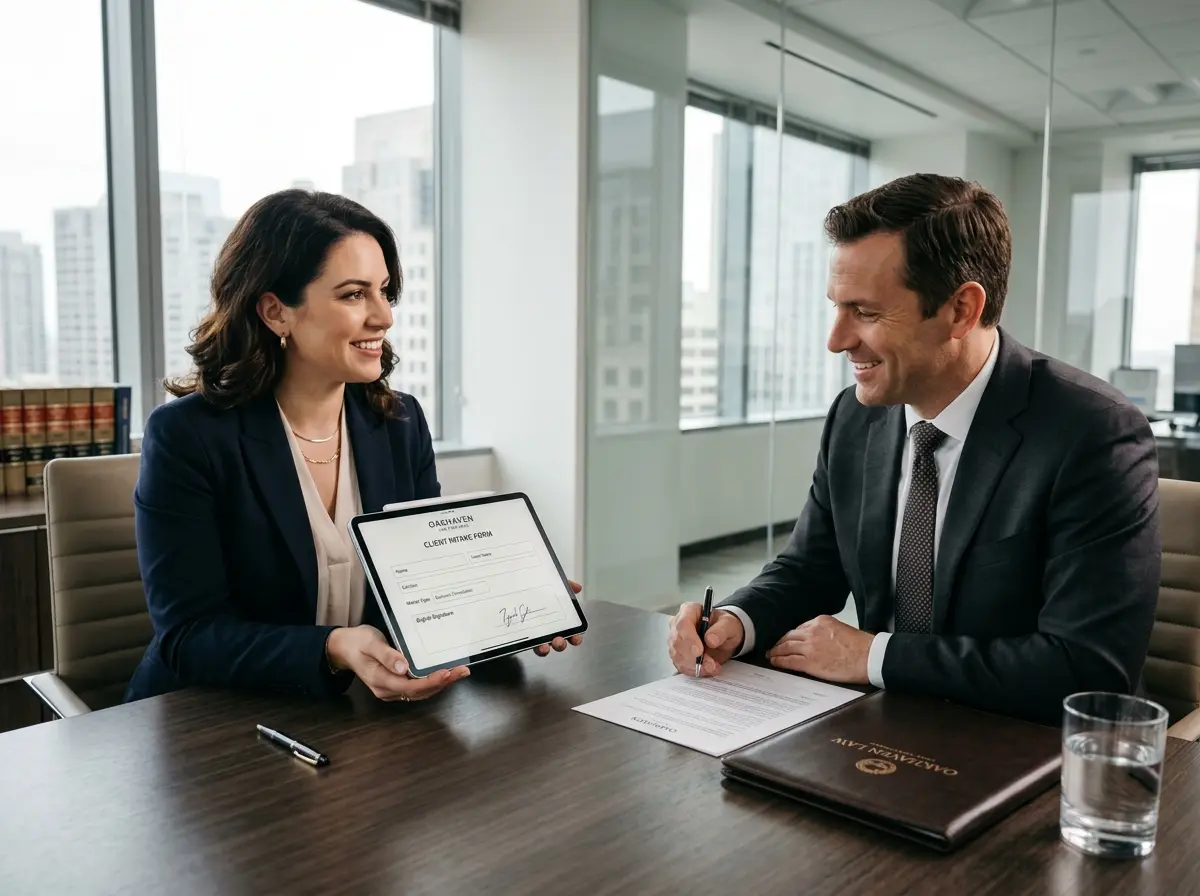
When a veteran uses your discount for the first time, have a simple, friendly process to record their name, contact information, and veteran status. This doesn't have to be a clipboard situation from 1987. A conversational intake form — whether digital, at a kiosk, or over the phone — can collect this information smoothly while also making the customer feel welcomed rather than processed. Over time, this data helps you personalize your outreach: birthday offers, anniversary of their first visit, exclusive early access to new services, and more.
Create Community Moments That Generate Organic Word-of-Mouth
Veterans talk to other veterans. Military families are deeply networked communities, both online and offline. If you create genuine moments worth talking about, the word-of-mouth marketing practically runs itself.
Consider hosting a quarterly "Veteran Appreciation Day" event at your business — not just a discount event, but an actual community gathering with food, giveaways, and local veteran speakers or organizations. Invite the local press. Post it on your social media. Tag the veteran organizations you're partnering with. Take photos (with permission) and share them. These events don't need to be expensive to be impactful, and a single well-run event can introduce your business to hundreds of new potential clients through shared posts and organic conversation.
Additionally, consider creating a simple referral incentive for veteran customers: for every new veteran client they refer who makes a purchase, they receive an additional bonus — an extra discount, a free add-on, or a small gift card. Referral programs among tight-knit communities like veteran networks can be extraordinarily effective.
Measure What's Working and Adjust
Like any business initiative, your veteran discount program should be tracked and evaluated. Keep an eye on how many veteran customers you're serving each month, what they're purchasing, and whether they're returning. If you're running events, track attendance and new customer acquisition that follows. If certain promotions are landing particularly well with this audience, double down. If something isn't gaining traction, adjust without guilt — iteration is how good programs become great ones.
Quick Reminder About Stella
Stella is an AI robot employee and phone receptionist that works for businesses across virtually every industry — greeting customers in person from her kiosk, answering phones 24/7, promoting your offers, managing customer contacts, and collecting insights about what's resonating with your clientele. She runs on a straightforward $99/month subscription with no hardware costs, and she never calls in sick or forgets to mention your veteran discount.
Your Next Steps: Launch the Program Worth Talking About
Building a veteran discount program that drives real goodwill and real new clients isn't complicated — but it does require intention. A halfhearted approach gets halfhearted results. A thoughtful, well-promoted, consistently delivered program? That's the kind of thing that gets written up in the local paper, shared in military family Facebook groups, and talked about at VFW meetings.
Here's what to do this week to get started:
- Define your discount structure — decide the percentage, who qualifies, and what documentation you'll accept.
- Promote it everywhere — update your website, Google Business Profile, social media, and in-store signage immediately.
- Build a simple intake process — capture veteran customer information from day one so you can nurture those relationships over time.
- Connect with local veteran organizations — partner with your local VFW post, American Legion chapter, or military family groups to amplify your reach.
- Plan your first community event — even a small, simple gathering sends a powerful message about your business values.
Veterans have earned extraordinary things. A respectful discount and a business that genuinely appreciates them is, frankly, the least we can offer. The fact that it also happens to be excellent for your bottom line? Consider that a bonus — no discount required.