You Can't Manage What You Don't Measure (Especially Your Phone Lines)
Sound familiar? You're not alone. Staffing inefficiency is one of the most common — and most costly — challenges facing small business owners. And the frustrating part? The data to fix it has probably been sitting right under your nose the whole time. Call analytics — the practice of tracking, analyzing, and acting on patterns in your incoming call data — can tell you exactly when your customers are reaching out, how long those calls last, and where the bottlenecks are in your communication flow.
Understanding Call Analytics and What to Look For
What Call Analytics Actually Tells You
Call analytics is more than just knowing how many calls you got today. A good call analytics setup tracks when calls come in (by hour, day of week, and even month), how long those calls last on average, how many calls go unanswered, and what customers are calling about. Together, these data points create a surprisingly detailed portrait of your customer behavior.
Key Metrics Worth Tracking
- Peak call hours: Which specific hours of the day see the highest inbound volume? Don't just look at busy days — drill down to the hour.
- Missed call rate: What percentage of calls go unanswered? A high missed call rate during certain windows is a direct signal that you're understaffed at those times.
- Average handle time (AHT): Longer calls during specific periods may require more experienced staff, not just more bodies.
- Call abandonment rate: How often do callers hang up before anyone picks up? This is revenue walking out the door — or rather, hanging up the phone.
- Day-of-week trends: Mondays after a long weekend and the day before a holiday are notoriously busy for many service businesses. Is yours one of them?
How to Start Collecting Useful Data
If you're not already tracking calls, the good news is that you don't need an enterprise-level telecom system to get started. Many modern phone systems, VoIP platforms, and AI receptionist tools include built-in analytics dashboards. The key is to actually look at the reports — which, yes, sounds obvious, but you'd be amazed how many business owners have access to this data and have never once opened the analytics tab.
How the Right Tools Make This Effortless
Let Technology Do the Legwork
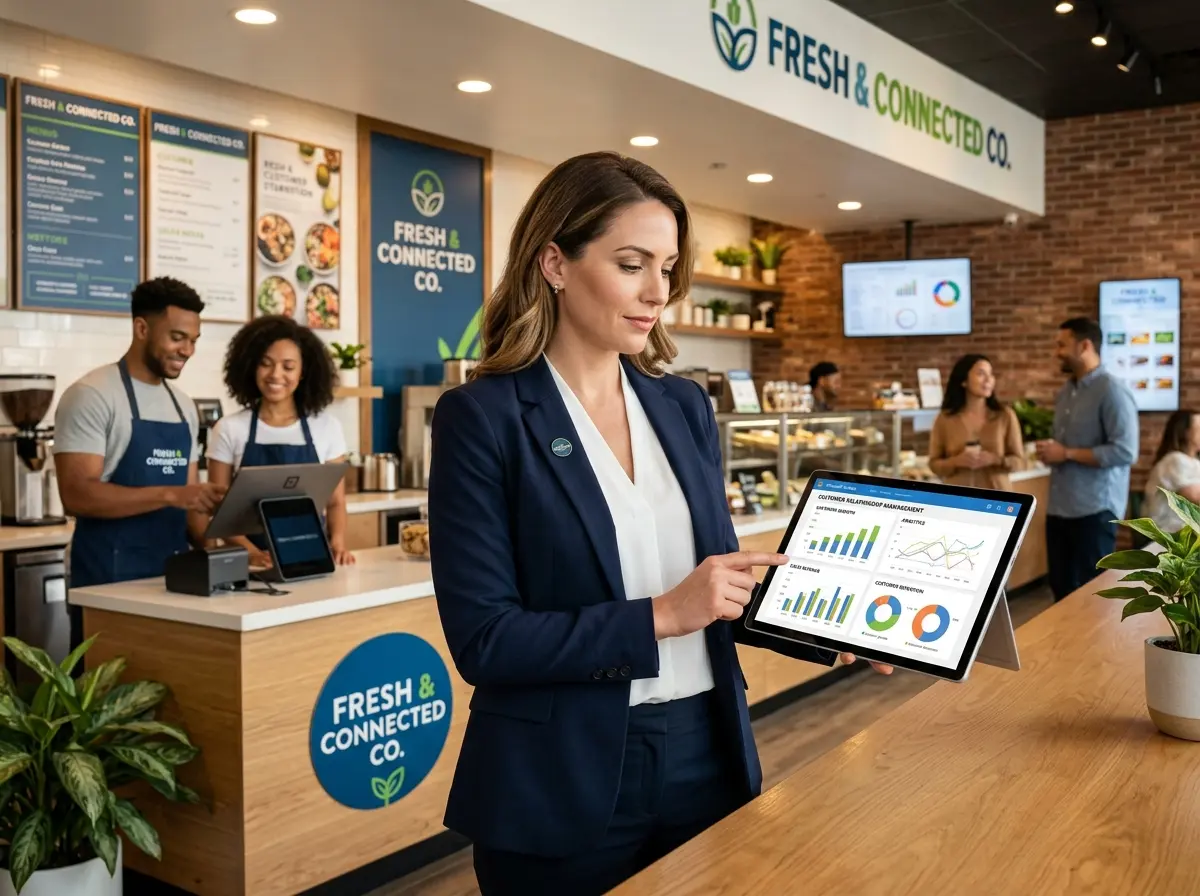
This is where Stella comes in. Stella is an AI robot employee and phone receptionist that answers your calls 24/7, handles customer inquiries with natural conversation, and collects interaction data as she goes. She tracks call activity, generates AI-powered summaries of voicemails, and gives you the kind of visibility into your communication patterns that most small businesses never have. For businesses with a physical location, she also works as an in-store kiosk — greeting walk-in customers, answering questions, and capturing insights about in-person interactions. Her built-in CRM automatically organizes customer contact information, notes, and AI-generated profiles, so you're not just seeing when calls happen — you're seeing who is calling and what they need.
Turning Call Data Into a Smarter Staffing Strategy
Mapping Your Peaks and Building Your Schedule Around Them
Adjusting Staff Roles, Not Just Headcount
Conversely, if your data shows that peak call hours also correspond with complex service inquiries or customer complaints, you'll want experienced, senior staff available — not just someone who can answer the phone. The type of call matters as much as the volume. Analytics help you distinguish between the two.
Planning for Seasonal and Weekly Shifts
A Quick Reminder About Stella
Stella is an AI robot employee and phone receptionist that works for businesses of all sizes — from solo operators to multi-location retailers. She answers calls 24/7, greets in-store customers at her kiosk, collects customer data through conversational intake forms, and keeps your CRM organized automatically. At just $99/month with no upfront hardware costs, she's the kind of employee who never calls in sick, never takes a lunch break, and never accidentally puts a customer on hold for seven minutes.