Introduction: The Smile Business Is Booming (But So Is the Competition)
Cosmetic dentistry is no longer a niche luxury reserved for Hollywood actors and people with very specific wedding dates. The global cosmetic dentistry market is projected to exceed $32 billion by 2026, and patients are actively searching for services like teeth whitening, veneers, and Invisalign more than ever before. In other words, demand is there. The real question is: are you the one capturing it?
Here's the uncomfortable truth most dental practices don't want to sit with: having great clinical skills is table stakes. A patient who finds you on Google at 11 PM on a Tuesday, gets confused by your website, can't reach anyone on the phone, and moves on to the next listing — that's not a patient you ever had. You just never knew about them. The cosmetic dentistry patient journey is long, emotionally charged, and filled with decision points where practices either earn trust or lose it to a competitor who figured out the patient experience piece.
This guide is about building that journey intentionally — from the first search query to the final "I love my smile" photo your patient posts on Instagram. Let's get into it.
Attracting the Right Patients Before They Ever Pick Up the Phone
The cosmetic dentistry patient journey starts long before anyone steps foot in your waiting room. It starts with a search bar. If your digital presence isn't optimized to meet potential patients exactly where they are — curious, nervous, and comparing their options — then you're handing business to the practice down the street.
Search Engine Optimization for Cosmetic Procedures
Your practice needs to rank for the specific procedures patients are searching for. "Dentist near me" is a starting point, but high-intent searches like "porcelain veneers [city]," "teeth whitening cost," or "Invisalign vs braces adults" are where cosmetic patients live. Build dedicated landing pages for each major service, answer the questions patients are genuinely asking, and make sure your Google Business Profile is complete, accurate, and stocked with recent reviews. According to BrightLocal, 87% of consumers read online reviews for local businesses — and dental practices are no exception. A sparse or outdated profile is its own kind of first impression, and it's not a good one.
Before-and-After Content and Social Proof
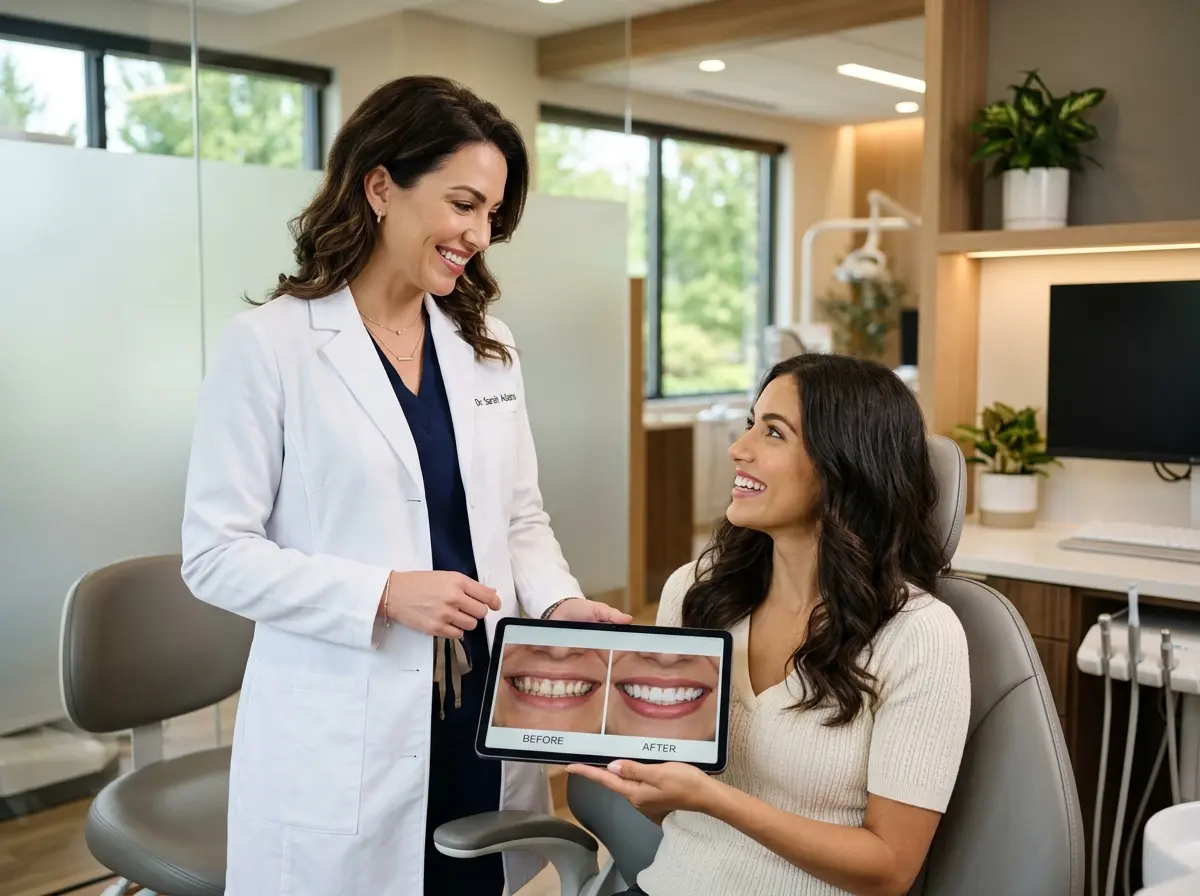
Cosmetic dentistry is a visual purchase. Patients need to see what's possible before they believe it's possible for them. High-quality before-and-after galleries, patient video testimonials, and educational content on Instagram and YouTube do more to build trust than any brochure ever could. When a prospective patient watches a real person describe their veneer experience and sees the result — complete with the emotional relief of finally loving their smile — you've already done half the selling. Make this content easy to find on your website and social channels. If you haven't been collecting patient testimonials systematically, start now. Every happy patient is a marketing asset you haven't activated yet.
Paid Advertising That Targets Intent, Not Just Demographics
Google Ads and Meta ads can accelerate your visibility significantly when done correctly. The key for cosmetic procedures is targeting intent signals, not just age ranges. Someone searching "how much do veneers cost" is further along in their decision journey than someone who just scrolled past a general dentistry ad. Structure your campaigns around specific procedures, use strong calls to action, and make sure every ad leads to a landing page that continues the conversation — not your generic homepage. Budget matters less than strategy here; a well-targeted $1,500/month campaign can outperform a sloppy $5,000 one every single time.
Turning Inquiries Into Booked Consultations
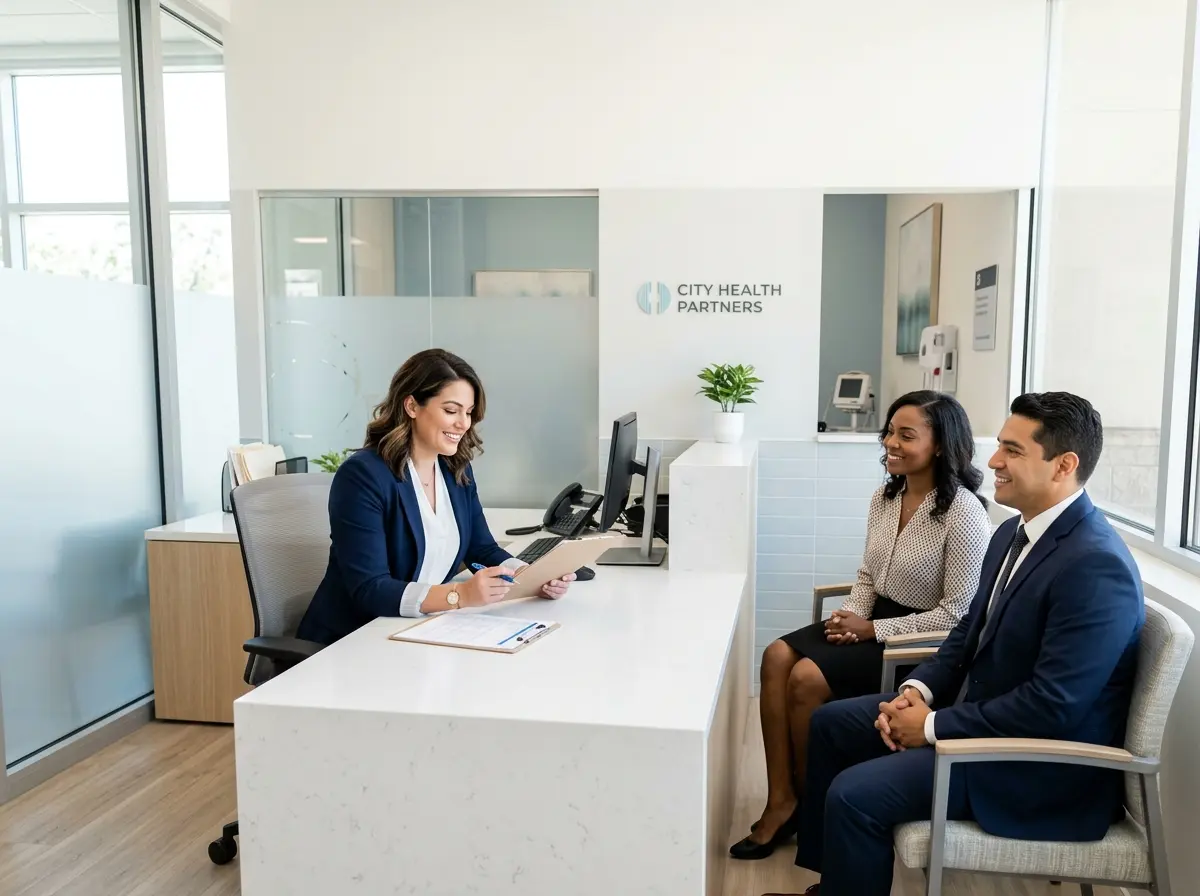
You've done the hard work of getting a potential patient's attention. Now comes the part where many practices quietly drop the ball: the conversion from interest to appointment. This is where speed, availability, and first impressions do the heavy lifting — and where the right tools make an enormous difference.
The Speed-to-Response Problem (And How to Fix It)
Studies show that responding to a lead within five minutes makes you 21 times more likely to qualify that lead than if you respond after 30 minutes. Twenty-one times. Most dental practices are not responding in five minutes. They're responding the next morning, if at all. Cosmetic patients, who are often browsing options simultaneously and have no particular loyalty yet, will simply move on. Ensuring that every phone call gets answered — even after hours, on weekends, and during lunch — is not a nice-to-have. It's a revenue decision.
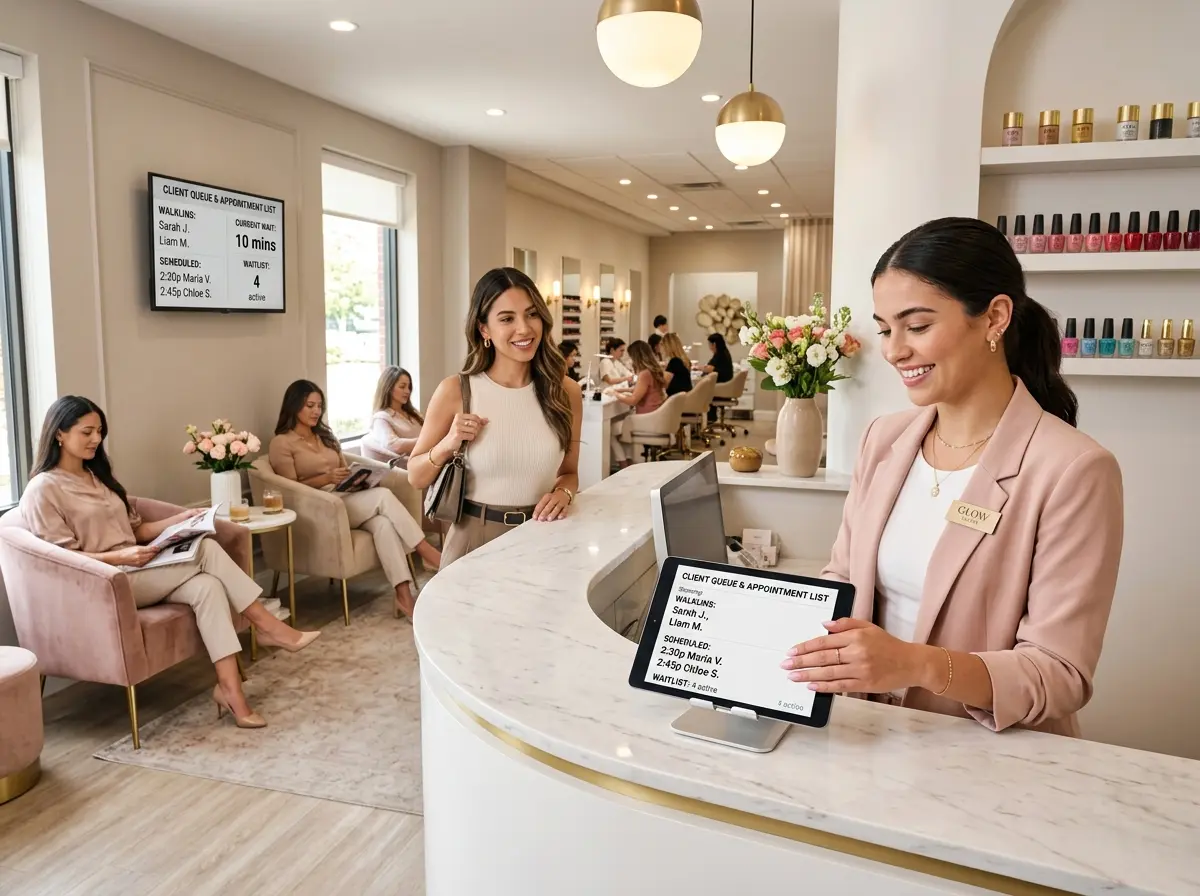
This is exactly where Stella, the AI robot receptionist, earns her keep for dental practices. Stella answers phone calls 24/7 with the same knowledge a well-trained human receptionist would have — she can explain your cosmetic services, quote general pricing ranges, answer FAQs, and collect patient intake information through conversational intake forms. For practices with a physical location, she also operates as an in-store kiosk that proactively greets walk-in visitors and engages them in natural conversation about services and promotions. Her built-in CRM automatically captures and organizes patient contacts, so no inquiry slips through the cracks. At $99/month, she's considerably easier to retain than your last front-desk hire.
The Consultation Experience: Where Trust Is Won or Lost
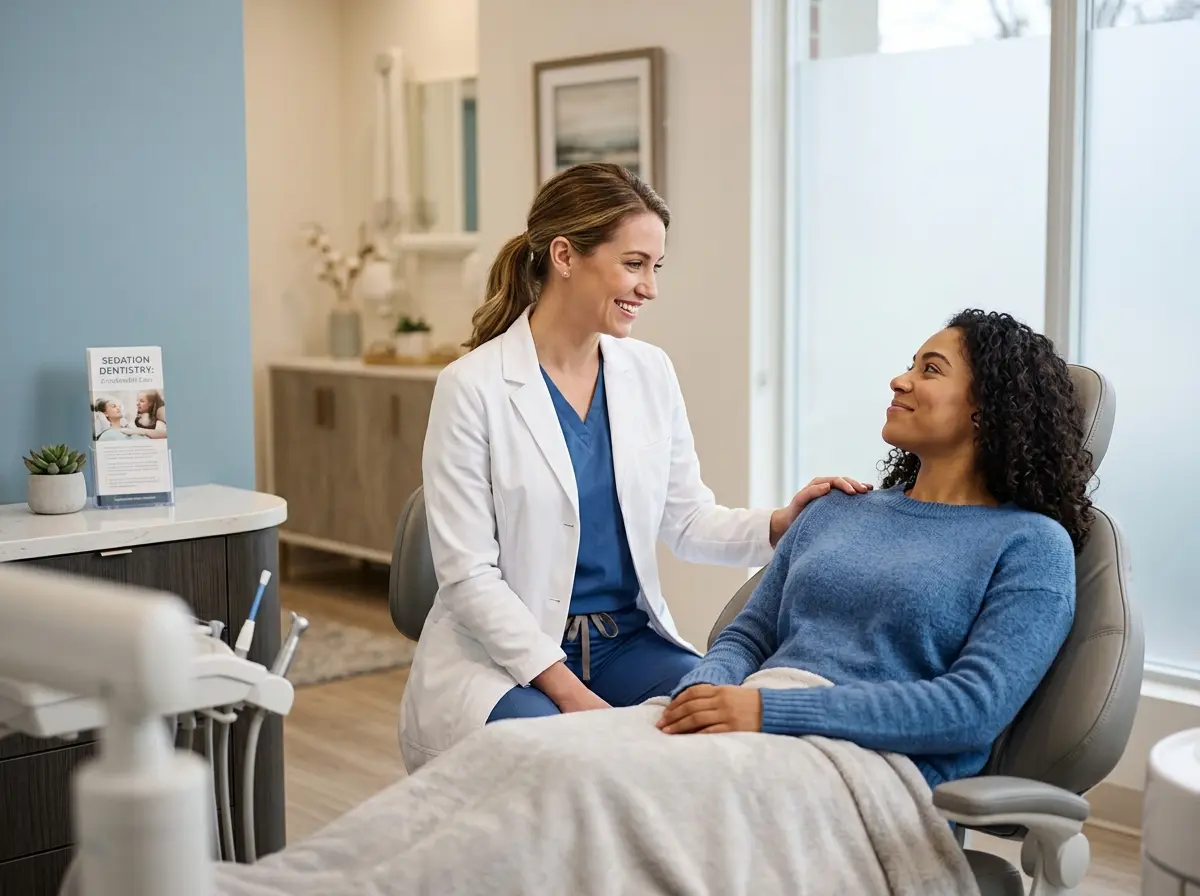
The cosmetic dentistry consultation is arguably the most important touchpoint in the entire patient journey. This is not a regular checkup — patients coming in for veneers or full smile makeovers are often nervous, emotionally invested, and carrying years of insecurity about their appearance. How you conduct this conversation will determine whether they move forward with you or keep shopping.
Designing a Consultation That Feels Like a Conversation
The days of the clipboard-and-pamphlet consultation are over. Modern cosmetic patients want to feel heard, not processed. Start by asking about the patient's goals, not just their clinical needs. What do they want to feel when they look in the mirror? What's kept them from addressing this sooner? When patients feel understood, they're far more likely to trust your recommendations and accept treatment plans. Use digital smile design tools or even simple visual aids to help patients see what's possible — visualization dramatically increases case acceptance because it makes the abstract feel real and achievable.
Transparent Pricing and Financing Conversations
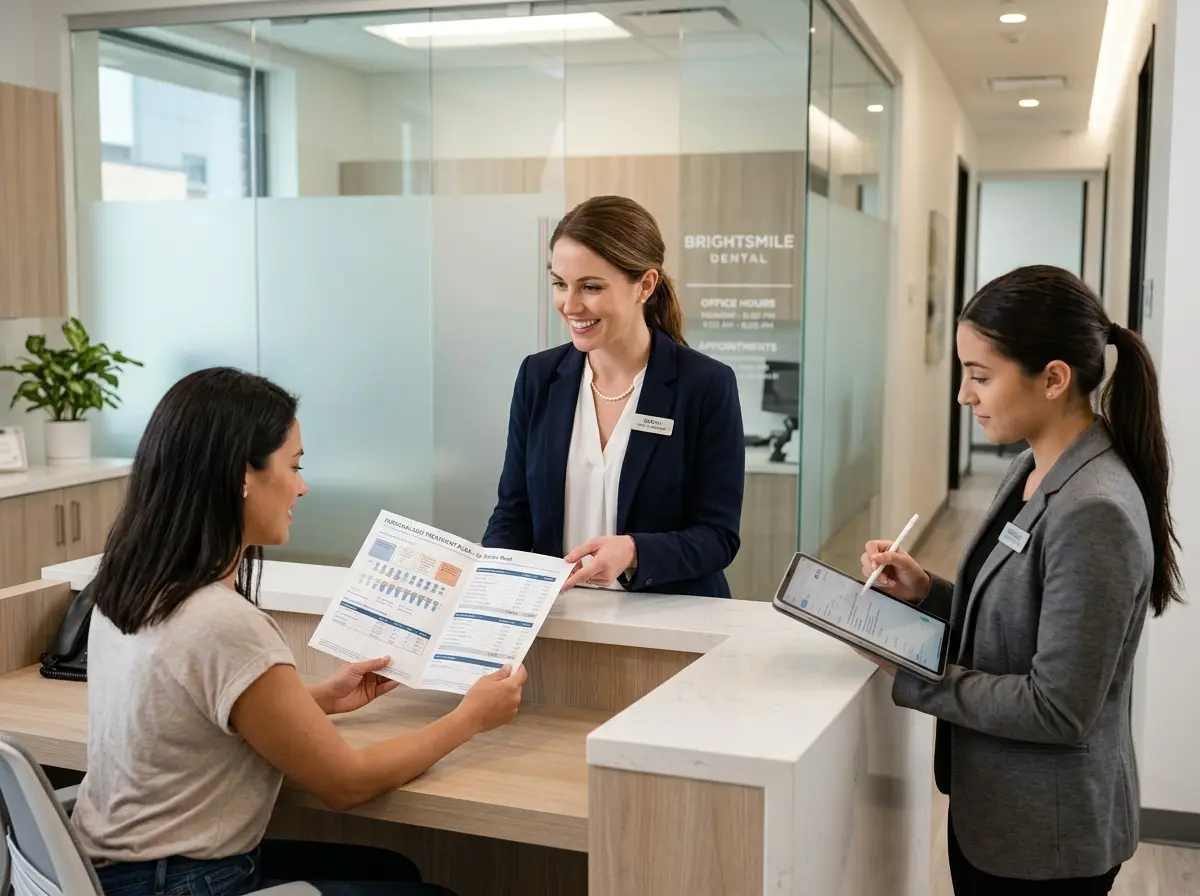
Cosmetic dentistry isn't cheap, and pretending otherwise helps no one. Patients who are surprised by costs at the end of a consultation feel manipulated, even if no one intended that. Be upfront about pricing ranges early in the conversation, and have a clear, practiced process for introducing financing options like CareCredit or in-house payment plans. Practices that normalize the financing conversation — rather than treating it as a last-ditch effort to save a deal — see significantly higher case acceptance rates. A patient who walks out with a payment plan they feel good about is a better outcome than one who walks out with sticker shock and your competitor's phone number.
The Follow-Up Sequence That Most Practices Skip
Not every consultation converts on the spot, and that's perfectly normal for high-ticket elective procedures. What separates high-performing cosmetic practices is what happens in the days and weeks after a consultation where the patient said "let me think about it." A structured follow-up sequence — a personal call at 48 hours, an email with their personalized treatment summary, a check-in at two weeks — keeps you top of mind during the decision window without being pushy. Most practices send one follow-up and give up. That's leaving real revenue on the table.
Quick Reminder About Stella
Stella is an AI robot employee and phone receptionist built for businesses like yours — she works the front of your practice as a friendly kiosk presence and answers every phone call around the clock, so no patient inquiry ever goes unanswered. She handles intake, promotes services, manages contacts through her built-in CRM, and never calls in sick. At $99/month with no upfront hardware costs, she's one of the more straightforward staffing decisions you'll make this year.
Conclusion: Build the Journey, Keep the Patients
The cosmetic dentistry patient journey is not a straight line, and it doesn't manage itself. Every stage — from the first Google search to the post-treatment review request — is an opportunity to either build trust or lose a patient to a competitor who's paying closer attention. The good news is that most practices aren't doing this particularly well, which means there's genuine competitive advantage available to those willing to be intentional about it.
Here's where to start this week:
- Audit your digital presence. Search for your own practice the way a new patient would. Is what you find compelling? Is it accurate? Would you call you?
- Fix your phone coverage. Identify every window where calls go unanswered and address it — whether that's staff scheduling, an answering service, or an AI receptionist like Stella.
- Redesign your consultation experience. Make it a conversation, introduce financing naturally, and build a follow-up sequence you actually execute.
- Start collecting and publishing social proof. Ask every satisfied cosmetic patient for a testimonial. Make it easy. Make it a habit.
Cosmetic dentistry patients are out there right now, searching, comparing, and making decisions. The practice that meets them with a professional, warm, and frictionless experience at every stage of that journey is the one that earns the case — and the before-and-after photo. Make sure that practice is yours.