Because Paper Punch Cards Deserve Better Than the Bottom of a Purse
Let's be honest. Somewhere in your store — maybe tucked between a business card holder and a jar of complimentary mints — there's a little stack of paper punch cards. They're adorable, they're well-intentioned, and statistically speaking, about 60% of them will be lost, forgotten, or accidentally washed with a pair of jeans before a customer ever redeems them. According to research by Accenture, members of loyalty programs generate 12–18% more revenue than non-members, which means the concept is absolutely worth investing in. The execution, however, can use some serious upgrading.
The good news? You don't need to be a Starbucks with a billion-dollar tech budget to run a meaningful loyalty program. Digital loyalty tools have matured enormously in recent years, and small retailers now have access to genuinely powerful alternatives that keep customers coming back — without requiring a PhD in software development to set up. This post breaks down your best options, what to look for, and how to make your loyalty program actually work.
The Landscape of Digital Loyalty Tools for Small Retailers
Stamp-Based and Points-Based Apps
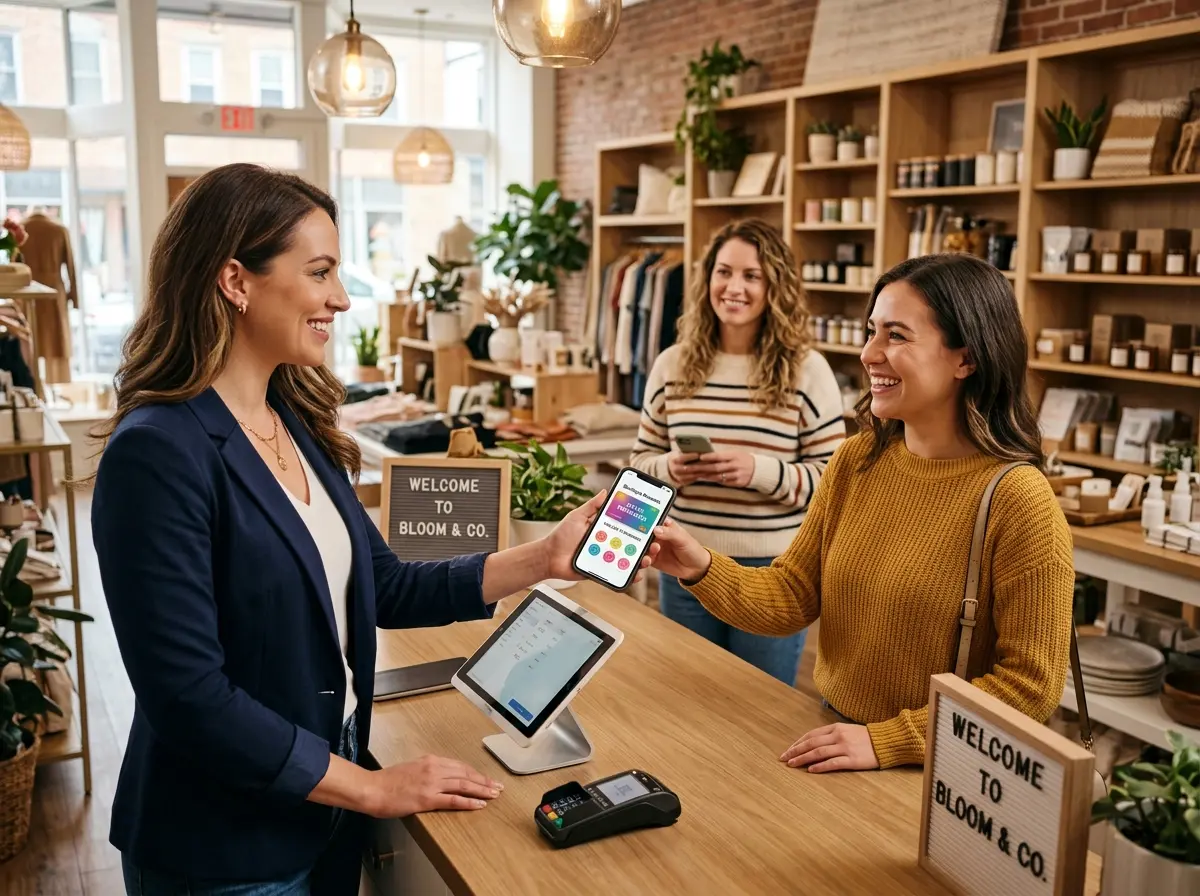
The most natural evolution of the paper punch card is a digital stamp or points app. Platforms like Stamp Me, Loopy Loyalty, and Yotpo give customers a virtual card on their phone that gets "stamped" with each visit or purchase. No more lost cards, no more arguments about whether that coffee really was a medium (it wasn't, but you gave them the stamp anyway — we've all been there).
These tools typically allow you to set your own reward thresholds, customize the branding, and even send push notifications to customers when they're close to earning a reward. Push notifications alone can drive a meaningful uptick in return visits — studies suggest that well-timed loyalty notifications can improve redemption rates by up to 30%. For a small retailer, that's not a vanity metric; that's real foot traffic.
POS-Integrated Loyalty Programs
If you're already using a point-of-sale system like Square, Clover, or Lightspeed, you may already have access to a built-in or tightly integrated loyalty module. The beauty here is simplicity — your loyalty program ties directly to transaction data, so points are applied automatically, redemptions are tracked without staff needing to remember anything, and your reporting actually means something.
Square Loyalty, for example, starts at around $45/month and allows you to reward customers per visit or per dollar spent. Clover's ecosystem offers similar functionality. These integrations are worth exploring before paying for a separate standalone tool, especially if you're already locked into a POS ecosystem. Less juggling is almost always better.
SMS and Email-Based Loyalty Programs
Some of the most effective small-business loyalty programs aren't apps at all — they're clever combinations of SMS marketing and segmented email lists. Tools like Fivestars (now part of Blaze) or Belly combine a simple check-in mechanic with automated text and email campaigns that nudge customers back in at the right moment.
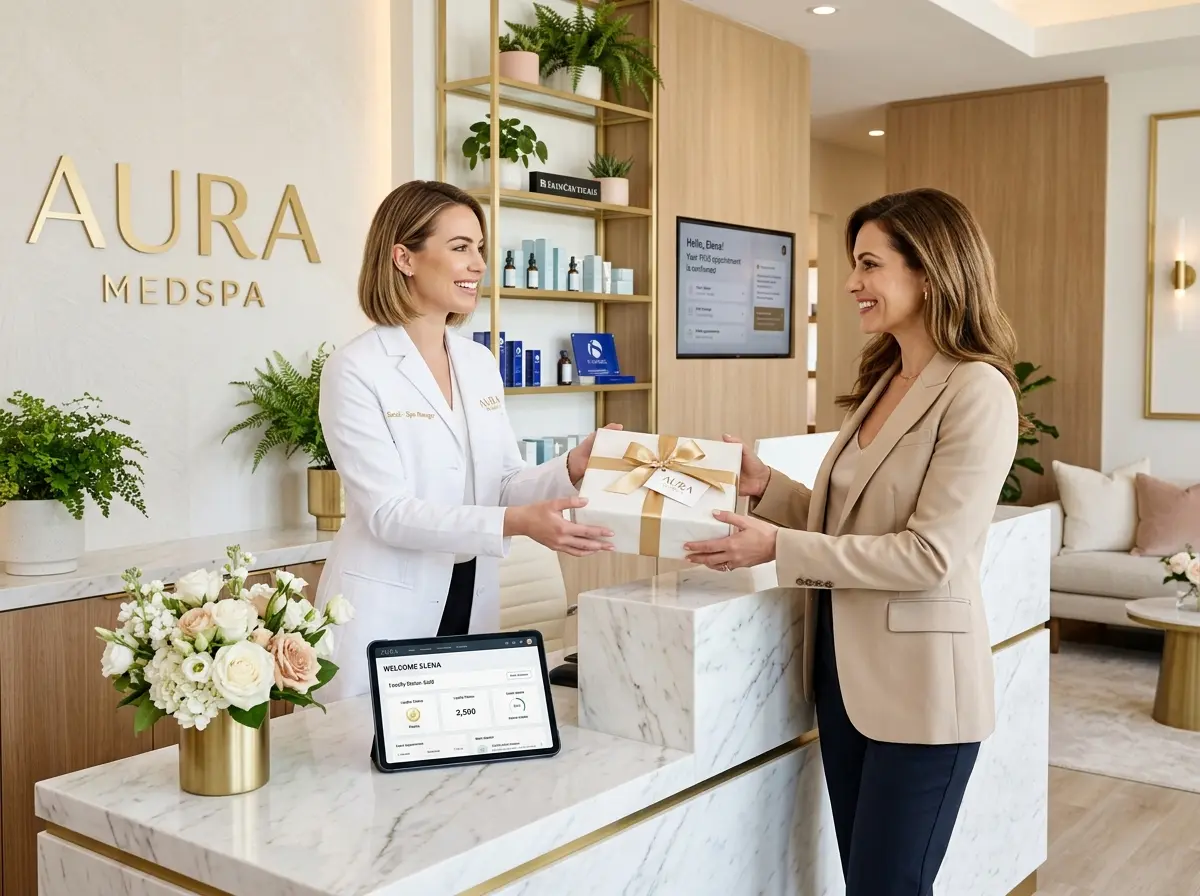
This approach works especially well for service-based retailers — think salons, spas, or boutiques — where purchases are infrequent but relationship value is high. A well-timed "We miss you — here's 15% off your next visit" text sent 45 days after a customer's last purchase can feel genuinely thoughtful rather than spammy, particularly when the message is personalized and the timing is smart.
Getting Customers Into Your Program in the First Place
The Enrollment Problem (And How to Actually Solve It)
Here's the dirty secret of loyalty programs: they only work if customers actually sign up. And getting customers to stop what they're doing at checkout, hand over their email, download an app, and set a password is... a lot to ask. Friction is the enemy of enrollment, and most retailers dramatically underestimate how much the sign-up experience affects participation rates.
This is where Stella — the AI robot employee and phone receptionist — can make a surprisingly practical difference. Standing inside your store, Stella can proactively greet customers, mention your loyalty program as part of a natural conversation, and collect customer information through conversational intake forms right at the kiosk — no awkward "can I get your email?" moment required at checkout. She can also handle the same enrollment process over the phone for customers who call in, capturing contact details and tagging customers in her built-in CRM so your loyalty outreach is organized from day one. It's the kind of frictionless experience that turns a 10% sign-up rate into something worth talking about.
Making Your Loyalty Program Actually Drive Behavior
Design Rewards That Feel Worth Earning
The fastest way to kill a loyalty program is to make the rewards feel unattainable or unexciting. If customers need to spend $800 to earn a $5 discount, they're going to do the math — and then they're going to stop caring. The sweet spot, according to loyalty research, is a program where customers can realistically earn a meaningful reward within three to five visits. This keeps momentum high and reinforces the habit loop that makes loyalty programs actually effective.
Think beyond discounts, too. Early access to new products, a free add-on service, a small exclusive item, or even a birthday reward can carry significant emotional value far beyond their cost to you. Customers respond to feeling seen — and a thoughtful reward signals that you're paying attention.
Promote the Program Everywhere, Consistently
A loyalty program that no one knows about is just an expensive hobby. Promotion needs to be consistent, multi-channel, and relentless (in a charming way). In-store signage, your email footer, your Instagram bio, your Google Business profile — every touchpoint is an opportunity to remind someone that they should be earning points right now instead of shopping somewhere else.
Train your staff to mention the program at checkout as a matter of habit, not as an upsell afterthought. Brief, natural language works best: "Do you have our rewards card? You'd be close to a free coffee." That single sentence, delivered consistently, can dramatically improve enrollment and redemption without requiring any additional technology.
Measure What Matters and Adjust
Your loyalty program is not a "set it and forget it" situation. Track enrollment rates, redemption rates, repeat visit frequency among enrolled customers versus non-enrolled customers, and average order value for loyalty members. If redemption rates are low, your rewards may be too hard to reach. If enrollment is stalling, your sign-up process needs simplification. Data tells you where the leaks are — plug them before you declare the whole thing a failure.
Most digital loyalty platforms include basic analytics dashboards. Use them. Even a monthly 15-minute review of your key metrics will put you miles ahead of competitors who are still guessing.
Quick Reminder About Stella
Stella is a human-sized AI robot kiosk and phone receptionist designed for businesses like yours. She greets customers in-store, promotes your current deals and programs, answers questions without interrupting your staff, and handles phone calls 24/7 with full knowledge of your business. At just $99/month with no upfront hardware costs, she's one of the more practical technology investments a small retailer can make right now.
Your Loyalty Program Starts With a Decision to Actually Build One
The research on loyalty programs is clear and has been for years: retaining an existing customer costs five times less than acquiring a new one, and loyal customers spend more, refer others, and forgive mistakes more readily. The tools are affordable, the setup is manageable, and the upside is real. What's missing for most small retailers isn't access to technology — it's simply the decision to prioritize this and execute consistently.
Here's your actionable starting point. Audit what you currently have: Are you on Square or Clover? Check if loyalty is already available in your plan. Do you collect customer emails at checkout? You may already have the foundation of an SMS or email-based program. Are customers asking about deals or repeat purchase benefits? That's pent-up demand telling you the market is ready.
Pick one platform, set it up properly, train your team on how to mention it, and give it 90 days of consistent promotion before evaluating results. You don't need the perfect program — you need a functioning one. The paper punch cards had the right idea. They just needed better infrastructure.