Your Front Desk Is Talking to Every Guest — The Question Is What It's Saying
Let's set the scene: A potential guest calls your hotel at 9:47 PM on a Thursday. Maybe they're planning a weekend getaway, or maybe they're a road-weary traveler trying to decide between you and the property down the street. The phone rings. And rings. And eventually rolls to a generic voicemail box with a robotic tone that says, in so many words, "We'll get to you when we feel like it."
That guest books somewhere else. You never knew they existed.
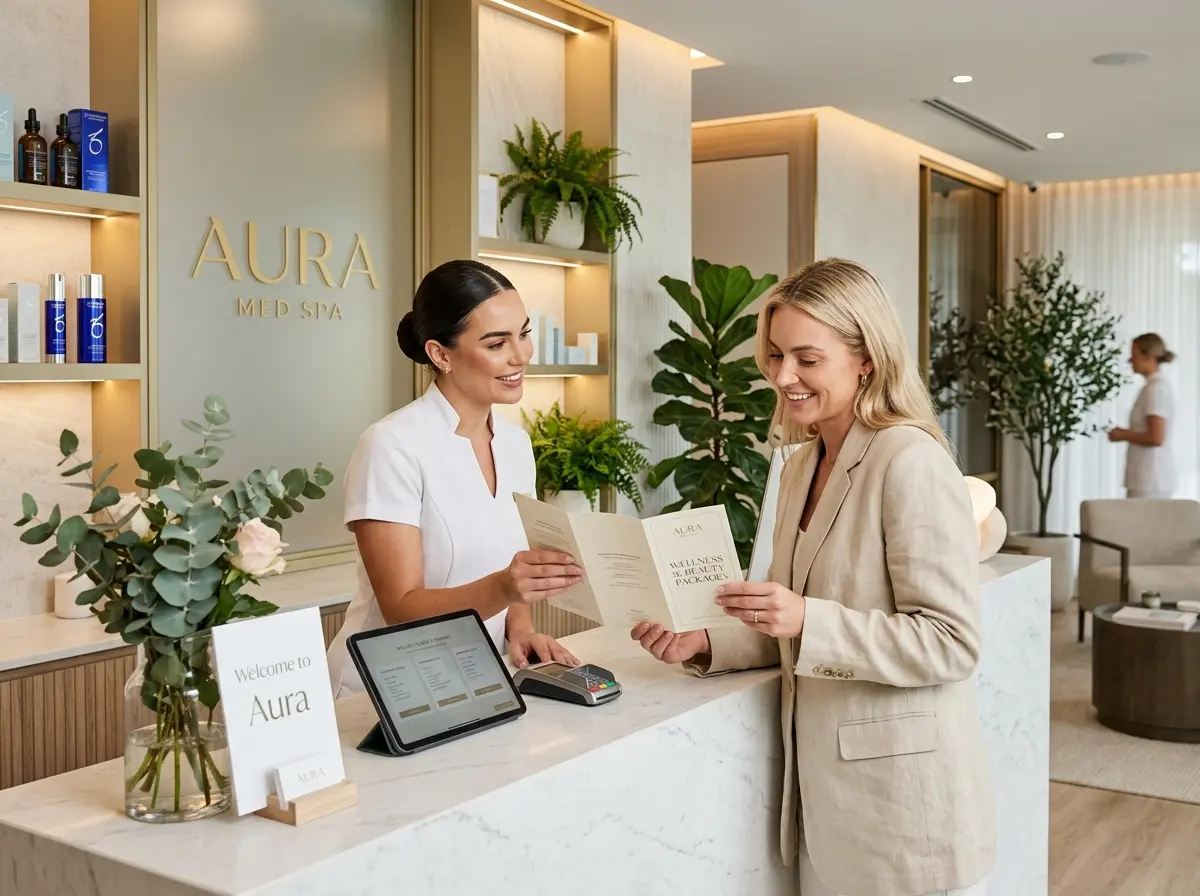
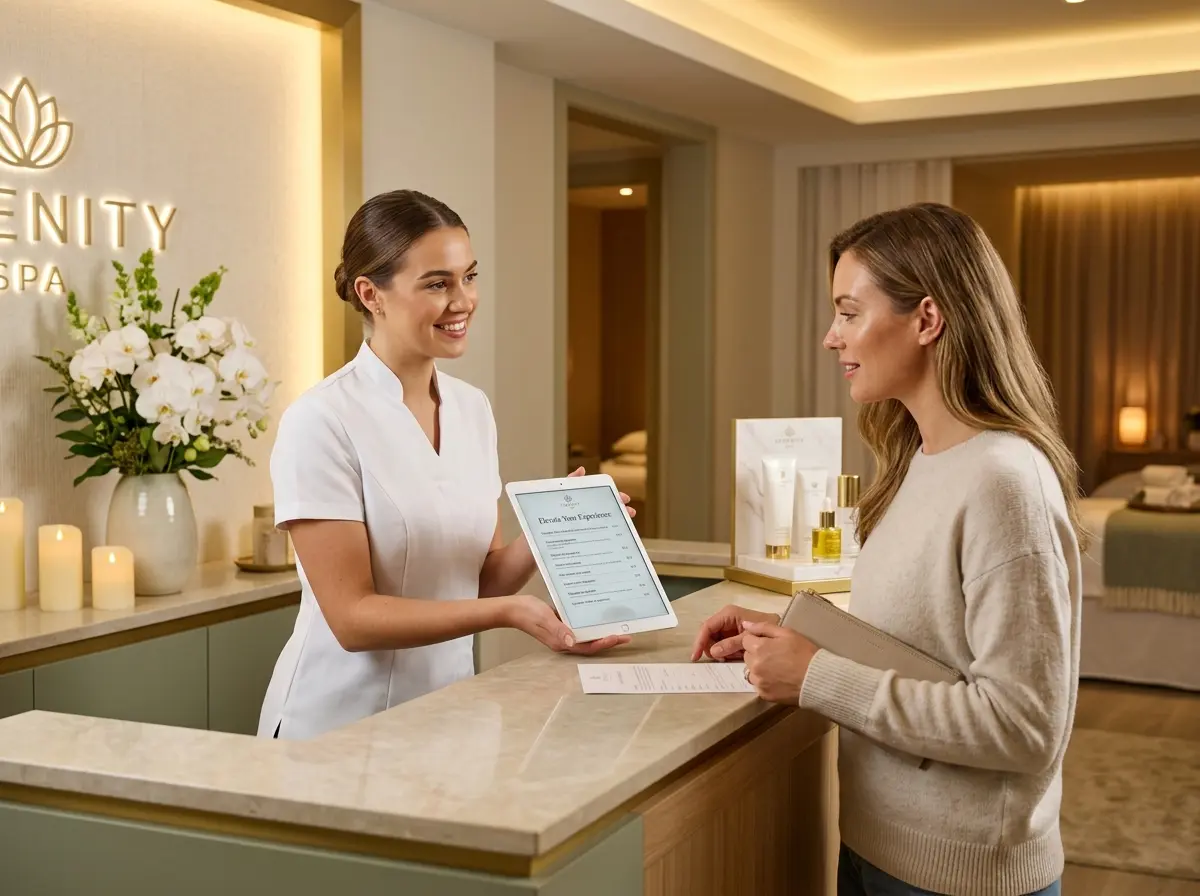
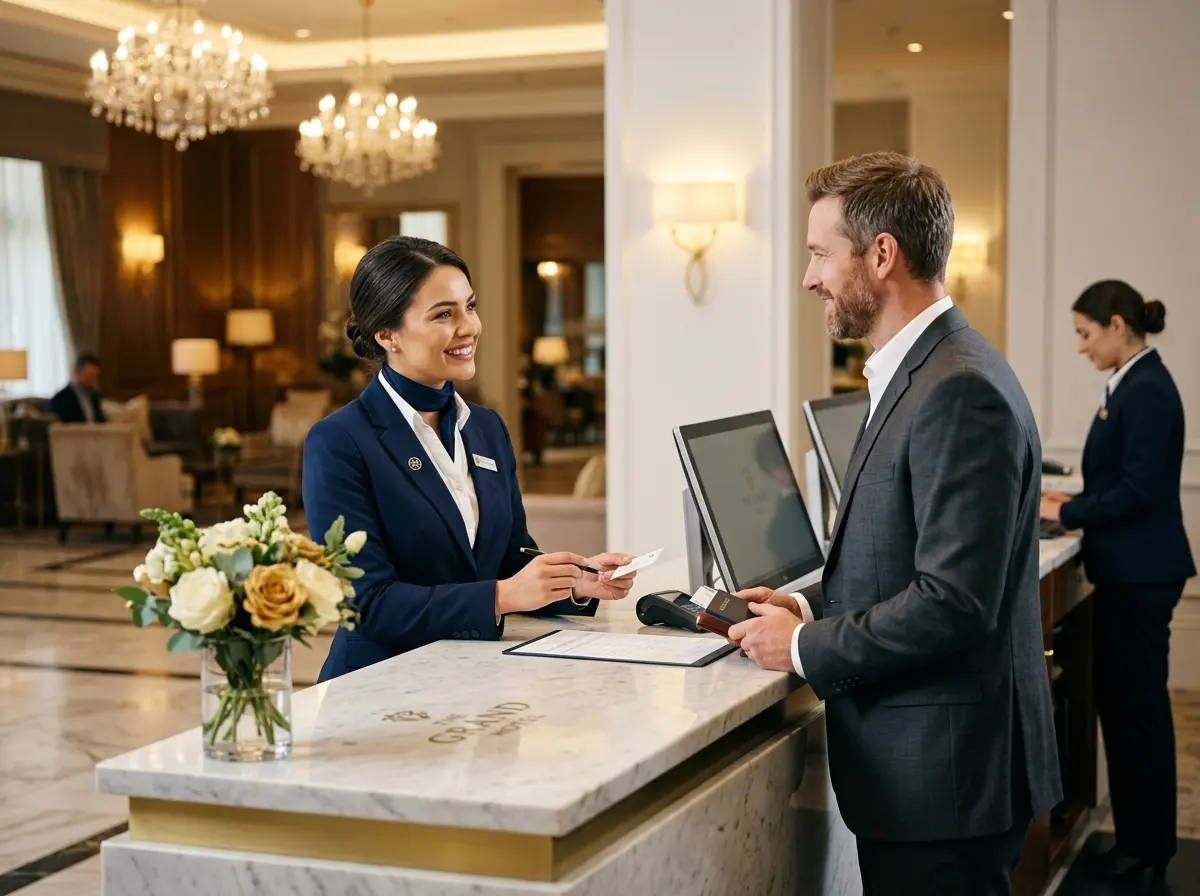
Here's the uncomfortable truth most hotel owners and managers don't want to sit with: your front desk — whether physical or virtual — isn't just an operational necessity. It's the first handshake, the first impression, and, more often than not, the deciding factor in whether someone becomes a paying guest or a missed opportunity. And yet, for most hotels, the front desk is treated like a utility. Keep the lights on. Check people in. Hand out key cards. Don't mess up.
That's a lot of marketing potential left on the table — and on hold.
The Front Desk as a Revenue Engine (Not Just a Check-In Counter)
First Impressions Are Actually Last Impressions in Disguise
Hospitality research consistently shows that guests form their lasting opinion of a property within the first few minutes of arrival — and that first impression is disproportionately shaped by the front desk interaction. According to a Cornell University study, service quality at check-in is one of the strongest predictors of overall guest satisfaction and likelihood to return. That's not a minor footnote. That's your entire reputation hinging on a single conversation.
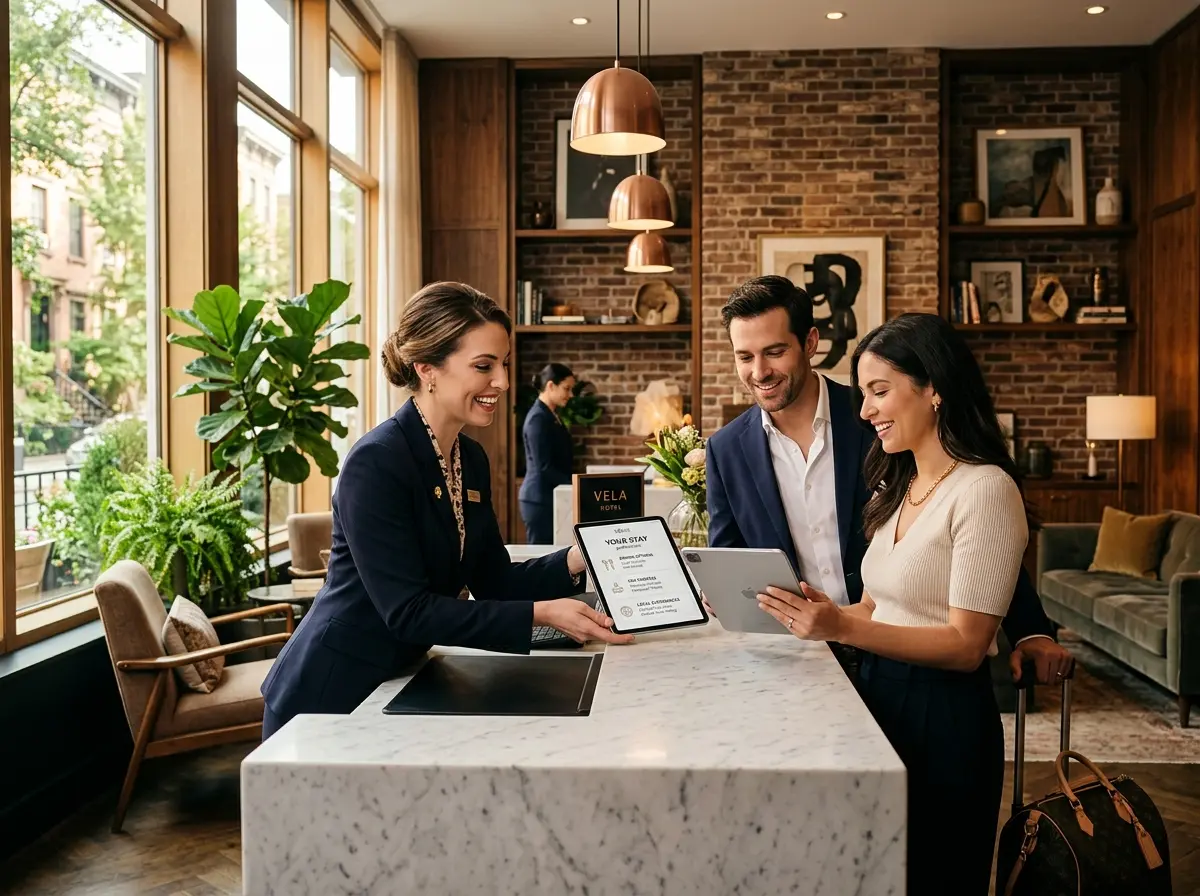
When a front desk team member is warm, knowledgeable, and proactively helpful — mentioning the breakfast hours without being asked, flagging the rooftop bar happy hour, noting that the pool closes at 10 PM — guests feel cared for. When that same team member is distracted, undertrained, or simply overwhelmed by a lobby full of check-ins, the experience flattens. Guests notice. They write reviews. Those reviews live forever.
The Upsell Opportunity Nobody Is Seizing
Think about how hotels make money beyond room rates: room upgrades, late checkouts, restaurant reservations, spa bookings, parking packages, local experience recommendations with affiliate value. Every one of those revenue lines passes directly through the front desk — either in person at check-in or over the phone during the booking inquiry phase.
A well-trained front desk agent who confidently mentions, "We do have a junior suite available for just $40 more — it comes with a soaking tub and a city view" can meaningfully move the needle on revenue per available room (RevPAR). Hotels that implement even basic front desk upsell training report upgrade conversion rates of 10–20%. That's not insignificant when multiplied across hundreds of check-ins per month.
The problem isn't that hotel owners don't know upselling is valuable. The problem is that it requires consistent execution — and consistency is the one thing human front desks, bless their hearts, struggle with most.
Phone Calls Are Still Your Highest-Intent Inquiries
In an era of online booking dominance, it might surprise you to learn that phone calls to hotels still convert at dramatically higher rates than web traffic. A guest calling your front desk is already interested — they just want a question answered, a special request accommodated, or a human connection before committing. Miss that call, fumble the response, or put them on hold for four minutes, and that high-intent lead walks straight to your competitor's OTA listing.
Hotels that treat their phone channel as a serious sales and service tool — with scripted responses, proactive promotional mentions, and warm, knowledgeable handling — consistently outperform those that treat the phone as a nuisance to be survived.
Where Technology Can Quietly Save the Day
Plugging the Gaps Without Replacing the Human Touch
No one is suggesting you replace your front desk staff with robots and call it a day. Your guests still want human connection — especially during the peak of their stay experience. But there are real, costly gaps in coverage that technology can address without anyone feeling short-changed.
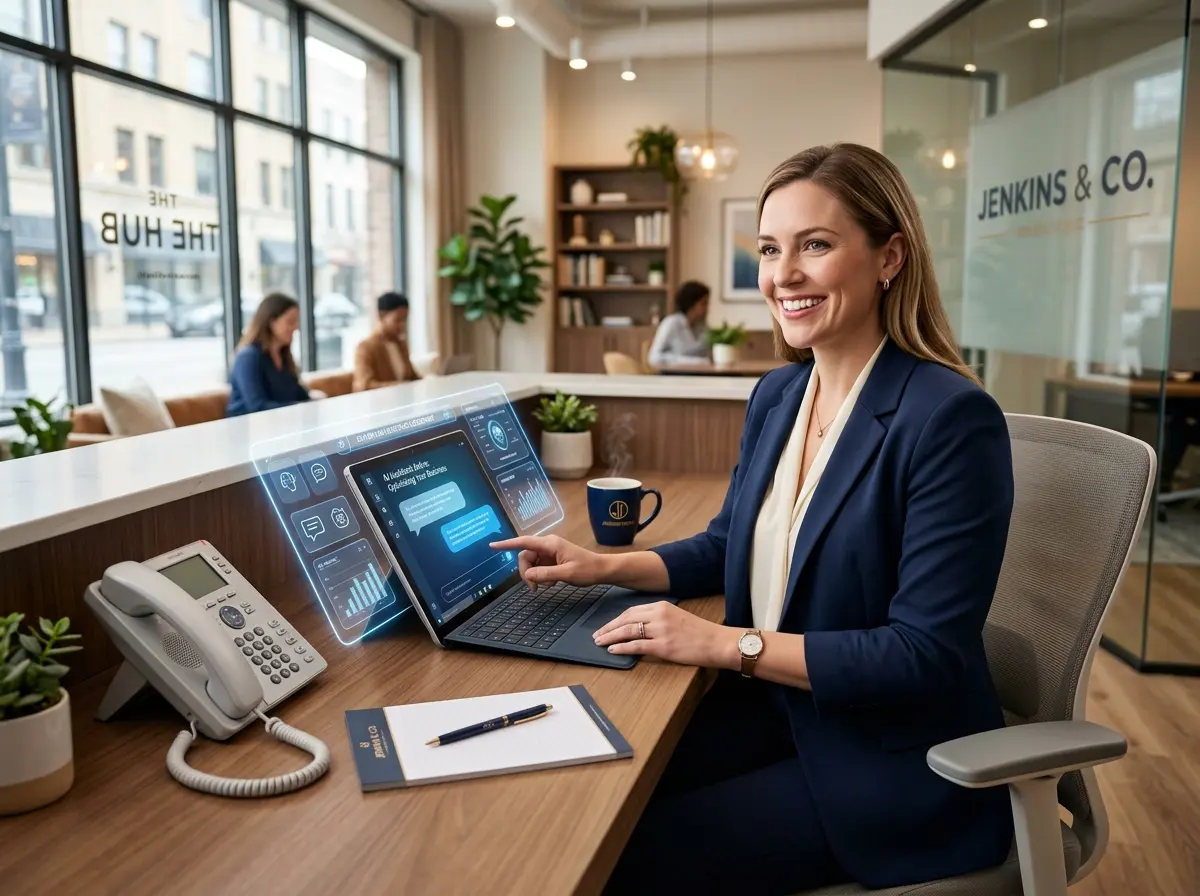
After-hours calls, overflow during busy check-in windows, and repetitive questions about parking, pet policies, and pool hours don't need a senior staff member's attention. They need a reliable, knowledgeable, always-available presence. That's exactly what Stella is designed to do. As an AI robot employee and phone receptionist, Stella can greet guests approaching the lobby kiosk, answer phone calls around the clock, proactively mention current promotions and amenities, and collect guest information through conversational intake — all without a break, a bad day, or a training refresher. Her built-in CRM also means that every interaction can be logged, tagged, and reviewed, giving hotel managers a clearer picture of what guests are actually asking and what's driving (or killing) conversions.
Building a Front Desk Culture That Markets for You
Train for Storytelling, Not Just Procedure
Most front desk training focuses on process: how to check someone in, how to handle a complaint, how to manage the key card system. Almost none of it focuses on storytelling — which is the real job. Your front desk team should know your property's story. What makes your hotel different? What's the best-kept secret on the property? Which local restaurant should every guest know about? Which room type has the view that guests always rave about in reviews?
When front desk staff can speak about the property with genuine enthusiasm and specific detail, guests feel like insiders rather than transactions. That emotional shift drives reviews, return visits, and word-of-mouth referrals far more reliably than any loyalty points program ever will.
Turn Every Check-In Into a Micro-Marketing Moment
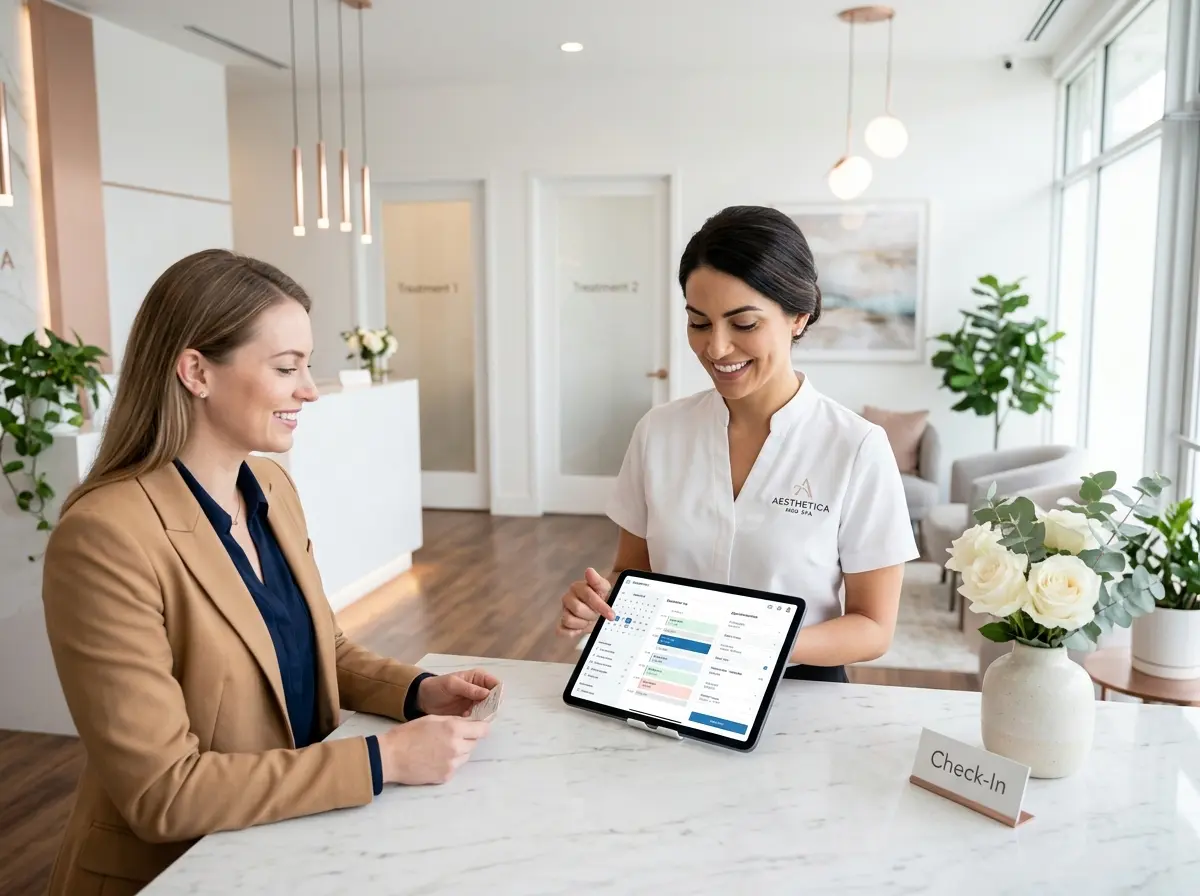
Check-in is not a administrative formality. It is a captive-audience marketing opportunity. The guest is standing right in front of you, they've already committed to staying, and they're in a receptive state of anticipation. This is precisely the moment to mention the weekend brunch special, the spa promotion running through Sunday, or the fact that the bar's happy hour starts in 45 minutes.
Build a simple daily briefing habit for front desk staff: every shift starts with a two-minute review of current promotions, special events, and anything unusual happening on the property. When the whole team knows what's happening, every guest interaction becomes a low-pressure, high-value touchpoint. No hard sell required — just genuine, well-timed information sharing.
Use Guest Data Like a Marketer, Not Just an Operator
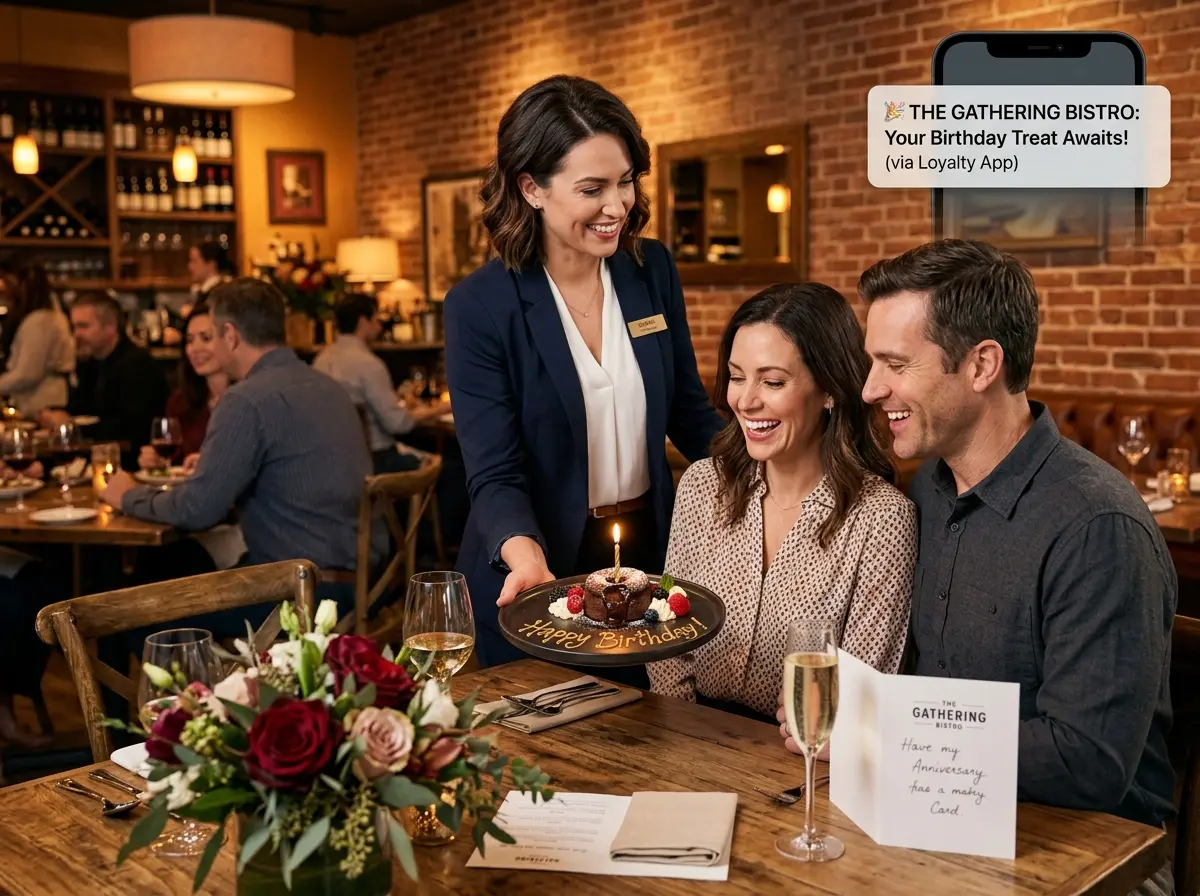
If your property management system knows that a guest stayed with you twice before and requested a high-floor room both times, and your front desk agent greets them with "Welcome back — I've got you set up on the 12th floor again," that guest is not just satisfied. They are loyal. Loyalty is built on the feeling of being remembered, and remembering requires data.
Hotel operators who actively use guest history — preferences, past complaints, special occasions noted at prior check-ins — to personalize front desk interactions consistently see higher Net Promoter Scores and stronger repeat booking rates. The data is almost certainly already sitting in your PMS. The question is whether anyone is actually using it before the guest walks through the door.
A Quick Reminder About Stella
Stella is an AI robot employee and phone receptionist built for businesses that want a reliable, professional presence without the overhead. For hotels, she can stand in the lobby as a guest-facing kiosk, answer phones 24/7, promote current offers, handle FAQs, and keep your front desk team focused on the interactions that actually need a human. At $99/month with no upfront hardware costs, she's worth a look for any property tired of missed calls and inconsistent guest experiences.
Stop Leaving Your Best Marketing Asset on Autopilot
Your front desk is not a cost center. It is not a necessary inconvenience between the parking lot and the elevator. It is, in very real terms, your most consistent, highest-frequency marketing channel — touching every single guest who walks through your door or picks up the phone to inquire about your property.
Here's where to start:
- Audit your phone experience. Call your own front desk at 8 PM on a Friday. What happens? How does it feel? Would you book based on that interaction?
- Build a daily promotions briefing. Make it a two-minute standing habit before every shift. Every team member should be able to mention at least two current promotions without hesitation.
- Review guest history before check-in. Even a 30-second glance at a returning guest's profile can transform a generic greeting into a memorable one.
- Plug the after-hours gap. Whether through technology, an on-call system, or a combination of both, make sure high-intent inquiries after hours are getting a response worth responding to.
- Measure it. Track upgrade conversion rates, upsell revenue, and review sentiment tied to front desk interactions. What gets measured gets improved.
The hotels winning on guest experience and direct bookings right now aren't necessarily the ones with the most amenities or the best locations. They're the ones treating every single guest touchpoint — including and especially the front desk — as an opportunity to create a story worth telling. Start there, and the marketing takes care of itself.