Introduction: The Discharge Dilemma
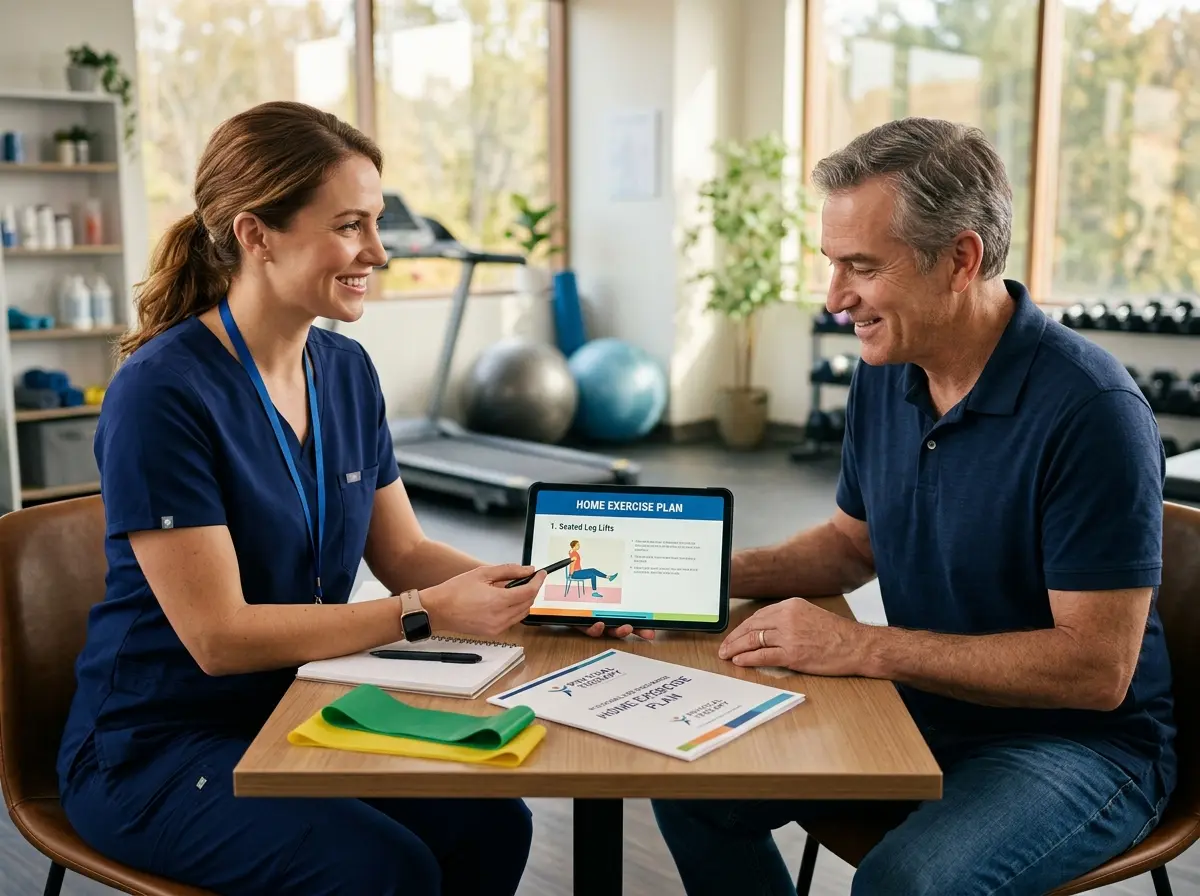
You've done everything right. Your physical therapy patients came in, worked hard, made real progress, and graduated from their treatment plan with a smile, a handshake, and a home exercise program printed on paper that will almost certainly end up in a kitchen drawer never to be seen again. Sound familiar?
Here's the uncomfortable truth: patient engagement doesn't end at discharge — it just gets a lot harder. Studies suggest that up to 70% of patients fail to adhere to home exercise programs after leaving physical therapy. That's not a reflection of bad care. It's a reflection of human nature. Life gets busy, motivation fades, and without the accountability of scheduled appointments, even the most dedicated patients drift.
The good news? Keeping patients engaged after discharge isn't just possible — it's one of the best things you can do for your clinic's outcomes, reputation, and long-term revenue. Engaged former patients return when they need care again, refer friends and family, and leave glowing reviews. This guide walks you through practical, proven strategies to stay top of mind long after discharge day — without burning out your staff in the process.
Building a Post-Discharge Communication Strategy That Actually Works
Most clinics send a discharge summary and call it a day. The ones that thrive treat discharge as the beginning of a different kind of relationship — not the end of one. A structured communication strategy gives you a framework to maintain that relationship consistently, even when your front desk team is swamped.
The 30-60-90 Day Follow-Up Framework
Timing matters enormously when it comes to post-discharge outreach. The first 30 days are critical — patients are still in the habit of thinking about their bodies, their exercises, and their progress. A check-in call or personalized message around the two-week mark can dramatically improve adherence and make patients feel genuinely cared for rather than forgotten.
At 60 days, a brief touchpoint serves a different purpose: it's your opportunity to identify patients who may be experiencing a regression or a new issue before they end up in the ER or, worse, a competitor's waiting room. A simple "How are you feeling?" message can trigger a return visit that benefits everyone. By 90 days, you're shifting into relationship maintenance mode — sharing useful content, seasonal wellness tips, or a reminder that you're there if anything comes up.
Personalization Is the Difference Between Engagement and Annoyance
Generic mass emails are the participation trophies of marketing — technically present, universally ignored. Patients who completed treatment for a rotator cuff injury do not want to receive newsletters about knee pain management, and they definitely don't want to feel like a number in your email list. Segment your former patients by condition, age group, activity level, or treatment type, and tailor your messaging accordingly. Even small personalization touches — using their first name, referencing their specific progress, or acknowledging a milestone like "It's been six months since your discharge!" — can make a significant difference in how your outreach is received.
Choosing the Right Channels
Email remains one of the most cost-effective communication channels, but it shouldn't be your only tool. Text messaging boasts open rates north of 90%, making it ideal for brief check-ins and appointment reminders. Social media allows you to stay visible to former patients in a low-pressure, non-clinical way. And don't underestimate the power of an actual phone call — particularly for high-value patients or those who went through complex, long-term treatment. A real human voice (or a very good AI one) carries weight that a drip email campaign simply can't replicate.
How Technology — Including a Little Help from Stella — Can Lighten the Load
Let's be honest: your therapists became PTs to help people move better, not to spend their afternoons making follow-up calls and updating contact records. Automating the administrative side of patient engagement isn't cutting corners — it's smart practice management.
Automating Outreach Without Losing the Human Touch
There are excellent tools available for automated SMS and email sequences that can be triggered by discharge date, condition type, or custom tags in your patient database. The key is to set these up thoughtfully so they feel warm and personal, not robotic. Pair automation with periodic genuine human check-ins for your most complex or long-term cases, and you've got a system that scales without sacrificing quality.
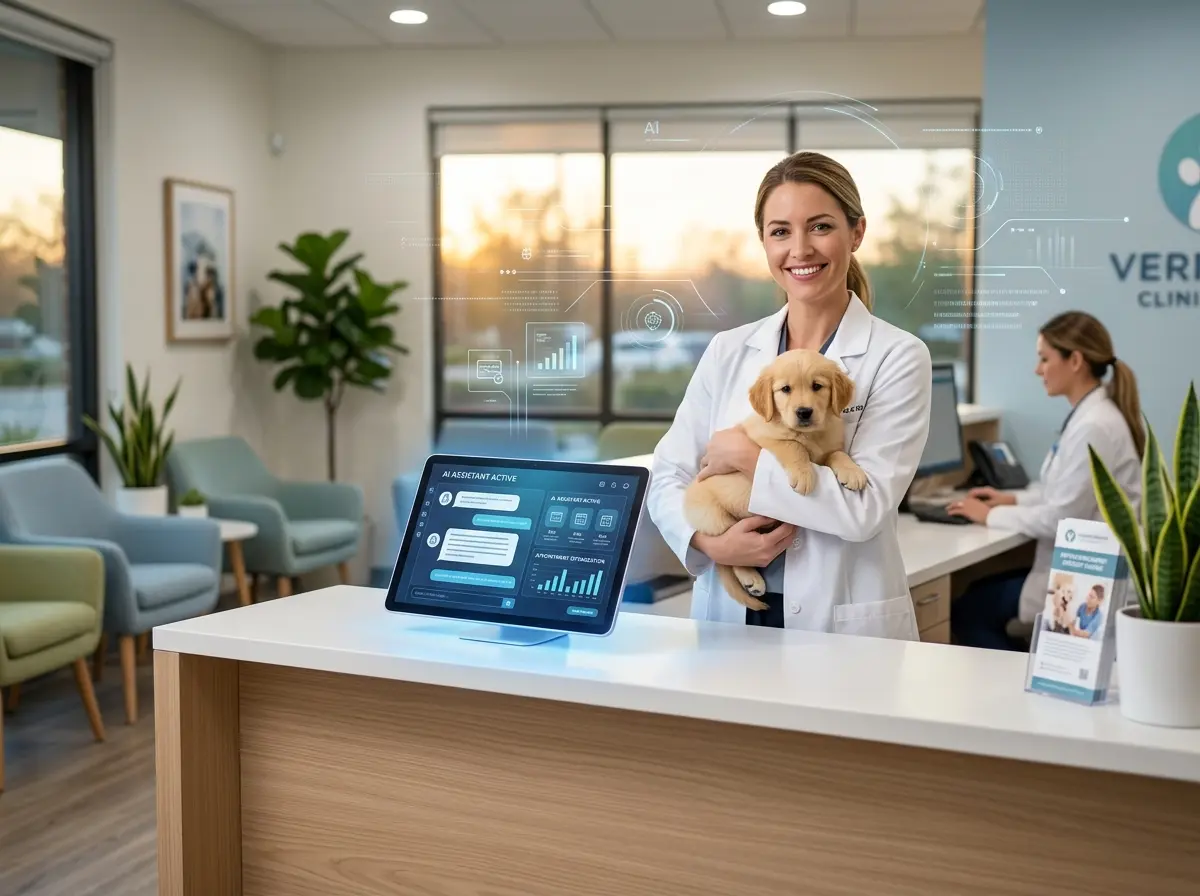
On the front-end of your practice, Stella — the AI robot employee and phone receptionist — can help bridge the gap between your in-office experience and your ongoing patient relationships. In your clinic, Stella greets visitors, answers questions about services, and collects patient intake information conversationally. On the phone, she answers calls 24/7, handles inquiries, and routes calls to your staff when needed. Her built-in CRM lets you track patient contacts with custom fields, tags, and AI-generated profiles — making it easier to segment and personalize your post-discharge outreach without requiring a full-time administrative hire.
Creating Content and Programs That Give Patients a Reason to Stay Connected
Communication alone won't keep patients engaged if there's nothing compelling on the other end of it. The most successful PT clinics build out a content and programming ecosystem that delivers genuine value to former patients — not just promotional noise.
Educational Content That Positions You as the Expert
Short-form video content is currently one of the most effective ways to stay visible and provide value simultaneously. A 60-second clip demonstrating a common home exercise modification, a tip for maintaining posture during long workdays, or a quick explanation of why that nagging hamstring tightness keeps coming back — these are the kinds of practical, accessible pieces that former patients will actually watch, share, and remember. Post them consistently on social media, embed them in email newsletters, and build a library on your website that keeps people coming back.
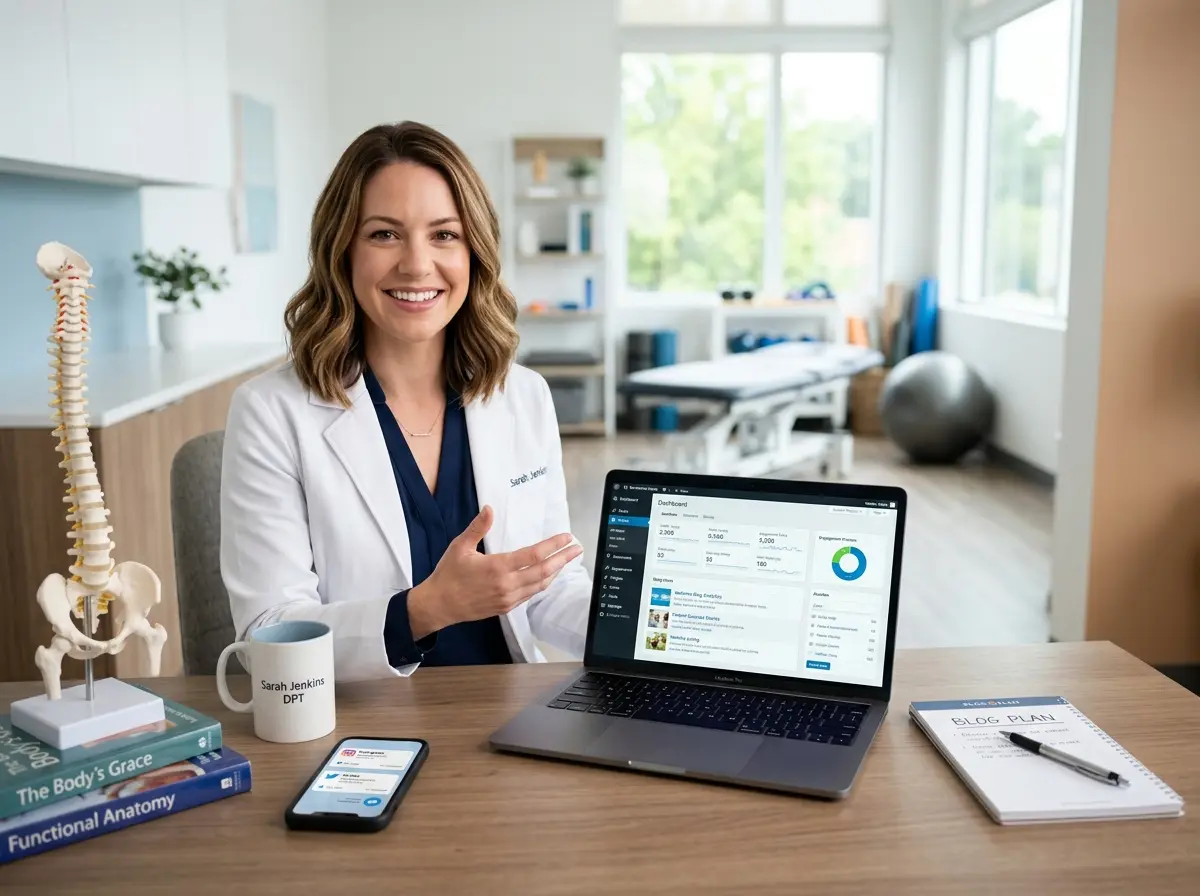
Blog content and patient education articles also serve a dual purpose: they help with search engine visibility (so new patients can find you) while giving existing contacts something useful to engage with. Topics don't have to be groundbreaking — sometimes "5 Signs You Might Need to Return to PT" is exactly what a discharged patient needs to read at the right moment.
Wellness Programs and Maintenance Packages
One of the most underutilized tools in physical therapy is the wellness or maintenance program — a structured, lower-frequency offering designed specifically for discharged patients who want to stay proactive about their health. Whether it's a monthly movement screen, a quarterly check-in visit, or access to supervised exercise sessions, these programs create a natural bridge between active treatment and complete independence. They generate recurring revenue, improve long-term outcomes, and give patients a tangible reason to stay connected to your clinic beyond their original episode of care.
Community Building and Group Events
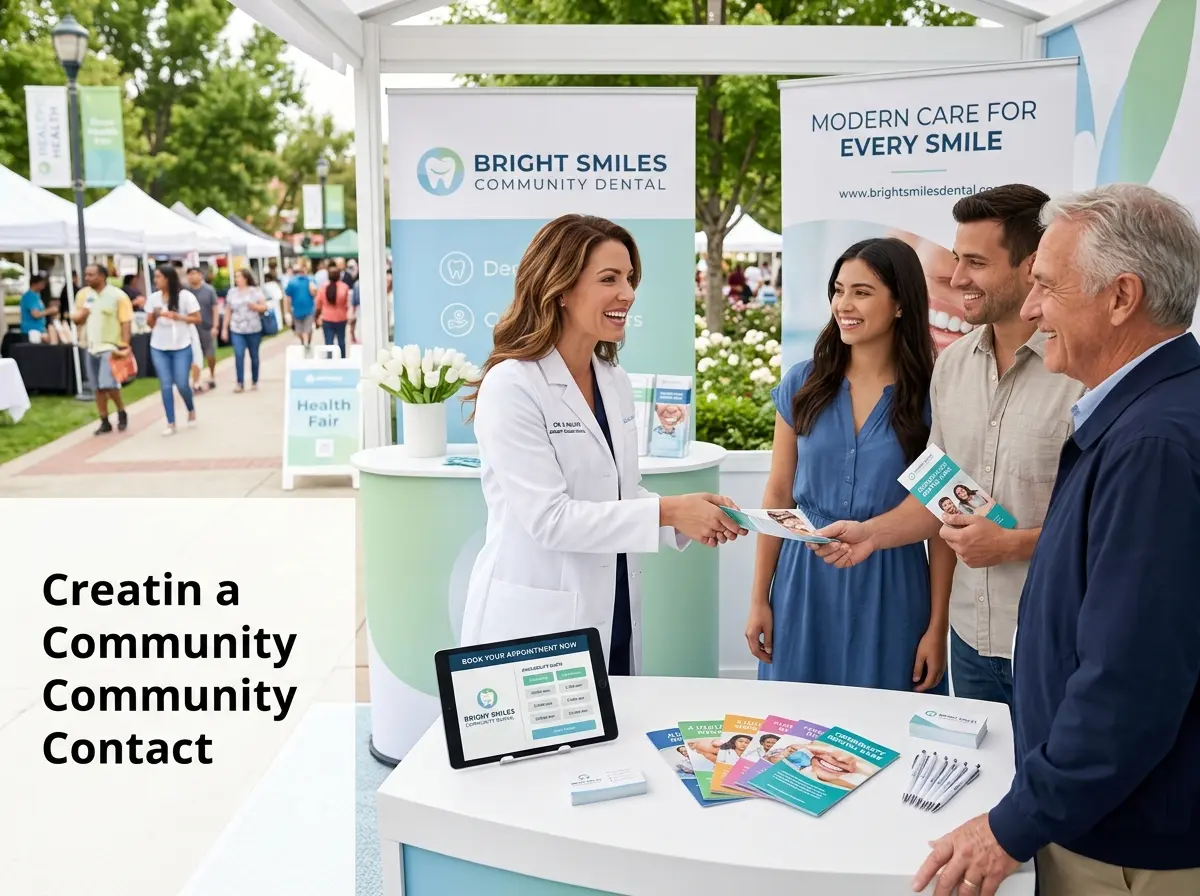
Consider hosting periodic workshops, Q&A sessions, or group exercise classes — in person or virtually — for former patients. Topics like injury prevention for runners, back health for desk workers, or return-to-sport programming for young athletes can draw strong attendance and reinforce your clinic's role as a community health resource rather than just a place people go when something hurts. These events also generate excellent social media content and word-of-mouth referrals, both of which have a habit of converting into new patient bookings.
Quick Reminder About Stella
Stella is an AI robot employee and phone receptionist that works in your clinic and answers your phones 24/7 — greeting patients, handling inquiries, collecting information, and managing contacts through her built-in CRM, all for just $99/month with no upfront hardware costs. She's the kind of staff member who never calls in sick, never forgets to follow up, and never puts a patient on hold indefinitely. For a PT clinic focused on maximizing both patient outcomes and operational efficiency, she's worth a serious look.
Conclusion: Discharge Is Just the Beginning
Keeping patients engaged after discharge isn't a luxury reserved for large, well-resourced clinics — it's a practical, achievable goal for practices of any size when approached with the right strategy and tools. Here's a quick action plan to get started:
- Implement a 30-60-90 day follow-up sequence for all discharged patients, starting with a warm, personalized check-in within the first two weeks.
- Segment your patient database by condition and treatment history so your outreach is relevant and feels personal.
- Create a small library of educational content — even five or six short videos or articles covers the most common conditions you treat and gives you something valuable to share.
- Develop at least one post-discharge program or offering — a maintenance package, a wellness visit, or a group workshop — that gives patients a structured way to stay connected.
- Audit your front-desk and phone communication processes to identify gaps where patients might be falling through the cracks, and explore automation tools that can help close them.
Your patients worked hard to get better. A little intentional effort on your end to keep them engaged after discharge doesn't just improve their long-term outcomes — it builds the kind of loyal, referring patient base that sustains and grows a thriving PT practice. And honestly, that's a pretty good return on a few well-timed follow-up messages and one solid content strategy.