When the Phone Won't Stop Ringing (And Neither Will Your Customers' Complaints)
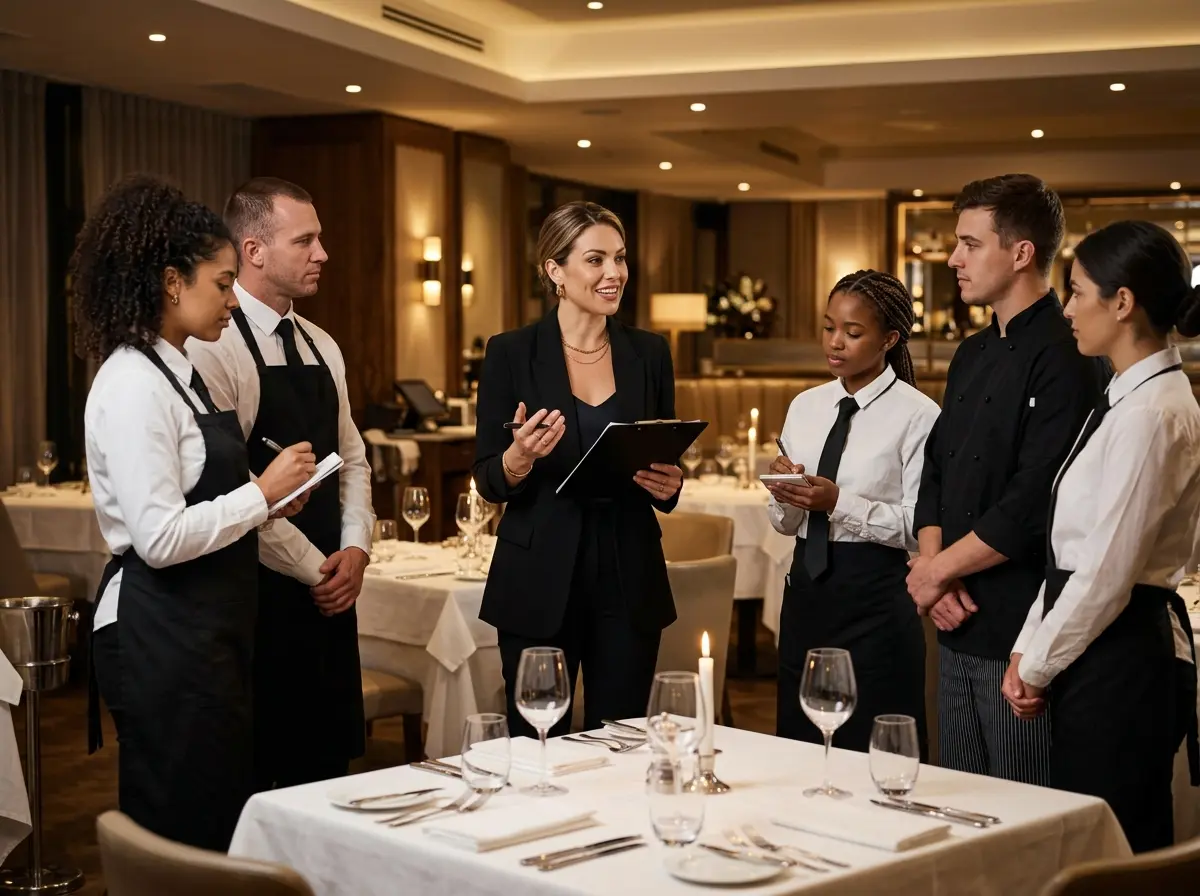
Picture this: It's 6:45 PM on a Friday. Your kitchen is firing on all cylinders, your dining room is packed, your staff is moving at warp speed, and somewhere in the middle of all that beautiful, profitable chaos — your phone rings. And rings. And rings again. The host is already seating a party of eight. Your manager is handling a table complaint. And whoever is supposed to answer that phone is currently buried under a stack of to-go orders that weren't there five minutes ago.
Sound familiar? If you run a restaurant, this isn't a hypothetical. This is Tuesday. This is every Friday night. This is the reality of managing call volume during rush hour — and it's one of the most overlooked operational headaches in the food service industry.
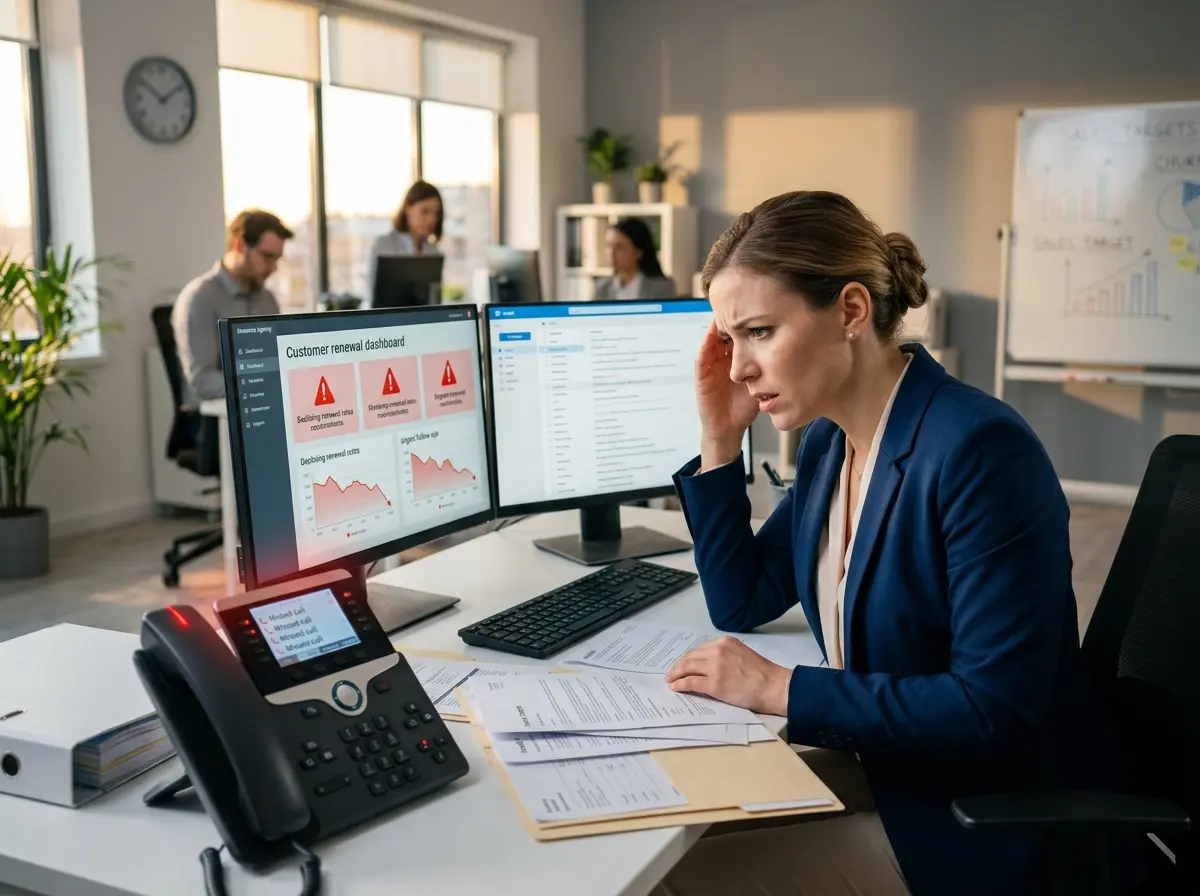
Here's the uncomfortable truth: missed calls cost you money. According to research from BIA/Kelsey, over 60% of customers prefer to call a business before visiting, and in the restaurant industry, that number skews even higher for reservations, large party inquiries, and catering orders. When those calls go unanswered — or get answered by a frazzled team member who can barely hear over the noise — you're not just losing a phone call. You're losing a table, a catering contract, or a loyal customer who just decided to try the place down the street.
The good news? Managing rush-hour call volume is a solvable problem. It just requires the right systems, the right mindset, and maybe a little help from technology that doesn't need a break every two hours.
Understanding the Rush Hour Phone Problem
Why Calls Spike Exactly When You Can Least Handle Them
There's a cruel irony baked into the restaurant business: the times when customers are most likely to call are the exact same times when your staff is least able to answer. Lunch rushes hit between 11:30 AM and 1:00 PM — right when your front-of-house team is at maximum capacity. Dinner service peaks between 6:00 and 8:00 PM on weekdays, and even earlier on weekends. Holiday periods and special events only amplify the chaos.
The calls during these windows aren't trivial, either. Customers are calling to make reservations, ask about wait times, inquire about menu items for dietary restrictions, place to-go orders, or confirm large party bookings. These are revenue-generating conversations — and they require actual answers, not a voicemail box that gets checked sometime after closing.
The Hidden Costs of Mismanaged Call Volume
Most restaurant owners think of a missed call as a minor inconvenience. In reality, it's a compounding problem. Consider the full picture:
- Lost reservations: A customer who can't get through will simply book elsewhere — or worse, leave a one-star review about your "terrible customer service" before they've even set foot inside.
- Staff distraction: Every time a team member stops what they're doing to answer a call, they lose focus on the guests in front of them. That ripple effect touches service quality, ticket times, and table turnover.
- Inconsistent information: When anyone and everyone answers the phone during a rush, customers get inconsistent answers about specials, hours, policies, and availability. That's a brand problem.
- Employee burnout: Being pulled in twelve directions during a dinner rush is exhausting. Add a constantly ringing phone to the mix and you've got a recipe for high turnover — and turnover is expensive.
Mapping Your Call Traffic: Know Before You Manage
Before you can fix the problem, you need to understand it. Start by pulling your call logs — most phone systems and VoIP providers offer basic reporting — and identify your peak call windows. Look for patterns across days of the week, times of day, and seasonal fluctuations. If you run specials on Wednesdays or host live music on weekends, expect call spikes around those events.
Once you know when the calls are coming, you can make informed decisions about staffing, call routing, and automation. Managing call volume without this data is like scheduling kitchen staff without knowing your reservation count. You're just guessing.
How Smart Technology Can Take the Pressure Off
Automation Isn't Cheating — It's Smart Operations
There's a lingering reluctance in the restaurant industry to embrace automation, particularly when it comes to customer-facing interactions. The concern is understandable: hospitality is a human business, and the last thing you want is for a customer to feel like they're talking to a corporate phone tree at 7:00 PM on a Saturday.
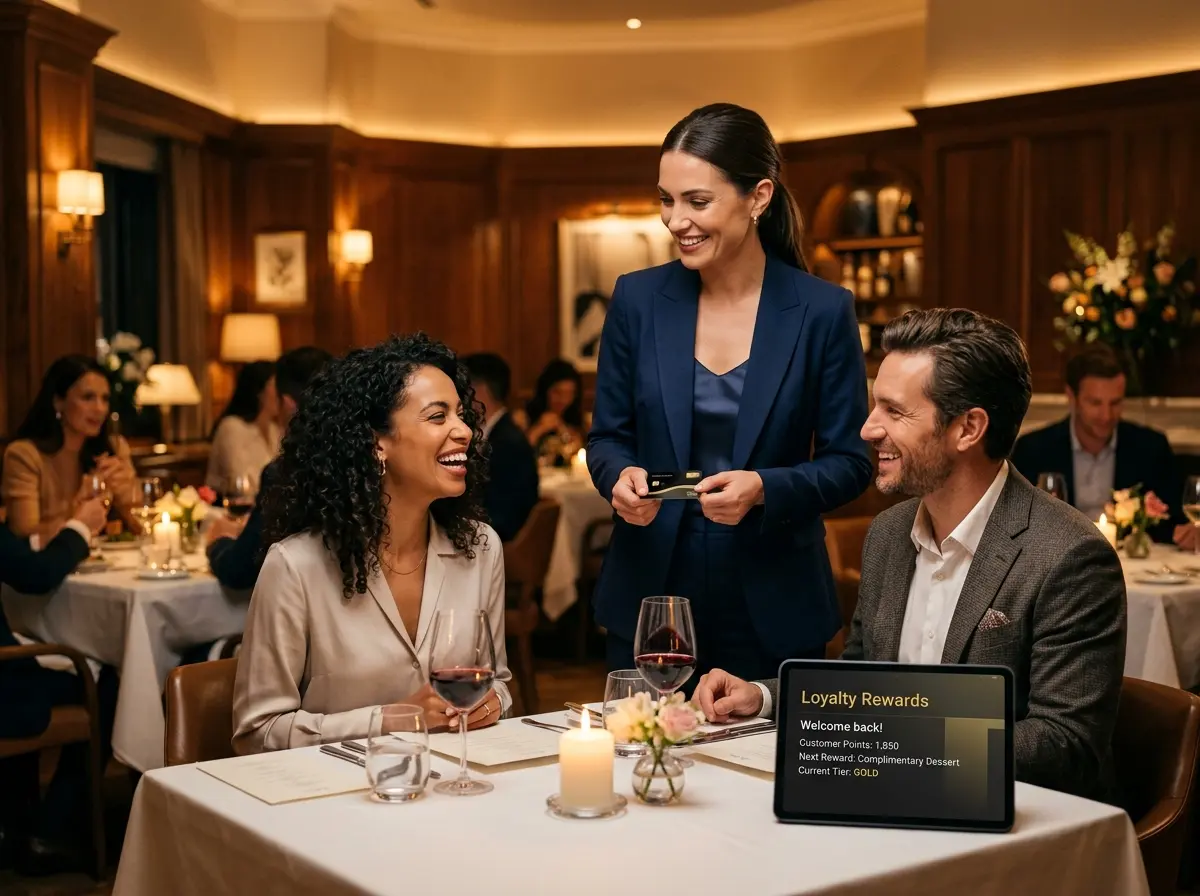
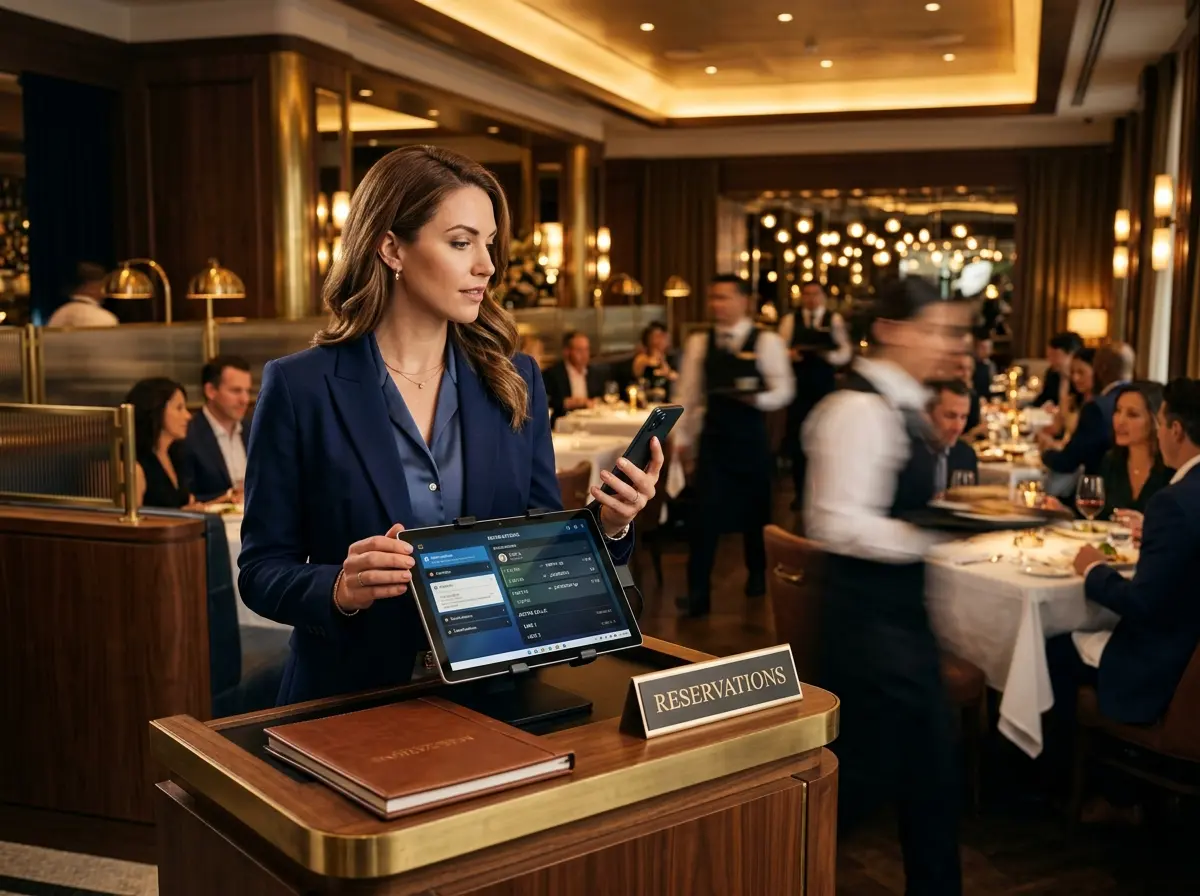
But modern AI phone technology has come a long way from "Press 1 for hours, Press 2 to repeat this menu." Tools like Stella — an AI robot employee and phone receptionist designed for businesses like yours — can answer incoming calls naturally and conversationally, provide accurate information about your menu, hours, specials, and policies, and even collect reservation details or to-go order information through conversational intake forms. For restaurants with a physical location, Stella also operates as an in-store kiosk, greeting walk-in customers and engaging them proactively while your team focuses on service. Her built-in CRM captures customer information, logs interactions, and gives you a clearer picture of what your customers are actually asking about — which is useful data for any restaurant owner trying to optimize operations.
The result is a system that handles routine, high-volume calls during rush hour without pulling a single human staff member away from the floor — and without making your customers feel like they've been sent to voicemail purgatory.
Practical Strategies for Managing Rush Hour Calls
Build a Call Handling Protocol (Before You Need It)
One of the most actionable things you can do right now — before tonight's dinner rush — is create a written call handling protocol for your team. This doesn't need to be complicated. It just needs to exist. Define who is responsible for answering the phone during each daypart, what to do when that person is unavailable, and what information staff should always be able to provide without escalating.
For example: during peak hours, designate one person as the "phone point" whose primary responsibility is call handling, not table management or food running. Yes, this means dedicating a resource to calls — but the alternative is dedicating zero resources and losing orders. Also establish a script for common questions: current wait time, tonight's specials, large party policy, and directions. Consistency matters more than perfection.
Use Call Routing and Voicemail Intelligently
Not all calls need to be answered immediately by a human. Some calls — like requests for your hours or questions about parking — can be handled with smart routing or a well-designed automated response. Others, like a catering inquiry from a corporate client, absolutely warrant a callback from a manager.
Set up your phone system to distinguish between these scenarios. If you're using an AI receptionist, configure it to forward calls to a human under specific conditions — say, if the caller mentions a complaint, a large party inquiry above a certain size, or a time-sensitive issue. For everything else, let the system handle it. Voicemail shouldn't be a dead end, either. AI-generated voicemail summaries (rather than raw audio files no one listens to) make it dramatically more likely that messages actually get returned.
Train for the Rush, Not Just the Slow Season
Most restaurant training happens during onboarding, when the new hire is shadowing during a slow Tuesday lunch. That means your team learns to handle calls in a relaxed environment — and then gets thrown into Friday night without a safety net. Change this. Run training scenarios specifically during or simulating peak hours. Role-play common call types with background noise. Time how long it takes to handle a reservation call while simultaneously managing a host stand.
The goal isn't to make your team faster — it's to make them more confident and consistent under pressure. A well-trained team member who knows exactly what to say during a rush call can handle it in under 90 seconds and get back to the floor. An unprepared one will fumble, put the caller on hold, and eventually deliver wrong information anyway.
Quick Reminder About Stella
Stella is an AI robot employee and phone receptionist built to support businesses exactly like yours — answering calls 24/7, greeting in-store customers at the kiosk, and handling the routine questions that eat up your team's time during a rush. At $99/month with no upfront hardware costs and an easy setup, she's the kind of hire that never calls in sick, never needs a break, and never puts a customer on hold because the dining room just got slammed.
Take Control of Your Phones Before They Control You
The ringing phone during rush hour doesn't have to be your restaurant's white whale. With the right data, a clear protocol, intelligent call routing, and technology that actually works the way modern customers expect, you can transform your phone management from a source of daily stress into a genuine competitive advantage.
Here's where to start this week:
- Pull your call logs and identify your top three peak call windows by day of the week.
- Designate a phone point person for each peak daypart and write it into the schedule explicitly.
- Create a one-page script for your five most common phone inquiries and post it at the host stand.
- Evaluate your current phone system for call routing and voicemail capabilities — if it's lacking, it's time to upgrade.
- Explore AI phone receptionist options to handle volume overflow during rushes so your human team can stay focused on in-person hospitality.
Your restaurant deserves a phone strategy as well-thought-out as your menu. Because the customer who can't get through to make a reservation doesn't know that you were slammed. They just know you didn't answer. And in this business, that's often the whole story they need to walk away and not come back.
Don't let a ringing phone write the end of that story for you.