So You Want to Open a Restaurant — Have You Done the Math Yet?
Congratulations! You've got a killer concept, a passion for food, and approximately 47 friends who've told you that you should "totally open a restaurant." What could go wrong? Well, quite a bit, actually — and most of it can be traced back to one thing: not knowing your numbers before the doors open.
Here's a sobering stat to go with your morning coffee: roughly 60% of restaurants fail within their first year, and nearly 80% close within five years. The reasons vary, but a recurring theme is that owners underestimated costs, overestimated revenue, and had no real roadmap for when — or whether — they'd ever make money. That's where break-even analysis comes in. It's not glamorous. It's not Instagram-worthy. But it might just be the most important spreadsheet you ever open.
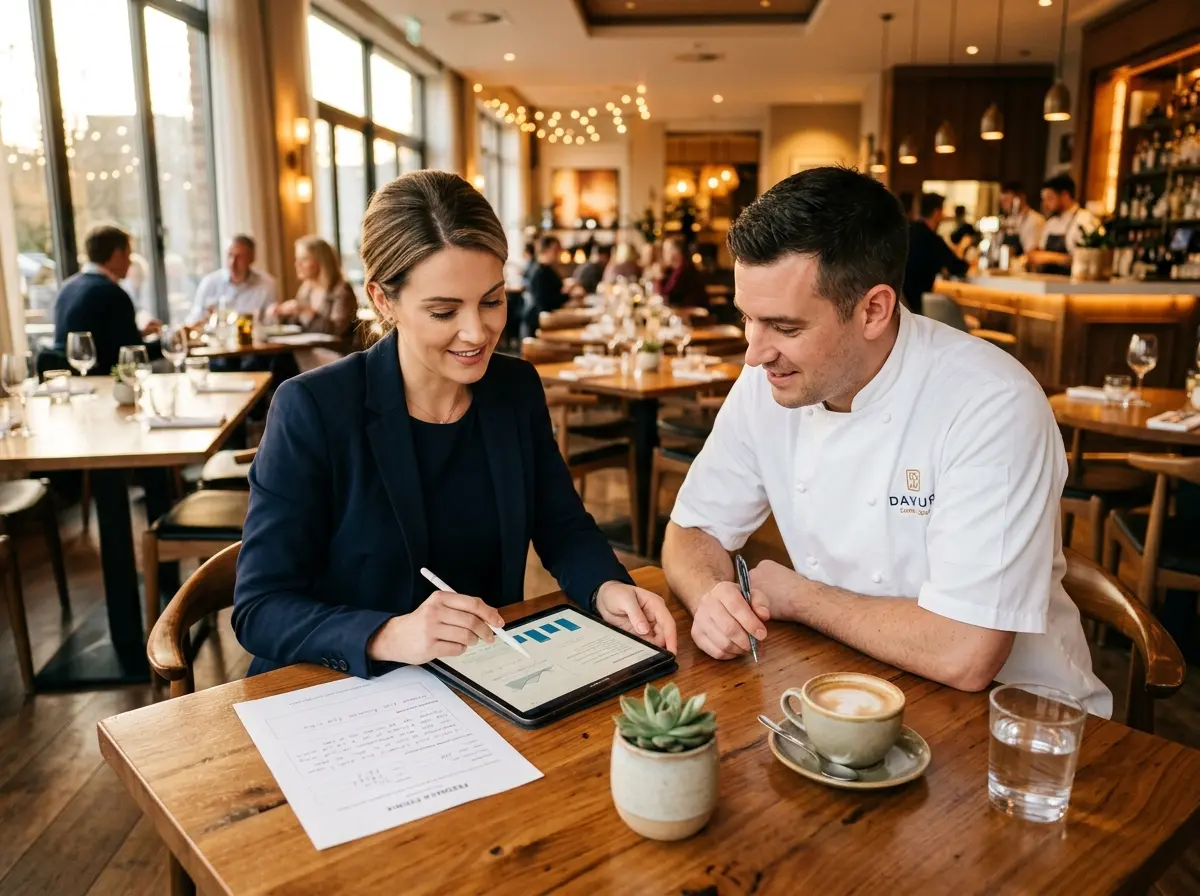
A break-even analysis tells you exactly how much revenue you need to cover all your costs — the point at which you stop losing money and start (theoretically) making it. For a new restaurant owner, completing this analysis before signing a lease, hiring staff, or ordering a single piece of equipment isn't just smart — it's survival.
Understanding Your Costs: Fixed, Variable, and the Ones That Surprise You
Before you can calculate a break-even point, you need a thorough understanding of what it actually costs to run your restaurant. Costs fall into two primary categories, and knowing the difference is critical to building an accurate analysis.
Fixed Costs: The Bills That Show Up Whether You're Busy or Not
Fixed costs are expenses that remain relatively constant regardless of how many covers you do in a night. These are the costs that will haunt you on slow Tuesdays and empty holiday weekends. Common fixed costs for a restaurant include:
- Rent or mortgage payments on your space
- Insurance (general liability, property, workers' comp)
- Salaried staff and management salaries
- Loan repayments on equipment or buildout financing
- Utilities base rates and internet/phone service
- POS system subscriptions and software fees
- Marketing retainers or agency fees
Add these up honestly. Don't round down. Don't forget the quarterly insurance premium just because it's not monthly. Fixed costs have a nasty habit of being higher than owners initially estimate — often by 15–25%.
Variable Costs: The Numbers That Move With Your Volume
Variable costs fluctuate based on how much business you're doing. The more guests you serve, the higher these costs climb. In restaurants, the two biggest variable costs are food cost and labor cost.
A healthy restaurant typically targets a food cost percentage of 28–35% of revenue and a labor cost of 25–35%. Together, these two line items — sometimes called "prime cost" — should ideally stay below 60–65% of total revenue. If your prime cost creeps above that threshold, profitability becomes extremely difficult regardless of how busy you are.
Variable costs also include credit card processing fees, to-go packaging, cleaning supplies, and hourly wages tied directly to volume. Every menu item you sell has a variable cost attached to it. Know it. Track it. Own it.
The Sneaky Third Category: Semi-Variable Costs
Then there are the costs that don't fit neatly into either box. Semi-variable costs have a fixed base but increase with volume — think utilities (you'll pay something no matter what, but a packed Friday night drives energy usage up) or hourly staff who get called in when reservations spike. These are easy to underestimate in a break-even model, so build in a buffer of at least 10% for semi-variable line items when doing your projections.
Calculating Your Break-Even Point and What It Actually Means
The Formula — Simpler Than It Sounds
The classic break-even formula is straightforward: Break-Even Point = Fixed Costs ÷ Contribution Margin Ratio. Your contribution margin ratio is calculated as (Revenue – Variable Costs) ÷ Revenue. In plain English, it tells you what percentage of each dollar of revenue is left after covering variable costs — and therefore available to cover fixed costs and eventually generate profit.
For example, if your restaurant has $25,000 in monthly fixed costs and your contribution margin ratio is 40% (meaning 40 cents of every revenue dollar goes toward fixed costs after variable costs are covered), your break-even revenue target is $62,500 per month. That's how much you need to bring in just to break even — not to pay yourself, not to invest in growth, not to have a good month. Just to keep the lights on.
Translate that into covers. If your average check is $22, you need roughly 2,841 covers per month — or about 95 guests per day assuming a 30-day month. Is that realistic for your location, seating capacity, and hours? That's the question the break-even analysis forces you to answer before you're already in the lease.
Using Technology to Reduce Costs and Stay Lean
Where Smart Tools Pay for Themselves
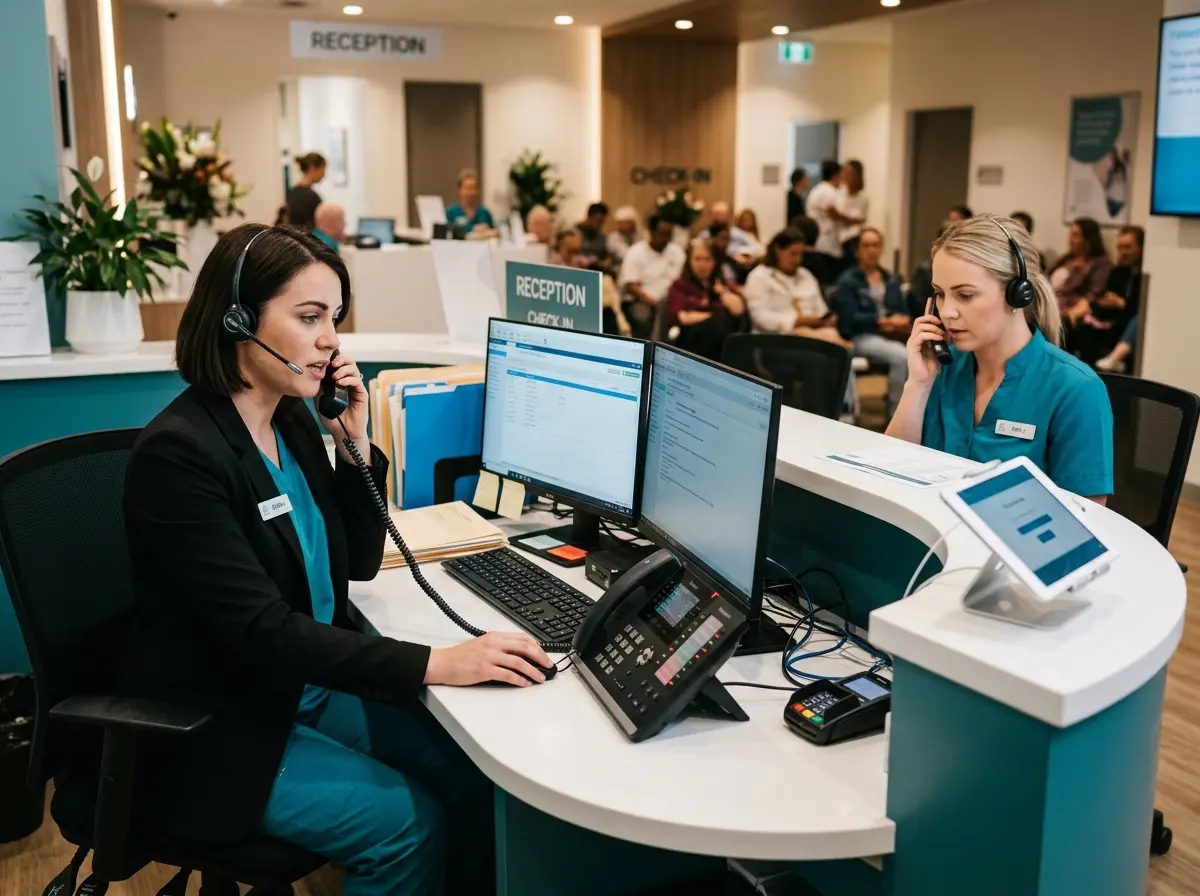
One of the most overlooked areas where new restaurant owners bleed money is in staffing inefficiency. You hire someone to answer phones, take reservations, answer the same five questions about hours and the gluten-free menu, and greet walk-ins — and that person costs you $15–$18 per hour, every hour they're scheduled. As you're working through your break-even projections, it's worth asking: which of those functions could be handled more efficiently?
That's where Stella can make a real difference for a new restaurant. Stella is an AI robot employee and phone receptionist that greets customers as they walk in, answers questions about your menu, hours, specials, and policies, and handles incoming phone calls 24/7 — all for a flat $99/month with no hardware costs. For a restaurant carefully managing its fixed cost structure, that's a line item that earns its place on the spreadsheet. She can also upsell and cross-sell — recommending add-ons, promoting daily specials, or highlighting a featured dessert — which directly supports your average check value and contributes to a healthier contribution margin.
Stress-Testing Your Numbers Before You Commit
Run Best Case, Worst Case, and Realistic Case Scenarios
A single break-even calculation is useful. Three scenarios are better. Before you sign anything, model out what your financials look like under different assumptions. Your best case scenario assumes strong early traffic, solid word-of-mouth, and favorable food costs. Your worst case scenario accounts for a slow opening month, a few bad reviews, a supply chain hiccup that drives up food costs, and higher-than-expected labor needs. Your realistic case lands somewhere in between — and that's probably the one you should make decisions based on.
Pay particular attention to your break-even timeline, not just the monthly number. How many months of operating at a loss can your capital reserves sustain? Most financial advisors recommend that new restaurant owners have 6–12 months of operating reserves beyond their buildout and opening costs. If your break-even analysis shows you'd need 18 months to reach profitability in a realistic scenario, that's critical information to have before you're holding a ribbon and a pair of oversized scissors.
Revisit the Analysis Every Quarter After Opening
Break-even analysis isn't a one-time exercise you complete and file away. Costs change. Your menu evolves. Staffing levels shift. Rent escalation clauses kick in. Revisiting your break-even model quarterly — especially during your first year — helps you catch cost creep early, adjust pricing if necessary, and make informed decisions about expansion, hours, or staffing. The restaurants that survive aren't always the ones with the best food. They're often the ones with the most disciplined operators watching the numbers.
Price Your Menu With Purpose
Your break-even analysis should directly inform your menu pricing. If the math tells you that your average check needs to be $28 to hit your break-even targets at a realistic cover count, then pricing your menu around a $19 average check isn't a positioning decision — it's a financial problem waiting to happen. Use your contribution margin targets to work backward through pricing, and make sure your best-selling items are also your most profitable ones. If they're not, that's a menu engineering conversation worth having before opening day.
Quick Reminder About Stella
Stella is an AI robot employee and phone receptionist designed to help businesses — including restaurants — deliver a professional, consistent customer experience without adding to their labor cost burden. She greets guests in person at a kiosk, answers phone calls around the clock, promotes specials, handles FAQs, and keeps your team focused on the work that actually requires a human. At $99/month with no upfront hardware costs, she's built to fit the budget of a business that's watching every line item — which, if you've read this far, is hopefully all of you.
Open With Your Eyes Open
The restaurant industry is hard. It's relentlessly competitive, margin-thin, and full of variables you can't fully control. But completing a thorough break-even analysis before you open is one of the most powerful things you can do to tilt the odds in your favor. It forces clarity. It exposes assumptions. And it tells you — with math, not hope — whether your concept has a viable path to profitability.
Here's what to do next:
- List every fixed cost you can identify and be honest about the total.
- Estimate your variable cost percentages using industry benchmarks as a starting point.
- Calculate your contribution margin ratio and plug it into the break-even formula.
- Translate your break-even revenue into a daily cover count and ask yourself whether it's achievable.
- Run three scenarios — best, worst, and realistic — and make sure you have the reserves to weather the worst.
- Price your menu accordingly and revisit the model every quarter after opening.
The best time to do this analysis was before you fell in love with a location. The second best time is right now. Go open that spreadsheet — your future self (and your accountant) will thank you.