The One-Time Customer Problem (And Why It's Costing You More Than You Think)
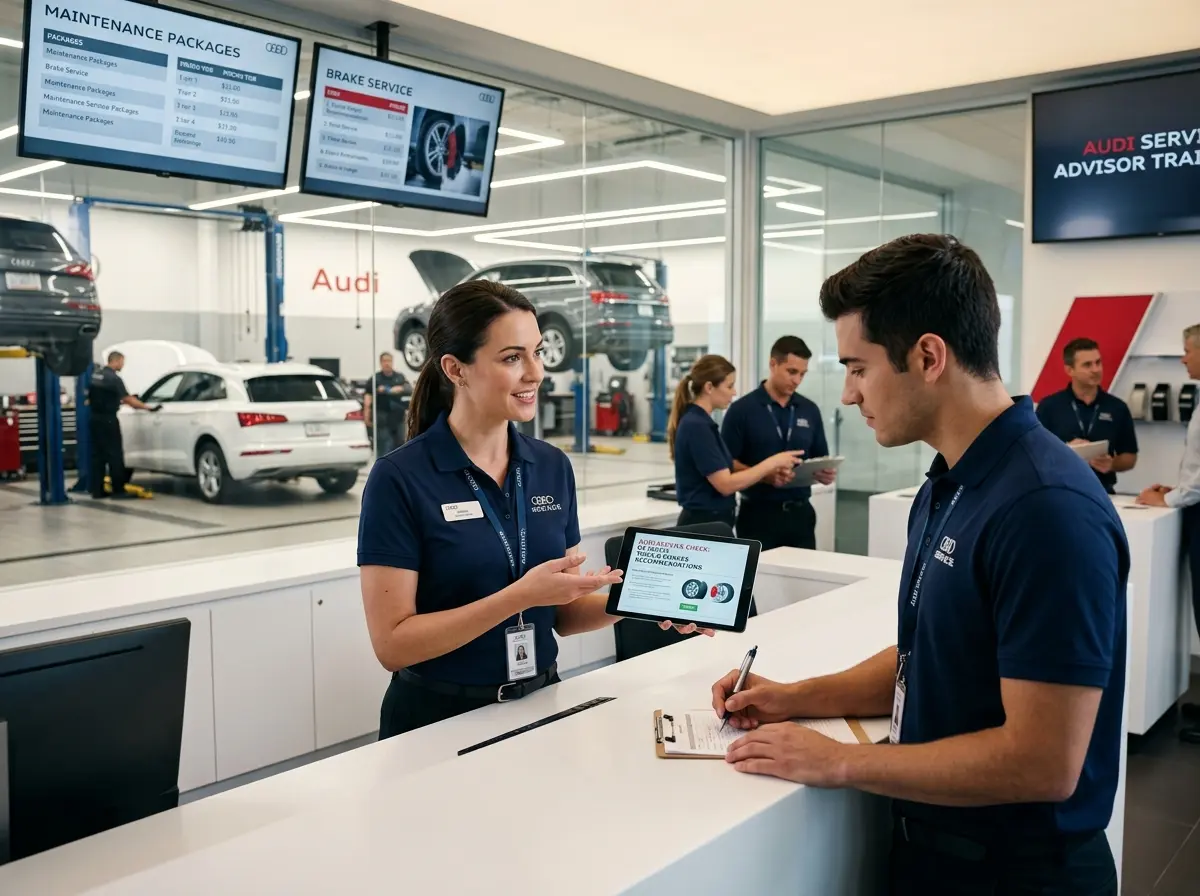
Let's paint a familiar picture: A customer pulls into your auto shop with a check engine light screaming at them. You diagnose it, fix it, charge a fair price, and send them on their way with a smile. They leave happy. You feel good. And then... you never see them again. They end up at the dealership across town six months later for an oil change, and your shop becomes nothing more than a faded memory sandwiched between their car troubles and their Netflix queue.
Sound familiar? You're not alone. The automotive service industry has one of the lowest customer retention rates of any service business, with studies suggesting that the average auto shop retains fewer than 30% of first-time customers. That's not just a missed opportunity — that's a slow leak in your revenue tank that no amount of new customer acquisition can fully offset.
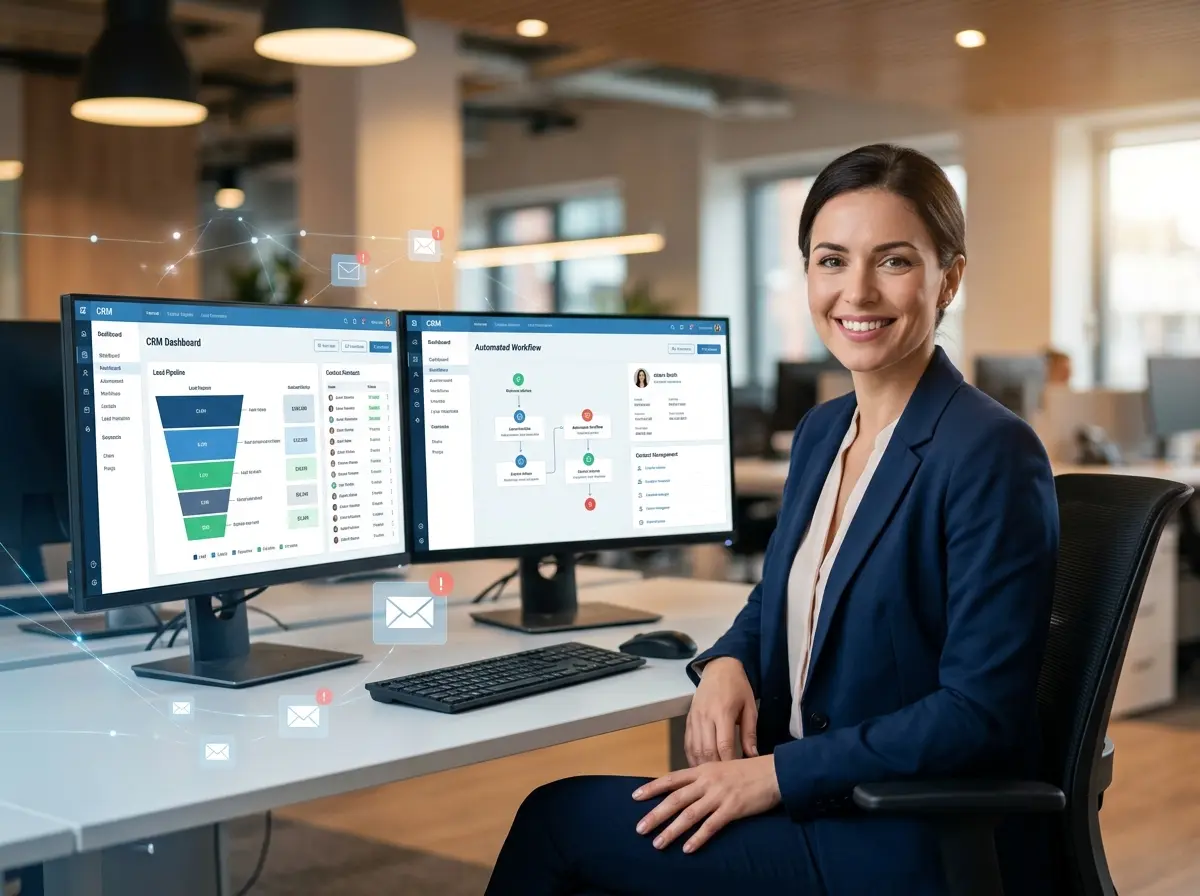
Here's the good news: a Customer Relationship Management (CRM) system can change all of that. CRM isn't just corporate jargon for "fancy spreadsheet." When used properly, it's the difference between a forgettable transaction and a lasting business relationship. Let's talk about how your auto shop can use CRM to turn drive-by customers into loyal advocates who refer their friends, their family, and possibly even their enemies (hey, car trouble doesn't discriminate).
Building the Foundation: What CRM Actually Does for Auto Shops
It Remembers Everything So You Don't Have To
Think of a CRM as your shop's institutional memory. Every customer who walks through your door has a story — their vehicle history, their preferred service advisor, their tendency to say "just do the minimum" even when their brake pads are basically dust. A good CRM captures all of it. When Mrs. Henderson calls in April asking about her brakes, your team can pull up her profile and immediately see that she was in eight months ago for an oil change, drives a 2019 Honda CR-V, and mentioned she has a long commute. That context transforms a generic service call into a personalized conversation — and personalized service is what keeps people coming back.
CRM data fields for auto shops should include vehicle year, make, model, VIN, service history, customer communication preferences, and any notes from previous interactions. The more context you have, the better equipped your team is to provide service that feels tailored rather than transactional.
Segmentation: Talking to the Right Customers at the Right Time
Not every customer needs the same message. Someone who came in for a tire rotation six months ago probably needs a different nudge than someone who just had major engine work done last week. CRM segmentation allows you to group customers by tags, service history, vehicle type, or last visit date — and then communicate with each group in a way that's actually relevant to them.
For example, you could create a segment for customers who haven't visited in over six months and send them a "We miss you" campaign with a discount on their next oil change. Or tag all customers with vehicles over 100,000 miles and proactively reach out about transmission service. This kind of targeted outreach feels helpful rather than spammy, which is a meaningful distinction when your customers' inboxes are already overflowing.
Automated Follow-Ups That Don't Feel Robotic
One of the most powerful (and underused) features of a CRM is automated follow-up. After a service appointment, a simple automated message — "Hey, just checking in to make sure everything is running smoothly after your visit" — can make an enormous impression. It signals that you actually care about the outcome, not just the invoice. Add a gentle reminder about upcoming maintenance milestones, and you've turned a one-time visit into the beginning of an ongoing relationship without lifting a finger.
The key is making these automations feel human. Use the customer's name. Reference their specific vehicle or service. Keep the tone warm and conversational. Nobody wants to feel like they're receiving a form letter — even when, technically, they kind of are.
How Stella Can Help You Capture and Manage Customer Data Effortlessly
From First Contact to Fully-Formed Customer Profile
Here's the dirty secret about CRM systems: they only work if you actually have good data in them. And collecting that data consistently — especially when your service advisors are juggling three customers, two phone calls, and a mechanic asking a question — is easier said than done. This is where Stella, the AI robot employee and phone receptionist, genuinely earns her keep.
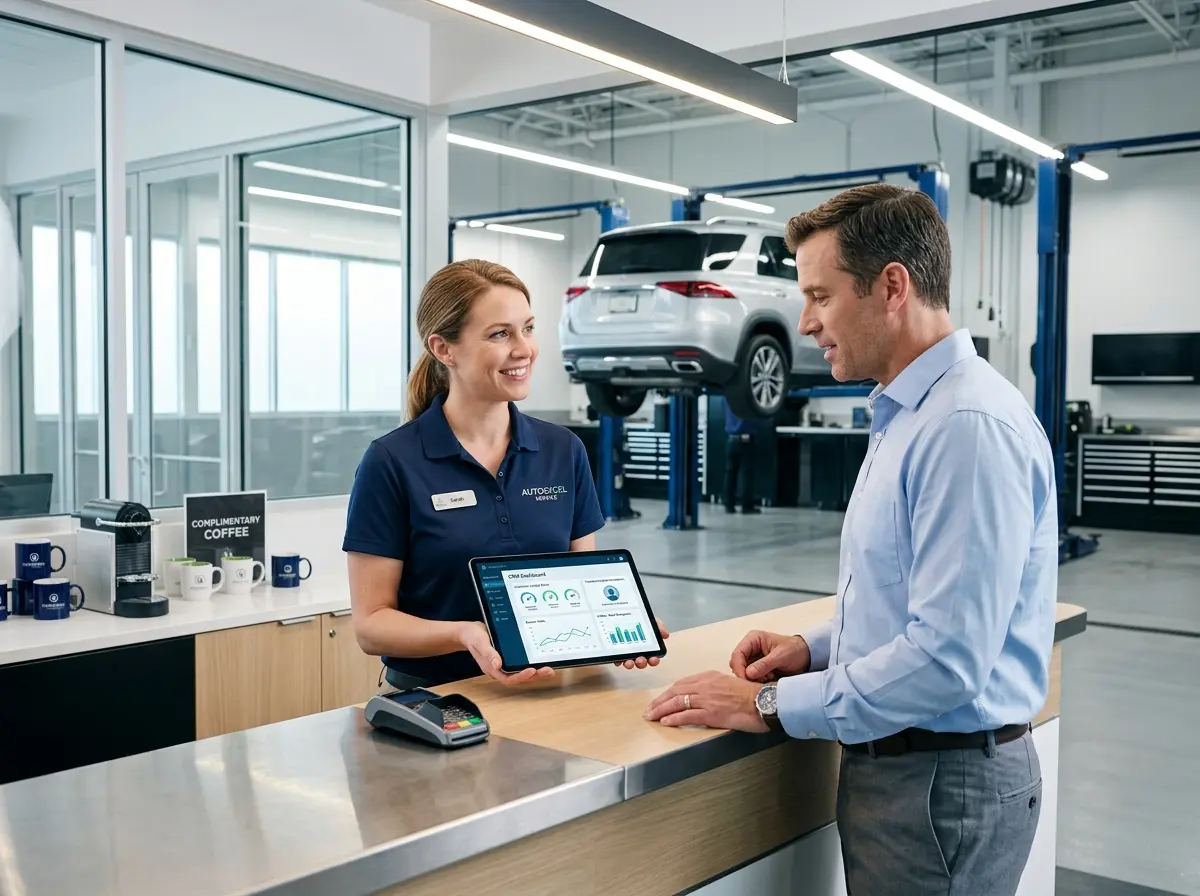
Stella greets customers at the kiosk when they walk in and can collect intake information conversationally — no clipboards, no awkward "can you spell your last name again?" moments. On the phone side, she answers calls 24/7 and gathers customer details through AI-powered intake forms, then pushes that information directly into her built-in CRM. Custom fields, tags, notes, and AI-generated customer profiles mean your team starts every interaction already knowing who they're dealing with. She also captures voicemails with AI-generated summaries so no lead ever slips through the cracks — even at 11 PM when everyone has sensibly gone home.
Loyalty, Retention, and the Art of Making Customers Feel Like VIPs
Creating a Loyalty Program That Actually Motivates People
Loyalty programs in the auto industry get a bad rap because most of them are poorly designed — a punch card that customers lose immediately, or a vague promise of "points" that never seem to add up to anything meaningful. A CRM-backed loyalty program is different because it ties rewards directly to verifiable service history and communicates progress automatically.
Consider a tiered system: customers who reach a certain spend threshold annually get priority scheduling, a free multi-point inspection, or a discount on their next service. The CRM tracks the spending, triggers the reward notification, and makes the customer feel genuinely recognized. That moment of "Hey, you've been a valued customer this year, here's something for it" is worth more in goodwill than almost any advertising spend you could make. People don't just remember good deals — they remember feeling appreciated.
Proactive Maintenance Reminders That Build Trust Over Time
The most successful auto shops shift their relationship with customers from reactive to proactive. Rather than waiting for the check engine light to bring people back, they use CRM data to anticipate needs and reach out before problems arise. Oil change due in 500 miles? Send a reminder. Cabin air filter hasn't been replaced in two years? Flag it. Tires were noted as borderline during the last visit? Follow up before winter hits.
This proactive approach does two important things simultaneously: it keeps your bays filled with predictable, scheduled work, and it positions your shop as a trusted advisor rather than just a service vendor. Customers who feel like their mechanic is looking out for them don't comparison shop — they just show up. That's the kind of loyalty that makes your monthly revenue a lot more predictable and your stress levels a lot more manageable.
Turning Happy Customers Into Your Best Marketing Channel
Your most satisfied customers are sitting on a goldmine of referral potential that most shops never tap. A CRM makes it easy to identify your happiest, most engaged customers — the ones who come in regularly, spend consistently, and leave positive reviews — and then invite them to participate in a referral program. When someone with an established relationship vouches for your shop to their coworker, that recommendation carries infinitely more weight than any Google ad.
Use your CRM to automate a post-service message to high-satisfaction customers asking for a Google or Yelp review. Set a threshold — say, after their third visit — to trigger an invitation to your referral program. Track who refers whom, and reward it. This closes the loop between customer retention and new customer acquisition, which means your marketing budget starts working smarter rather than just harder.
A Quick Reminder About Stella
Stella is an AI robot employee and phone receptionist designed to help businesses like auto shops stay on top of customer interactions without adding headcount. She greets customers in-store at her kiosk, answers phones around the clock, manages CRM data automatically, and keeps your team informed — all for $99/month with no upfront hardware costs. If your shop struggles with consistent data collection, missed calls, or just keeping up with customer follow-up, she's worth a serious look.
Start Small, Stay Consistent, and Watch It Compound
Transforming one-time visitors into lifelong customers doesn't happen overnight, and it doesn't require a massive overhaul of the way you do business. It requires consistency, the right tools, and a genuine commitment to treating every customer interaction as the beginning of a relationship rather than the end of a transaction.
Here's a practical starting point for auto shop owners ready to put CRM to work:
- Audit your current data collection process. Are you capturing names, contact info, and vehicle details for every customer? If not, start there before anything else.
- Set up automated follow-ups for post-service check-ins. Even a simple "How's the car running?" message two days after service makes a measurable difference in perceived quality.
- Create at least two customer segments — one for lapsed customers (no visit in 6+ months) and one for loyal regulars — and tailor your messaging accordingly.
- Build a proactive maintenance reminder workflow based on service history and vehicle mileage data.
- Identify your top 10% of customers and give them a reason to refer others to your shop.
The auto repair industry runs on trust. Customers who trust their mechanic don't shop around — they schedule, they refer, and they come back for decades. CRM is simply the system that makes building that trust scalable and sustainable. Stop letting valuable customer relationships slip through the cracks because of a missed follow-up or a forgotten phone call. Your lifelong customers are already walking through your door. It's just a matter of giving them a reason to walk back through it.