Who Needs Points? The Loyalty Strategy Small Businesses Are Sleeping On
Let's talk about loyalty programs for a moment. You know the ones — those little punch cards sitting at the bottom of your customers' wallets, sandwiched between a expired coupon and a receipt from 2019. Or maybe you've been eyeing one of those fancy digital points platforms that promises the world and charges accordingly. Here's a thought: what if the most powerful loyalty strategy for your small independent business has nothing to do with points, stamps, or app downloads?
The truth is, customers return to businesses that make them feel seen, valued, and genuinely welcomed — not necessarily to businesses that owe them a free coffee after their twelfth purchase. For small independent businesses competing against big-box retailers with massive loyalty budgets, the real competitive advantage isn't out-rewarding the giants. It's out-connecting them. This post is about exactly how to do that.
Why Traditional Points Programs Often Miss the Mark for Small Businesses
The Hidden Cost Nobody Talks About
Points programs sound great in theory. Reward customers, build habits, drive repeat visits. In practice, however, small business owners often discover that the economics are quietly brutal. You're essentially giving away a percentage of every transaction in the hope that customers will return often enough to make it worthwhile — and many won't. Studies have shown that over 50% of loyalty program members never redeem their rewards, which means you've built a system that's either costing you money or not delivering the emotional payoff customers actually want. Neither outcome is particularly thrilling.
Beyond the financial math, there's the operational overhead: tracking points, managing redemptions, handling customer complaints when the app crashes, and explaining to your busiest employee why the loyalty software isn't syncing again. For a lean small business team, that's real time and real energy going toward something that may not be moving the needle.
What Customers Actually Want From a "Loyal" Relationship
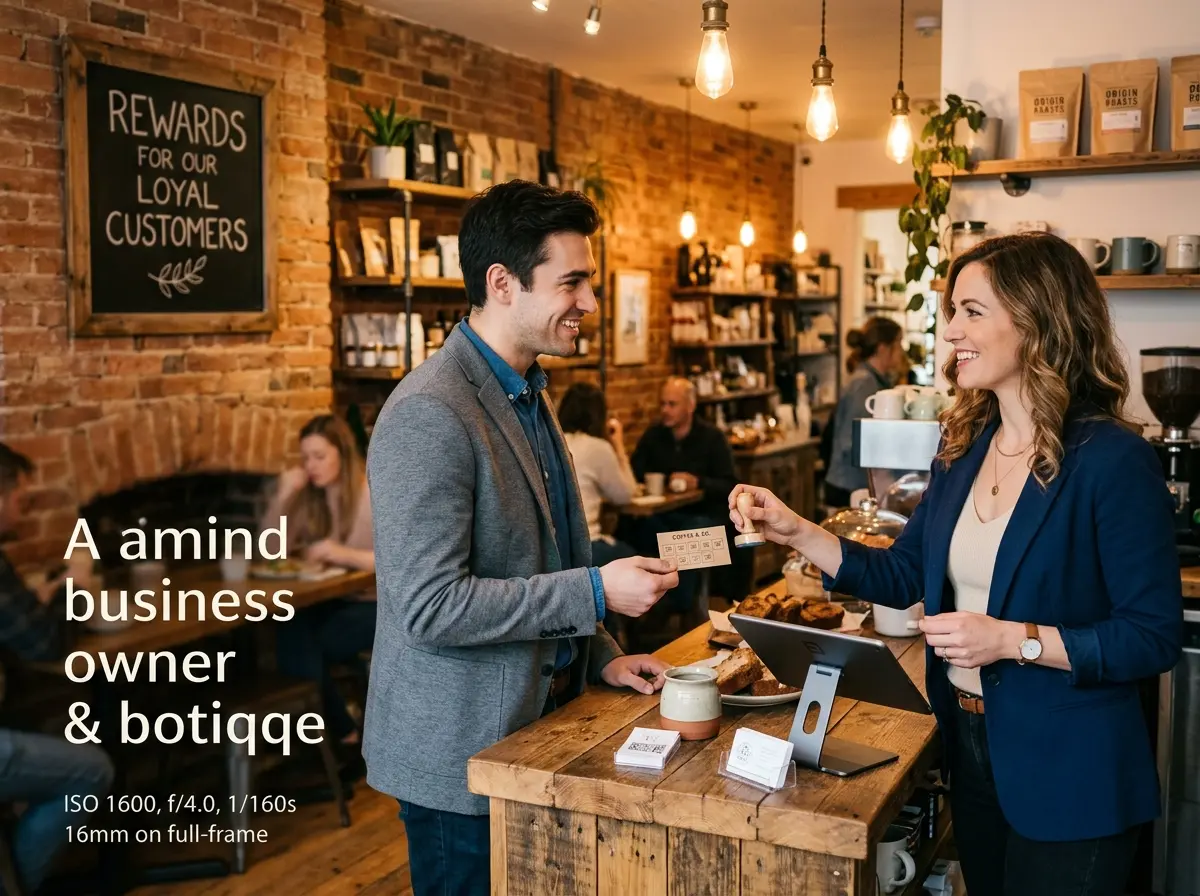
Research from Harvard Business Review and numerous consumer studies points to the same conclusion: customers are loyal to experiences, not reward structures. The neighborhood coffee shop doesn't keep regulars coming back because of a stamp card — it keeps them coming back because the barista remembers their order, the atmosphere is right, and they feel like a regular rather than a transaction. That's the magic small businesses are uniquely positioned to deliver, and it costs far less than a points platform.
What customers genuinely value includes being recognized, having their questions answered quickly, feeling like the business actually knows and cares about them, and receiving relevant recommendations — not generic ones. These aren't perks a points program can manufacture. They come from intentional relationship-building, which is something small businesses can absolutely nail.
Building a Points-Free Loyalty Strategy That Actually Works
Know Your Customers by Name (Or at Least by Profile)
The foundation of any real loyalty strategy is knowing who your customers are. Not in a creepy way — in a genuinely helpful, "we remember that you mentioned you prefer the mild roast" kind of way. This starts with collecting the right information and actually using it. Build customer profiles that go beyond a name and email address. Note preferences, purchase history, special occasions, or anything that helps your team personalize the next interaction.
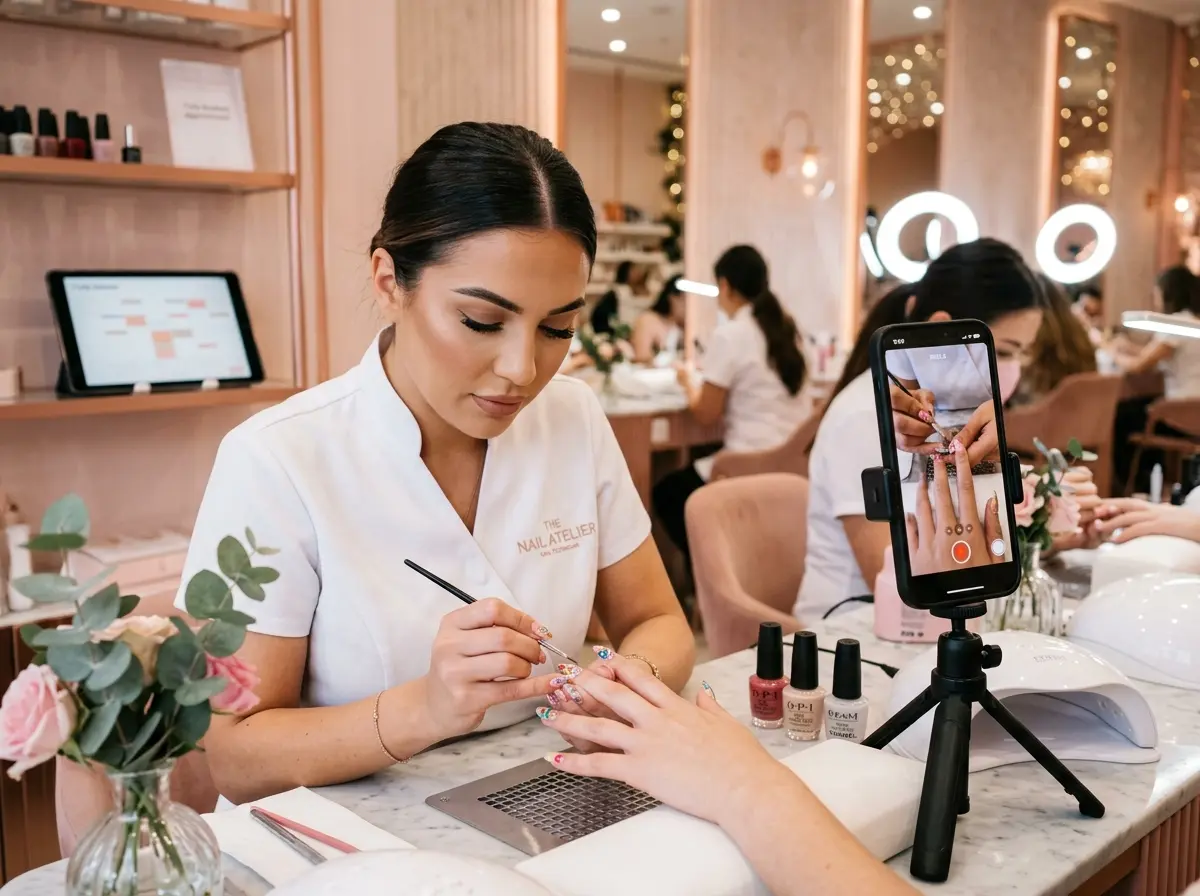
Small businesses that do this well create an experience big chains simply cannot replicate at scale. When a customer walks into your salon and your team already knows they have a standing preference for a specific stylist and are allergic to a certain product — that's loyalty-building gold. No app required.
Proactive Communication That Feels Personal, Not Promotional
There's a meaningful difference between blasting a generic promotional email to your entire customer list and reaching out to a specific customer because something genuinely relevant to them is happening at your business. The first feels like noise. The second feels like a relationship. Segment your customers based on what you know about them and communicate accordingly. A gym notifying a customer about a new class that fits their stated schedule is valuable. A spa reminding a client that it's been three months since their last appointment — and offering a specific service they've enjoyed before — is personal. That kind of outreach builds genuine loyalty because it demonstrates that you were actually paying attention.
Surprise and Delight (Without Bankrupting Yourself)
One of the most underrated loyalty tactics is the unexpected gesture. Not a points multiplier — an actual human (or well-orchestrated) moment of generosity. This could be a complimentary add-on during a service, a handwritten thank-you note with an order, an early heads-up about a promotion before it goes public, or simply a staff member going out of their way to solve a problem without being asked. These moments are disproportionately memorable compared to their cost. A customer who receives an unexpected thoughtful gesture is far more likely to tell someone about it than a customer who successfully redeemed 500 points for a $5 discount.
How the Right Tools Can Help You Stay Consistent
Turning Good Intentions Into Reliable Systems
Here's where many small businesses stumble: they understand relationship-based loyalty intellectually but struggle to execute it consistently when things get busy — which is always. The secret isn't working harder; it's building systems that make great customer experiences the default, not the exception.
This is where Stella, the AI robot employee and phone receptionist, quietly becomes a powerful asset. For businesses with a physical location, Stella greets every customer who enters, engages them proactively, answers their questions, and promotes relevant offerings — without ever having an off day or forgetting the specials. On the phone side, she handles incoming calls 24/7, collects customer information through conversational intake forms, and feeds everything into a built-in CRM complete with custom fields, tags, notes, and AI-generated customer profiles. That's the kind of consistent, detail-capturing presence that makes personalized loyalty possible at scale — even for a two-person operation. Stella ensures no interaction falls through the cracks, so the data you need to build real relationships is actually there when you need it.
Practical Ways to Implement a Points-Free Loyalty Approach
Create a Recognition Ritual
Train your team — or set up your systems — to acknowledge returning customers explicitly. Something as simple as "Welcome back, it's great to see you again" goes a long way. If you're capturing customer information correctly, you can go further: referencing a past purchase, asking about a project they mentioned, or acknowledging a preference. Make recognition a non-negotiable part of the customer experience, not something that happens when staff happen to remember. Consistency is what turns a nice moment into a loyalty driver.
Build a VIP Experience Without a VIP Program
You don't need a formal tiered loyalty program to make your best customers feel like your best customers. Identify your top regulars — the ones who visit frequently, spend consistently, and refer others — and treat them with an informal layer of care that they'll notice even if they can't quite articulate why. Give them first access to new products or services. Be more flexible with them when something goes sideways. Remember the details. These customers are your most valuable marketing channel, and the investment required to keep them delighted is far smaller than what it costs to acquire a new customer from scratch.
Ask for Feedback and Actually Use It
One of the most loyalty-building things you can do is ask customers what they think — and then visibly act on it. When a customer sees that their feedback led to a real change, they feel invested in your business in a way that no points system can manufacture. Keep it simple: a brief follow-up after a visit, a genuine question during checkout, or a short intake conversation. The goal isn't to collect data for its own sake — it's to demonstrate that their experience matters to you beyond the transaction.
A Quick Note on Stella
Stella is an AI robot employee and phone receptionist designed for small and independent businesses across virtually every industry — from retail and restaurants to medical offices, salons, gyms, and service providers. She works inside your location as a friendly kiosk presence and answers your phones around the clock, all for $99 per month with no upfront hardware costs. If you want a consistent, professional customer experience without adding headcount, she's worth a look.
Start Building Real Loyalty — Here's How
The good news about a points-free loyalty strategy is that you can start implementing it today without signing up for a single new platform or printing a single punch card. Here's where to begin:
- Audit your current customer touchpoints. Where do customers interact with your business, and how consistently are those interactions warm, personalized, and professional?
- Start capturing customer information with purpose. Whether through intake forms, CRM tools, or simply better staff habits, build profiles that enable personalization.
- Train for recognition. Make returning customers feel known as a non-negotiable standard, not a bonus when staff happen to remember.
- Identify your best customers and make sure they're experiencing an elevated level of care — informally and consistently.
- Ask for feedback and close the loop by acting on it visibly and telling customers when you do.
Small independent businesses have always had an inherent advantage over large chains: the ability to form real human connections at scale. The businesses that win long-term are the ones that stop trying to out-discount the big players and start leaning into what only they can offer — genuine relationships, consistent care, and the kind of experience that makes customers not just return, but talk about you. That's a loyalty program no competitor can copy and no algorithm can fully replicate. And it doesn't cost you a single point.