Why Your Store Needs to Be More Than Just a Store
Let's be honest: if customers just wanted your products, they'd buy them on Amazon in their pajamas at 2 a.m. and call it a day. The fact that they're walking through your door — or at least considering it — means they're looking for something more. Something that a cardboard box dropped on a doorstep simply cannot provide: an experience.
In-store workshops have quietly become one of the most powerful tools in a retailer's arsenal. They transform your shop from a place where transactions happen into a place where memories are made, skills are learned, and communities are built. And as a bonus, they tend to dramatically increase the amount of money people spend while they're there. Funny how that works.
This guide will walk you through why in-store workshops are worth your attention, how to plan and execute them without losing your mind, and how to make sure they keep customers coming back long after the workshop candles have burned out — metaphorically speaking, or literally, if you run a candle shop.
The Case for In-Store Workshops (Yes, They're Worth It)
Before you commit to rearranging your back room and sourcing folding chairs, it helps to understand exactly why workshops have become such a high-value strategy for modern retailers. Spoiler: it goes well beyond just filling seats on a slow Tuesday evening.
The Psychology of Participation
There's a well-documented phenomenon in behavioral economics called the IKEA Effect — the tendency for people to place higher value on things they've had a hand in creating. When customers learn to make something in your store, use your products, or develop a skill connected to your brand, they form an emotional attachment that no loyalty punch card can replicate. A cooking supply store that teaches a pasta-making class isn't just selling flour and pasta boards — it's selling confidence, creativity, and a story people will tell at dinner parties for years.
Studies consistently show that experiential retail drives higher customer satisfaction and repeat visits. According to Eventbrite, 78% of millennials would rather spend money on an experience than a product — and that preference is rapidly spreading across other demographics. Workshops let you sell both at the same time. Genius, really.
Workshops Build Community (Which Builds Loyalty)
One of the most underrated benefits of in-store workshops is the community they create. When customers share a two-hour watercolor class or a home fermentation workshop together, they become part of something. They associate that sense of belonging with your brand. They follow your social media to see the next event. They bring friends next time. They stop shopping at the big box store because, frankly, the big box store has never taught them how to properly pair cheese.
Community is the moat around your business that online competitors simply cannot cross. Invest in it deliberately, and it will pay dividends that no PPC campaign can match.
Workshops Convert Browsers Into Buyers
There's another beautifully practical angle here: workshops give people a reason to handle your products, ask questions, and see them in action — which dramatically increases purchase intent. A skincare boutique that hosts a "Build Your Skincare Routine" workshop isn't just educating customers; it's creating a highly motivated, product-savvy audience standing right in front of a shelf full of items they've just learned to use. Conversion rates in that environment are, unsurprisingly, exceptional.
How Stella Can Help You Run a Smoother Operation
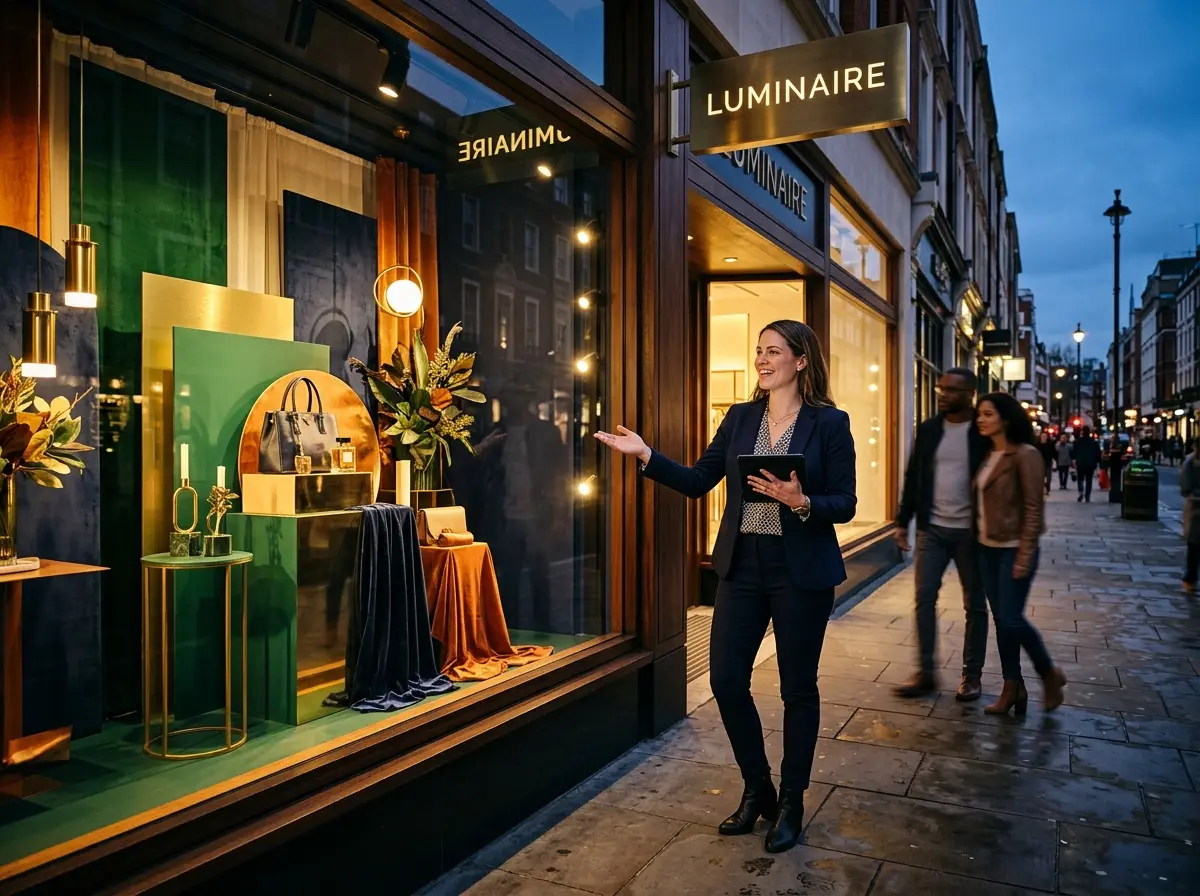
Here's where things get interesting. Running workshops means more inquiries, more logistics, and more moving pieces — all on top of your normal business operations. That's where Stella, the AI robot employee and phone receptionist, earns her keep. As customers walk past your store and see a workshop advertised, Stella can proactively greet them, explain upcoming events, and answer questions about what's included, how to register, or what to bring. No staff member needs to drop what they're doing to give the same spiel for the fifteenth time that day.
On the phone side, Stella answers calls 24/7, which matters more than you might think when someone decides at 11 p.m. that they absolutely must sign up for your Saturday sourdough class before they forget. She handles inquiries, promotes your upcoming workshops as part of the conversation, and ensures no opportunity falls through the cracks while you're busy actually running the event. At just $99/month, she's considerably cheaper than hiring a dedicated event coordinator — and she never calls in sick the week of your biggest class.
Planning and Executing Workshops That People Actually Show Up To
Now for the practical stuff. A great workshop concept that nobody attends is just a very expensive way to spend a Saturday. Here's how to make sure yours are well-attended, well-run, and worth repeating.
Choosing the Right Workshop Format for Your Business
Not every workshop format works for every business, and that's perfectly fine. The key is matching your workshop type to both your product category and your customer's desired outcome. A few formats worth considering:
- Skill-based workshops — Teach customers how to do something using your products. Think a hardware store hosting a tile-grouting class or a yarn shop running a beginner knitting night.
- Tasting or sampling events — Ideal for food, beverage, tea, or specialty grocery retailers. Let the product speak for itself in an experiential setting.
- Expert-led seminars — Bring in a local specialist to speak on a topic your customers care about. A running store could host a sports physiotherapist. A bookshop could host a local author.
- Make-and-take workshops — Customers create something they get to bring home. These are enormously popular because people love leaving with a tangible result of their effort.
Whatever format you choose, make sure the experience naturally incorporates your products or services. The goal is education and enjoyment first, and sales second — but those two things should be pointing in the same direction.
Pricing, Promotion, and Filling Those Seats
Pricing your workshop correctly is a balancing act. Price too low and customers assume it's not worth their time. Price too high and you'll be talking to empty chairs. A reasonable benchmark is to cover your material costs, a portion of your time or instructor fee, and build in a modest margin — then consider offering a discount on related products to attendees on the night of the event. That discount often pays for itself many times over.
For promotion, your existing customer base is your most valuable asset. Email your list, post on social media with behind-the-scenes setup content, and use in-store signage prominently. Consider partnering with local complementary businesses — a florist could team up with a stationery shop for a "Thank You Gift" workshop before Mother's Day, cross-promoting to both audiences. Local Facebook groups, Eventbrite listings, and neighborhood newsletters are also consistently underestimated channels that work surprisingly well for community-driven events.
The Night-Of Experience: Details That Make or Break It
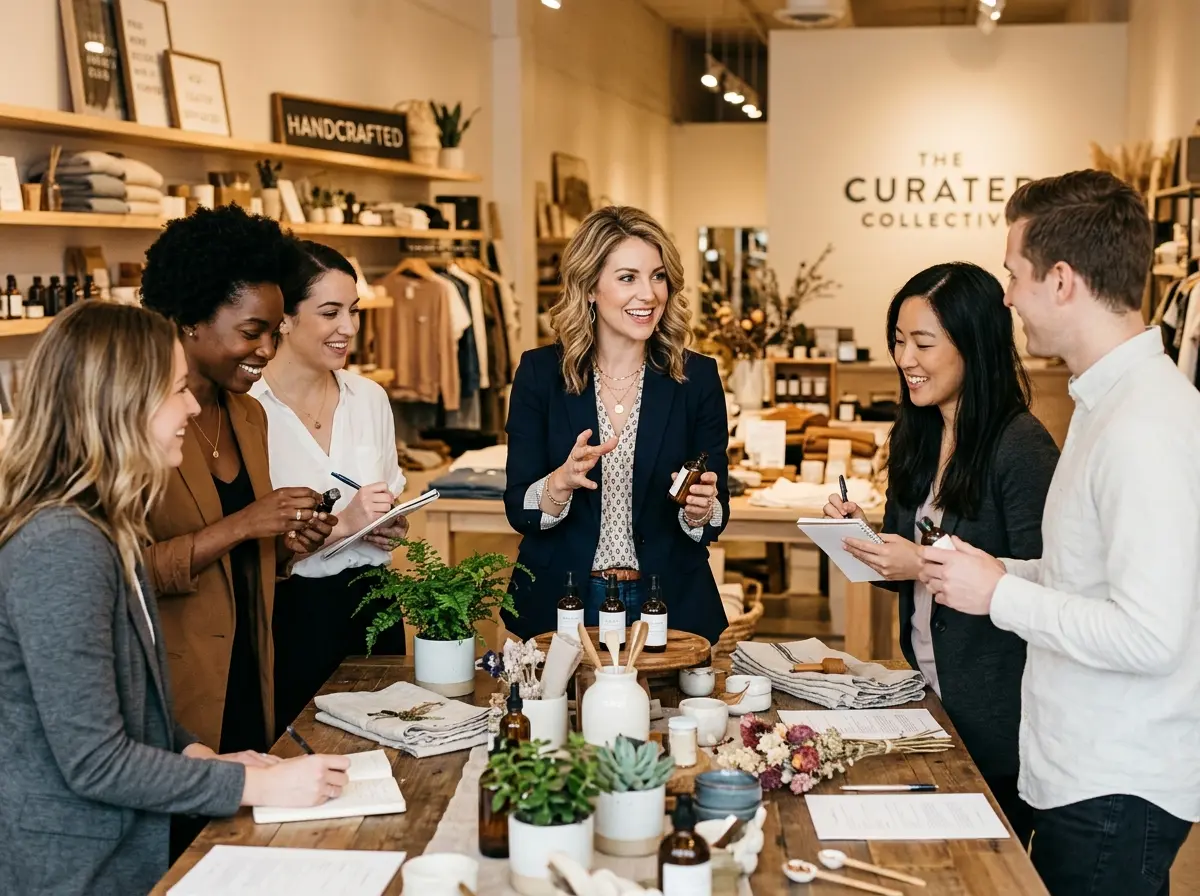
The workshop itself needs to feel intentional from the moment customers walk in. Arrange the space so it feels different from your everyday store layout — even small changes like rearranged seating, ambient music, or a welcome drink create a sense of occasion. Have materials organized, demonstrations prepped, and a clear agenda in mind, even if you run things conversationally. People can tell when an event has been thought through, and they appreciate it.
End every workshop with a natural, low-pressure opportunity to purchase related products. A brief "here's what we used tonight and where you can find it on the shelf" moment — paired with that attendee discount — is all you need. No hard sell required. They're already sold.
Quick Reminder About Stella
Stella is an AI robot employee and phone receptionist designed for businesses exactly like yours — whether you have a brick-and-mortar storefront or you're managing everything remotely. She greets customers in person, promotes your events and specials, and answers calls around the clock so you never miss an inquiry. At $99/month with no upfront hardware costs, she's one of the simplest ways to add a professional, always-on presence to your operation without adding to your payroll headaches.
Turning One Great Workshop Into a Long-Term Strategy
If you've pulled off a successful workshop, congratulations — and don't stop there. The real payoff comes from building a recurring calendar that keeps customers engaged across the year. A quarterly workshop series, a monthly "makers night," or a seasonal event tied to your product calendar gives customers something to look forward to and a reason to stay on your email list. It also gives your social media content a consistent heartbeat that purely promotional posts simply cannot provide.
Collect feedback after every session — a simple three-question form goes a long way — and use that input to refine your format, topic selection, and pricing over time. Track which workshops drive the highest in-store sales, which bring in new-to-you customers versus regulars, and which generate the most social sharing. That data will tell you exactly where to invest next.
The retailers winning in today's market aren't just selling products. They're selling belonging, skill, and story. Your store has every ingredient needed to deliver all three. A well-run workshop program is simply the recipe that brings it all together — and unlike a lot of retail strategies, this one actually sounds fun to execute.
So dust off that back corner of your store, pick a date, and give your customers a reason to show up that goes beyond needing something off a shelf. You might be surprised how much they — and your bottom line — appreciate it.