When "I Thought You Had It" Becomes a Business Crisis
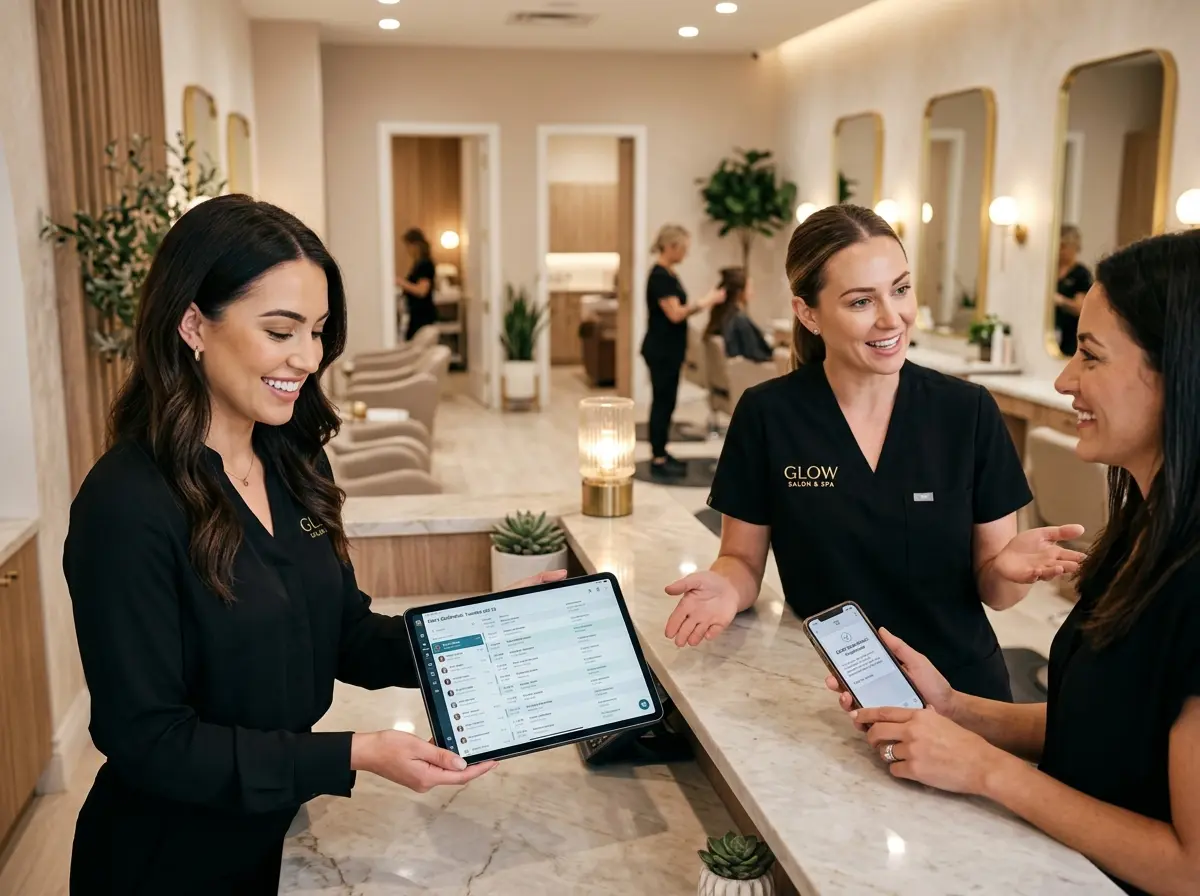
Picture this: It's a busy Saturday morning at your salon. Two clients walk in at the same time, both with 10 AM appointments. Both have been looking forward to this all week. One needs a full balayage, and the other is booked for a bridal trial. Your stylist is standing there with one chair, two very unhappy women, and zero good options. Congratulations — you've just experienced the double-booking disaster in its full, glorious chaos.
Double-bookings aren't just embarrassing. They erode client trust, cost you revenue, and turn your most loyal customers into one-star reviewers. For high-volume hair salons, where appointment slots are the lifeblood of the business, a broken scheduling system isn't a minor inconvenience — it's an existential threat. The good news? This is a completely solvable problem, and thousands of salons have already figured it out.
This post breaks down exactly how smart scheduling systems work, what to look for when choosing one, and how to build the kind of reliable booking operation that turns first-time clients into regulars who never think about going anywhere else.
Understanding Why Double-Bookings Happen in the First Place
Before you can fix the problem, you need to understand where it's actually coming from. Most salon owners assume double-bookings are caused by software glitches, but the reality is usually far more human — and far more fixable.
The Multi-Channel Booking Problem
High-volume salons typically accept appointments through multiple channels: phone calls, walk-ins, Instagram DMs, a booking app, and maybe even a website widget. When these channels aren't synchronized in real time, you're essentially managing five different calendars that only sometimes talk to each other. A client books online at 11:47 PM while your receptionist manually penciled someone else into the same slot earlier that day. Neither system knew about the other, and now you have a problem that will introduce itself at 2 PM on a Thursday.
According to a survey by Software Advice, over 40% of appointments at service-based businesses are booked outside of business hours. If your system isn't updating in real time across every booking channel, you're playing scheduling roulette every single night.
Human Error and the Paper-Backup Habit
Let's be honest: the paper backup book is one of the most beloved and most dangerous habits in the salon industry. Staff write appointments in the book "just in case," forget to transfer them to the digital system, and suddenly there are two sources of truth that contradict each other. The road to double-booking hell is paved with sticky notes and good intentions.
Training helps, but the real solution is removing the conditions that make human error possible in the first place. When your scheduling system is the single, authoritative source of truth — and every booking channel flows into it automatically — there's no room for a rogue notebook to cause chaos.
No Buffer Time or Resource Constraints Built In
Another sneaky cause of double-bookings is the absence of built-in logic around resources. Your salon might have five chairs but only three color stations. If your booking system doesn't account for that, it will happily book four color services at the same time and leave you explaining the situation to three clients and one very stressed colorist. Smart scheduling systems let you configure resource constraints so the calendar enforces your physical reality, not an idealized version of it.
How the Right Tools Can Quietly Fix All of This
Once you've diagnosed the root causes, the solution becomes surprisingly straightforward: centralize, automate, and enforce. The right scheduling platform does all three without requiring your staff to become software engineers.
Where AI Receptionists Fit Into Your Booking Workflow
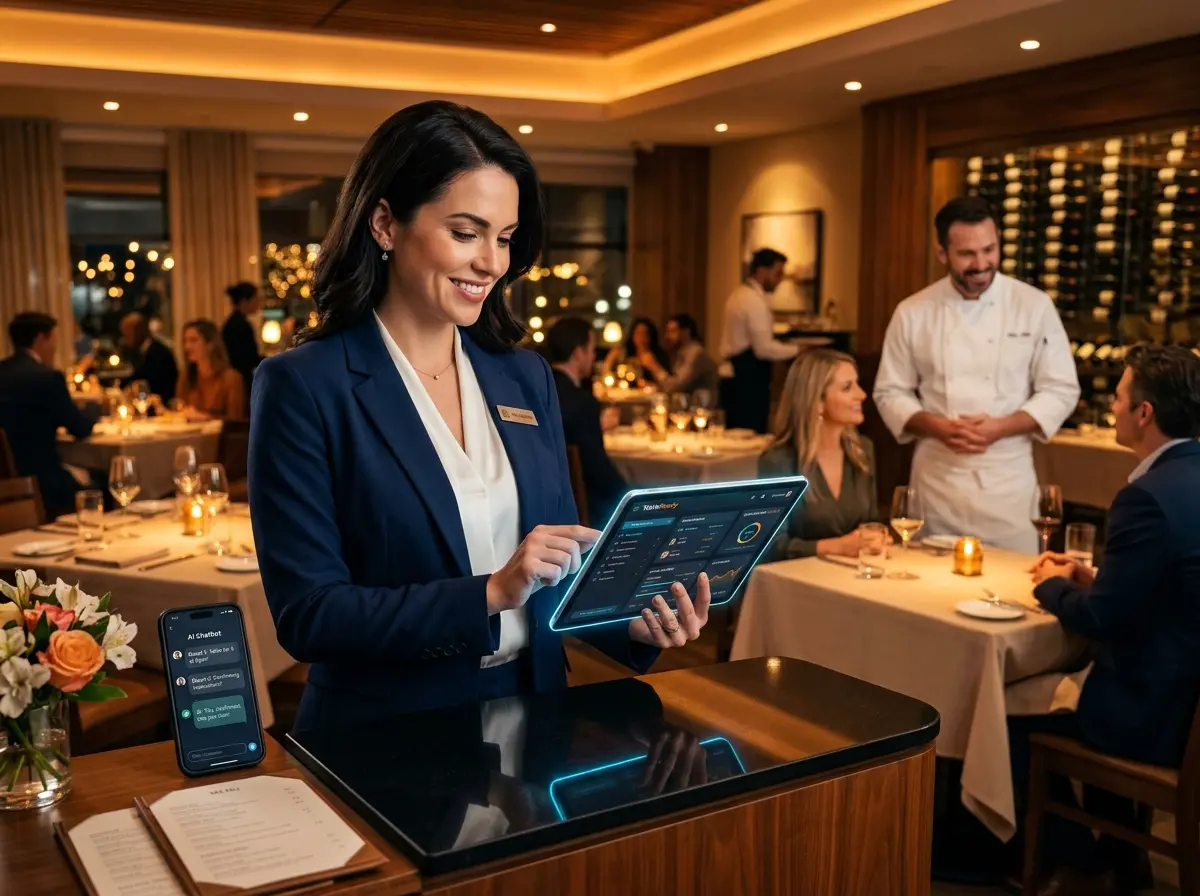
One of the biggest gaps in most salon scheduling systems is what happens when a client calls to book — especially outside of business hours. Phone bookings that get written on a notepad and entered the next morning are a classic source of conflicts. This is where Stella, the AI robot employee and phone receptionist, can genuinely change your workflow. Stella answers calls 24/7, collects appointment details through a natural conversation, and feeds that information directly into your intake and contact management system — no sticky notes required. For salons with a physical location, she also stands at the front of the store as a kiosk, greeting clients and handling check-in questions while your stylists stay focused on the work that actually generates revenue.
Stella's built-in CRM and conversational intake forms mean that every client interaction — whether on the phone, at the kiosk, or through your website — creates a clean, organized record. No more hunting through text messages to figure out what color formula a returning client used last time.
Building a Scheduling System That Actually Holds Up Under Pressure
Choosing the right software is only half the battle. The other half is setting it up correctly and making sure your team actually uses it. Here's what that looks like in practice.
Establish One Source of Truth and Protect It Religiously
The single most impactful thing you can do is designate one scheduling platform as the authoritative record and eliminate every competing system. That means no paper backup books, no personal phone calendars, and no "I'll just remember it" appointments. Every booking, cancellation, and reschedule goes into the system — period. Post this as a non-negotiable policy, train your team on it, and revisit it in your next staff meeting. It sounds simple because it is, and it works.
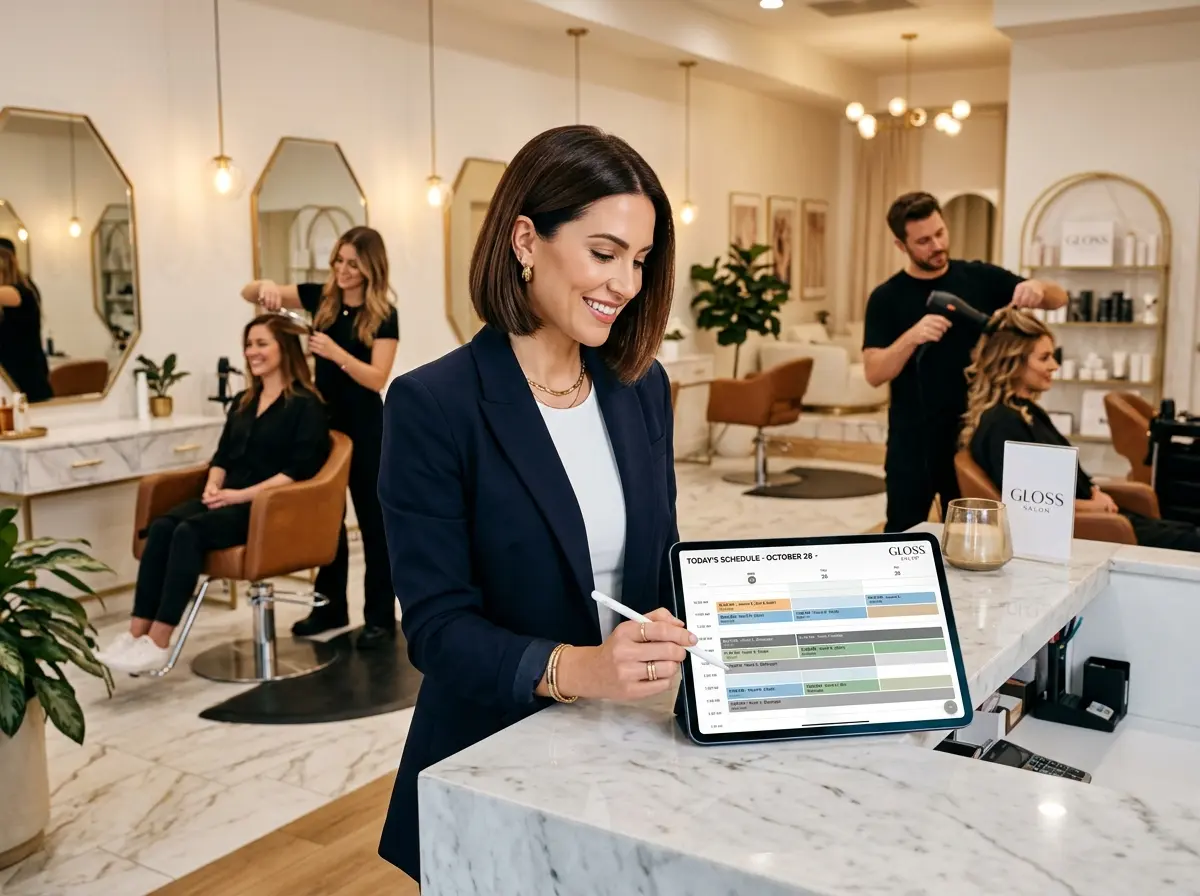
Most modern salon scheduling platforms — Vagaro, Booksy, Square Appointments, and Fresha are popular options — offer real-time syncing across devices, automated confirmation texts, and calendar locking to prevent overlaps. Many also support multiple staff members with individual calendars that roll up into a master view, so you can see at a glance who's booked, who has availability, and where your bottlenecks are forming before they become problems.
Configure Your System to Reflect Reality
The most underutilized feature in most scheduling software is the ability to set resource constraints, service durations, and buffer times. Take an afternoon — yes, a whole afternoon — to sit down and configure these properly. Map out every service you offer with accurate time estimates that include setup and cleanup. Assign services to specific staff members based on skill level and certification. Set buffer time between appointments so your colorists aren't running from chair to chair without a moment to breathe.
When a salon in Austin did exactly this — auditing their service times and rebuilding their scheduling configuration from scratch — they reduced scheduling conflicts by 87% in the first month. Not because they bought new software, but because they actually set up the software they already had.
Use Automated Reminders and Confirmations Proactively
No-shows and last-minute cancellations create the frantic scramble that leads to overbooking in the first place. Salons that send automated reminders via text or email at 48 hours and again at 24 hours before an appointment typically see no-show rates drop by 30 to 50 percent. When clients confirm, your calendar stays clean. When they cancel in advance, you have time to fill the slot properly — without stacking two clients into one chair.
Some platforms also support waitlist automation, which fills cancellations by automatically notifying clients who requested that time slot. It's the kind of feature that looks like magic from the outside and is just well-configured software from the inside.
Quick Reminder About Stella
Stella is an AI robot employee and phone receptionist built for businesses like yours — she greets clients in-store, answers calls around the clock, and keeps your booking and contact information organized without ever calling in sick or forgetting to update the calendar. At just $99/month with no upfront hardware costs, she's the kind of team member that pays for herself quickly. If you're still losing bookings to missed calls or conflicting channels, she's worth a serious look.
Stop Letting Scheduling Problems Cost You Clients You Already Earned
Double-bookings aren't bad luck — they're the predictable result of fragmented systems, manual processes, and the kind of "we've always done it this way" inertia that quietly bleeds revenue out of an otherwise great salon. The fix isn't complicated, but it does require a decision: you have to commit to building a system that works instead of continuing to apologize for one that doesn't.
Here's your action plan:
- Audit your current booking channels. List every place a client can request an appointment and identify which ones aren't syncing to your main calendar in real time.
- Pick one scheduling platform and go all in. Eliminate parallel systems and train your team on the policy that everything goes in the calendar, always.
- Rebuild your service configurations. Update service durations, assign resources, and set buffer times so the system enforces your physical constraints automatically.
- Activate automated reminders. Reduce no-shows, fill cancellations via waitlist, and stop the overbooking scramble before it starts.
- Cover your phone channel. If missed calls or after-hours bookings are still slipping through the cracks, consider an AI receptionist that connects directly to your intake workflow.
Your clients chose your salon because of your talent, your vibe, and the experience you deliver. Don't let a preventable scheduling failure be the thing they remember. Fix the system, protect the experience, and get back to doing what you're actually great at.