You Can't Just Slap a Customer's Name on an Email and Call It Personalization
Let's be honest. When a customer walks into your store — or calls your business — they're not thinking, "Wow, I hope this experience feels exactly like every other retail interaction I've ever had." They want to feel like a person, not a transaction. And yet, so many businesses are out here sending "Dear Valued Customer" emails and acting like that counts as a personalized experience.
Here's the uncomfortable truth: customers have options. Lots of them. And when they feel like just another face in the crowd, they quietly migrate toward whoever makes them feel seen. According to McKinsey, 71% of consumers expect personalized interactions, and 76% get frustrated when that doesn't happen. That frustration doesn't always come with a complaint — sometimes it just comes with a door closing on the way out and a one-star review materializing three days later.
The good news? You don't need a massive budget or a team of data scientists to personalize effectively. You need smart tactics, a bit of intention, and the right tools. Let's get into it.
The Building Blocks of Meaningful Personalization
Before you can make anyone feel seen, you need to actually see them. That means collecting useful information, organizing it, and putting it to work — without being creepy about it. Nobody wants to walk into a store and have someone recite their purchase history like a shopping séance.
Start With What You Already Know
Most businesses are sitting on a goldmine of customer data they're completely ignoring. Purchase history, visit frequency, product preferences, birthdays — if you're not using this information to inform how you interact with customers, you're leaving personalization (and revenue) on the table.
Start simple. Tag your regulars in your CRM. Note what they tend to buy. If someone always gravitates toward your premium tier or always asks about a specific product category, that's valuable context. When they come in next time, your staff — or your technology — can proactively surface relevant recommendations instead of generic ones. That shift from "Can I help you find anything?" to "Hey, we just got something new in the category you love" is small in effort but enormous in impact.
Capture Information Conversationally, Not Clinically
Intake forms with seventeen required fields are a great way to make customers feel like they're applying for a mortgage. Personalization starts at the point of first contact, and that first contact should feel like a conversation, not an interrogation.
Whether someone calls your business, walks through your door, or visits your website, you have an opportunity to learn something useful about them in a natural way. Ask about their preferences while helping them. Find out what brought them in today. These micro-conversations — when properly recorded — become the foundation of a genuinely personalized relationship over time. The key is consistency: gathering that information reliably across every customer interaction, not just the ones where a human staff member happened to be in a chatty mood.
Letting Technology Do the Heavy Lifting
Here's where a lot of business owners mentally check out: "I don't have time to track all of this." Fair. You're running a business, not a customer behavior research lab. This is exactly where smart tools earn their keep.
How Stella Helps Retail Businesses Personalize at Scale
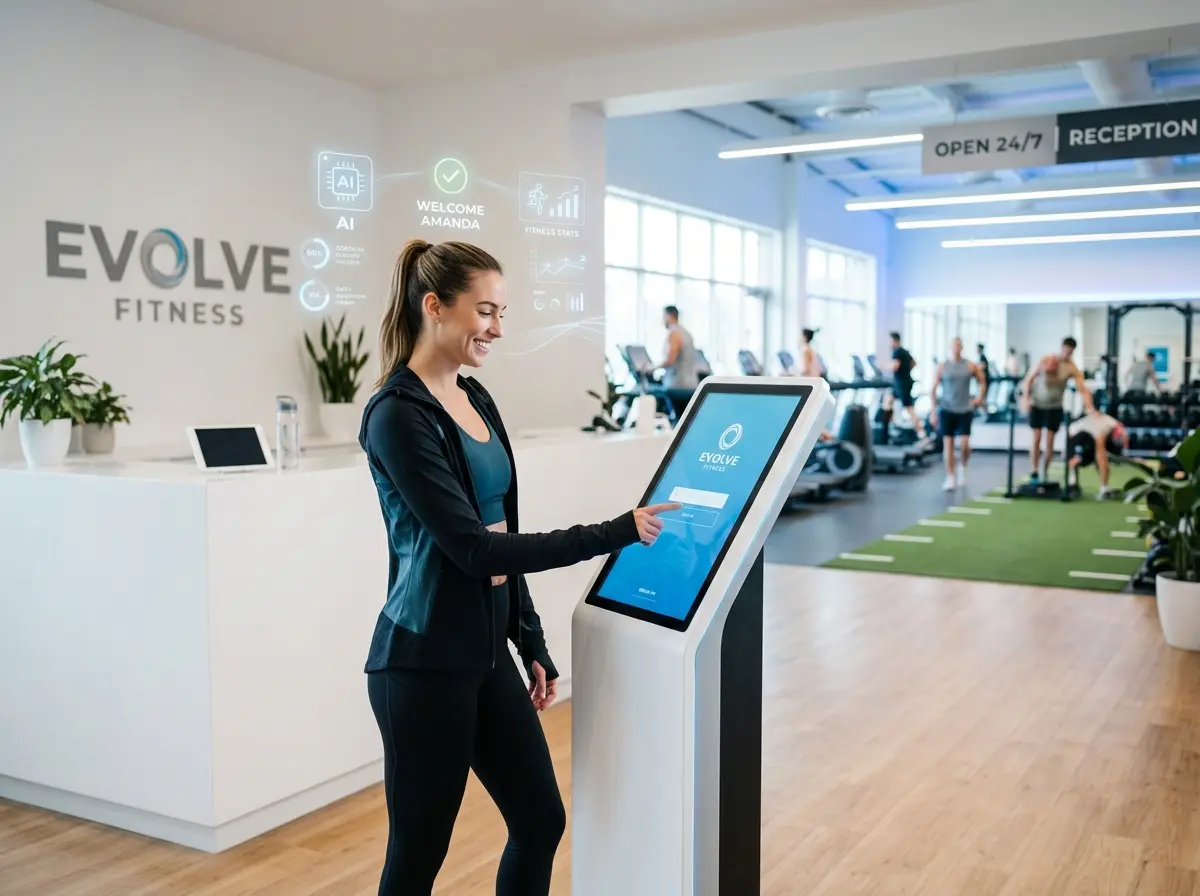
Stella is an AI robot employee and phone receptionist designed for businesses that want a reliable, professional presence without the overhead of additional staff. Inside your store, she stands as a human-sized kiosk that greets customers, answers questions, promotes current deals, and engages shoppers proactively — collecting information through natural conversation rather than awkward clipboard hand-offs.
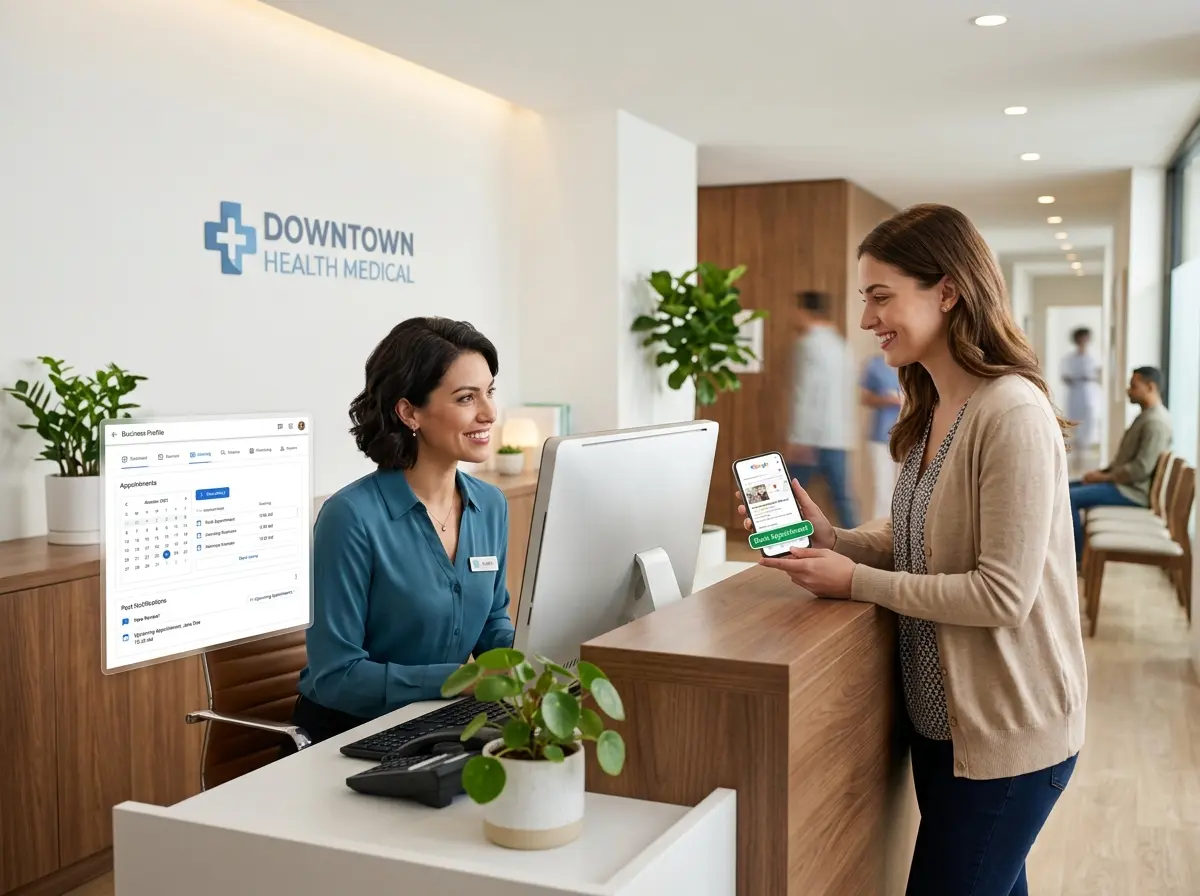
On the phone side, Stella answers calls 24/7 with the same business knowledge she uses in person, handles intake through conversational forms, and logs everything into a built-in CRM complete with custom fields, tags, notes, and AI-generated customer profiles. That means every interaction — whether it happens in your store at 2pm or over the phone at 9pm — contributes to a richer picture of who your customers are and what they need. No data lost to sticky notes, forgotten conversations, or the staff member who quit last Tuesday.
Turning Customer Data Into Moments That Matter
Collecting data is step one. Using it well is where most businesses either win big or fumble spectacularly. The goal isn't to overwhelm customers with how much you know about them — it's to use that knowledge to make their experience smoother, more relevant, and more enjoyable.
Personalize the In-Store Experience
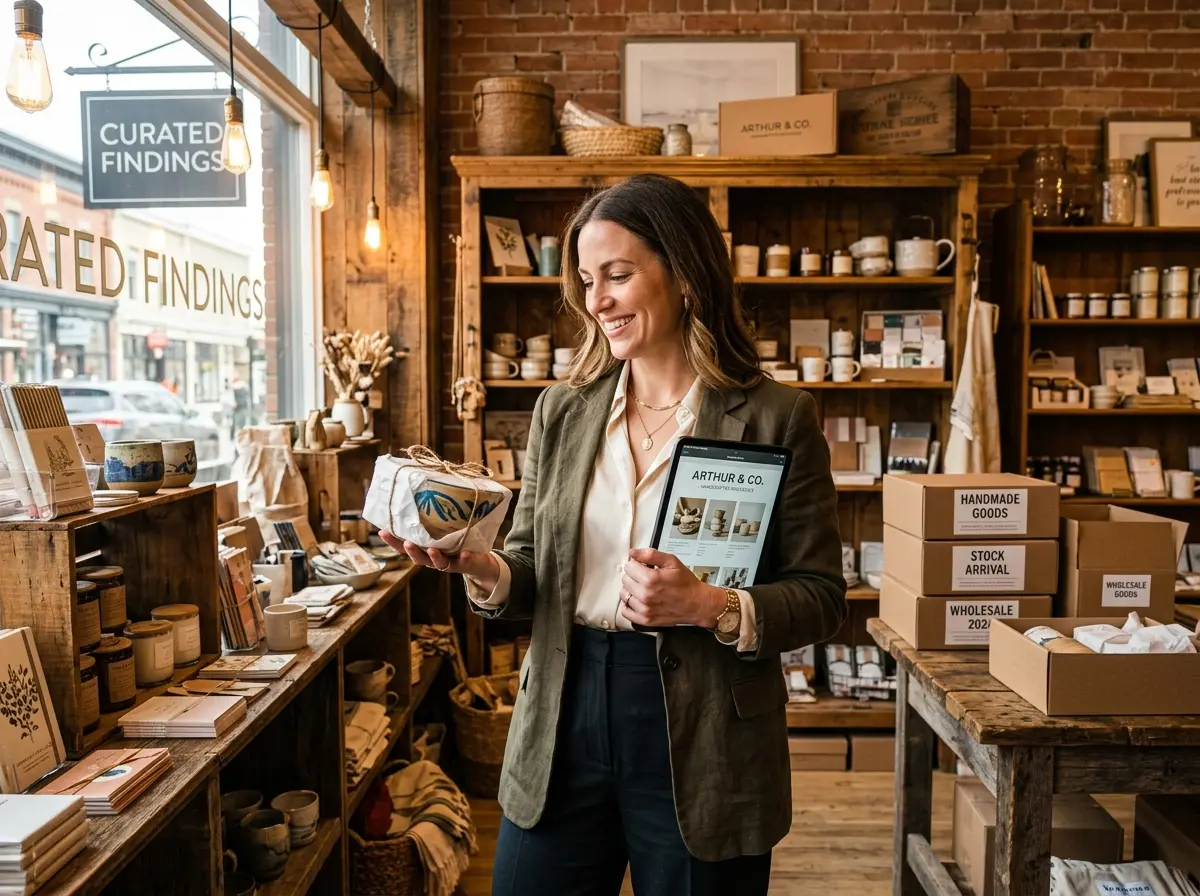
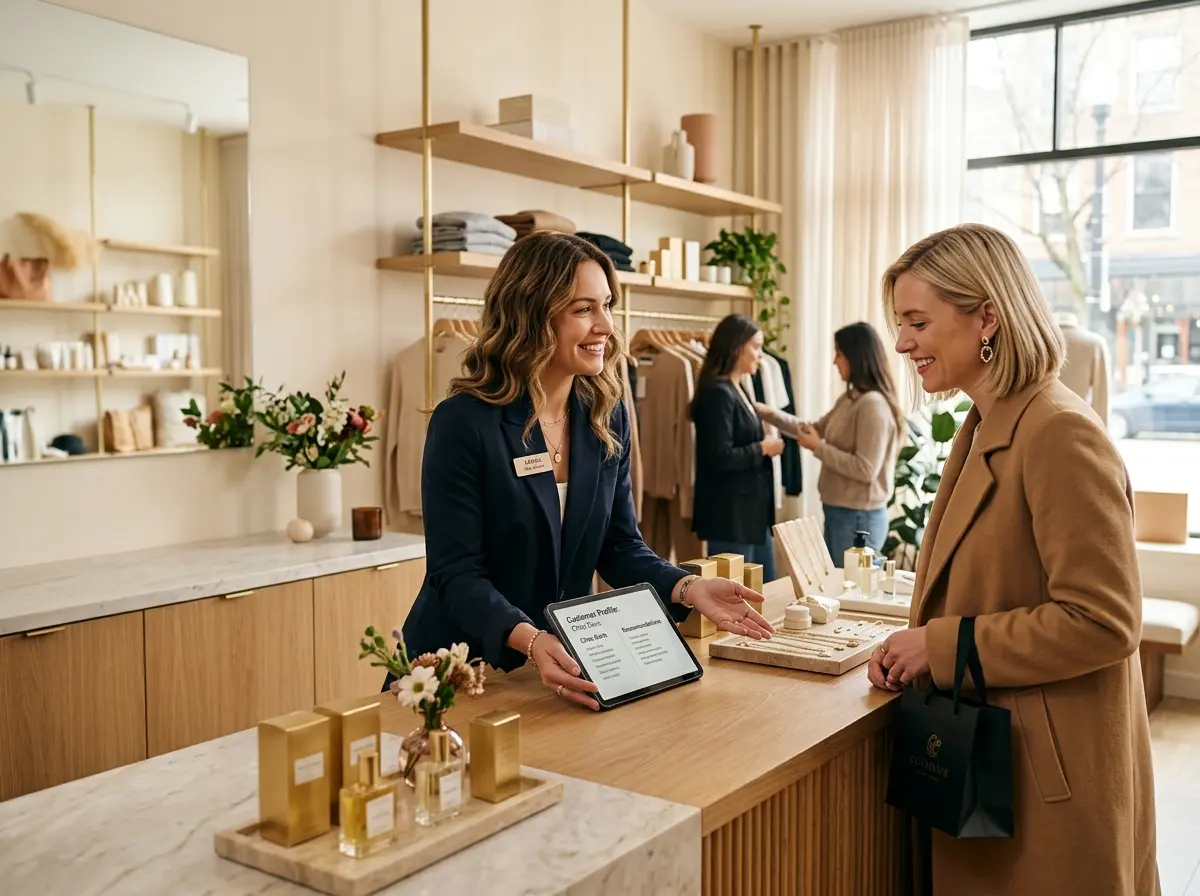
Train your staff (and your technology) to use customer information naturally. If a returning customer's profile notes that they have a medium-sized dog named Biscuit and always buys grain-free food, the next visit is an opportunity — not just a transaction. A quick mention of a new grain-free option, a loyalty reward that actually aligns with what they buy, or even just recognizing them by name creates a level of warmth that chains and online retailers simply cannot replicate at scale.
Physical retail has one enormous advantage over e-commerce: the human (or well-designed AI) touch. Use it. Personalized greetings, relevant product recommendations, and proactive promotions that align with a customer's known preferences can meaningfully increase both basket size and return visits. Research from Epsilon found that 80% of customers are more likely to make a purchase when brands offer personalized experiences. That number should be on a poster in your break room.
Make Your Promotions Work Smarter
Broadcasting the same generic promotion to your entire customer base is the retail equivalent of shouting into a crowd and hoping the right person hears you. Segmented, targeted promotions — even basic ones — consistently outperform blanket campaigns.
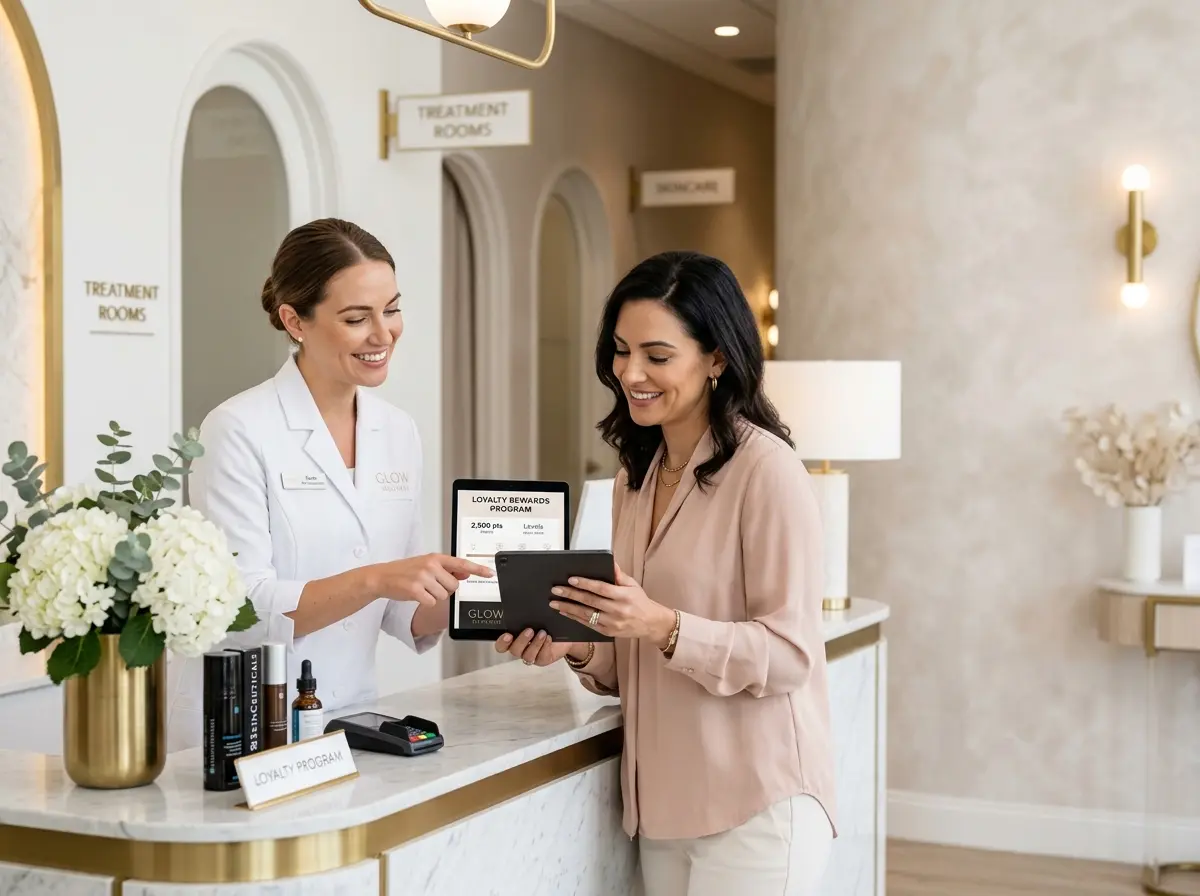
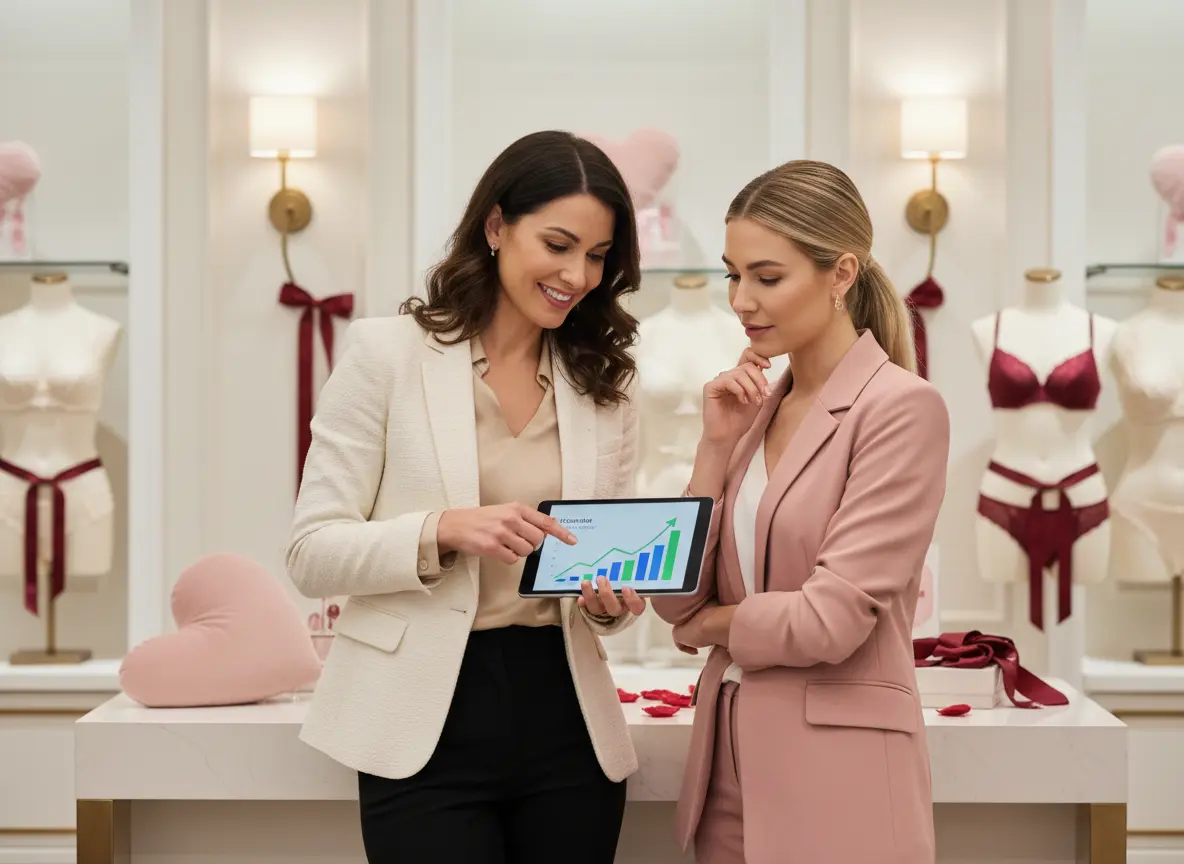
Use the tags and notes in your CRM to build simple segments: new customers, high-frequency buyers, customers who haven't visited in 60 days, customers who've expressed interest in a specific product line. Then craft messaging that speaks to each group specifically. A "We miss you" offer to lapsed customers hits differently than a generic 10% off coupon. A loyalty reward targeted at your top spenders communicates appreciation in a way that actually lands. You don't need sophisticated marketing automation to do this — just organized data and the intention to use it.
Follow Up Like You Actually Remember the Conversation
One of the most underused personalization tactics in retail is the post-visit or post-purchase follow-up that references what actually happened. Not "Thank you for your recent purchase." But "Hey, you picked up the espresso machine last week — here are a few accessories that pair really well with it, and a quick guide to getting the most out of it."
This kind of follow-up demonstrates that your business was paying attention — and it creates a natural opening for future engagement without feeling pushy. It also drives repeat purchases, because you're surfacing relevant products at exactly the right moment rather than blasting promotions and hoping for the best. The data to make this possible already exists in your transaction history. The question is whether you're connecting it to your customer communication strategy.
Quick Reminder About Stella
Stella is an AI robot employee and phone receptionist that works in-store as a human-sized kiosk and answers phone calls 24/7 — bringing the same business knowledge and personalized engagement to every customer interaction, regardless of when or how they reach you. She helps retail businesses collect customer information naturally, manage contacts through a built-in CRM, and ensure that no customer ever feels ignored. At $99/month with no upfront hardware costs, she's built for businesses that want enterprise-level consistency without the enterprise-level price tag.
Start Small, Be Consistent, and Actually Follow Through
Personalization doesn't require a complete overhaul of how you do business. It requires intention, consistency, and the right infrastructure to make it sustainable. Here's a practical starting point:
- Audit what you already know. Pull up your CRM (or whatever you're using) and take stock of the customer data you have. Identify the gaps.
- Build a basic intake habit. Make sure every customer interaction — in-store, on the phone, online — captures at least a name, contact information, and one useful preference or note.
- Create two or three customer segments. You don't need twenty. New customers, regulars, and lapsed customers is a perfectly reasonable place to start.
- Personalize one touchpoint this week. Pick your follow-up emails, your in-store greeting script, or your phone intake process — and make it more specific and relevant.
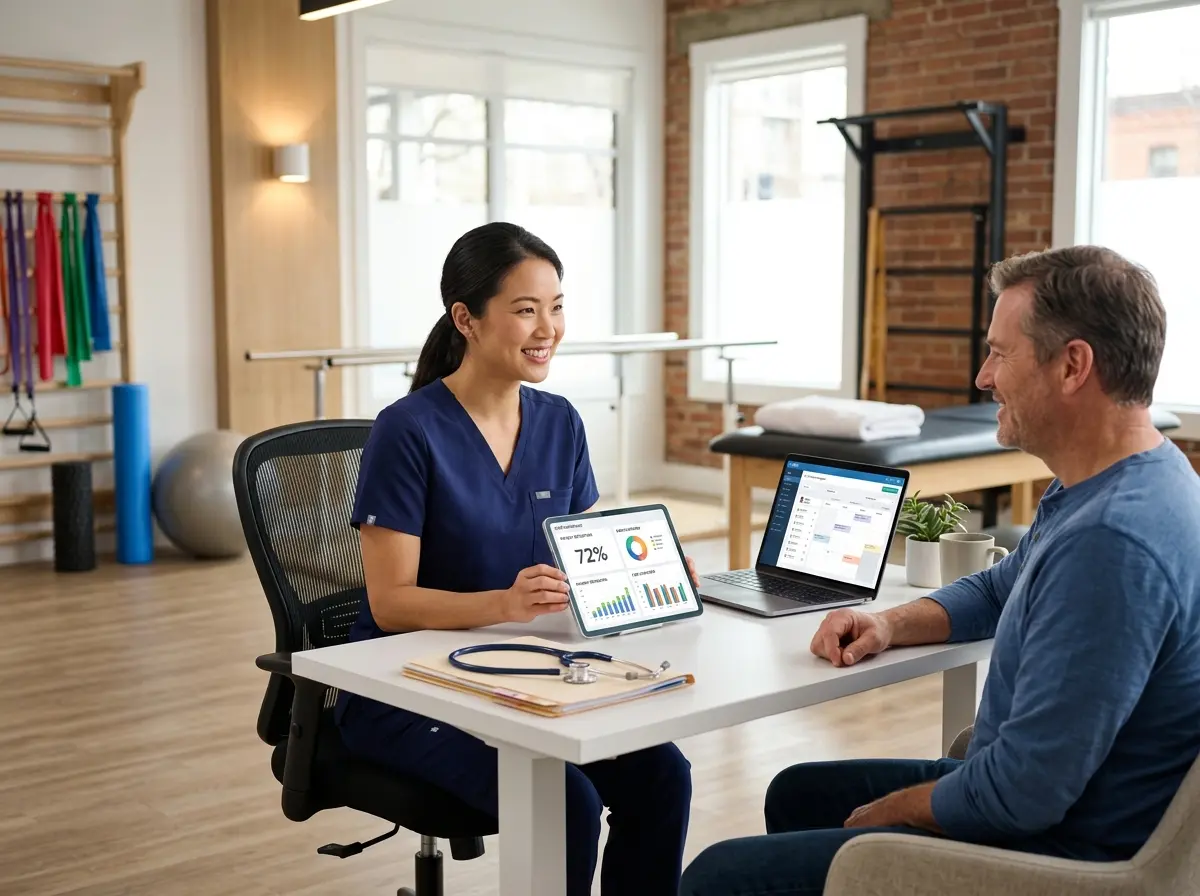
- Measure and iterate. Track whether personalized outreach drives more returns, higher average order values, or better reviews. Let the data guide your next move.
The businesses winning in retail right now aren't necessarily the ones with the biggest budgets or the fanciest storefronts. They're the ones that make customers feel like they matter — not because it's a marketing tactic, but because they've built systems that make it effortless to deliver that feeling every single time. That's the bar. And with the right approach, it's absolutely within reach.