Introduction: Because Your Bays Don't Fill Themselves
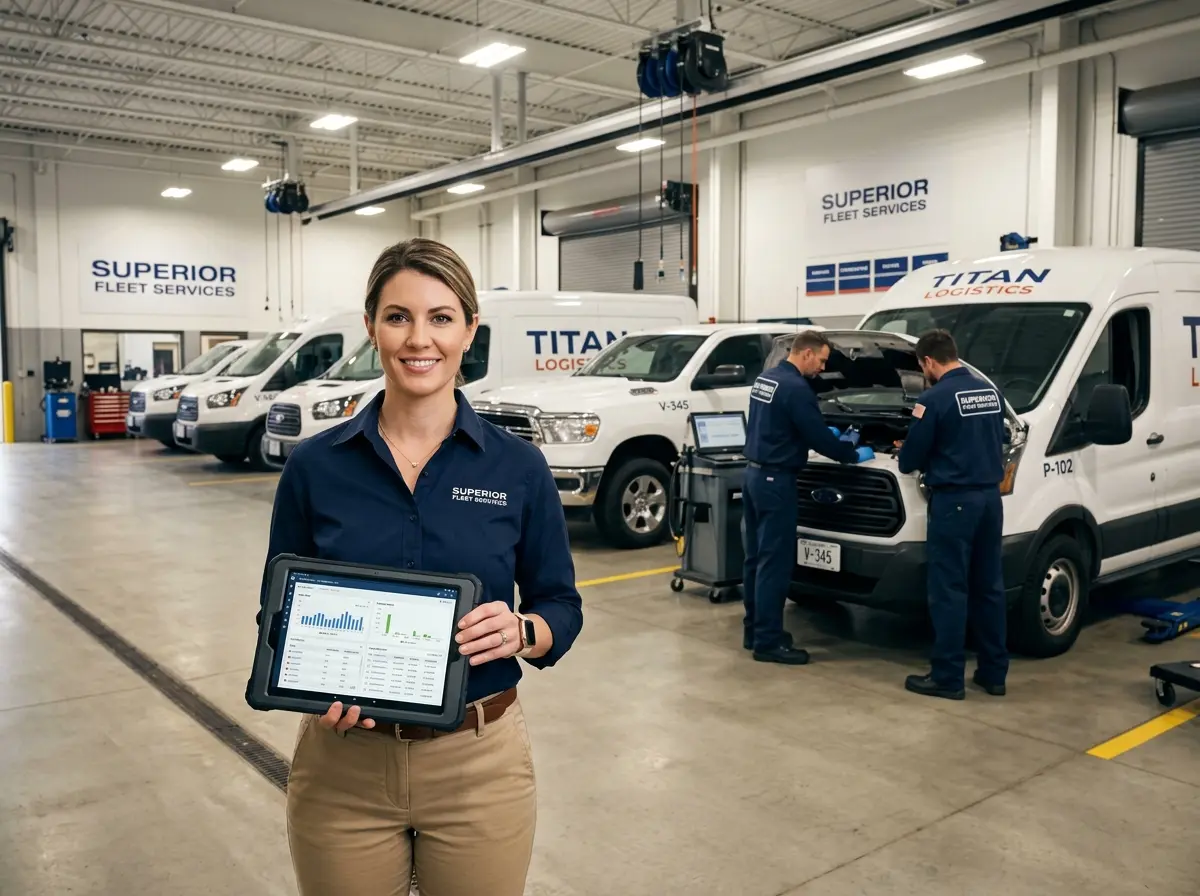
Let's be honest — if you're running an auto shop and you're still waiting for individual customers to trickle in one oil change at a time, you're leaving a significant amount of money sitting in the parking lot. Fleet services programs for local businesses are one of the most reliable, scalable revenue streams available to independent auto shops, and yet a surprising number of shop owners never pursue them seriously. Why? Usually because they don't know where to start, or they assume it's too complicated to manage.
Here's the reality: local businesses — landscapers, plumbers, delivery services, real estate agencies, construction crews, home health aides — all operate vehicles. Those vehicles break down. Those vehicles need oil changes, tire rotations, brake jobs, and inspections. And the people who own those businesses are desperate for a reliable, professional shop they can trust with their entire fleet. That could be you. That should be you.
This guide walks you through building a fleet services program from the ground up — how to structure it, how to price it, how to sell it, and how to keep those business clients coming back month after month. Get ready to stop fishing for retail customers one by one and start landing the whole pond.
Building the Foundation of Your Fleet Program
Define What You Actually Offer
Before you pitch a single business, you need to get crystal clear on what your fleet program actually includes. This isn't the time for vague promises — fleet managers and business owners want specifics, because they're making a commitment to route their vehicles to you every single time. Your program should define its service scope, turnaround time expectations, priority scheduling policies, and billing structure before you hand anyone a proposal.
A solid fleet services package typically includes: preventive maintenance (oil changes, fluid checks, filter replacements), tire services, brake inspections and replacements, state inspections and emissions testing, and minor to moderate mechanical repairs. Decide upfront whether you'll offer after-hours drop-off, loaner vehicles, or mobile service — these perks can be the difference between landing a contract and watching a competitor get it.
Consider creating tiered packages — a Bronze, Silver, and Gold structure works well — so businesses can self-select into the right level based on fleet size and budget. A landscaping company with three trucks has very different needs than a regional delivery operation running fifteen vans. Tiered pricing respects that reality and makes your program more accessible to small businesses who might grow into higher tiers over time.
Set Up Fleet-Friendly Pricing and Billing
Individual customers pay at pickup. Fleet clients want invoices, net-30 terms, and consolidated monthly statements. If your current billing system can't handle that, it's time to upgrade before you start landing commercial accounts. QuickBooks, Shop-Ware, Mitchell 1, and similar shop management platforms all offer commercial billing features — use them.
When it comes to pricing, fleet accounts typically expect a discount in exchange for volume and consistency. A 10–15% discount off retail labor and parts rates is a reasonable starting point for small fleets. Larger accounts may push for more, but don't undercut yourself into unprofitability. The goal is reliable, recurring revenue — not charity work for someone's delivery vans.
Be sure to build in a clear contract structure with minimum monthly commitments or minimum vehicle counts, so you're not caught with a "fleet account" that sends in one vehicle every six months and still expects fleet pricing. A simple one-page service agreement protects both parties and sets professional expectations from day one.
Prioritize Scheduling and Turnaround Time
If there's one thing that will make or break your fleet relationships, it's turnaround time. Commercial vehicles are not garage queens — they're tools that generate income. When a plumber's truck is sitting in your bay waiting on parts for two days, that plumber is losing money. Acknowledge this reality, plan around it, and communicate proactively when delays happen.
Designate specific bay time for fleet clients — even just a few morning slots per day reserved for commercial work — and honor it religiously. Use your shop management software to flag fleet vehicles so your service advisors know to prioritize them. Businesses will forgive an occasional delay if you communicate clearly; they will not forgive being repeatedly deprioritized in favor of retail walk-ins.
Streamlining Fleet Client Communication with the Right Tools
How Stella Keeps Your Shop Professional Around the Clock
Fleet clients are businesses, which means they operate on business schedules — and sometimes outside of them. When a fleet manager calls at 7 AM to schedule three vehicles for the week, or a business owner calls after hours wondering if their truck is ready, you need a reliable, professional voice on the other end of that line. That's where Stella, the AI robot employee and phone receptionist, genuinely earns her keep.
Stella answers calls 24/7, handles scheduling inquiries, communicates service information, and collects customer details through conversational intake forms — all without putting your service advisor in the awkward position of juggling three phone calls and a customer at the counter simultaneously. For fleet programs specifically, her built-in CRM is a legitimate asset: you can tag fleet clients, add custom fields for vehicle counts and contract tiers, log notes from every interaction, and keep AI-generated customer profiles that make every future conversation more informed. Whether she's greeting a walk-in customer at the kiosk or handling an after-hours call from your biggest fleet account, Stella keeps your shop looking sharp without adding to your payroll.
Marketing and Selling Your Fleet Program to Local Businesses
Identify and Target the Right Prospects
Not every local business is a good fleet candidate, and your time is valuable. Focus your outreach on industries with predictable, high-mileage vehicle use: HVAC and plumbing contractors, landscaping and lawn care companies, pest control services, catering and food delivery operations, property management companies, and home health or medical transport agencies. These businesses run vehicles hard, need consistent maintenance, and are often frustrated with their current shop situation — or lack of one.
Start locally and personally. Drive your own neighborhood with fresh eyes and make a list of business vehicles you see regularly. Check local business directories and the Chamber of Commerce membership list. LinkedIn is surprisingly effective for reaching small business owners and operations managers directly. A well-crafted, brief direct message that leads with the problem you solve — "I know keeping your vehicles serviced without downtime is a headache — we've built a program specifically for businesses like yours" — will outperform any generic flyer every single time.
Craft a Proposal That Closes
Your fleet proposal doesn't need to be a 20-page document. It needs to be clear, professional, and benefit-focused. Lead with what the business owner actually cares about: reduced vehicle downtime, predictable maintenance costs, priority scheduling, and a single point of contact for all their vehicles. Follow with your specific service inclusions, pricing tiers, and billing terms. Close with a simple call to action and a limited-time incentive — a free fleet inspection for all vehicles, or the first month at a reduced rate — to create urgency without desperation.
Consider building a one-page fleet program overview that you can leave behind after in-person visits or attach to emails. Include a QR code that links to a landing page or your contact form. It looks professional, it's easy to reference later, and it signals that you take commercial accounts seriously — which, frankly, is more than most independent shops bother to do.
Retain Fleet Clients for the Long Haul
Acquiring a fleet client is the hard part. Keeping them is mostly about consistency and communication. Send monthly or quarterly maintenance summaries so fleet managers can see everything you've done across their vehicles — it reinforces your value and makes their record-keeping easier. Assign a dedicated service advisor as the single point of contact for each fleet account, so there's always a familiar name and voice when they call. Check in proactively when a vehicle is due for service rather than waiting for the client to remember.
According to industry data, it costs five times more to acquire a new customer than to retain an existing one — and fleet clients represent recurring revenue that compounds over time. A fleet account that brings in five vehicles per month for routine maintenance, repairs, and inspections can easily generate $1,500–$4,000 or more in monthly revenue from a single relationship. Protect that relationship like it's worth exactly that much, because it is.
Quick Reminder About Stella
Stella is an AI robot employee and phone receptionist built for businesses like yours — she works in-store as a friendly, human-sized kiosk that engages walk-in customers, and she answers phone calls 24/7 with full knowledge of your services, pricing, and promotions. At just $99/month with no upfront hardware costs, she's a professional, tireless presence that handles customer interactions so your team can focus on the work that actually requires their hands.
Conclusion: Time to Stop Being the Best-Kept Secret in Town
Building a fleet services program isn't complicated — it just requires intention, structure, and follow-through. You already have the bays, the tools, the expertise, and the staff. What you need is a packaged offer, a clear target market, and the confidence to go pitch it. The local businesses in your community are already spending money maintaining their vehicles somewhere. Make sure that somewhere is you.
Here are your actionable next steps to get started this week:
- Define your fleet service tiers — write out exactly what each package includes, the pricing, and the billing terms.
- Identify 10–15 local businesses with visible vehicle fleets and research the right contact person at each one.
- Create a one-page fleet program overview you can use in person, by email, or as a leave-behind.
- Set aside dedicated bay time for fleet work in your weekly schedule so you're operationally ready when accounts start coming in.
- Audit your phone and communication setup to make sure fleet clients can always reach a professional, knowledgeable voice — day or night.
Your next great revenue stream is parked right outside someone's business. Go knock on that door.