The No-Show Epidemic Nobody Wants to Talk About (But Everybody Suffers From)
Let's set the scene: your hygienist is gloved up, the chair is reclined, the little bib is clipped and ready — and your 10 a.m. appointment is nowhere to be found. Again. No call, no text, no smoke signal. Just silence and a revenue-shaped hole in your schedule.
Dental no-shows are one of the most frustrating and costly problems in practice management. Industry estimates suggest that no-shows and last-minute cancellations cost dental practices an average of $150–$200 per missed appointment — and for a busy office, that can easily add up to tens of thousands of dollars per year in lost revenue. And yet, many practices still rely on a single reminder call the day before and hope for the best.
Here's the thing: most patients who no-show aren't inconsiderate. They're anxious. Dental anxiety affects roughly 36% of the population, with about 12% experiencing extreme fear. When patients feel nervous, uninformed, or disconnected from their upcoming visit, ghosting the appointment starts to feel like a reasonable option. The good news? A well-crafted pre-appointment email sequence can dramatically change that dynamic — and your show rates along with it.
Why Pre-Appointment Emails Work (It's Not Just About Reminders)
There's a common misconception that appointment reminders are just about jogging someone's memory. While that's certainly part of it, the real power of a pre-appointment email strategy lies in relationship building and anxiety reduction. Patients who feel prepared, informed, and welcomed are far more likely to show up — and far more likely to become loyal, long-term patients.
The Psychology Behind Dental Anxiety
Dental anxiety often stems from fear of the unknown. What will the appointment involve? Will it hurt? Will the dentist judge my teeth? Will I be lectured about flossing (again)? When patients are left to their imaginations, their imaginations tend to be wildly unhelpful. Pre-appointment emails give you a chance to replace anxious speculation with calm, reassuring facts.
A simple email explaining what to expect during a routine cleaning — the tools involved, the timeline, the friendly staff they'll meet — can go a long way toward making a patient feel like they're walking into a familiar place rather than a dental horror film. Don't underestimate the power of warm, human-sounding communication to neutralize fear before it becomes a no-show.
What a Strong Pre-Appointment Email Sequence Looks Like
A single reminder email is fine. A thoughtful sequence is better. Consider building a three-touch email flow:
- The Confirmation Email (Immediately after booking): Confirm the appointment details, introduce the patient to your office culture, and include a friendly "what to expect" overview. This is also a great place to link to new patient forms so patients aren't scrambling in the waiting room.
- The Preparation Email (3–5 days before): Remind patients of their appointment, share any prep instructions (such as whether to avoid eating before certain procedures), and address common questions or concerns. A short FAQ section here works wonders for anxiety reduction.
- The Day-Before Nudge (24 hours prior): Keep this one short and warm. Confirm the time, provide your address and parking info, and include a direct way to reschedule if needed. Making it easy to reschedule — rather than just cancel — protects your schedule without pressuring patients.
Writing Emails That Actually Get Opened and Read
The best pre-appointment email in the world doesn't help if it sits unread in a spam folder. Subject lines matter enormously — avoid generic lines like "Appointment Reminder" and try something with a little personality, such as "You're all set for Tuesday — here's what to expect" or "Quick note before your visit with us." Personalization tokens (using the patient's first name) and conversational tone signal to both algorithms and humans that this isn't a cold form letter.
Keep the body concise, use short paragraphs, and always include a clear call to action — whether that's confirming the appointment, completing intake forms, or reaching out with questions. And please, for the love of dentistry, proofread. Nothing undermines patient confidence faster than a typo-riddled email from someone who's about to put tools in their mouth.
Streamlining the Process With the Right Tools
Where Technology (and a Little AI Muscle) Comes In
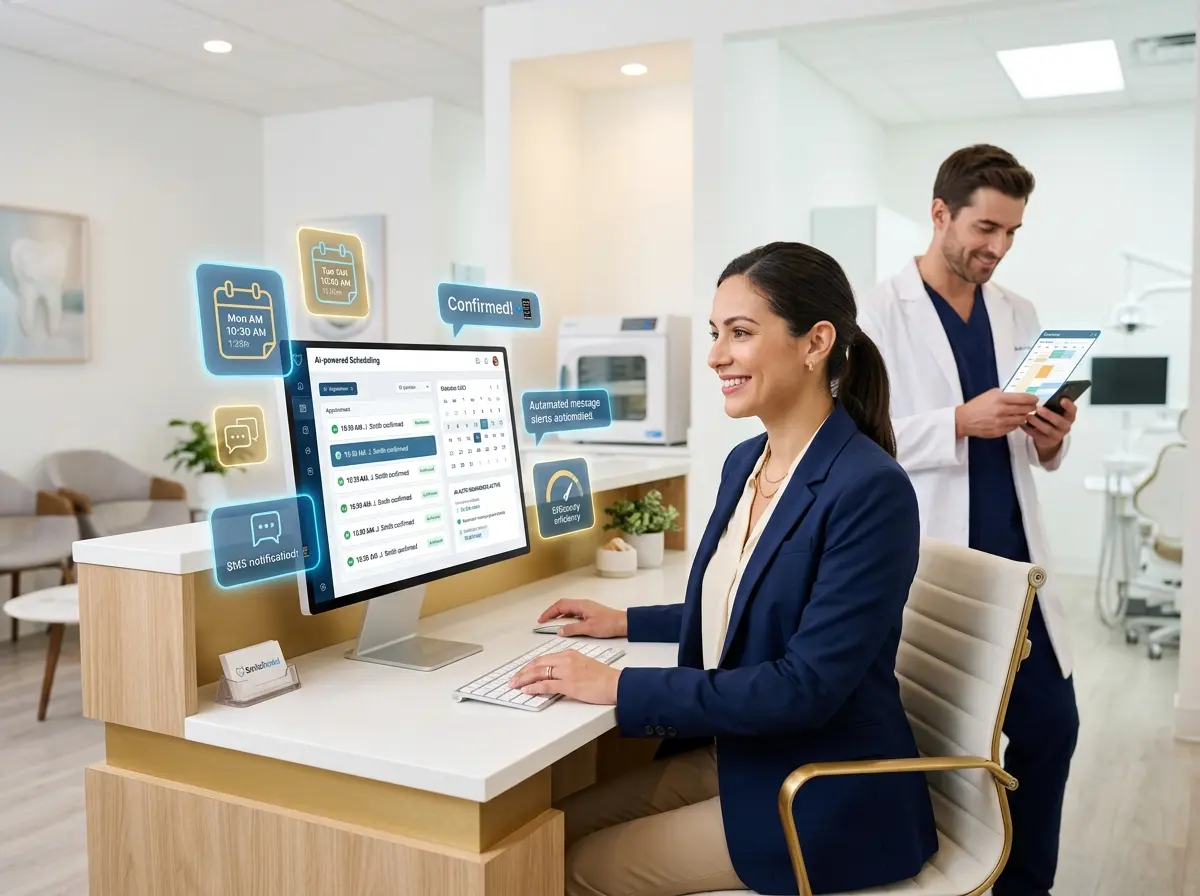
Manually crafting and sending individual emails to every patient is not a sustainable strategy — especially when you're also trying to, you know, run a dental practice. Email automation platforms like Mailchimp, HubSpot, or your practice management software's built-in tools can handle the sequencing automatically once templates are set up. But the communication touchpoints don't stop at email.
This is where Stella, the AI robot employee and phone receptionist, fits naturally into a dental office's communication strategy. Stella answers phone calls 24/7, meaning a nervous patient who wants to call and ask a question at 9 p.m. — because anxiety doesn't keep business hours — can actually get answers instead of a voicemail. Her built-in CRM and conversational intake forms also mean that patient information collected over the phone is organized, tagged, and ready to use, which makes personalizing those pre-appointment emails far easier. When your front desk isn't buried in repetitive calls, they have more time to deliver the personal touches that truly reduce patient anxiety.
Reducing Anxiety Beyond the Inbox
Make Your Office Feel Familiar Before They Arrive
Email is a powerful tool, but it's not the only one. Consider supplementing your email sequence with a short "Meet the Team" section on your website, or even a brief office tour video embedded in your confirmation email. When a patient already knows what Dr. Kim looks like and that your hygienist Sarah has been with the practice for eight years and loves bad puns, the clinical environment feels significantly less intimidating.
Social proof also plays a role. A gentle nudge toward your Google reviews or a patient testimonial tucked into your preparation email helps reinforce that real people — people who also used to be nervous — have sat in that chair and come out just fine. It's not bragging; it's reassurance.
Create a Clear, Frictionless Path for Rescheduling
Here's a counterintuitive truth: making it easier for patients to reschedule actually increases your show rates. When patients feel trapped — when they think their only options are "show up" or "disappear entirely" — many choose the latter. But when your emails include a simple, judgment-free reschedule link, patients who genuinely can't make it will reschedule instead of ghosting. That means you can fill the slot with someone else, and your patient doesn't spiral into guilt-induced avoidance of your practice for the next two years.
Be sure your rescheduling process is mobile-friendly. Most emails are opened on phones, and if clicking your reschedule link leads to a clunky desktop-only page, you've already lost them. Simplicity and accessibility aren't optional — they're the whole game.
Follow Up After the Appointment Too
A brief post-appointment email — thanking the patient for coming in, summarizing any recommendations made during the visit, and confirming when they're due back — closes the loop beautifully. It reinforces that your practice values them as a person, not just as a billing entry. Patients who feel appreciated are more likely to keep future appointments, refer friends, and leave glowing reviews. Think of the post-visit email as the first step in your next appointment's show rate strategy.
Quick Reminder About Stella
Stella is an AI robot employee and phone receptionist that answers calls 24/7, greets patients at your front entrance, manages a built-in CRM, and handles intake — all for $99/month with no upfront hardware costs. She's the tireless front desk presence that never calls in sick, never puts a nervous patient on hold, and never forgets to follow up. For dental offices looking to tighten up their patient communication and reduce administrative chaos, she's worth a serious look.
Your Next Steps Toward a Fuller Schedule
Reducing no-shows at your dental practice isn't about hounding patients with reminders until they either show up or block your number. It's about building a communication experience that makes patients feel informed, welcomed, and genuinely cared for before they ever sit down in the chair. That starts with a thoughtful pre-appointment email strategy.
Here's your action plan:
- Audit your current process. Are you sending any pre-appointment emails beyond a basic reminder? If not, that's your starting point.
- Build a three-touch sequence using the confirmation, preparation, and day-before framework outlined above.
- Write with warmth and specificity. Ditch the clinical, robotic tone and write like a human who genuinely wants their patients to have a good experience.
- Make rescheduling easy and guilt-free. Include a clear, mobile-friendly link in every touchpoint.
- Automate what you can so the system runs without requiring manual effort for every single patient.
- Follow up after the visit to reinforce the relationship and plant the seed for the next appointment.
Dental anxiety is real, no-shows are expensive, and your team's time is valuable. A little extra effort on the communication front — before patients even walk through your door — can meaningfully move the needle on all three. And if you need a little help keeping the phones answered and the front desk running smoothly while you focus on the clinical side of things, well, there's an AI robot for that.