The Art of Making People Hungry Before You Even Open the Doors
Opening a new restaurant is equal parts exhilarating and terrifying. You've signed the lease, survived the health inspections, hired a team, and argued with your contractor about the tile grout for what felt like six months. Now comes the part that determines whether your opening night looks like a buzzing celebration or a very expensive, very quiet dinner party for one: the pre-opening buzz campaign.
Here's the uncomfortable truth — great food alone doesn't fill tables anymore. In a world where people plan their dining experiences the way they once planned vacations, you need to earn your customers' attention before you ever serve them a single dish. The good news? A well-executed pre-opening campaign can create genuine excitement, build a loyal following, and give you a packed house on day one. The better news? You don't have to wing it.
This guide walks you through exactly how to build a pre-opening buzz campaign that gets people talking, sharing, and — most importantly — showing up.
Building Your Foundation: Brand, Story, and Audience
Before you post a single photo of your kitchen renovations or tease your signature dish, you need to get clear on the fundamentals. A buzz campaign without a strong foundation is just noise — and the internet already has plenty of that.
Define Your Restaurant's Identity
Your restaurant needs a story, and that story needs to be authentic enough that people actually care. Are you a third-generation Italian family bringing grandma's recipes to a new city? A chef-driven concept pushing the boundaries of local cuisine? A casual neighborhood spot that's genuinely committed to sustainability? Whatever it is, own it completely. Your brand identity — including your name, logo, color palette, tone of voice, and menu concept — should all tell the same coherent story. Inconsistency at this stage is more damaging than you'd think; customers are surprisingly good at detecting when something feels off.
Spend time developing your "elevator pitch" — a two-sentence description of what makes your restaurant different. You'll use it everywhere: social media bios, press pitches, staff training, and every conversation you have at the farmers market when someone asks what you're up to.
Identify and Build Your Target Audience Early
Not everyone is your customer, and trying to appeal to everyone is the fastest way to appeal to no one. A rooftop craft cocktail bar and a family-friendly Southern BBQ joint are both restaurants, but they're marketing to entirely different humans. Get specific about who your ideal guest is — their age range, lifestyle, dining habits, and what they're actually looking for in a night out.
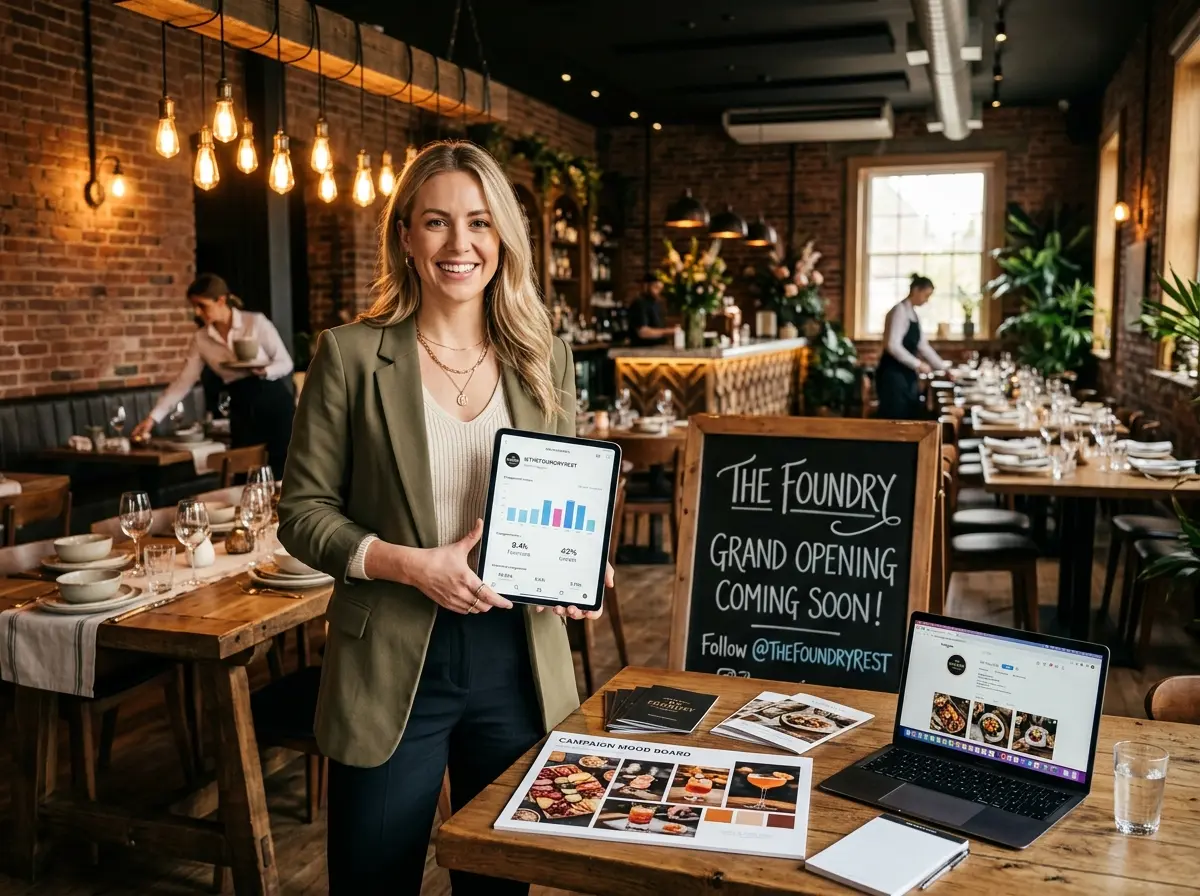
Once you know who you're talking to, start building your audience before you open. This means setting up social media accounts at least 60–90 days out, joining local Facebook groups and community pages, and reaching out to local food bloggers and influencers who already have the attention of your target demographic. According to a Toast Restaurant Report, over 35% of diners discover new restaurants through social media — which means your Instagram page is essentially your storefront before your actual storefront is ready.
Create a "Coming Soon" Digital Presence
Your website doesn't need to be fully built to be useful. A simple, visually compelling "coming soon" landing page with your restaurant name, concept, location, and an email signup form is enough to start capturing interested customers. Offer something in exchange for their email — early access to reservations, a chance to win a dinner for two on opening night, or a sneak peek at the menu. These early email subscribers are gold; they've self-selected as people who are genuinely excited about what you're doing.
The Countdown Campaign: Generating Momentum Week by Week
Now that your foundation is solid, it's time to build the actual campaign — the ongoing drumbeat of content, events, and engagement that gets louder and more frequent as your opening day approaches.
Master the Art of the Tease
The most effective pre-opening campaigns treat the lead-up like a story with chapters. Don't reveal everything at once. Share behind-the-scenes photos of your space being built out. Post a close-up of a single ingredient and ask followers to guess the dish. Introduce your chef and let their personality shine through short video clips. Each post should give people just enough to stay curious and come back for more.
Countdown content ideas that actually work include: "Meet the Team" spotlights, sneak peeks at plated dishes, videos of your chef explaining the inspiration behind a signature item, and time-lapse videos of your space transformation. According to Sprout Social, video content on Instagram generates 49% more interactions than static posts — so don't be shy about getting on camera, even if it's slightly uncomfortable at first.
Host a Soft Opening or Exclusive Preview Event
Nothing generates buzz quite like exclusivity. A soft opening — whether a private dinner for local influencers and food bloggers, a friends-and-family night, or an invite-only tasting event — creates social proof before you've officially opened your doors. When respected local voices post about your food, tag your location, and share their genuine excitement, it carries far more weight than anything you could say about yourself.
Reach out to local food media, lifestyle bloggers, and community figures four to six weeks before your planned event. Keep the invite personal and specific — "We'd love to have you as one of our first guests" lands very differently than a generic mass email blast. And make sure the experience is polished enough to photograph well, because it absolutely will be photographed.
Using Smart Tools to Stay Ahead of the Rush
Here's where many restaurant owners trip up: they nail the marketing but drop the ball on the operational side of customer engagement. You've generated interest — now people are calling, emailing, and walking by your location with questions. Are you actually ready to handle that volume before you're even open?
Let Technology Handle the Inquiries So You Can Focus on Opening
The weeks leading up to a restaurant opening are chaotic. Between training staff, finalizing menus, coordinating with vendors, and troubleshooting every surprise that construction loves to throw at you, answering phones and greeting curious passersby probably isn't at the top of your priority list — but it absolutely should be. First impressions start before opening day.
This is where Stella, an AI robot employee and phone receptionist, can be genuinely useful. Stella can stand inside your space as a physical kiosk, greeting curious visitors who peek in during your build-out and answering questions about your concept, opening date, and offerings. On the phone side, she handles incoming calls 24/7, answers common questions, and collects customer information so you have a warm list of interested guests ready to engage from day one. No missed calls, no frustrated voicemails, and no staff member pulled away from prep work to answer "what time do you open?"
Maximizing Opening Week and Beyond
Your pre-opening campaign doesn't end on opening day — it transitions into your ongoing marketing strategy. The momentum you've built needs to be sustained and converted into loyal, repeat customers.
Create an Opening Week Experience Worth Talking About
Opening week is your biggest marketing moment, so treat it like one. Consider offering a special opening week promotion — a complimentary amuse-bouche for early guests, a discounted prix-fixe for the first weekend, or a branded gift for the first 100 customers. These gestures are relatively low-cost but generate enormous goodwill and give people a reason to post and share their experience.
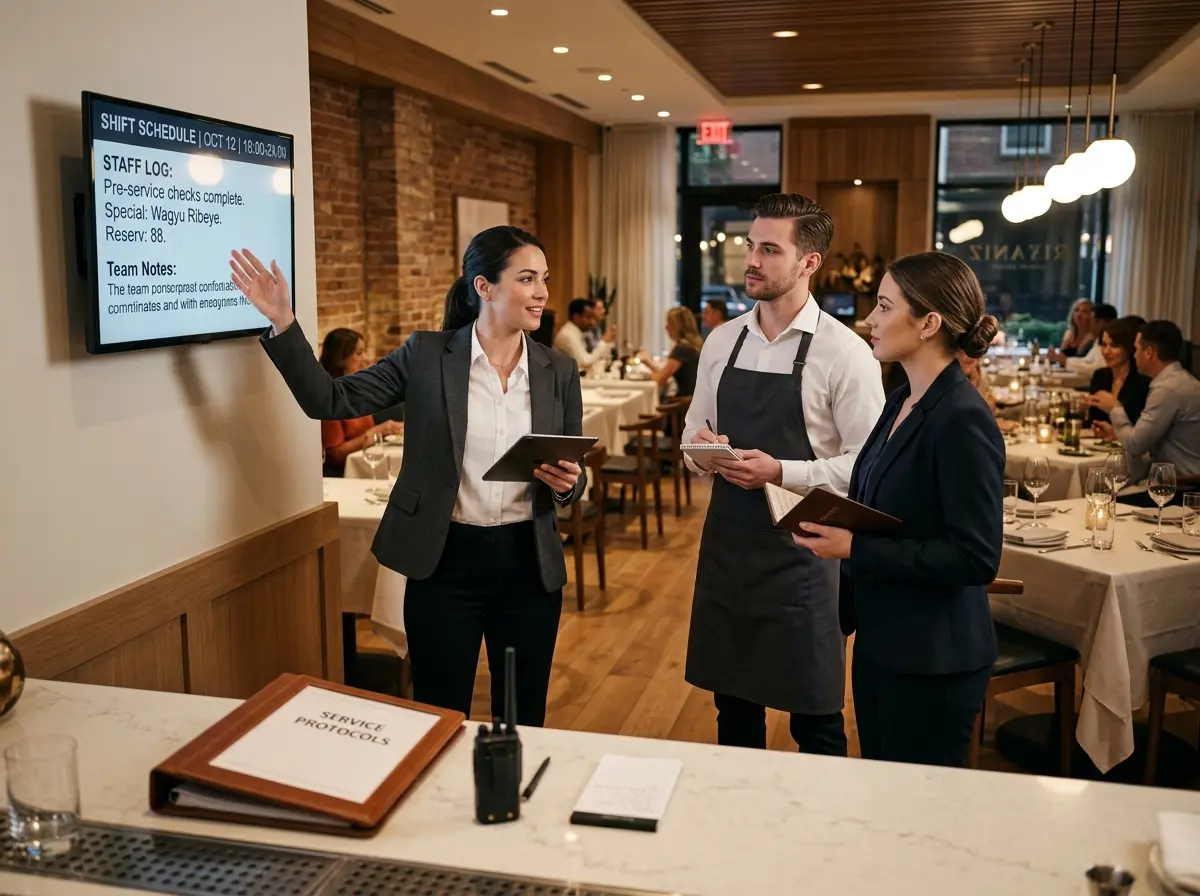
Make sure your staff is briefed on the campaign — every team member should know about any promotions, be comfortable talking up signature dishes, and understand the brand story well enough to tell it naturally. Your front-of-house team is your most powerful marketing tool, and an enthusiastic, knowledgeable server can convert a curious first-timer into a loyal regular faster than any Instagram ad.
Collect Feedback and Build Relationships Immediately
The data you collect in your first few weeks is invaluable. Pay attention to which dishes are generating the most conversation, which promotions are driving traffic, and what feedback — both positive and constructively critical — keeps coming up. Respond to every review and every social media comment in your first month. Not because the algorithm rewards it (though it does), but because it signals to your early customers that there's a real human being behind the restaurant who actually cares.
Turn First-Time Guests Into Regulars
A first visit is just the beginning of the relationship. Build your email list aggressively from day one, and use it to communicate specials, new menu items, and events in a way that feels personal rather than promotional. Consider a loyalty program or a "regulars" initiative that rewards guests who come back frequently. Studies consistently show that increasing customer retention by just 5% can increase profits by 25–95% — so the investment in relationship-building pays for itself many times over.
Quick Reminder About Stella
Stella is an AI robot employee and phone receptionist that works both as a physical in-store kiosk and a 24/7 phone answering system — no breaks, no sick days, and no "let me put you on hold." At just $99/month with no upfront hardware costs, she's an easy way to make sure your restaurant always has a professional, informed presence handling customer interactions, even during the madness of a grand opening season.
Your Opening Day Is Closer Than You Think — Start Now
A successful pre-opening buzz campaign isn't about having the biggest marketing budget or going viral overnight. It's about being intentional, consistent, and genuinely engaging with the community you're trying to serve — well before you serve them your first plate.
Here's your action plan to get started:
- Lock in your brand identity and story — know exactly who you are and who you're talking to before you post anything publicly.
- Set up your digital presence 60–90 days out — social media accounts, a coming soon landing page, and an email capture form.
- Build a content calendar that teases your concept, introduces your team, and counts down to opening day with engaging, behind-the-scenes storytelling.
- Plan a soft opening or preview event for local influencers, media, and community members 2–3 weeks before your official launch.
- Set up systems to handle incoming interest — make sure calls get answered, questions get responses, and no potential customer falls through the cracks.
- Execute an opening week that over-delivers, then immediately pivot to retention and relationship-building with the customers you've earned.
The restaurants that open to full tables and genuine excitement didn't get lucky — they planned for it. Now you have the roadmap. The only thing left is to get started, and maybe finally make a decision about the tile grout.