The Waiting Room: Where Patience Goes to Die (and Marketing Goes to Be Born)
Let's be honest. The waiting room experience at most practices is... fine. There are some chairs, maybe a fish tank if you're fancy, a stack of magazines from 2019, and the ambient hum of someone on hold with their insurance company. Patients sit. They scroll their phones. They wonder if they remembered to lock their car. And meanwhile, you're sitting on a goldmine of captive audience time that you're doing absolutely nothing with.
Here's a number worth thinking about: the average patient waits 18 to 20 minutes before being seen in a healthcare or professional services setting. That's nearly a full episode of a sitcom — and you're giving them nothing but fluorescent lighting and last quarter's copy of Better Homes & Gardens. In marketing terms, you have a warm, already-engaged audience sitting in your physical space, and you're letting that moment evaporate into thin air.
The good news? Turning dead wait time into a living, breathing marketing opportunity isn't complicated. It just requires a little intention — and maybe a slightly different way of thinking about the people sitting in those chairs.
Understanding What Your Waiting Room Is Actually Communicating
Before you can improve the waiting room experience, it helps to understand what it's already saying. Because whether you've thought about it or not, your waiting room is absolutely communicating something to every single patient who walks through the door. The question is whether it's saying what you want it to say.
First Impressions Are Still Impressions
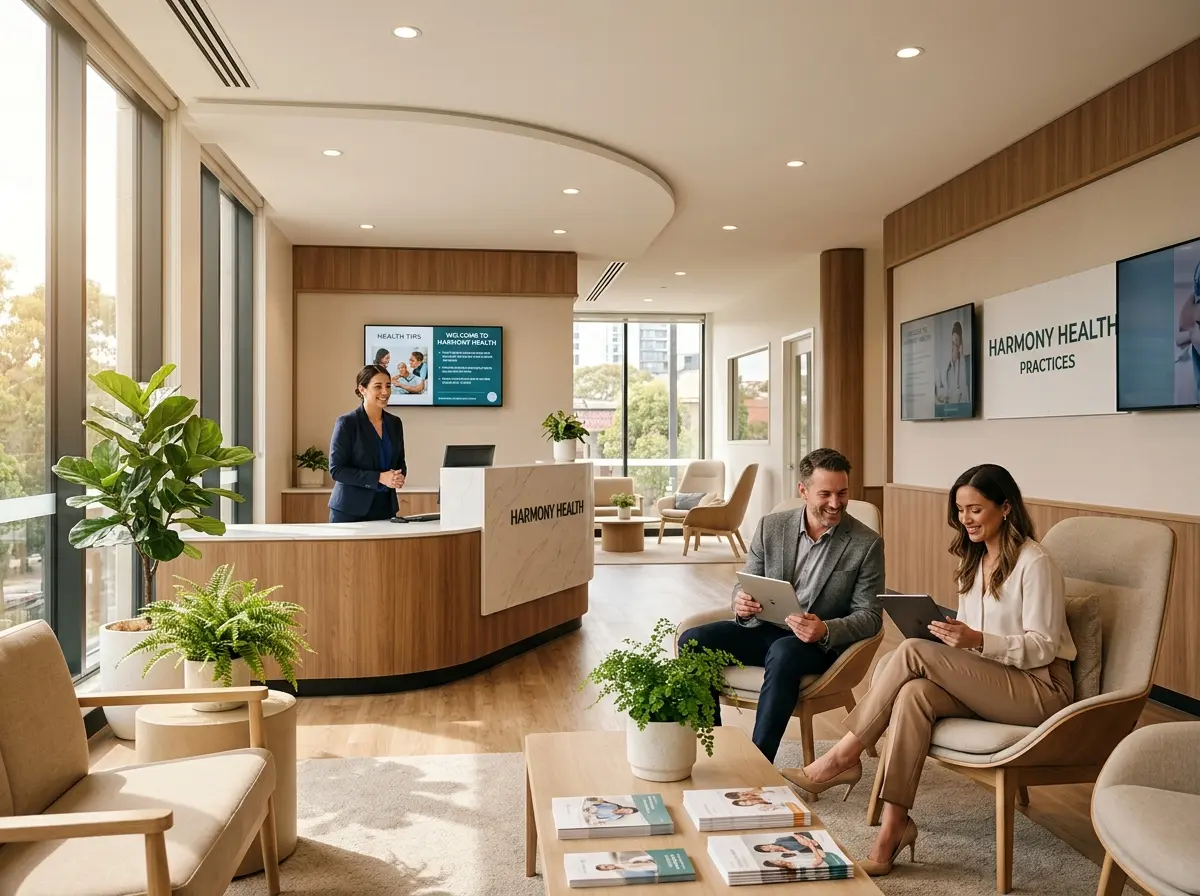
Patients form opinions about the quality of your practice before they ever sit down with you. The decor, the cleanliness, the temperature, the noise level, the staff interactions they observe — all of it feeds into a subconscious evaluation happening in real time. A dated, cluttered, or chaotic waiting area signals disorganization. A clean, thoughtfully designed space with intentional touches signals that you care about the details — which, in a professional services context, is exactly the message you want to send.
This doesn't mean you need to renovate. It means you need to be deliberate. Even small upgrades — updated signage, better lighting, a TV screen showing relevant content instead of a daytime talk show — communicate professionalism and attentiveness. These are cheap signals that carry significant weight.
Silence Is a Missed Conversation
The waiting room is also one of the few moments where a patient is mentally available and not yet in "appointment mode." They're relaxed, observant, and — crucially — open to information. This is the perfect window to introduce them to services they may not know you offer, promotions they might be interested in, or educational content that builds trust in your expertise.
A patient sitting in a dental office who sees a tasteful display about teeth whitening options is far more likely to ask about it than a patient who sees nothing. A client in a chiropractic waiting room who watches a short looping video about massage therapy add-ons is primed for an upsell conversation before the appointment even begins. The waiting room, when used strategically, becomes the opening act of the sales and relationship-building process — not just a holding pen.
Turning Wait Time into Engagement Time
Screens, Signage, and Subtle Selling
Digital signage has become remarkably affordable and is one of the highest-ROI investments a practice can make in their waiting area. A simple TV or monitor looping a branded slideshow of your services, patient testimonials, seasonal promotions, and staff introductions does passive marketing on your behalf around the clock. Unlike print materials, it's easy to update, impossible to lose, and doesn't require someone to physically pick it up and read it — it just... works.
Keep the content varied, visually appealing, and short enough to absorb in 30-second bursts. Rotate in educational content (why regular checkups matter, what a specific treatment involves, how to prepare for an appointment) alongside promotional content. This positions you as a trusted resource, not just a business trying to sell something — even when you are, in fact, trying to sell something.
Intake Forms That Don't Feel Like Homework
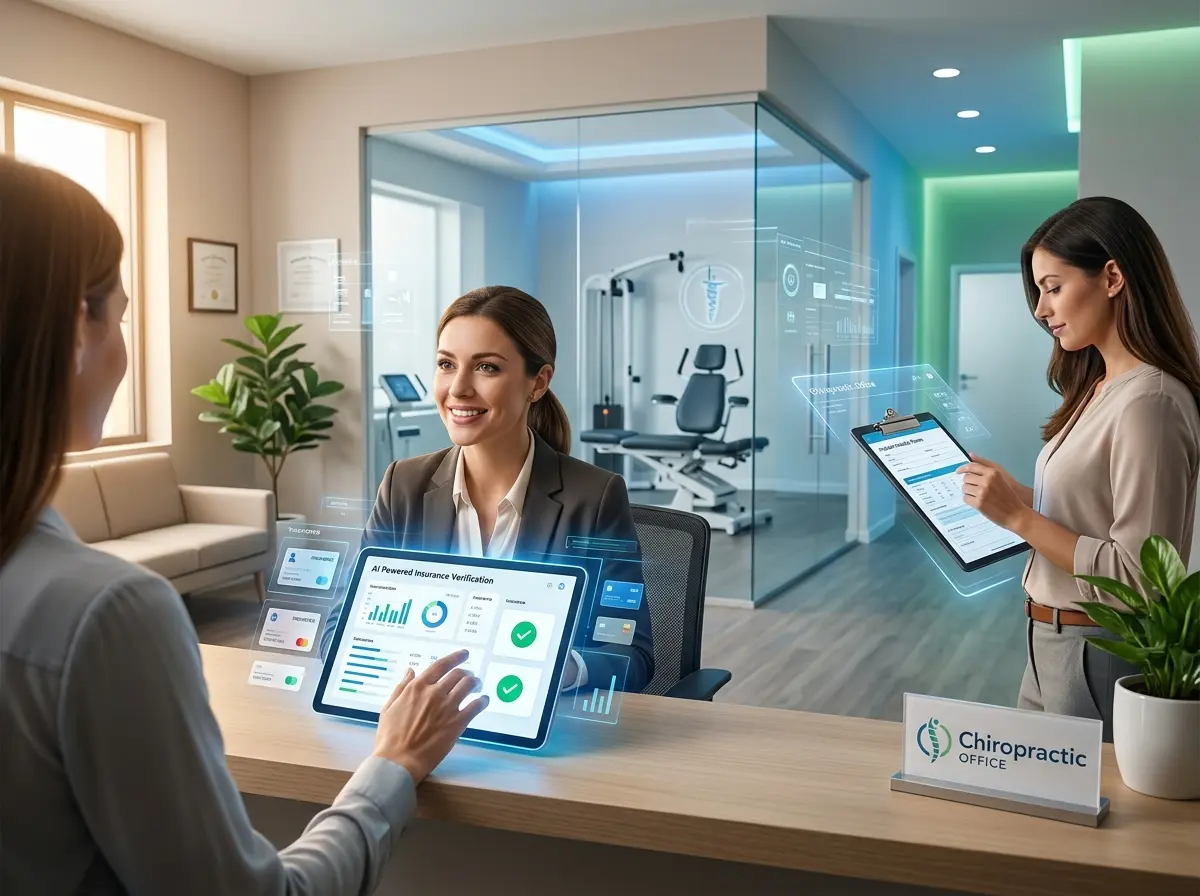
If your patients are still filling out paper intake forms on a clipboard, you're leaving both money and goodwill on the table. Digital intake — whether on a tablet at the front desk, through a QR code, or via a pre-visit text link — is faster, more accurate, and dramatically easier to integrate into your patient records. It also gives you the opportunity to ask smarter questions: What services are they interested in learning more about? How did they hear about you? Would they like to receive promotional offers?
These questions, embedded naturally into a digital intake experience, become a lead generation and segmentation tool. You're not bothering anyone — you're asking while they're already in the process of giving you information. It's efficient, professional, and quietly brilliant.
How Technology Can Do the Heavy Lifting
Here's where things get genuinely interesting for practice owners who don't have time to become marketing strategists between appointments. Modern tools exist specifically to automate the engagement, upselling, and information-sharing functions that used to require dedicated staff time — and one of the more notable ones is worth a mention here.
A Kiosk That Actually Talks to Your Patients
Stella is an AI robot employee that stands inside your practice and engages patients naturally — answering questions about your services, highlighting current promotions, and providing a consistent, professional presence without requiring any staff bandwidth. She's not a screen on a wall; she's a conversational kiosk that proactively greets people, answers their questions, and keeps them informed and engaged while they wait. She also handles phone calls around the clock, so your practice is never unreachable — and for practices that want to streamline intake, her built-in CRM and conversational intake forms make collecting and organizing patient information seamless. For a practice trying to make every minute of the patient journey count, Stella makes the waiting room an active part of your marketing strategy rather than a passive footnote.
Making It Personal: The Experience Layer That Builds Loyalty
Marketing in a waiting room doesn't have to feel clinical or transactional. In fact, the most effective waiting room experiences are the ones that feel human — warm, thoughtful, and genuinely invested in the patient's wellbeing. That's the experience layer, and it's what separates practices that patients return to from practices that patients merely tolerate.
Comfort Is a Brand Statement
Good coffee, comfortable seating, appropriate background music, a phone charging station — these aren't luxuries. They're brand investments. Every small comfort communicates that you've thought about your patients' experience beyond the appointment itself. It's the kind of detail that gets mentioned in online reviews, recommended to friends, and remembered when a patient is choosing between you and a competitor down the street. The ROI on a decent Keurig machine is, frankly, underrated.
Personalization Through Data
If your practice has a CRM or patient management system — and it should — use it to personalize the experience in ways patients notice. A front desk team that greets returning patients by name, acknowledges a previous visit, or mentions a service they inquired about last time creates a moment of connection that no amount of waiting room marketing can replicate. The technology is the infrastructure; the human touch is the differentiator. Use both deliberately.
Practices that combine smart environmental design, passive digital marketing, streamlined intake, and genuine personal engagement don't just fill appointment slots — they build the kind of patient relationships that generate referrals, repeat visits, and five-star reviews. And all of it starts with what happens in the room before the appointment even begins.
A Quick Reminder About Stella
Stella is an AI robot employee and phone receptionist built for businesses of all kinds — including practices like yours. She greets patients in person at her kiosk, answers questions, promotes your services and specials, and handles phone calls 24/7 with the same knowledge and consistency she brings in person. At just $99/month with no upfront hardware costs, she's one of the most practical tools available for practices that want to elevate every touchpoint in the patient experience — including the waiting room.
Stop Wasting the Wait
The waiting room has been an afterthought in most practices for decades. It doesn't have to be. Every minute a patient spends in that space is a minute of potential engagement, education, and relationship-building that costs you nothing extra if you set it up right — and costs you significantly in lost opportunity if you don't.
Here's what you can do starting this week:
- Audit your waiting room with fresh eyes. Sit in one of your own waiting chairs and look around. What does the space communicate? What questions are unanswered? What services are invisible?
- Add or upgrade digital signage. Even a basic TV with a rotating branded slideshow is infinitely better than nothing — and better than cable news, which should never be your waiting room's background track.
- Switch to digital intake forms. Reduce friction, improve data quality, and embed a few smart marketing questions into the process.
- Train your team on the handoff. When a patient comes out of the waiting room having seen a promotion or asked a question at a kiosk, your staff should be ready to continue that conversation naturally.
- Measure what you do. Track which promotions patients mention, which services generate waiting-room questions, and whether your changes are driving new appointment types or add-on services.
The waiting room isn't wasted time. It's unscheduled opportunity. And now that you see it that way, you can't unsee it — which means you're already ahead of most of your competition. You're welcome.