So You've Got Bottles Worth More Than Some People's Car Payments
Welcome to the wonderful world of allocated and high-value spirits — where a single bottle of Pappy Van Winkle can cause grown adults to act like they're camping outside a concert venue, and where your inventory management strategy can make or break your reputation faster than you can say "allocated bourbon." If you've ever had a customer call fourteen times asking if their name made the list for the next Blanton's shipment, you already know exactly what kind of chaos we're talking about.
Managing high-value and allocated inventory is one of the most nuanced challenges in the liquor retail business. Done right, it builds fierce customer loyalty, drives word-of-mouth, and positions your store as the destination for serious enthusiasts. Done wrong, it creates accusations of favoritism, missed opportunities, and a comment section on your Google reviews that you'd rather pretend doesn't exist. The good news? With the right systems, processes, and a little strategic thinking, you can turn allocated inventory management from a headache into a genuine competitive advantage.
Building a Fair and Transparent Allocation System
The first rule of allocation club is: have rules. Customers will accept almost any policy as long as it's consistent, communicated clearly, and applied fairly. The second rule of allocation club is that you absolutely must communicate those rules — loudly, often, and without ambiguity.
Defining Your Allocation Criteria
Before you can manage allocated inventory well, you need to decide what "fair" looks like for your store. Some shops operate on a pure first-come, first-served basis. Others build loyalty point systems where purchase history determines priority. Still others use a lottery model, which has the added benefit of feeling impartial even when demand wildly outstrips supply.
There's no universally correct answer, but the most effective systems tend to reward genuine customers over opportunistic flippers. Consider weighing factors like overall purchase history, account age, and participation in store events or tastings. A customer who has spent $2,000 with you over three years probably deserves priority over someone who created an account the day they heard Weller was coming in. Whatever criteria you choose, document them, publish them, and stick to them religiously.
Creating a Waitlist or Registration System
A structured waitlist is your best friend. Whether you use a dedicated retail software platform, a simple spreadsheet, or a CRM tool, having a formal registration process accomplishes several things at once: it sets expectations, reduces the volume of "do you have any yet?" phone calls, and gives you a database of your most engaged customers that you can market to year-round.
Make the registration process easy but intentional. Ask for name, contact information, which products they're interested in, and how they prefer to be contacted when something arrives. This data is gold. A customer who signs up for your Allocated Bourbon waitlist is essentially raising their hand and saying, "I am a serious buyer — please keep talking to me." Treat them accordingly.
Setting Quantity Limits and Anti-Flipping Measures
One bottle per customer per release is a standard starting point, and for good reason. It ensures more of your loyal customers get access and reduces the likelihood that your carefully sourced allocated spirits end up immediately flipped for profit online. Some stores go further by requiring in-person pickup with valid ID, implementing holding periods before resale, or even tracking purchase patterns to identify repeat flippers and quietly deprioritizing them in future allocations. Is it a little extra work? Yes. Is it worth it when your regulars are genuinely grateful instead of frustrated? Absolutely.
How Technology Can Take the Pressure Off Your Staff
Here's the uncomfortable truth: your staff is spending a significant portion of their day answering the same three questions. "Did the Blanton's come in?" "Am I on the list?" "When's the next drop?" These are not bad questions — they're actually signs of an engaged, enthusiastic customer base. But when those questions eat into time your team should be spending on the floor helping customers discover new products, the math stops working in your favor.
Letting AI Handle the Repetitive Inquiries
This is exactly where Stella, an AI robot employee and phone receptionist, becomes genuinely useful for liquor store owners. Stella can be configured with your current allocation policies, waitlist status, upcoming release information, and store hours — and then field those repetitive inbound calls and in-store questions without pulling a single human staff member away from more valuable tasks. She answers phones 24/7, which means the customer who suddenly remembers at 10 PM that they wanted to get on the Weller list actually gets a helpful, informed response instead of voicemail. For customers who walk into the store, her physical kiosk presence means she can proactively engage shoppers, answer product questions, and even collect waitlist registration information on the spot through conversational intake forms. Her built-in CRM also lets you tag, track, and manage your allocation customers with custom fields and notes — keeping your most valuable buyer relationships organized without the chaos of a spreadsheet that only one person knows how to read.
Pricing, Merchandising, and the Art of Not Causing a Scene
High-value inventory demands a different merchandising and pricing philosophy than your everyday shelf stock. How you display, price, and communicate about premium bottles sends a signal to customers about what kind of store you are — and what kind of customers you want.
Pricing Strategy for Allocated and Premium Bottles
The question of whether to price allocated bottles at MSRP or above it is one that liquor store owners debate endlessly, usually with great passion and occasionally over a glass of something allocated. The honest answer is that it depends on your market, your customer relationships, and your long-term business goals.
Pricing at or near MSRP on allocated items builds extraordinary loyalty and word-of-mouth — customers talk, and a reputation for fair pricing on hard-to-find bottles is worth more than a short-term margin bump. That said, pricing legitimately scarce items slightly above MSRP is a defensible business practice, especially when you've invested significant effort in sourcing them. What tends to backfire spectacularly is extreme markups that feel exploitative — those screenshots have a way of making it onto Reddit forums and Facebook groups where your core customers hang out.
Displaying High-Value Bottles Effectively
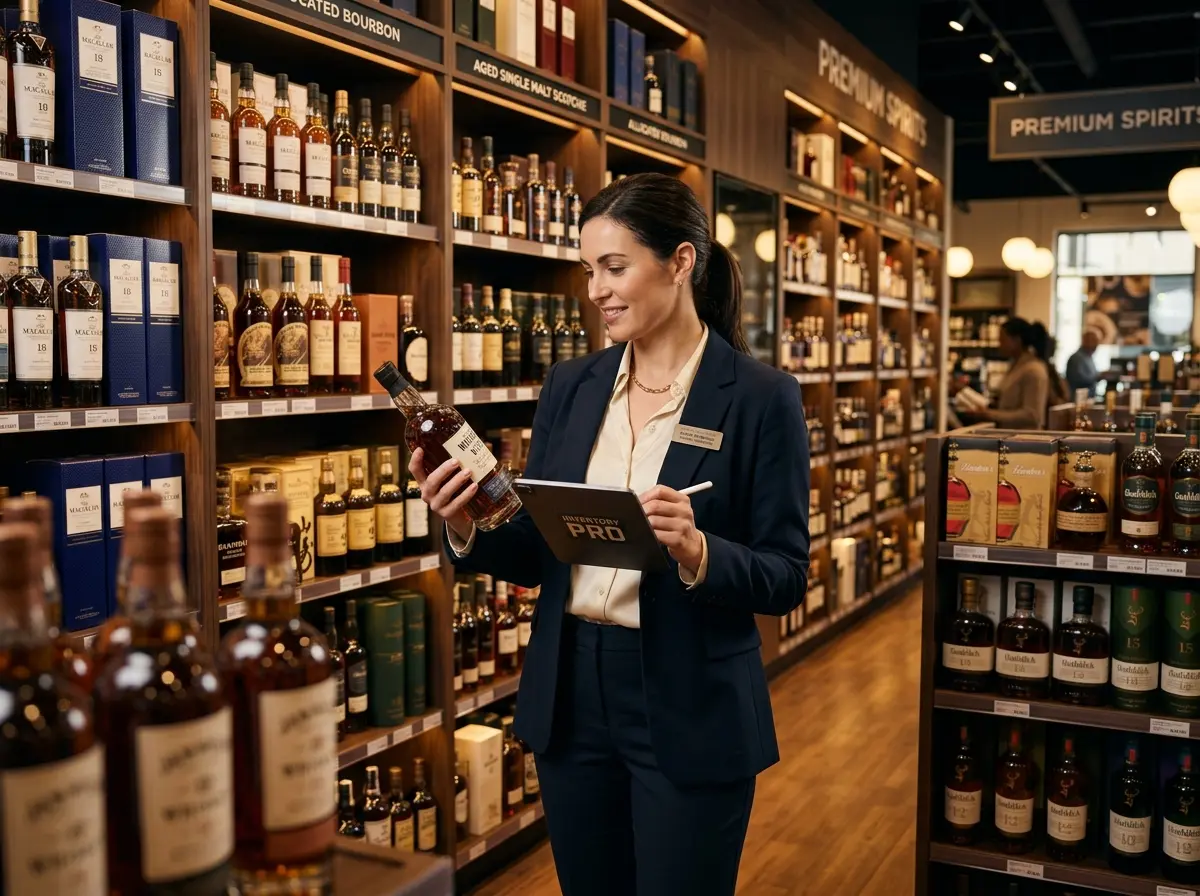
Your premium and allocated inventory deserves premium display treatment. Locked cases with proper lighting, dedicated shelf sections with clear signage, and staff-assisted service for high-value bottles all communicate that these products are special — and that your store takes them seriously. Proper display also reduces shrinkage, which is a less glamorous but entirely real concern when you're stocking bottles that retail for $150 or more.
Consider using shelf talkers or small information cards that briefly describe the product's backstory, tasting notes, and why it's allocated. Customers love context, and a little education goes a long way toward justifying a premium price point while also enriching the shopping experience. You're not just selling a bottle — you're selling a story.
Communicating New Arrivals and Releases
When a highly anticipated allocation comes in, how you communicate that arrival matters as much as the product itself. A well-timed email or text to your waitlist, a social media post that rewards your followers for paying attention, and clear in-store signage all work together to create excitement without manufactured drama. Avoid the temptation to be unnecessarily cryptic or to create artificial urgency — your customers are smart, and they appreciate straightforward communication from a retailer they trust. That trust, once built, keeps them coming back for everything from their everyday wines to the bottle they'll serve at their anniversary dinner.
Quick Reminder About Stella
Stella is an AI robot employee and phone receptionist that works inside your store as a human-sized kiosk and answers your phones 24/7 — all for $99/month with no upfront hardware costs. She's always on, never calls in sick, and never forgets your current promotions or policies. For liquor store owners juggling allocated releases, waitlists, and high-volume customer inquiries, she's the kind of consistent, knowledgeable presence that keeps things running smoothly without adding to your payroll headaches.
Turning Allocated Inventory Into a Long-Term Business Asset
Managing high-value and allocated inventory well is ultimately about something bigger than bottles — it's about building the kind of store that serious enthusiasts trust, recommend, and return to year after year. The tactical elements matter: fair allocation policies, transparent communication, smart pricing, and effective merchandising all contribute directly to your bottom line and your reputation.
But the strategic goal is customer relationships. Every allocated release is an opportunity to reinforce to your best customers that you see them, you value them, and you've built systems specifically to reward their loyalty. When you get that right, those customers become advocates who send their friends to you, who leave glowing reviews, and who choose your store even when a competitor might have the same bottle in stock.
Here's where to start if you're looking to tighten up your approach:
- Audit your current allocation process — honestly assess whether it's documented, fair, and consistently applied.
- Build or formalize your waitlist system — even a well-organized spreadsheet is better than a sticky note on the register.
- Review how your staff handles allocation inquiries — identify where time is being lost to repetitive questions and consider whether technology can help.
- Evaluate your high-value merchandising — walk your store as if you're a customer seeing it for the first time and ask whether premium products look premium.
- Communicate proactively — build an email or SMS list of your most engaged customers and use it consistently to keep them informed.
You've got the good stuff. Now build the systems that make sure the right customers get it — and that they never forget where they got it from.