So You Want to Make Money While You Sleep
Congratulations — you've officially had the thought that every personal trainer eventually has somewhere between their third double-shot espresso and their sixth back-to-back client: "There has to be a better way to make money without trading every single hour of my life for it." Welcome to the passive income conversation. Pull up a foam roller and get comfortable.
But let's be honest: "passive income" is one of the most gloriously misleading terms in modern entrepreneurship. Nothing about building an online program is passive at the start. It takes strategy, hustle, and a willingness to show up on camera even when your hair has other plans. The passive part comes later, once the systems are built and running. This guide will show you exactly how to get there.
Building Your Online Program From the Ground Up
Identifying Your Niche and Target Client
Structuring Your Program for Results (and Rave Reviews)
An online program lives and dies by its results. Not just the actual fitness outcomes — though those matter enormously — but the perceived journey. Clients need to feel progress, not just measure it. Structure your program in phases with clear milestones, and build in small wins early so people don't abandon ship in week two.
A solid structure typically includes an onboarding module that sets expectations and builds excitement, progressive workout phases of three to four weeks each, educational content explaining the why behind the training, and a community or accountability component to reduce dropout rates. According to research from the American Council on Exercise, accountability is one of the single most powerful predictors of fitness program adherence — so don't skip it just because you're not meeting clients in person.
Choosing the Right Platform to Deliver Your Program
Keeping Your Business Running While You Build
Let Automation Handle the Repetitive Stuff
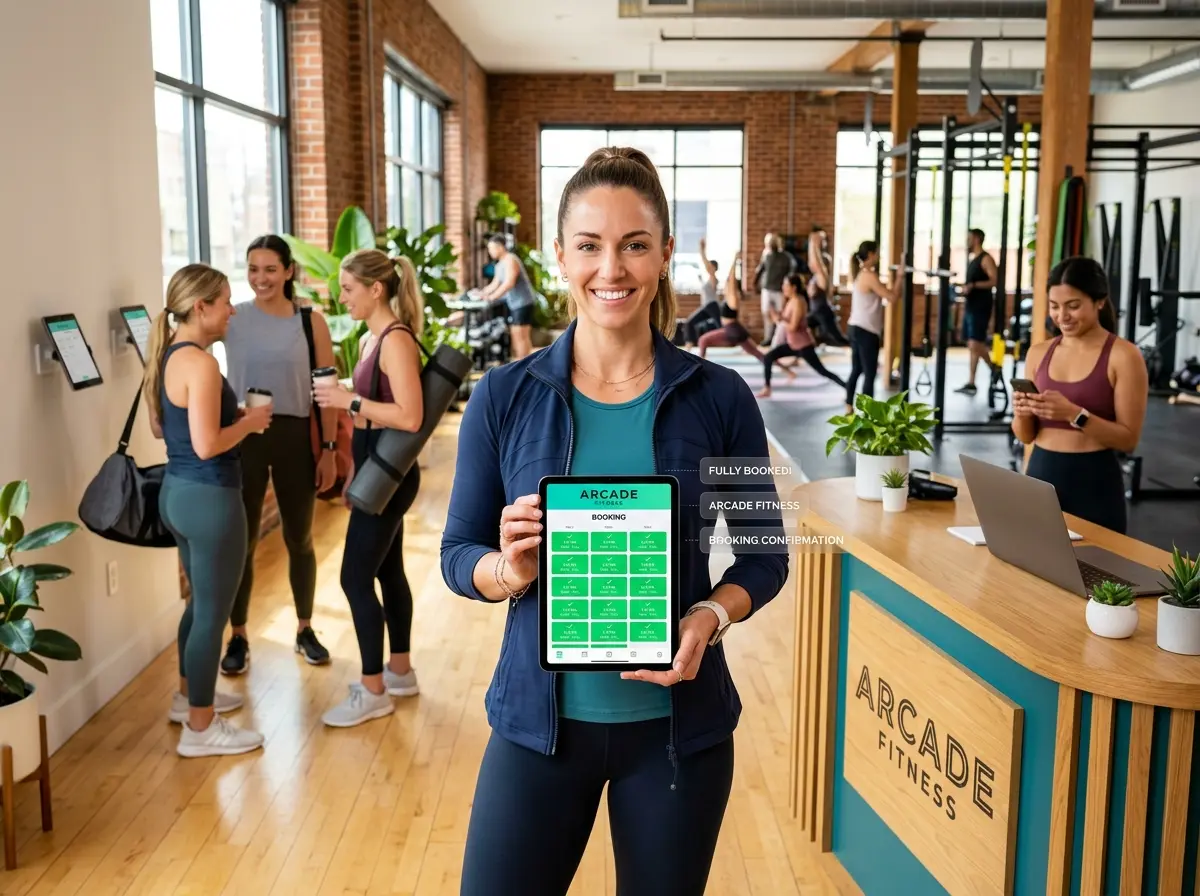
This is exactly where Stella — an AI robot employee and phone receptionist — can be a quiet hero for personal trainers who are juggling in-person clients, online program development, and the general chaos of running a business. If you have a physical studio or gym space, Stella greets walk-in visitors, answers their questions about your services and current offers, and keeps them engaged without pulling you away from a session. On the phone side, she handles incoming calls 24/7, collects intake information through conversational forms, and makes sure no potential client ever hits voicemail and ghosts you forever. At $99/month, she's considerably less expensive than hiring a part-time receptionist who also takes sick days.
Marketing and Selling Your Program Without Feeling Gross About It
Building an Audience Before You Launch
Pricing Strategically and Positioning Confidently
Using Email Sequences and Evergreen Funnels for True Passivity
A Quick Reminder About Stella
While you're busy building your online program and marketing funnels, Stella is holding down the fort — greeting clients at your studio, answering calls around the clock, and making sure your business looks polished and professional even when your attention is elsewhere. She's an AI robot employee and phone receptionist built for exactly this kind of multitasking business owner, and at $99/month, she's one of the most cost-effective hires you'll ever make.
Your Next Steps Start Now
- Define your niche this week — get uncomfortably specific about who you serve and what problem you solve.
- Outline your program structure before you record anything — phases, milestones, content modules, and accountability touchpoints.
- Start building your audience now — post consistently about your niche, share value freely, and grow that email list like your revenue depends on it (because it does).
- Choose one platform and commit to it for your first launch — perfection is the enemy of launched.
- Set up your evergreen funnel after your first successful launch validates the program with real human feedback.