So, You Want Athletes Walking Through Your Door?
Let's be honest — athletes are some of the most motivated, loyal, and demanding patients a physical therapy clinic can attract. They want results yesterday, they'll refer their entire team if you impress them, and they have absolutely zero patience for a vague treatment plan that doesn't address their specific performance goals. If your clinic isn't offering a structured dry needling program, you're essentially showing up to a race without shoes. Technically possible, but not a great look.
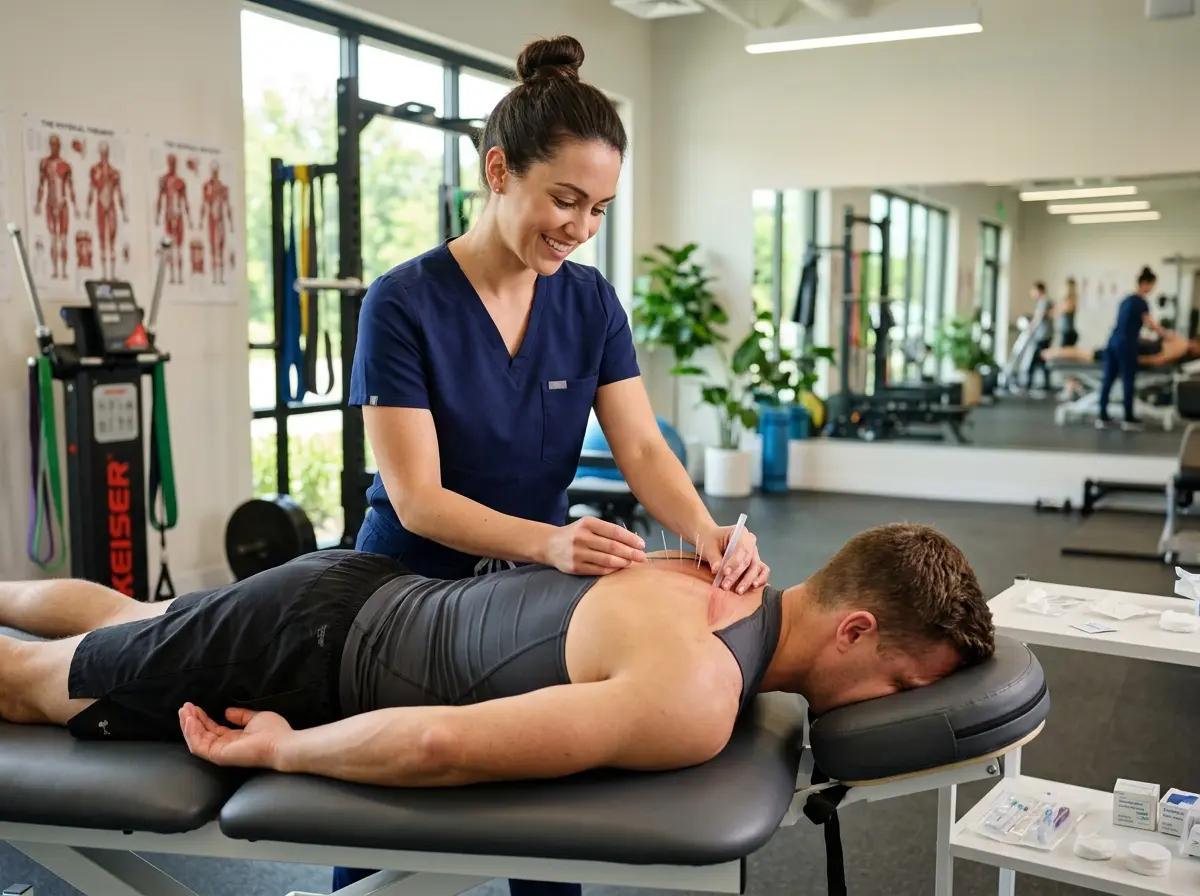
Dry needling has exploded in popularity among athletes — from weekend warriors nursing a stubborn hamstring to professional competitors dealing with chronic muscle dysfunction. It's fast, targeted, and backed by a growing body of research supporting its effectiveness for musculoskeletal pain, muscle recovery, and neuromuscular performance. But here's the thing: simply offering dry needling isn't enough. A structured program — one that's marketed clearly, delivered consistently, and integrated into a broader athletic care model — is what separates clinics that attract athletes from clinics that occasionally treat them by accident.
Why Athletes Are the Ideal Dry Needling Patient
They're Results-Oriented and Open to Evidence-Based Care
Athletes Travel in Packs (And They Talk)
They're Willing to Invest in Their Bodies
Streamlining Your Intake and Communication with Smart Tools
First Impressions and Intake Matter More Than You Think
You can have the best dry needling program in the region, but if athletes call your clinic and hit a voicemail — or worse, wait three days for a callback — you've already lost them. Athletes move fast and expect responsiveness. This is where Stella, the AI robot employee and phone receptionist, can genuinely help your clinic. Stella answers every call 24/7, walks callers through your dry needling offerings, collects intake information through conversational forms, and ensures no lead falls through the cracks. For clinics with a physical location, she also greets walk-in patients at the kiosk, promotes your current programs, and answers common questions — without pulling your licensed staff away from treating patients.
Think about it: an athlete calls at 9 PM after a brutal training session wanting to book a dry needling consultation. Stella picks up, explains your program, collects their information, and flags it for your team in the morning. That's a lead captured that your competitor — who also didn't answer — just lost.
Building a Structured Dry Needling Program That Actually Attracts Athletes
Create Tiered, Sport-Specific Protocols
Consider developing tiered protocols based on sport or common injury type. For example, a Runner's Recovery Protocol might include an initial assessment, two to three dry needling sessions targeting the glutes, hip flexors, and calves, combined with functional movement work and load management education. A Overhead Athlete Protocol for baseball or volleyball players might focus on the rotator cuff, posterior shoulder capsule, and thoracic spine. These named, sport-specific programs signal to athletes that you understand their world — not just their anatomy.
Integrate Dry Needling into a Broader Athletic Performance Model
Market It Like an Athletic Brand, Not a Medical Office
Quick Reminder About Stella
While you're busy building out your athletic dry needling program, don't let the phones become a liability. Stella is an AI robot employee and phone receptionist that works 24/7 for just $99/month — answering calls, greeting walk-in patients at the kiosk, collecting intake information, and making sure every potential athlete patient gets a professional response the moment they reach out. She doesn't take breaks, doesn't call in sick, and never puts a motivated athlete on hold.
Your Next Steps Toward an Athlete-Ready Clinic
Here's your action plan to get started:
- Audit your current dry needling offerings. Are they structured? Sport-specific? Clearly marketed? If not, start there.
- Develop two or three named athletic protocols targeting the sports most common in your community — runners, gym athletes, overhead athletes, cyclists, etc.
- Update your website and Google profile with sport-specific language, keywords athletes actually search for, and clear program descriptions.
- Build community connections. Reach out to one local athletic organization this week — a running club, gym, or sports team — and introduce your clinic.
- Make sure your phones are covered. If after-hours calls are slipping through, it's worth exploring tools like Stella to ensure no athlete inquiry goes unanswered.