So You Want Customers to Order Online and Pick Up In Store (Good Luck — Just Kidding, We've Got You)
Here's a fun little paradox for modern retailers: customers want the convenience of online shopping and the instant gratification of walking out of a store with a bag in hand. Enter Buy Online, Pick Up In Store — or BOPIS, for those who enjoy acronyms that sound like a Roman senator's name.
BOPIS isn't just a trendy buzzword. According to data from Adobe Analytics, BOPIS orders grew by over 208% during peak retail periods, and that momentum hasn't slowed. Customers love it because it eliminates shipping costs and wait times. Retailers love it because it drives foot traffic — and foot traffic drives impulse purchases. Studies consistently show that over 40% of BOPIS customers buy additional items when they come in to pick up their order. So yes, it's a win-win. But only if you implement it correctly, which — fair warning — is where most retailers stumble.
This guide walks you through exactly how to set up BOPIS the right way, from inventory systems to in-store experience, so you can capture those customers, delight them, and maybe sell them a few things they didn't know they needed.
Building the Foundation: Technology and Inventory Essentials
Before you slap a "Pick Up In Store" button on your website and call it a day, you need the infrastructure to back it up. Nothing destroys customer trust faster than confirming an order online, only for the customer to arrive and discover the item is either out of stock, in the wrong size, or somehow physically missing. It happens more than retailers care to admit.
Real-Time Inventory Synchronization
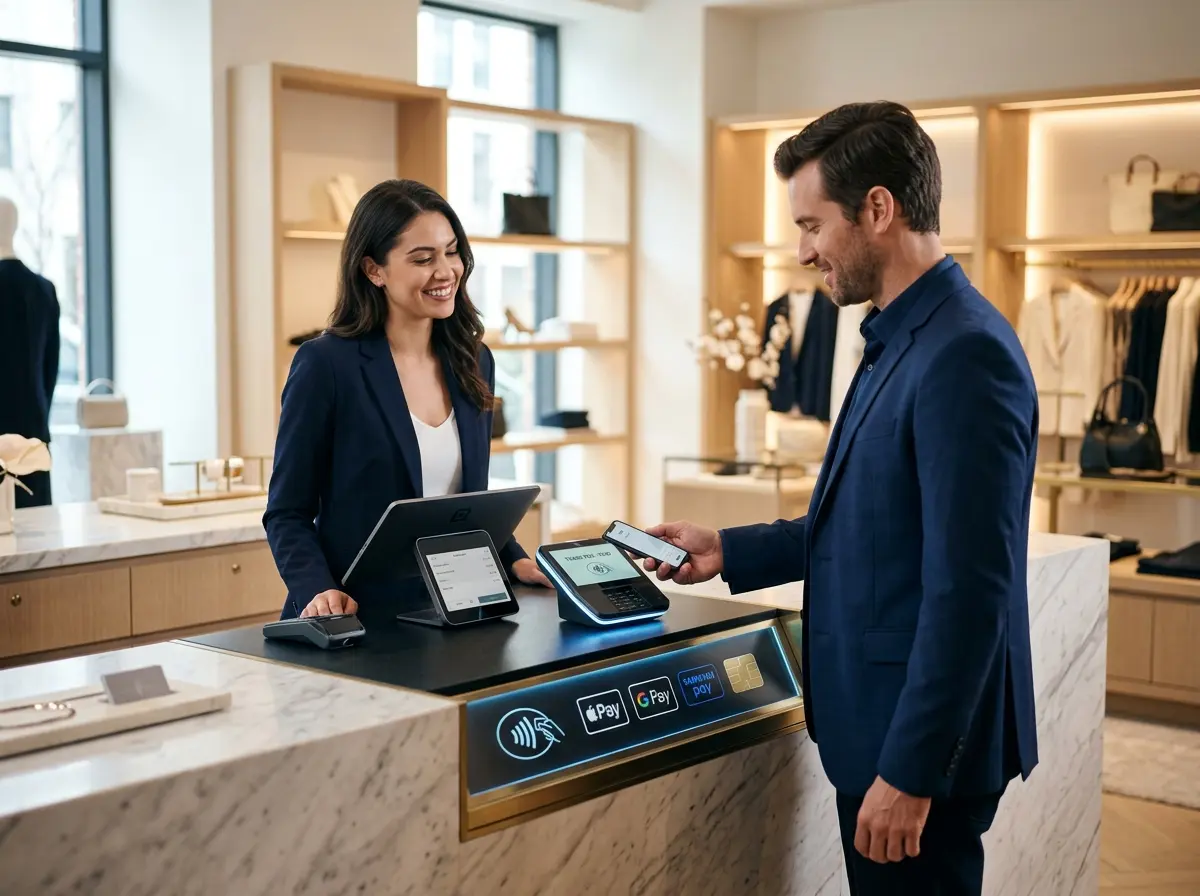
The backbone of any successful BOPIS program is real-time inventory visibility. Your online store and your physical store need to share a single source of truth — not two separate spreadsheets that someone manually updates every Thursday. You need a point-of-sale (POS) system that integrates directly with your eCommerce platform so inventory levels update the moment a sale happens, online or in person.
Popular integrations include Shopify POS with Shopify Online, Square with WooCommerce, and Lightspeed with BigCommerce. Whatever stack you're running, ensure the sync is bidirectional and real-time. Buffer your inventory slightly — if you have 3 units in stock, consider only showing 2 as available for BOPIS pickup. This safety cushion accounts for shrinkage, misplacements, and the occasional item that somehow grows legs.
Choosing the Right eCommerce Platform Features
Your eCommerce platform needs to support location-based inventory, pickup scheduling, and order status notifications out of the box — or through well-supported plugins. Customers should be able to select their pickup location, choose a pickup window, and receive automated confirmation and ready-for-pickup emails or texts without your staff having to manually send a single message.
Set clear pickup windows — same-day pickup within 2–4 hours is the gold standard, but be realistic about your staffing. It's far better to promise pickup in 24 hours and deliver in 4 than to promise 2 hours and consistently miss it. Under-promise, over-deliver. Classic, but timeless.
Dedicated BOPIS Order Management Workflow
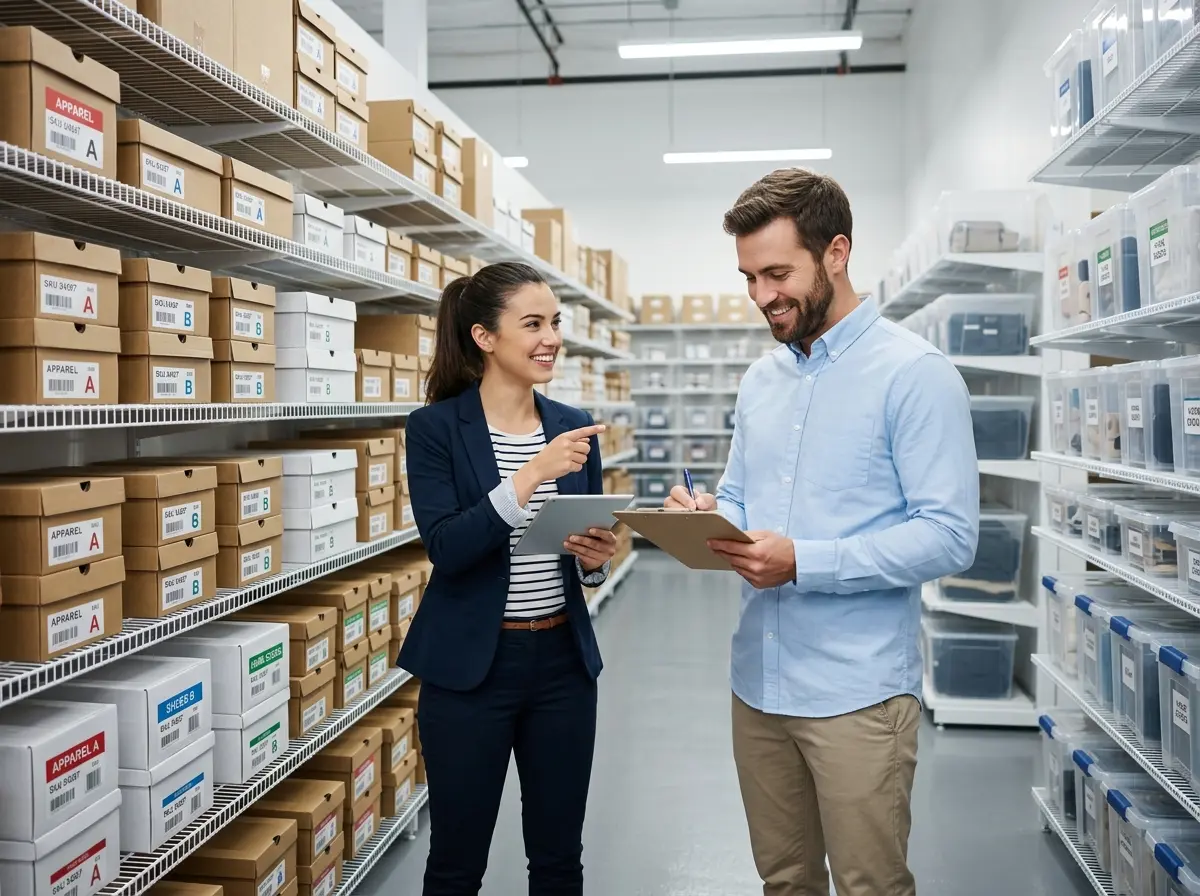
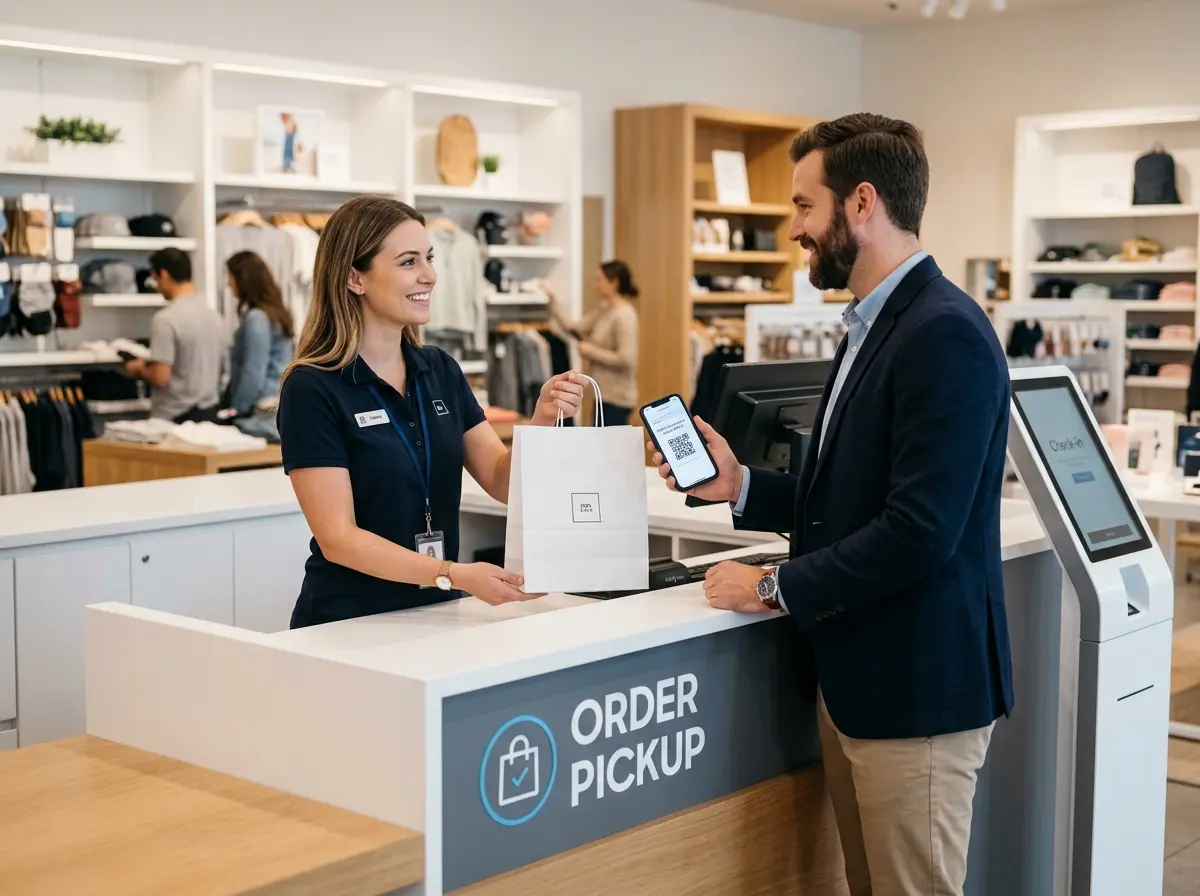
Create a clear internal workflow for how BOPIS orders are received, pulled, packed, and staged. Assign specific staff responsibilities during each shift. Orders should flow into a dedicated queue — separate from regular sales — so they don't get lost in the shuffle. Use a designated pickup area in your store that is clearly labeled, easy to find, and staffed or monitored. Customers should never have to wander around asking three different employees where their online order is.
Elevating the In-Store Pickup Experience
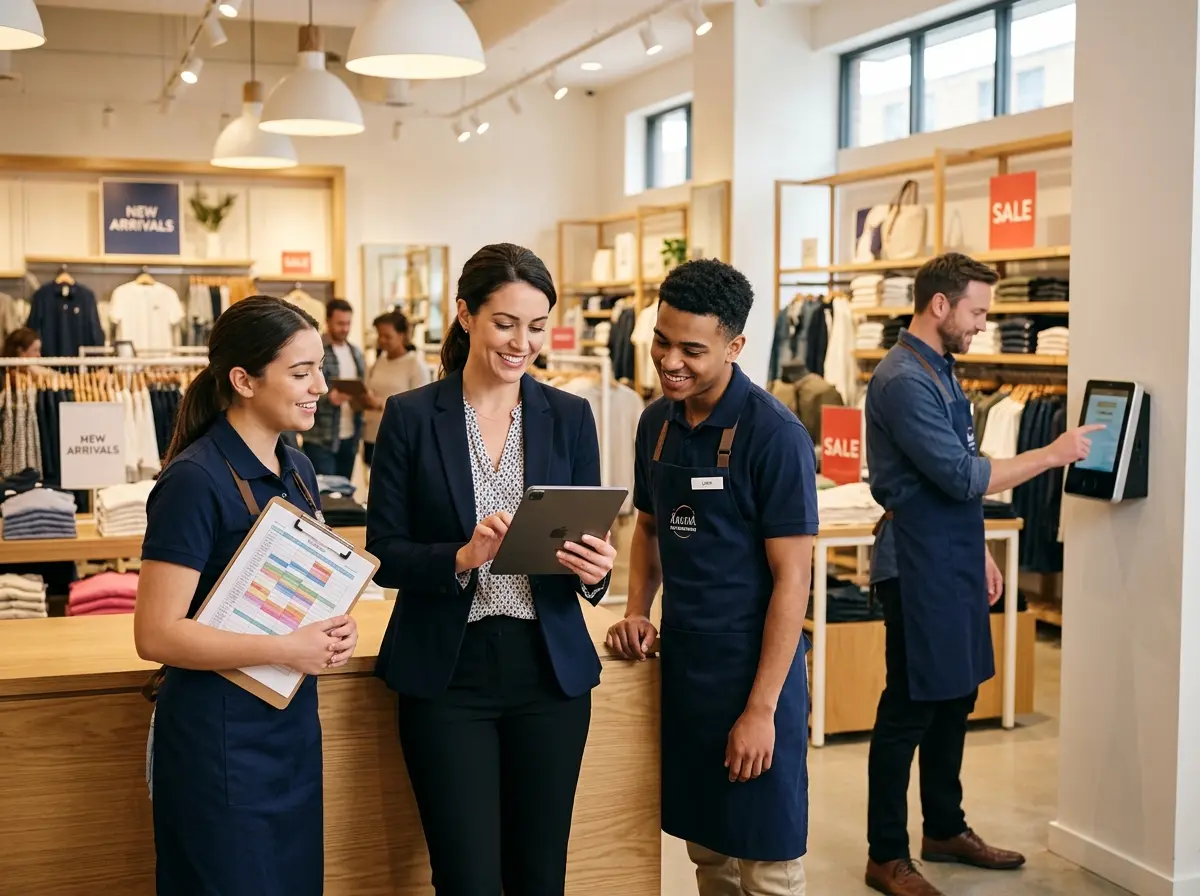
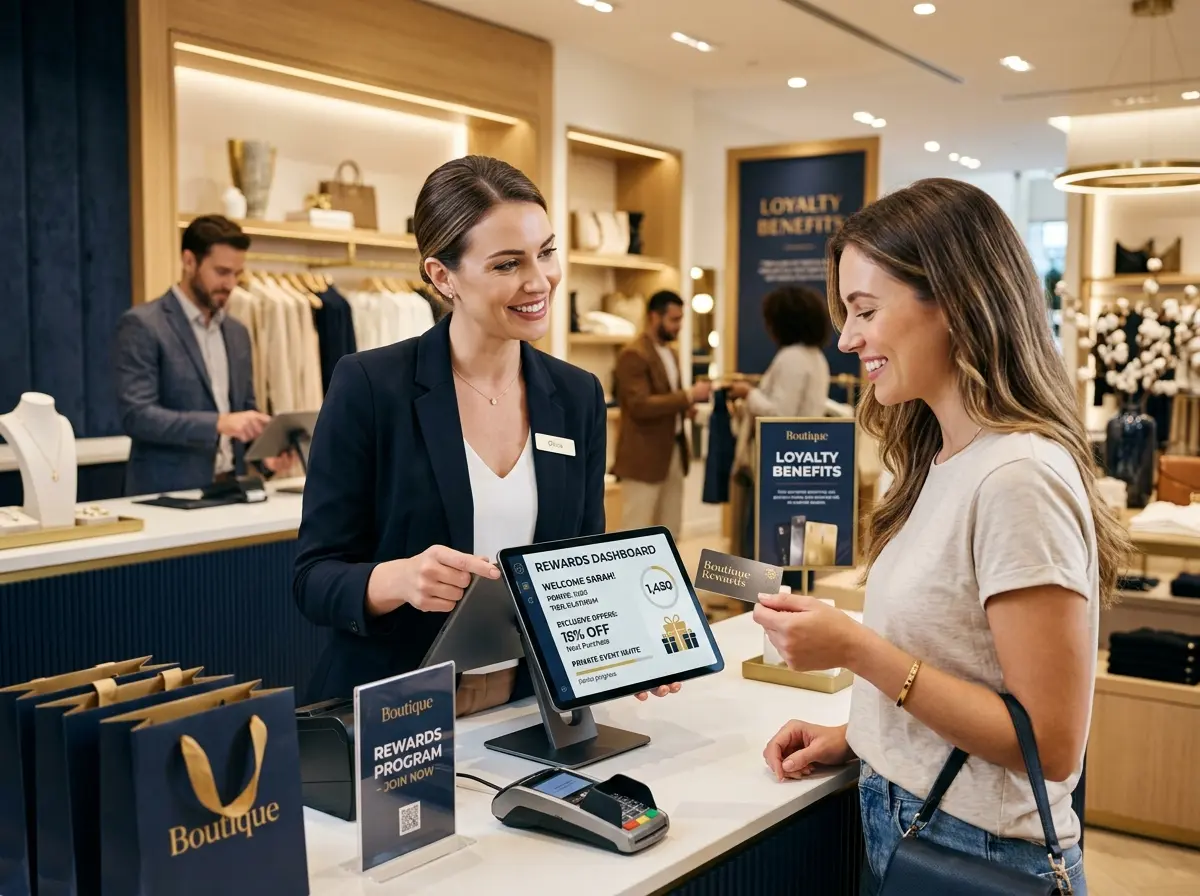
Here's where many retailers leave money on the table. They nail the online ordering part, get the inventory right, and then completely drop the ball when the customer actually walks through the door. The in-store pickup experience is not just a logistical handoff — it's a marketing moment.
How Stella Can Help Greet and Engage BOPIS Customers
When a BOPIS customer walks in, they're already primed to engage. They know your brand, they've browsed your products, and they're physically in your store. That's prime upselling real estate. The problem is, your staff is busy helping other customers, stocking shelves, or doing the seventeen other things retail staff juggle simultaneously.
This is where Stella, the AI robot employee and phone receptionist, earns her keep. Stella stands inside your store and proactively greets every customer who walks in — including BOPIS customers arriving for pickup. She can acknowledge them, direct them to the pickup counter, and while she has their attention, mention current promotions, highlight complementary products, or answer questions about your store's offerings. She doesn't take breaks, doesn't get distracted, and never forgets to mention the sale that ends Sunday.
Beyond the physical kiosk, Stella also handles your incoming phone calls 24/7 — so when a customer calls to ask whether their order is ready, what your pickup hours are, or whether you carry a specific product, she answers professionally and accurately every time. No hold music. No missed calls. No "let me go check on that" followed by a five-minute disappearing act.
Marketing Your BOPIS Program and Measuring Success
Implementing BOPIS without telling anyone about it is roughly as useful as building a beautiful new store in the middle of a forest. Visibility matters. And once customers start using it, you need to track whether it's actually working — not just guess based on vibes.
Promoting BOPIS Across Channels
Start with your existing audience. Send an email campaign to your customer list announcing the BOPIS option, and make it benefit-focused: "Skip the shipping wait. Order online, pick up today." Update your Google Business Profile to reflect pickup availability. Add BOPIS callouts to your website homepage, product pages, and checkout flow. If you run social media, short-form video showing how easy the pickup process is tends to perform well — people love a satisfying, efficient process.
For paid advertising, BOPIS is a compelling differentiator, especially for local retailers competing against big-box stores. Highlighting same-day pickup in your ad copy directly counters the "I'll just order it from Amazon" objection that every independent retailer knows all too well.
Tracking the Metrics That Actually Matter
Don't just track BOPIS order volume. Track the metrics that reveal whether your program is genuinely driving business value. The key numbers to watch include BOPIS attach rate (the percentage of eligible orders placed as pickup), average order value uplift for BOPIS vs. standard online orders, incremental in-store purchases made at pickup, and pickup abandonment rate (orders placed but never picked up — a surprisingly common and costly problem).
Set a 48–72 hour window for order pickup and send automated reminders at the 24-hour mark. If orders go unclaimed, have a clear process for restocking and notifying the customer. Don't let your shelves get tied up indefinitely holding items for customers who've forgotten their order exists.
Iterating Based on Customer Feedback
After a customer completes a BOPIS pickup, follow up with a short satisfaction survey — two or three questions maximum. Ask about the ease of ordering, speed of the ready notification, and the in-store pickup experience. You'll identify friction points quickly and often discover small fixes that make a disproportionately large difference. Maybe the pickup signage is unclear. Maybe the confirmation email timing is off. Small tweaks, big results.
Quick Reminder About Stella
Stella is an AI robot employee and phone receptionist designed specifically for businesses like yours — she greets customers in-store, answers calls around the clock, promotes your deals, handles questions, and keeps things running smoothly without ever calling in sick. She's available for just $99/month with no upfront hardware costs, making her one of the most cost-effective hires you'll ever make. If you're building out a BOPIS experience and want every customer touchpoint covered, she's worth a look.
Your BOPIS Launch Checklist and Next Steps
BOPIS done right is a genuine competitive advantage for independent retailers. It combines the reach of eCommerce with the revenue-driving power of physical retail, and when executed well, it creates customers who are more engaged, more loyal, and — critically — more likely to spend more per visit than pure online shoppers.
To get started, work through these priorities in order:
- Audit your current POS and eCommerce platforms for real-time inventory sync capabilities. If they don't integrate well, it's time to evaluate platforms that do.
- Build and document your BOPIS fulfillment workflow internally before going live. Your staff should know exactly what to do when a BOPIS order comes in.
- Set up automated customer notifications — order confirmed, order ready, and pickup reminder — so your team isn't manually chasing this.
- Create a designated, clearly labeled pickup area in your store and train all staff on the process.
- Launch your marketing push across email, social, and your website before going live so customers know the option exists.
- Track your metrics from day one and build a feedback loop so you can improve continuously.
The retailers who thrive over the next decade will be the ones who make shopping genuinely easy — not just in one channel, but across all of them, seamlessly. BOPIS is one of the clearest paths to that goal. And with the right systems, the right in-store experience, and the right support tools in place, you're not just keeping up with the big players. You're giving customers a reason to choose you instead.
Now go add that pickup button. Bopis would be proud.