When "Would You Like to Add On?" Actually Works
Most spa menus follow a familiar formula: list the services, show the prices, and hope customers magically know what pairs well with what. It's the spa industry equivalent of handing someone a dictionary and saying, "Good luck finding something interesting." The result? Missed revenue, undertrained staff fumbling through upsell conversations, and clients leaving without ever knowing that a CBD scalp massage existed, let alone that it would have changed their life.
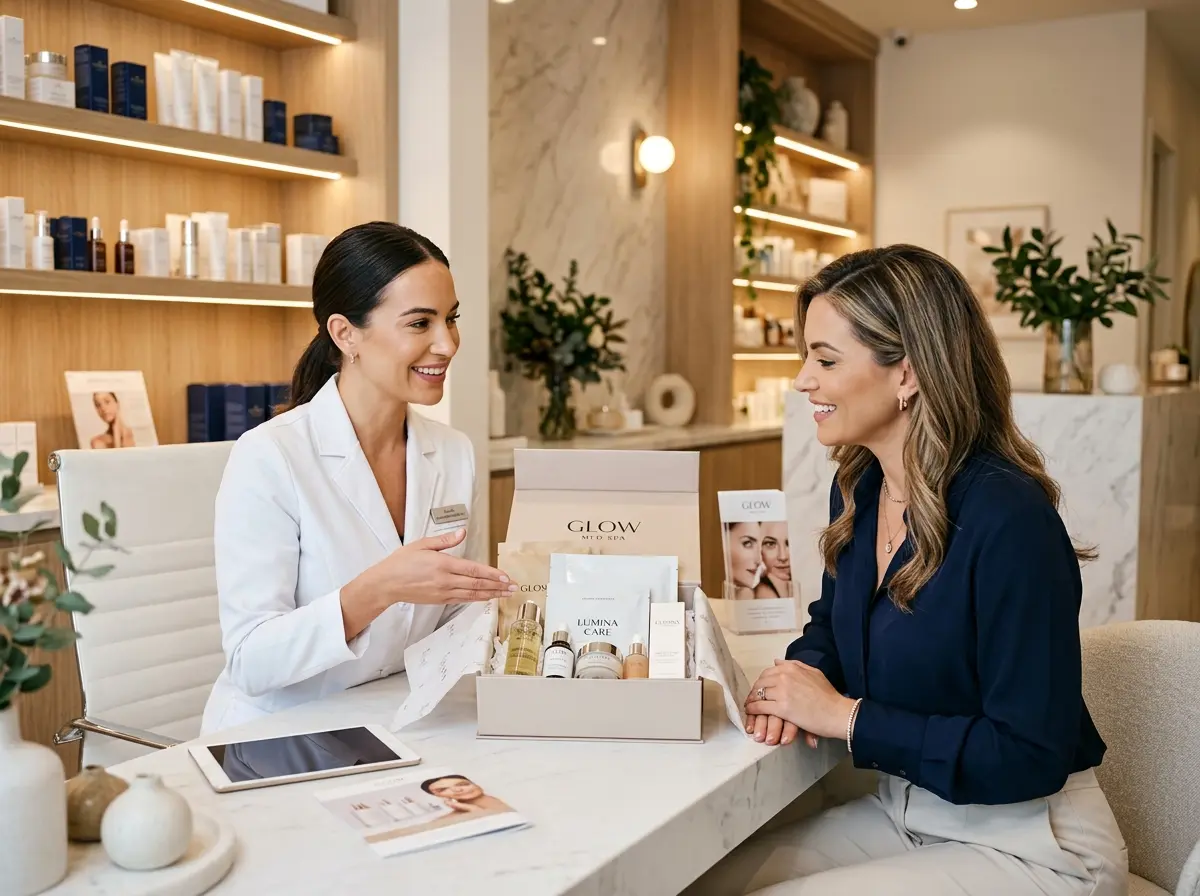
One day spa decided to stop leaving money on the table and built something smarter — a Signature Upgrade Menu: a curated, strategically designed collection of add-on enhancements that guests could choose from during checkout or at the point of service. The outcome was a 30% boost in revenue without adding a single new treatment room, hiring another esthetician, or running a single discount promotion. That's not a rounding error. That's a real, structural change in how a service business sells.
If you run a spa, salon, or any wellness business, what follows is a practical breakdown of how this works — and how you can replicate it.
Building the Upgrade Menu From Scratch
Start With What Already Exists (You're Closer Than You Think)
The first instinct when designing an upgrade menu is to invent new services. Resist it. The smartest move is to look at what your team is already doing informally and formalize it. Is your lead esthetician always adding a quick collagen eye mask toward the end of facials? That's an upgrade. Does your massage therapist frequently grab a hot stone at the end of a session because a client mentioned lower back tension? That's an upgrade too.
Audit your service process with each provider and identify the five to eight micro-enhancements that happen organically. These are your low-hanging fruit because they require no new training, no new equipment, and almost no additional time. They're already happening — you're just not charging for them consistently, and that is, to put it gently, a problem.
Price Strategically, Not Arbitrarily
Once you have your list, pricing is where spas most often stumble. The instinct is to charge as little as possible so customers don't balk. But under-pricing upgrades actually reduces their perceived value and doesn't meaningfully move the needle on revenue. A better approach is the "feels like a treat, not a splurge" zone — typically between $15 and $45 per add-on.
The spa in this case study landed on seven upgrades priced between $18 and $40. They found that clients rarely chose just one. Once the decision to upgrade was made, many added two, bringing the average ticket increase to just over $55 per visit. Multiply that across dozens of clients per day, and the math gets exciting fast. Consider offering a bundled option — "The Signature Experience" at a slight discount — to encourage multi-add-on purchases without requiring the staff to do the selling one item at a time.
Make the Menu Impossible to Ignore
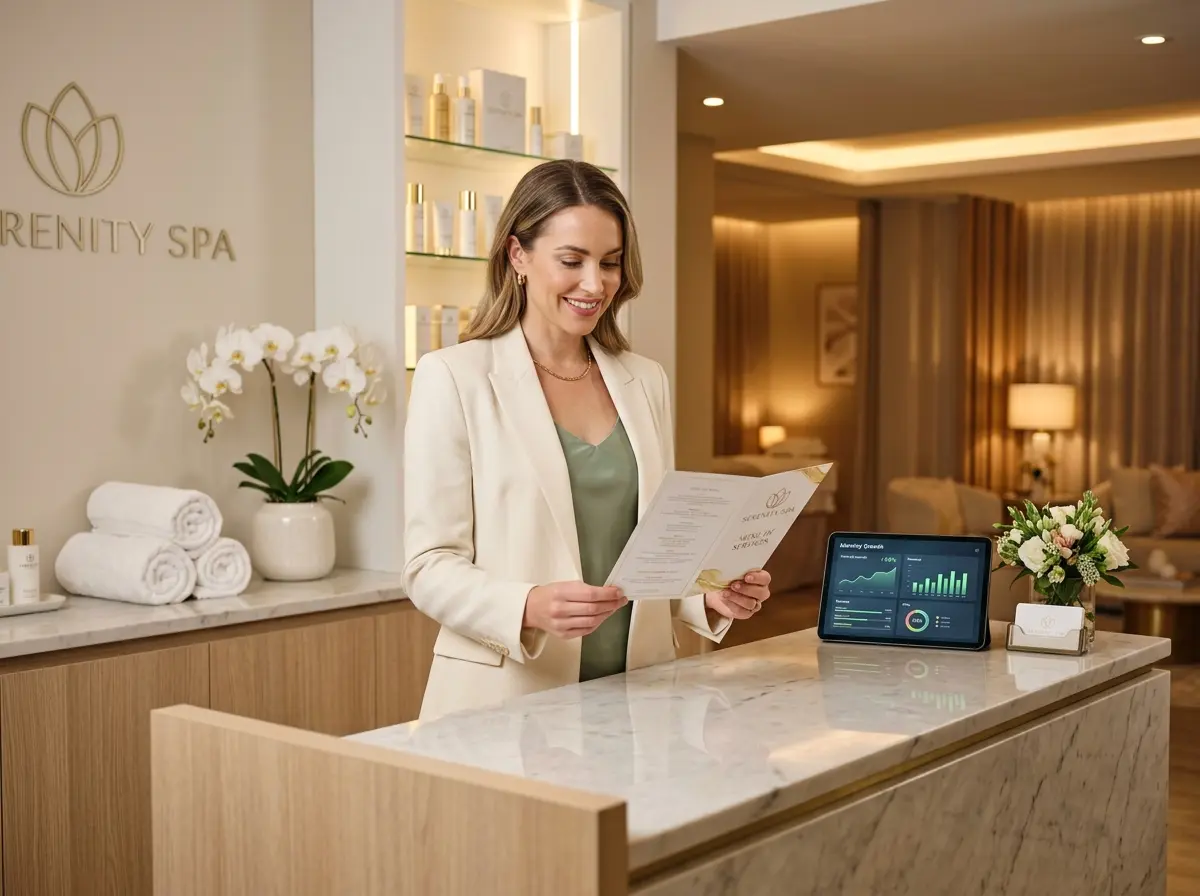
A great upgrade menu that nobody sees is just a PDF gathering digital dust. Presentation matters enormously. This spa printed a simple, well-designed card — think cocktail menu aesthetics, not laminated price list — and placed it in three locations: the waiting area, the treatment room, and the checkout desk. Each upgrade had a one-line sensory description rather than a clinical label. "Warm bamboo scalp treatment" outperforms "Scalp Massage Add-On" every single time.
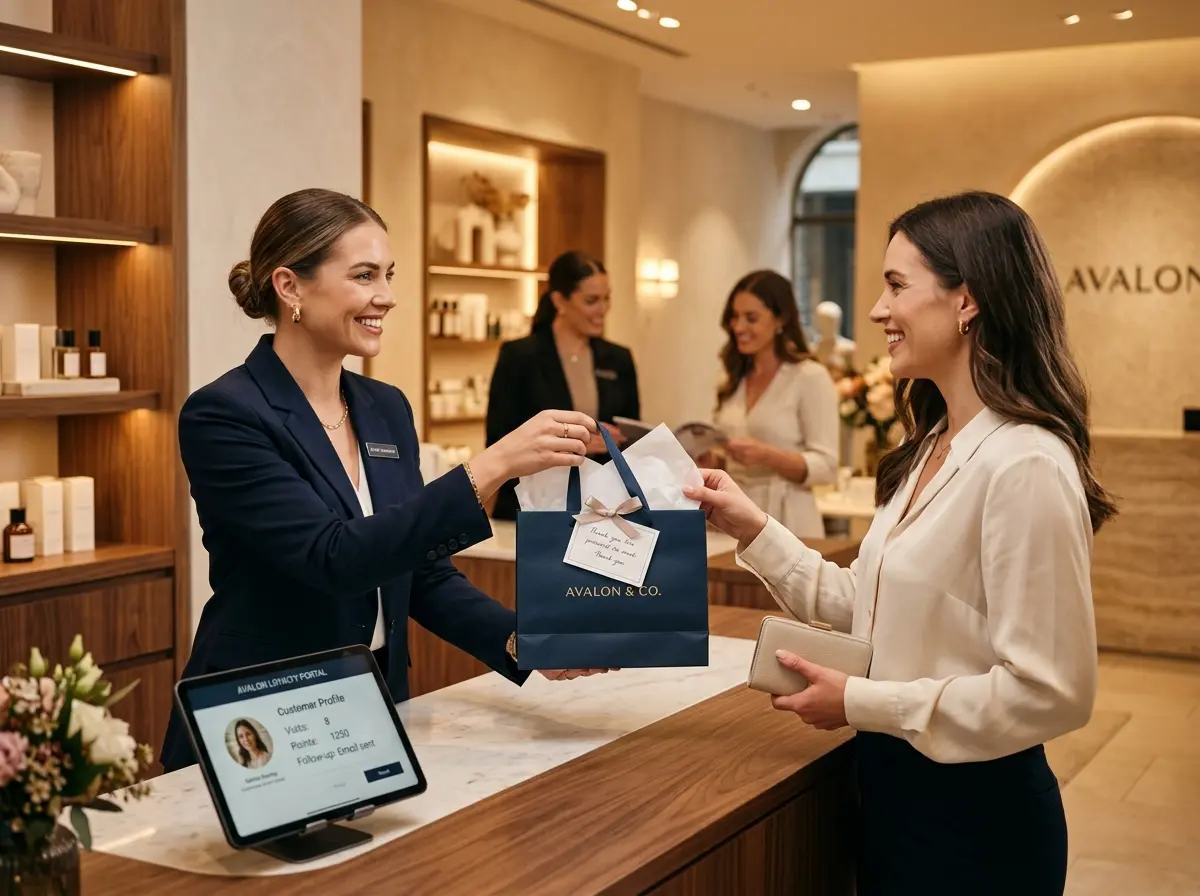
The physical menu also gave staff something to hand to clients naturally, removing the awkwardness of a verbal upsell pitch. When you hand someone something to read, you've moved from "sales conversation" to "informed choice," and that shift changes everything about how the customer feels about spending more.
How Technology Can Support the Upsell Process
Let Automation Handle the Awkward Parts
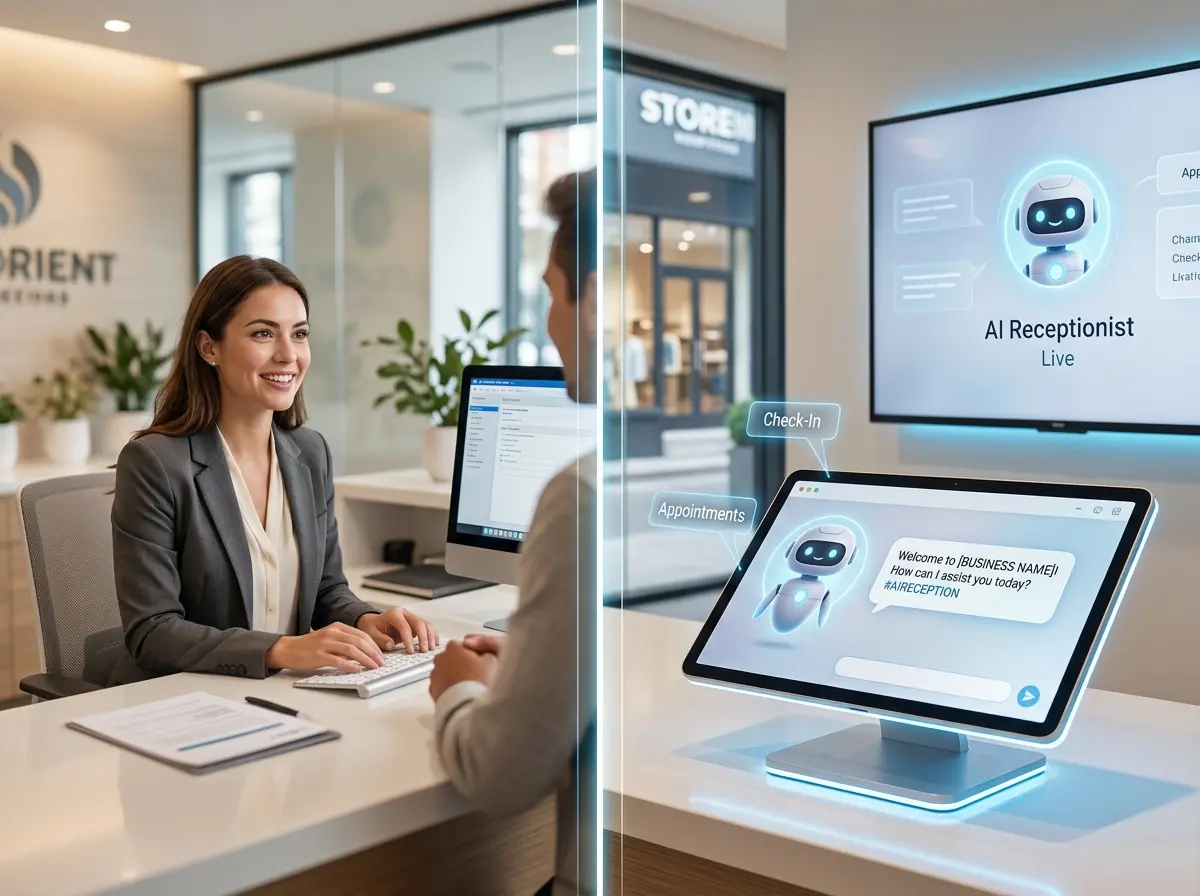
Not every business owner has a team of perfectly trained sales-savvy staff who confidently offer upgrades without flinching. That's a real staffing challenge, and technology can bridge the gap. Stella, the AI robot employee and phone receptionist, is one tool worth considering here. For spas and wellness businesses with a physical location, Stella operates as a friendly, human-sized kiosk that proactively engages guests in the waiting area — the exact moment when someone is relaxed, unhurried, and most open to hearing about enhancements. She can describe upgrades, answer questions about what's included, and help clients make confident decisions before they even sit down with their provider. On the phone side, Stella answers calls 24/7 and can walk callers through available add-ons while booking, so the upsell conversation happens before a client even walks through the door.
Training Your Team to Sell Without Selling
Replace the Pitch With a Question
The phrase "Would you like to add anything today?" is the upsell equivalent of beige wallpaper — technically fine, completely forgettable. Train your team to replace open-ended offers with specific, contextual recommendations. "A lot of guests pair this facial with our LED light therapy boost — it extends the brightening results for about two extra weeks. Want me to add it?" That sentence does four things: it validates the suggestion through social proof, gives a concrete benefit, gives a timeframe, and closes with a soft yes-or-no question. It doesn't feel like a sales pitch because it isn't one. It's a recommendation from someone with expertise, and clients respond to that.
Role-play this in your next team meeting using the actual upgrades on your menu. It sounds almost comically simple, but five minutes of practice reduces hesitation dramatically. Staff who rehearse the language feel more confident, and confident staff convert significantly more add-ons.
Tie Upgrades to the Service Consultation
Most spas do a brief intake at the start of each service. This is your golden window. If a client mentions they've been stressed, tight through the shoulders, or dealing with dry skin — that's a natural opening to introduce a relevant upgrade. Build a simple protocol: during the intake, providers ask two targeted questions and have two upgrade recommendations ready based on the answers.
The spa in our case study trained providers to listen for three trigger phrases — "I've been really stressed," "my skin has been dry," and "my back has been bothering me" — and each phrase had a corresponding upgrade pre-mapped to it. This removed decision fatigue from the provider and made the recommendation feel instinctive rather than scripted. Within three months, their upgrade attachment rate had climbed from roughly 12% to over 47% of all services booked.
Track, Adjust, and Reward
Any menu without measurement is just guesswork dressed up in nice fonts. Track which upgrades are being offered, which are being accepted, and by which provider. You'll quickly identify two things: your star performers (learn from them) and your underperformers (coach them specifically). A small spiff — even a $2 or $3 bonus per upgrade sold — creates a meaningful cultural shift around add-on sales without breaking the payroll budget.
Review the menu quarterly. Kill the upgrades nobody chooses, experiment with seasonal additions (a warming pumpkin enzyme treatment in October, anyone?), and refresh the descriptions periodically. A menu that evolves stays interesting to both guests and staff.
Quick Reminder About Stella
Stella is an AI robot employee and phone receptionist built for businesses exactly like yours — spas, salons, wellness studios, and beyond. She greets walk-in guests, promotes your current services and upgrades, and answers phone calls around the clock, all for $99 a month with no upfront hardware costs. If your front desk is a bottleneck during peak hours or your phones go unanswered after close, Stella is worth a serious look.
Your Next Steps Start Today
A 30% revenue increase without new clients, new staff, or new square footage isn't magic — it's menu engineering, team training, and a commitment to removing friction from the buying process. The day spa in this story didn't overhaul their entire business model. They made one focused, strategic addition to how they presented their existing services, trained their team to use it naturally, and measured what worked.
Here's where to begin:
- Audit your current services for informal enhancements that aren't being charged consistently.
- Build a menu of five to eight upgrades priced in the $15–$45 range with sensory, benefit-driven descriptions.
- Design and print a physical menu card that lives in your waiting area, treatment rooms, and checkout desk.
- Train your team with specific, contextual recommendation language — and role-play it until it feels natural.
- Track attachment rates by provider and review monthly to refine, reward, and improve.
The clients are already in your chair. They already trust you. They're already in a relaxed, receptive headspace. All you have to do is give them a great reason to spend a little more — and a menu that makes saying yes feel like an obvious choice.