Introduction: The Hidden Revenue Sitting in Your Truck Bed
Let's paint a picture. Your crew shows up, mows the lawn, edges the driveway, waves goodbye, and drives off — leaving behind a perfectly trimmed yard and a perfectly average invoice. Meanwhile, the client's irrigation heads are clearly misaligned, their mulch beds look like they survived a hurricane, and their gutters are doing a very convincing impression of a rainforest. You noticed. You said nothing. You left money on the table.
This is the quiet revenue leak that most landscaping companies never talk about. Not because they don't care, but because nobody ever built a system around capturing it. The good news? Adding $500 or more per job isn't about being pushy or salesy — it's about being useful at the right moment with the right offer. And it turns out, the right moment is almost always already in your workflow. You just need a framework to capture it.
This post breaks down exactly how landscaping companies are doing that — from smart service bundling to better customer conversations — and how a bit of strategy can quietly transform your average job ticket without hiring a single extra salesperson.
Building a Service Menu That Sells Itself
The foundation of any successful upselling strategy isn't a sales script — it's a well-designed service menu. If your offerings are vague, your upsells will be too. Customers can't say yes to something they don't know exists, and your crew can't recommend something they haven't been trained to notice.
Tiered Service Packages: The Power of "Good, Better, Best"
One of the most reliable ways to increase average job value is to stop quoting single services and start quoting tiered packages. Think of it as the fast food combo meal strategy — except instead of fries, you're bundling mulching with lawn maintenance, or pairing a seasonal cleanup with a fertilization program.
For example, a basic lawn maintenance visit might run $75. But a "Premium Lawn Care Package" that includes mowing, edging, blowing, and a seasonal pre-emergent treatment? That's a $140 service, and most homeowners will happily pay it when it's presented as a complete solution rather than a list of add-ons. According to McKinsey, bundling and cross-selling can increase revenue by 10–30% in service-based businesses. That math adds up fast when you're running 20 jobs a week.
Identify the High-Margin Add-Ons Worth Pushing
Not all add-ons are created equal. The goal is to identify services that are high-margin, low-effort, and easy to explain — the kind your crew can perform without significantly extending their time on-site. Common winners in the landscaping world include:
- Mulch installation — clients see it immediately, it looks great, and it's fast to quote on-site.
- Seasonal color plantings — high visual impact, recurring opportunity every season.
- Gutter cleaning — often noticed during lawn visits, easy to add to the invoice.
- Irrigation checks and head adjustments — especially valuable after winter or dry spells.
- Lawn treatments (aeration, seeding, fertilization) — recurring, subscription-friendly, and clients rarely DIY them.
Train your crew to flag these opportunities during every visit using a simple checklist. Even a single flagged opportunity per job — converted at a modest 40% rate — can meaningfully shift your monthly revenue.
Recurring Service Agreements: The Gift That Keeps Giving
If you're not actively selling annual or seasonal service agreements, you're essentially rebuilding your revenue from scratch every month. Recurring contracts smooth out your cash flow, improve scheduling efficiency, and give you a predictable baseline to build from. More importantly, they increase per-client lifetime value dramatically.
A client on a one-time mow might spend $80 with you this year. A client on an annual lawn maintenance and seasonal treatment plan? Easily $1,200 to $2,000 annually. Offer a modest discount (5–10%) for clients who commit to a full-season agreement, and you'll find most happy customers will convert without much resistance. The key is simply asking — which, shockingly, most companies forget to do.
How Smarter Customer Communication Closes More Add-Ons
Here's where a lot of landscaping companies drop the ball — not in the service quality, but in the conversation around it. Your crew is excellent at landscaping. They may be less excellent at casually mentioning that the client's mulch beds are a perfect upsell opportunity while also loading equipment back onto the truck. That's not a criticism; it's just not their primary job. Which means you need systems that do the talking for you.
How Stella Supports the Sales Conversation Before and After the Visit
This is where Stella, the AI robot employee and phone receptionist, becomes surprisingly relevant for service businesses like landscaping. When a client calls to schedule service or ask about pricing, Stella answers that call 24/7 — and she's not just reading off a list. She's trained on your specific services, packages, and current promotions, so she can naturally mention that your spring mulching special is running through the end of the month, or that clients who add a fertilization treatment to their first mow save 10%.
For landscaping companies with a physical presence — like a nursery or showroom — Stella also works as an in-store kiosk, greeting walk-in customers and proactively engaging them about seasonal offerings, service upgrades, and add-on packages. Whether it's a phone inquiry or an in-person visit, she ensures no promotional opportunity slips through the cracks while your team is out in the field doing the actual work. At $99/month, she costs less than a few hours of missed upsell opportunities.
Pricing, Presentation, and the Psychology of "Yes"
You can have the best add-on services in the business, but if you're presenting them awkwardly or pricing them in a way that feels like a surprise, you'll still struggle to close them. The psychology of how you present an upsell matters just as much as the upsell itself.
Anchor Your Pricing with Packages First
Pricing psychology is a real and powerful thing. When a client hears your premium package first — say, a $350 seasonal cleanup — a $75 mulch add-on suddenly feels completely reasonable. This is known as the anchoring effect, and it works beautifully in service-based sales. Always lead with your complete, bundled offering before breaking down individual components. You'll find that clients are far less likely to haggle on the add-ons when they've already mentally accepted the larger number.
Use Post-Visit Follow-Ups to Capture Deferred Decisions
Not every upsell gets a yes on the day of the visit — and that's fine. What separates top-performing landscaping companies from average ones is what happens after the truck pulls away. A simple follow-up text or email that says "We noticed your irrigation system may need a seasonal check — want us to add it to your next visit?" can convert deferred interest into actual revenue without any awkward in-person sales moment.
Build a follow-up sequence into your workflow for every job. It doesn't need to be elaborate — even a single message sent 48 hours post-visit referencing a specific observation from the crew can be remarkably effective. Personalized follow-ups consistently outperform generic ones, and clients genuinely appreciate that you were paying attention to their property.
Train Your Crew to Be Opportunity Scouts, Not Salespeople
Here's the reframe that changes everything: your crew doesn't need to sell anything. They just need to report what they see. Create a simple one-page checklist of observable conditions that correspond to your add-on services — overgrown beds, dry patches, clogged gutters, faded mulch, tilted irrigation heads. When the crew checks a box, your office or follow-up system handles the rest. This removes the awkwardness entirely, keeps your team focused on the work they love, and ensures no opportunity goes unnoticed on any property.
Quick Reminder About Stella
Stella is an AI robot employee and phone receptionist designed to help businesses like yours run smoother and sell smarter — whether that means answering calls after hours, promoting your latest seasonal packages, or greeting customers at your nursery or showroom without ever needing a coffee break. She's available for $99/month with no upfront hardware costs, and she's ready to start working the moment your team heads out to the first job of the day.
Conclusion: Your Next $500 Is Already on the Property
Adding $500 per job isn't a fantasy — it's arithmetic. It's the result of building smarter packages, training your team to notice what's already there, communicating your offerings consistently, and following up when clients aren't quite ready to say yes on the spot. None of these steps require a massive operational overhaul or a dedicated sales team. They just require intention and a little bit of system.
Here's how to start this week:
- Audit your current service menu and identify three high-margin add-ons worth bundling into a new mid-tier or premium package.
- Create a simple crew checklist for flagging add-on opportunities on every job.
- Set up one post-visit follow-up message that references a specific observation and offers a relevant add-on.
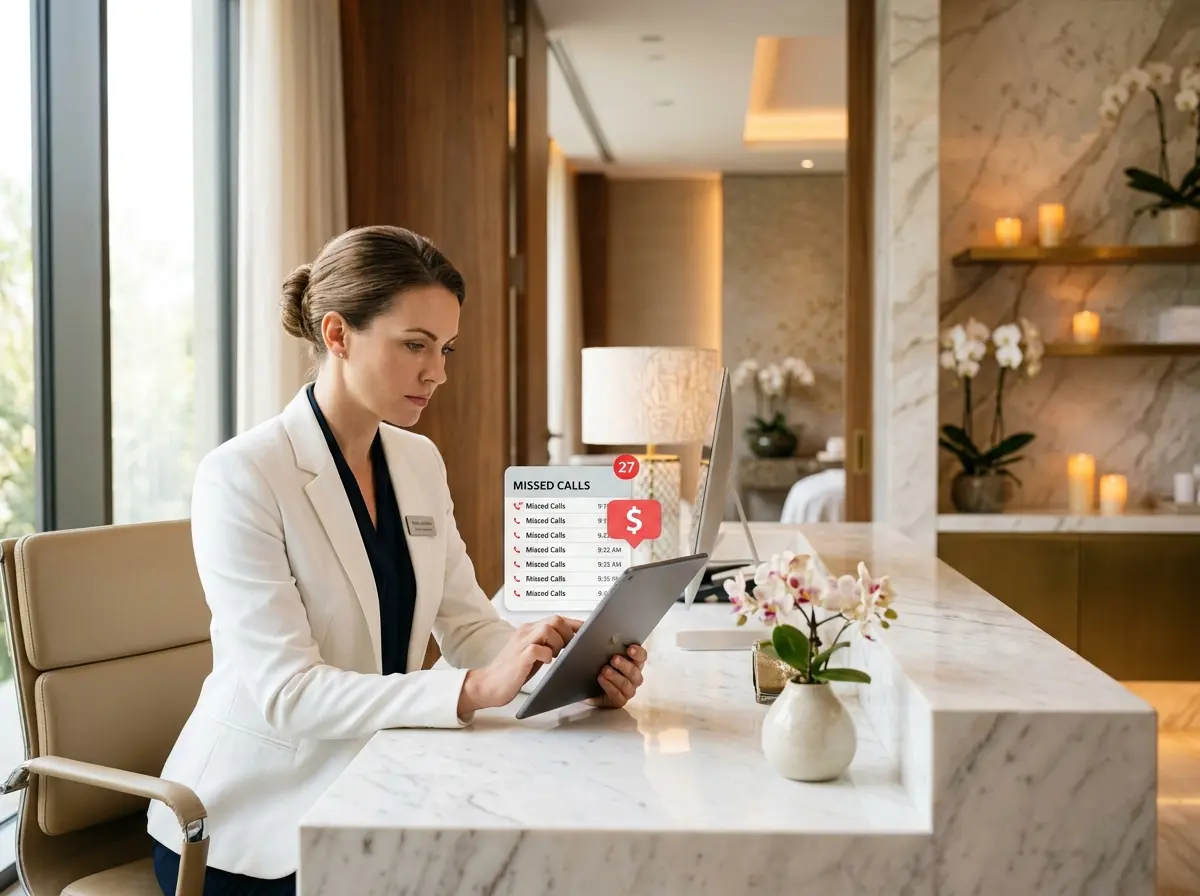
- Review how your phones are being handled — if inquiries are going to voicemail or getting missed, you're losing revenue before the conversation even starts.
The clients are already out there. The services are already in your repertoire. The only thing missing is the structure to connect the two consistently — and the willingness to ask. As it turns out, that's usually the easiest part once the system is in place.