When "I Forgot" Costs You Real Money
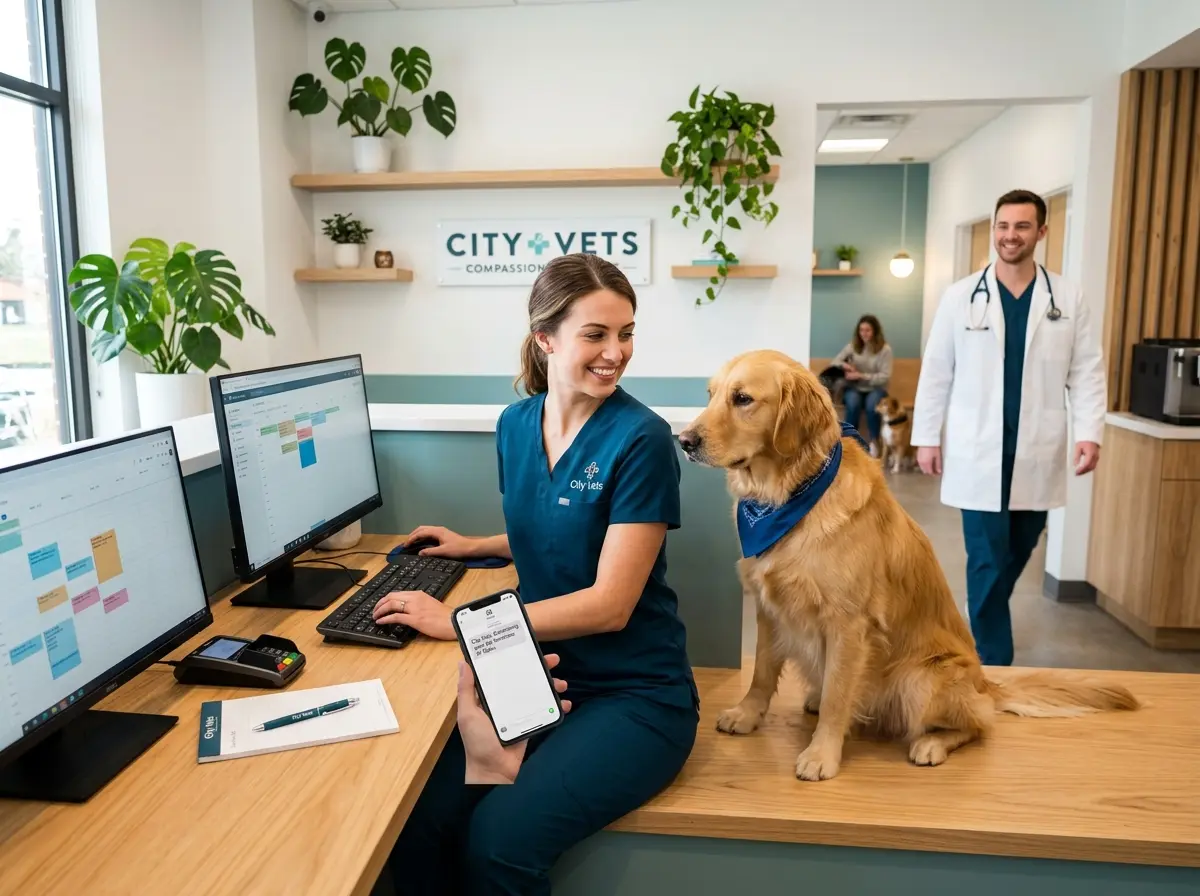
Picture this: It's a Tuesday afternoon. You've got a 2 PM appointment blocked off, your grooming table is prepped, and you're ready to transform a scruffy golden retriever named Biscuit into a fluffy masterpiece. Then 2 PM comes and goes. No Biscuit. No owner. No call. Just silence and the quiet sound of revenue evaporating into thin air.
No-shows are the silent killer of appointment-based businesses. In the pet grooming industry alone, studies suggest that no-show rates can range anywhere from 10% to 30% of all scheduled appointments — and every one of those empty slots represents money you'll never get back. You can't exactly double-book a grooming table the way airlines overbook seats (and we've all seen how that ends).
But here's the good news: one savvy pet groomer managed to slash her no-show rate by a jaw-dropping 80% — not by hiring a full-time receptionist to babysit her booking calendar, but by implementing a smart automated confirmation system. Let's dig into exactly how she did it, and how you can too.
The No-Show Problem Is Bigger Than You Think
The Real Cost of an Empty Appointment Slot
Most business owners think of a no-show as simply a missed appointment. But the true cost runs much deeper. When a client doesn't show up, you lose the revenue from that slot, yes — but you've also paid for the time your staff spent preparing, you've turned away other potential clients who could have booked that time, and you've absorbed the overhead costs of keeping the lights on during that hour. For a groomer charging $75–$120 per appointment, even three no-shows a week adds up to over $10,000 in lost revenue annually. That's not a rounding error. That's a vacation, a piece of equipment, or several months of marketing budget gone.
Beyond the financial hit, no-shows are demoralizing. Your staff is ready, your space is prepped, and then — nothing. It disrupts workflow, kills momentum, and creates a weird awkward limbo where you're not sure whether to wait five more minutes or move on with your day.
Why Clients Actually No-Show (It's Not Always Malice)
Before you start drafting a strongly worded cancellation policy email, it's worth understanding why no-shows happen in the first place. The vast majority of clients who skip appointments aren't doing it out of spite — they simply forgot. Life is busy, calendars get cluttered, and unless your appointment is tied to something with real emotional weight (like a flight or a wedding), it's surprisingly easy to let it slip through the cracks.
Other common culprits include booking too far in advance (the appointment felt urgent in the moment but irrelevant six weeks later), unclear communication about the date and time, or a general assumption that "they'll remind me." Spoiler: they're talking about you. They expect you to remind them. And when you don't, they forget — and then feel too awkward to call and apologize, so they just... don't show up and hope you'll forget it ever happened.
The Simple Psychology Behind Confirmation Messages
Here's what behavioral science tells us: people are far more likely to follow through on a commitment when it's been recently reinforced. A booking confirmation sent immediately after scheduling creates an initial acknowledgment. A reminder sent 48 hours before the appointment prompts action. And a final nudge sent the morning of? That's your insurance policy. Each touchpoint subtly re-commits the client to the appointment and gives them a low-pressure opportunity to reschedule if something has genuinely come up — which is infinitely better than a ghost.
The groomer in our story, let's call her Maya, implemented exactly this three-touch strategy using automated messaging, and the results were almost immediate. Within the first month, her no-show rate dropped from roughly 25% to under 5%. The best part? She didn't hire anyone new or spend hours manually sending texts. She just built a smarter system.
How Automation (and the Right Tools) Make This Effortless
Where Stella Fits Into the Picture
Stella, the AI robot employee and phone receptionist, is built for exactly this kind of problem. When clients call to book appointments, Stella answers the phone 24/7, collects their information through conversational intake forms, and logs everything directly into her built-in CRM — complete with custom fields, tags, and AI-generated client profiles. That means no more scrambling to find a client's previous appointment history or their dog's breed and temperament preferences.
Because Stella captures complete contact information at the point of booking — including phone number and preferred contact method — she makes it easy to trigger follow-up confirmation sequences through your preferred communication tools. She also handles walk-ins at your physical location through her in-store kiosk presence, engaging clients proactively and collecting intake information right there on the spot. The result is a clean, organized client database that actually supports your confirmation and reminder workflows instead of fighting against them.
Building Your Own No-Show Reduction System
Setting Up a Three-Touch Confirmation Sequence
The framework Maya used is straightforward and easily replicable. The first message goes out immediately after booking — a simple confirmation that includes the date, time, service, and any preparation instructions (like making sure Biscuit has been brushed before arrival). This message doubles as a receipt and sets professional expectations from the start.
The second message goes out 48 hours before the appointment. This is your most important touchpoint. It should include a direct call-to-action: confirm, reschedule, or cancel. Make it easy. A simple "Reply YES to confirm or call us to reschedule" reduces friction and gives you advance notice if someone needs to change their plans. Maya found that roughly 15% of her clients used this window to reschedule — which sounds like a problem, but is actually a win. A rescheduled appointment is revenue preserved; a no-show is revenue lost.
The third message goes out the morning of the appointment — a friendly, brief reminder with the time and your address. Keep it warm and personal in tone, even if it's automated. Nobody wants to feel like they're receiving a text from a government database.
Crafting Messages That Actually Get Responses
The content and tone of your confirmation messages matter more than most people realize. A cold, generic "Your appointment is confirmed" message does the bare minimum. A message that feels personal, uses the client's name, references their pet's name, and includes a clear next step? That builds relationship and drives action simultaneously.
Keep messages short — under 160 characters for SMS whenever possible. Use plain, conversational language. Include exactly one clear call-to-action per message, not three. And always make it dead simple to reschedule. The harder you make it to cancel or reschedule, the more likely clients are to just disappear rather than navigate the process. Counterintuitively, removing friction from cancellations actually reduces your no-show rate, because clients who would have ghosted you now reschedule instead.
Implementing a Cancellation Policy That Protects You Without Alienating Clients
Automated confirmations dramatically reduce no-shows, but they won't eliminate them entirely. That's why a clear, fair cancellation policy is the essential companion to your reminder system. Maya implemented a 24-hour cancellation policy with a modest late cancellation fee — not punitive, just enough to communicate that her time has value.
The key is communicating this policy at the time of booking, reinforcing it in your first confirmation message, and enforcing it consistently. Clients respect businesses that respect their own time. A clear policy, delivered professionally, doesn't push clients away — it actually attracts clients who value your service. The ones who bristle at a 24-hour cancellation policy were probably your most likely no-shows anyway.
Quick Reminder About Stella
Stella is an AI robot employee and phone receptionist that works 24/7 — answering calls, greeting walk-in customers at her in-store kiosk, collecting client information through built-in intake forms, and managing contacts through a full CRM with AI-generated profiles. She's available for just $99/month with no upfront hardware costs, making her one of the most affordable ways to bring professional, consistent client management to any appointment-based business.
Your Next Steps Toward an 80% Drop in No-Shows
The path from "constant no-shows" to "nearly empty problem" isn't complicated — but it does require intentionality. Maya didn't stumble into an 80% reduction in no-shows by accident. She identified the root cause (clients forgetting), implemented a systematic solution (three-touch automated confirmations), paired it with a fair cancellation policy, and used tools that made capturing client information seamless from the very first interaction.
Here's your action plan to get started this week:
- Audit your current no-show rate. Pull your last 90 days of appointments and calculate what percentage didn't show. Assign a dollar value to that number. Let it sting a little — you've earned that feeling.
- Choose your communication channel. SMS has the highest open rates (over 98%), but email works well for clients who prefer it. Many businesses use both.
- Draft your three-touch sequence. Write your immediate confirmation, your 48-hour reminder with a reschedule option, and your morning-of nudge. Keep each one short, warm, and actionable.
- Set up your cancellation policy and communicate it clearly at booking and in your first confirmation.
- Make sure your client data is clean and complete. You can't send reminders to a phone number you don't have. Tighten up your intake process so every booking captures everything you need.
No-shows don't have to be an accepted cost of doing business. With the right system in place, you can protect your schedule, respect your own time, and serve the clients who actually show up with the full energy and attention they deserve. Biscuit would want it that way.