The Estimate Process Nobody Talks About (But Everyone Suffers Through)
Let's be honest — when a homeowner needs a new roof, they're not exactly in a great mood. Something went wrong, it probably happened during a storm at the worst possible time, and now they're frantically calling roofing companies and hoping someone actually picks up the phone. Meanwhile, you and your team are on job sites, in trucks, or elbow-deep in paperwork, doing your best impression of a company that has it all together.
Here's the uncomfortable truth: most roofing companies lose the job before they ever show up to give the estimate. Not because of pricing. Not because of competition. Because of friction in the process — slow response times, missed calls, incomplete intake information, and a first impression that screams "we're winging it."
One roofing company figured this out and made a few deliberate changes to their estimate process. The result? Their conversion rate doubled. No new trucks. No new hires. No magic marketing budget. Just a smarter process from first contact to signed contract. Here's what they did — and how you can steal every bit of it.
Where Most Roofing Companies Are Bleeding Leads
The Response Time Problem
Speed is everything in home services, and the data is brutal. Studies show that responding to a lead within the first five minutes makes you 100 times more likely to actually connect with that prospect compared to waiting 30 minutes. And yet, the average home services company takes hours — sometimes days — to follow up on a new inquiry. By then, the homeowner has already booked an estimate with someone else, and you're leaving a voicemail into the void.
The roofing company in our story (let's call them a typical mid-sized operation with a few crews and a very stressed office manager) discovered that a significant chunk of their inbound calls were going to voicemail after hours or during peak job times. Those callers weren't leaving messages and waiting patiently. They were just calling the next company on the list. Every unanswered call was a vanished opportunity — and they'd never even know it happened.
The Incomplete Information Problem
Even when calls were answered, the intake process was inconsistent. Sometimes the office manager got all the right details — roof size, type of damage, insurance situation, preferred appointment windows. Sometimes she got a first name and a vague description of "some missing shingles." This meant estimators were showing up unprepared, wasting time on-site gathering basic information, and occasionally arriving at the wrong address. Not exactly confidence-inspiring for a homeowner who's about to write a five-figure check.
Inconsistent intake also made scheduling a nightmare. Double bookings, drive time inefficiencies, and estimators spending 20 minutes on the phone getting details they should have had before they ever left the office — it all added up to a slower, sloppier operation than anyone intended.
The First Impression Problem
First impressions in home services are formed before anyone shakes a hand. They're formed the moment a homeowner calls and hears what happens next. A rushed, distracted response. A hold that goes on too long. A voicemail greeting that sounds like it was recorded in a parking lot in 2011. These details matter enormously, and most business owners underestimate just how much they're telegraphing to potential customers in those first 60 seconds of contact.
How Stella Can Help You Capture Every Lead
Never Miss Another Inbound Call — and Arrive Prepared
This is exactly where Stella, the AI robot employee and phone receptionist, fits naturally into a roofing company's workflow. Stella answers every inbound call 24/7 — professionally, consistently, and without ever putting someone on hold to go check on another customer. She can walk callers through a conversational intake form, collecting the details your estimators actually need: property address, type of damage, insurance carrier, availability, and any other custom fields you define. All of that information flows directly into her built-in CRM, complete with AI-generated contact profiles and push notifications to your team so no lead falls through the cracks.
For roofing companies with a physical showroom or office, Stella also operates as a human-sized in-store kiosk — greeting walk-in customers, answering questions about services and materials, and even promoting current offers or seasonal specials. Whether the lead comes in by phone or in person, the intake process is smooth, professional, and complete before a human ever has to get involved.
The Estimate Process That Actually Converts
Standardize Your Intake Before Anything Else
The single highest-leverage change the roofing company made was deceptively simple: they created a standardized intake checklist and made sure every lead — regardless of how it came in — went through it before an estimate was scheduled. Phone call? Intake form. Web inquiry? Same form. Walk-in? Same questions.
This sounds obvious, but most companies don't do it consistently. When you show up to an estimate already knowing the scope of damage, the insurance situation, the homeowner's timeline, and whether they've gotten other bids, you are immediately operating at a different level than the competitor who showed up cold. You can prepare a more precise preliminary estimate, ask smarter questions, and demonstrate competence before you've said a single word about shingles.
Use the Estimate Itself as a Sales Tool
The second major change was in how they presented estimates. Previously, the estimator would take some notes, go back to the office, and email over a PDF a few days later. By then, the homeowner had three other estimates, had talked to their neighbor about who they used, and had generally cooled off from that initial motivated mindset.
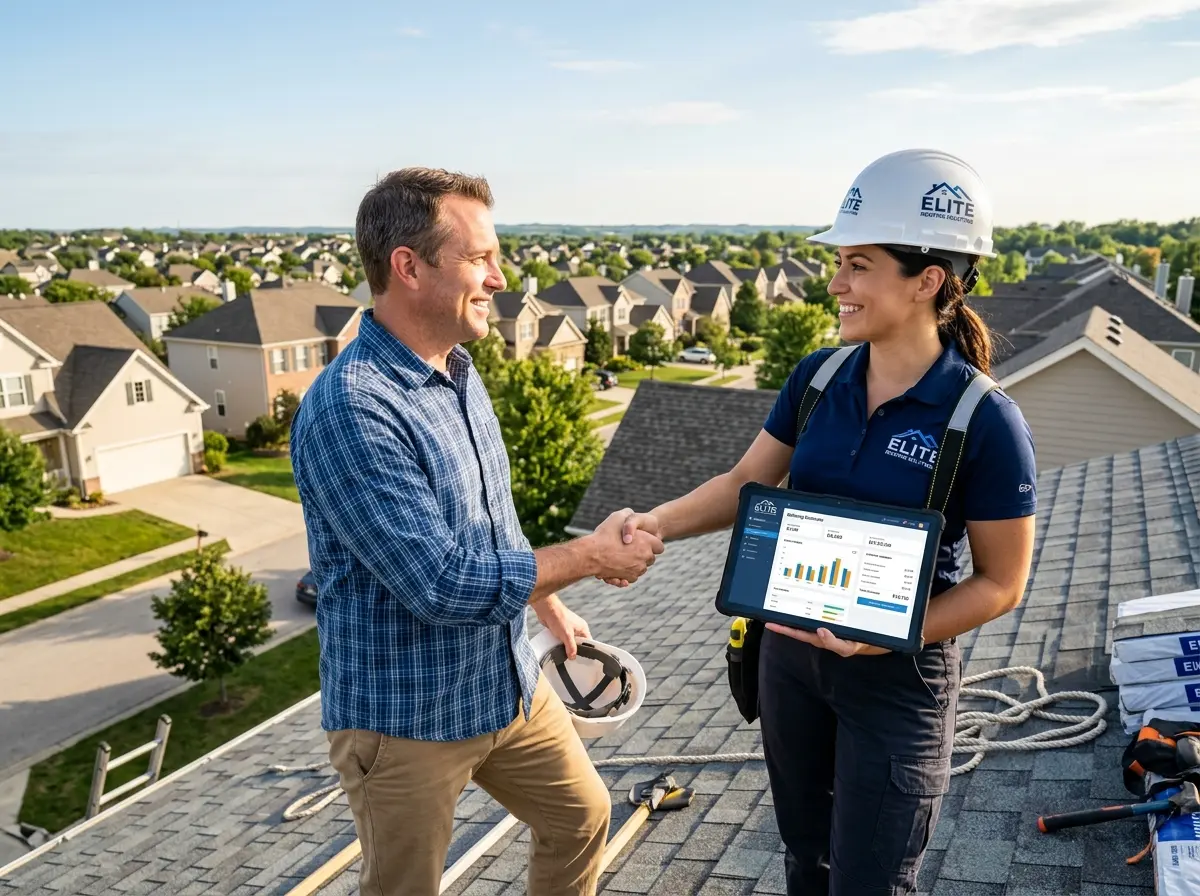
The fix was twofold. First, they committed to delivering a preliminary estimate — or at minimum a clear written summary of scope and next steps — on the day of the visit. Not a final number, necessarily, but something tangible that kept the conversation moving. Second, they restructured the estimate document itself to be more educational and less transactional. Instead of just a line-item price sheet, it included a brief explanation of what was found, what the recommended solution addressed, and why their approach protected the homeowner's investment long-term. It read less like an invoice and more like advice from a trusted professional.
Homeowners, it turns out, don't just want the cheapest price. They want to feel confident they're making the right decision. A well-structured estimate does a lot of that heavy lifting for you.
Follow Up Like You Mean It
The third change was the most tedious to implement but perhaps the most impactful: a structured follow-up sequence. After every estimate, the homeowner received a brief, personalized follow-up message within 24 hours. Not a generic "just checking in!" email, but a specific reference to their situation — a note about the flashing concern that was mentioned, or a reminder that their insurance deductible would likely be covered given the type of damage observed.
This follow-up wasn't aggressive. It wasn't a sales pitch. It was just a professional, thoughtful touchpoint that said: we were paying attention, and we're still here when you're ready. In a sea of contractors who never follow up at all, this alone was a meaningful differentiator. The company tracked their follow-up rate and found that roughly 30% of their closed jobs came from leads that didn't convert on the first contact — they converted because of the follow-up.
Quick Reminder About Stella
Stella is an AI robot employee and phone receptionist that works for businesses 24/7 — answering calls, greeting in-store customers, collecting lead information, managing contacts in a built-in CRM, and promoting your services without ever calling in sick or putting someone on hold indefinitely. She runs on a simple $99/month subscription with no upfront hardware costs, and she's ready to start working the moment you set her up. For service businesses where every missed call is a missed job, she's not a luxury — she's infrastructure.
What You Should Do This Week
You don't need to overhaul your entire operation overnight. But if you're a roofing company (or any home services business, frankly) watching good leads quietly evaporate, here's a practical place to start:
- Audit your intake process. Call your own business after hours and see what happens. If it goes to voicemail, imagine being a stressed homeowner and deciding whether to leave a message or call the next company.
- Build a standard intake form with every question your estimators wish they had answered before they arrived on-site. Make it the non-negotiable first step before any estimate is booked.
- Redesign your estimate document to be educational, not just transactional. Add a brief summary of findings and explain why your recommendation addresses the homeowner's actual concern.
- Create a follow-up template — personalized enough to reference specifics, efficient enough that your team will actually use it. Then track how many closed jobs come from second or third touchpoints.
The roofing company that doubled its conversion rate didn't find a secret. They just fixed the things that were quietly broken. The leads were always there. The process just needed to be worthy of them.
Your competition is probably still recording voicemail greetings in parking lots. Now's a good time to raise the bar.