So You've Heard AI Is a Big Deal. Now What?
Let's be honest — if you're an independent retailer in 2025, you've probably been told approximately 4,000 times that "AI is going to transform your business." And yet, between managing inventory, chasing down vendors, and wondering why your best employee just put in their two weeks' notice again, you haven't exactly had time to become an artificial intelligence scholar.
Here's the good news: you don't need to understand how AI works. You just need to know which tools actually solve real problems — the kind that cost you money, time, and the occasional stress-induced forehead wrinkle. Independent retailers face a unique set of challenges in 2025: tighter margins, rising labor costs, and customers who expect a seamless, personalized experience whether they're walking into your store or calling at 9 PM on a Sunday.
The even better news? AI tools have matured to the point where they're genuinely useful, surprisingly affordable, and no longer require a dedicated IT department to operate. This guide breaks down the categories of AI tools that are making the biggest impact for independent retailers right now — no hype, no jargon, just practical value.
AI for Inventory, Merchandising, and Operations
Smarter Inventory Management (Finally)
Overstocking and understocking are the twin villains of retail profitability. Stock too much, and your cash is sitting on a shelf collecting dust. Stock too little, and you're sending customers to your competitors with an apologetic shrug. AI-powered inventory tools like Brightpearl, Cin7, and Inventory Planner analyze your sales history, seasonal trends, and supplier lead times to predict what you'll need and when. Some retailers report reducing excess inventory by 20–30% after implementing demand forecasting tools — which is real money back in your pocket.
For independent retailers who have historically relied on gut instinct and spreadsheets (no judgment — spreadsheets are a rite of passage), this shift to data-driven ordering can feel dramatic. Start simple: even basic AI forecasting features built into platforms like Shopify or Lightspeed can make a meaningful difference without requiring a separate software subscription.
Automated Pricing and Competitive Intelligence
Keeping your prices competitive without constantly monitoring your competition is, frankly, exhausting. AI-driven pricing tools can automatically adjust your pricing based on competitor data, demand signals, and your own margin rules. Tools like Prisync or Wiser track competitor prices across channels and surface insights you can actually act on. You set the guardrails — minimum margins, maximum price thresholds — and let the system do the monitoring.
This is particularly valuable for retailers who sell products also available online, where price transparency is total and customers will absolutely check Amazon before they buy from you. Knowing where you stand, and adjusting strategically, keeps you in the game without a race to the bottom.
AI-Assisted Visual Merchandising and Layout
This one is still emerging, but worth watching. Tools that use computer vision and foot traffic analysis — like RetailNext — can tell you which areas of your store see the most traffic, where customers linger, and which displays are actually stopping people in their tracks versus being completely ignored. For small retailers, even basic heatmap data can inform better product placement decisions that directly impact conversion.
AI That Talks to Your Customers — In Person and On the Phone
The Employee Who Never Calls Out Sick
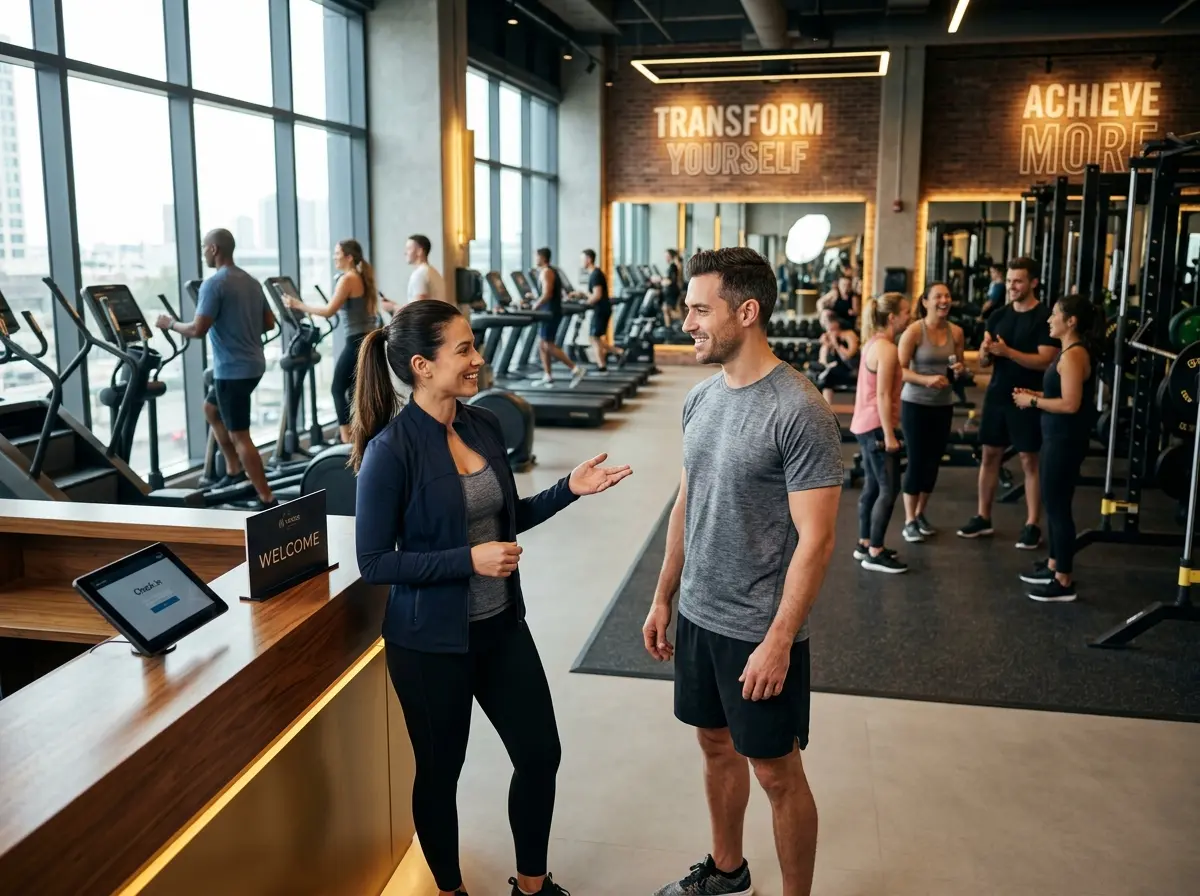
Here's a scenario every retailer knows: it's a busy Saturday, you're two staff members short, the phone is ringing, three customers just walked in, and someone is asking where the restrooms are. This is precisely the kind of chaos that Stella was built for. Stella is an AI robot employee — a friendly, human-sized kiosk — that stands inside your store and engages customers proactively. She greets people as they walk by, answers questions about products, services, hours, and current promotions, and can upsell or cross-sell without ever feeling pushy or forgetting to mention the sale you're running this weekend.
Beyond the in-store experience, Stella also answers your phone calls 24/7, functioning as a fully capable AI receptionist. She can handle routine inquiries, forward calls to human staff based on conditions you configure, and take voicemails with AI-generated summaries pushed directly to your phone. For independent retailers who can't always staff a dedicated receptionist, this means no more missed calls, no more "sorry we missed you" voicemails going unread for three days. She even collects customer information through conversational intake forms — on calls, on the web, or at the kiosk — and manages those contacts through a built-in CRM with custom fields, tags, notes, and AI-generated profiles. At $99/month with no upfront hardware costs, she's one of the more straightforward value propositions in this entire guide.
AI for Marketing, Personalization, and Customer Retention
Email and SMS Marketing That Actually Gets Personal
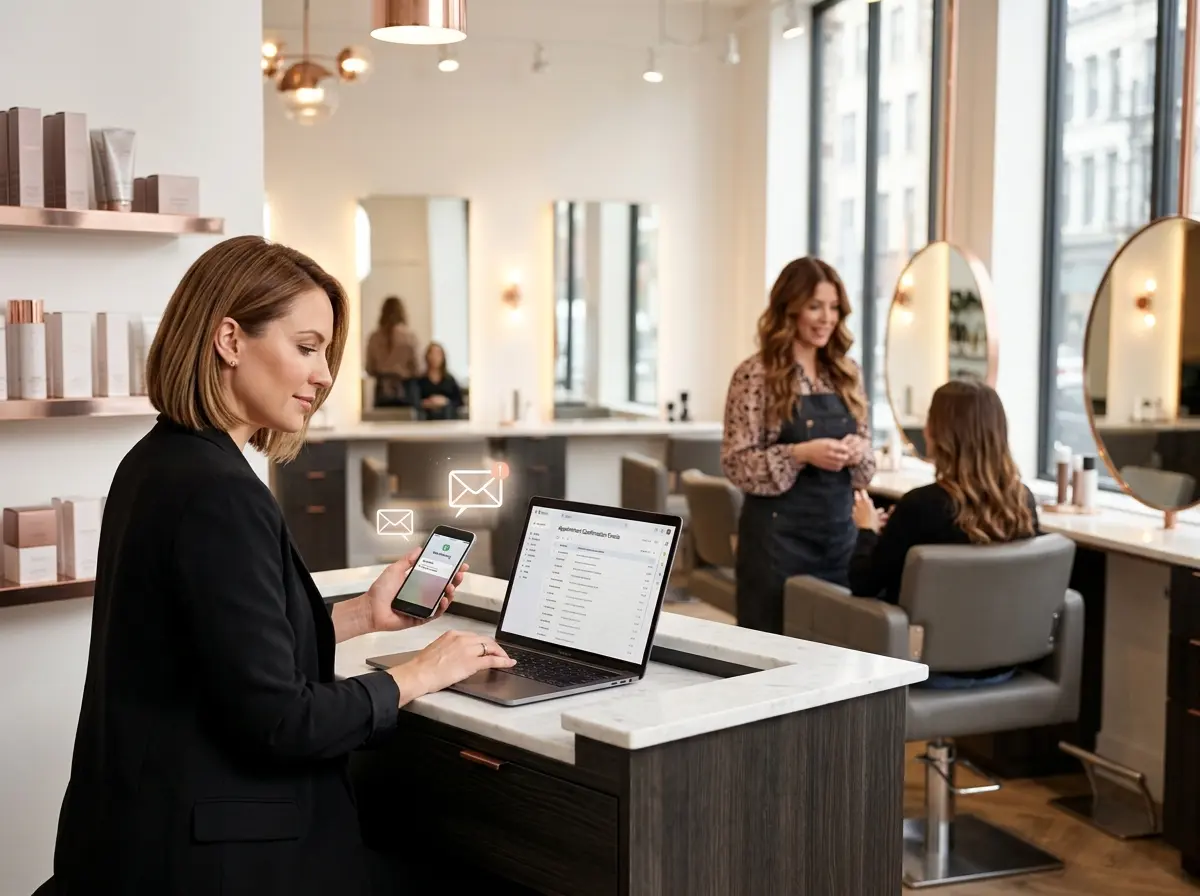
Generic "Hi [First Name]" emails have officially lost their charm. Today's AI marketing platforms — think Klaviyo, Omnisend, or Mailchimp's AI features — can segment your customer base with surprising nuance, predict which customers are at risk of churning, and automatically trigger personalized campaigns based on purchase behavior. A customer who bought a coffee grinder from you six months ago? They're probably due for a bean refill recommendation. Someone who hasn't visited in 90 days? An AI-triggered win-back sequence with a targeted offer can bring them back without you lifting a finger.
Independent retailers who implement behavior-based email segmentation consistently see higher open rates and click-through rates compared to batch-and-blast campaigns. The setup investment is real, but the ongoing performance improvement pays for itself quickly.
AI-Powered Social Content and Ad Optimization
Creating consistent social content is one of those tasks that feels manageable until it suddenly isn't. AI writing and design tools like Canva's AI features, Copy.ai, or Jasper can dramatically reduce the time it takes to produce quality content — drafting captions, generating image concepts, and even suggesting optimal posting schedules based on engagement data. For paid social, Meta's Advantage+ and Google's Performance Max campaigns use AI to optimize your ad delivery automatically, which means even small budgets can perform more efficiently when the algorithm is doing the heavy lifting on targeting and placement.
The practical tip here: use AI to generate a first draft, then add your voice and brand personality. Customers can tell when content is generic, and your independent retailer identity is actually a competitive advantage over the big boxes — don't let AI flatten it.
Loyalty Programs and Customer Lifetime Value
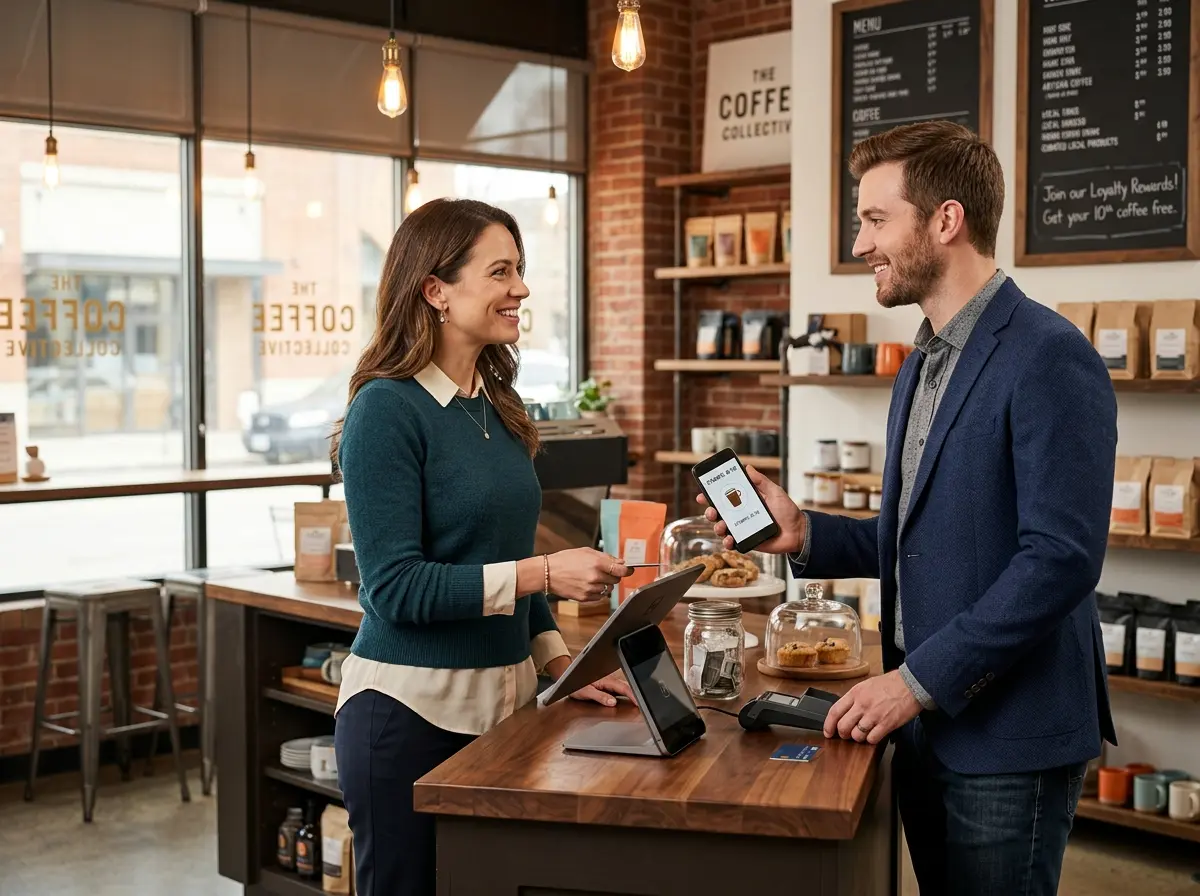
AI is increasingly being used to power smarter loyalty programs that go beyond punch cards. Platforms like Smile.io or Yotpo use purchase data to personalize rewards, predict high-value customers, and identify when to make a targeted offer that nudges someone toward a repeat purchase. Understanding customer lifetime value — and using AI to help increase it — is one of the highest-leverage activities an independent retailer can invest in, since retaining an existing customer costs significantly less than acquiring a new one.
Quick Reminder About Stella
Stella is an AI robot employee and phone receptionist designed specifically for businesses like yours — she stands in your store engaging customers naturally, and answers your phones around the clock as a knowledgeable AI receptionist. She handles the repetitive, time-consuming interactions so your human staff can focus on higher-value work. At $99/month with no hardware costs and an easy setup, she's worth a serious look if you've ever lost a sale because no one was available to help.
Where to Go From Here
The retailers who thrive in 2025 won't necessarily be the ones who adopt every AI tool available — they'll be the ones who identify their biggest operational pain points and find tools that address them directly. Start there. If inventory management is bleeding you dry, start with forecasting. If missed calls and understaffed floors are hurting your customer experience, an AI receptionist and in-store assistant deserves a serious look. If your marketing feels like shouting into a void, smarter segmentation and automation tools can change that picture quickly.
Here are practical next steps you can take this week:
- Audit your biggest time sinks. Where are you or your staff spending the most time on repetitive, low-complexity tasks? That's your first AI opportunity.
- Pick one tool and actually implement it. Researching AI tools is not the same as using them. Choose one category from this guide and commit to a trial.
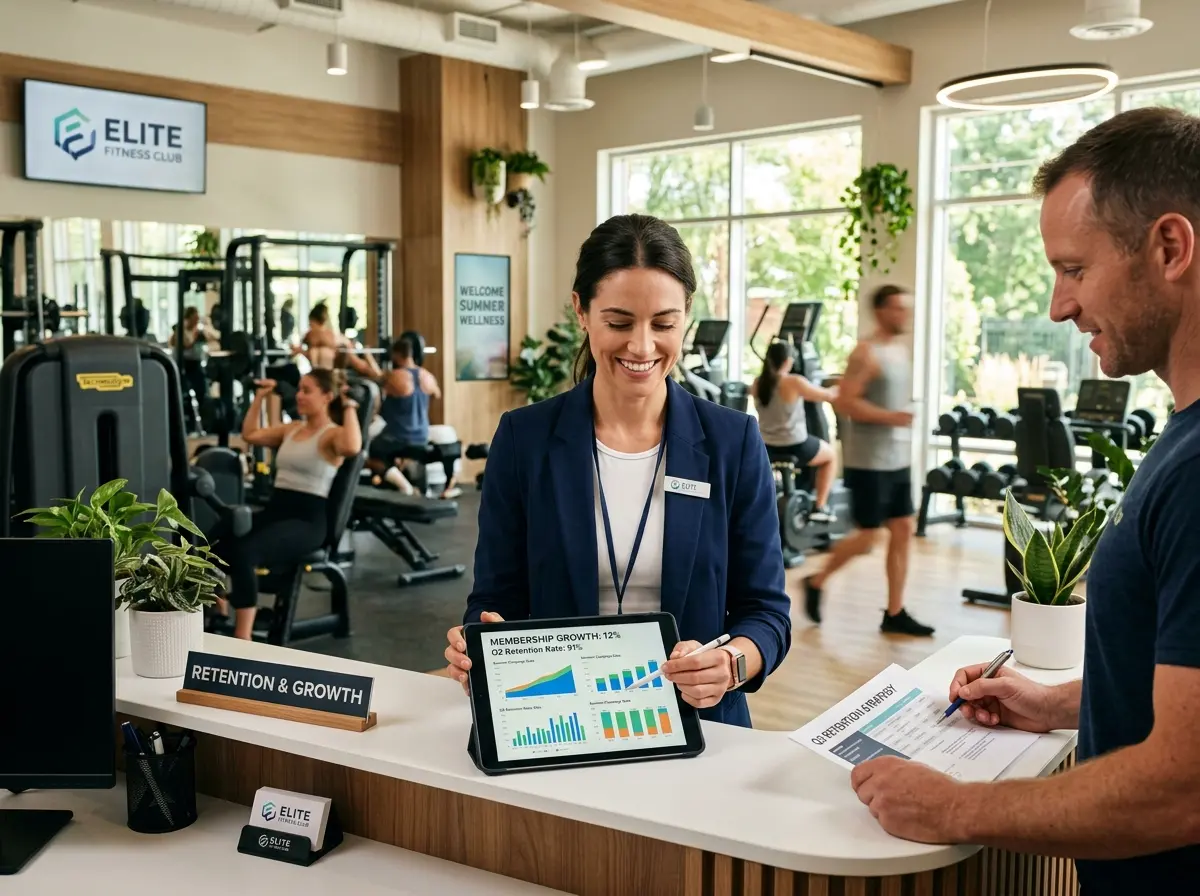
- Measure before and after. Set a simple baseline — missed calls per week, inventory write-offs per quarter, email open rates — so you can actually see the impact.
- Visit stellabots.com if customer engagement, phone coverage, or front-of-store experience is on your priority list.
The independent retailer's greatest advantage has always been the personal touch — the fact that you know your customers, your community, and your product in ways that a big box store never will. AI doesn't replace that. Used well, it amplifies it — freeing you up to do more of what makes your business worth shopping at in the first place.