The Revolving Door Problem: Why Restaurant Onboarding Matters More Than You Think
If you've ever watched a promising new hire walk out the door three weeks after you trained them, you already know the pain. The restaurant industry has one of the highest employee turnover rates of any sector — hovering around 75% annually, according to the National Restaurant Association. That means for every four people you hire, statistically speaking, three of them are already mentally writing their two-weeks notice before you've even shown them where the extra napkins are stored.
Here's the uncomfortable truth: most restaurant turnover isn't about pay. It's about how employees feel during those critical first few weeks on the job. A chaotic, thrown-together onboarding experience sends a loud message to new hires — and that message is, "We didn't really prepare for you." Talented people don't stick around to receive that message twice.
The good news? A structured, thoughtful onboarding program can reduce turnover by up to 82% and improve new hire productivity by over 70%, according to research from Brandon Hall Group. That's not a typo. Eighty-two percent. So if you're still onboarding new staff with a laminated menu, a three-minute tour, and a "figure it out" attitude, this blog post is your sign to do better — and we're here to help you do exactly that.
Building the Foundation: What a Great Onboarding Program Actually Looks Like
Start Before Day One
Great onboarding doesn't begin when your new employee walks through the door on their first shift. It begins the moment they accept the offer. Send a welcome email that includes their schedule, a brief overview of what to expect in week one, parking instructions, dress code reminders, and — this is important — a genuine expression of excitement about having them on the team. It takes ten minutes to write and costs exactly nothing, but it signals professionalism and care before they've even tied on an apron.
Consider creating a simple digital welcome packet using a free tool like Google Docs or Canva. Include your restaurant's story, core values, menu highlights, and a "meet the team" section with photos and fun facts. New hires who feel connected to the culture before day one show up more motivated and more prepared. That's not a feel-good theory — it's a practical competitive advantage in a tight labor market.
Structure the First 30 Days Intentionally
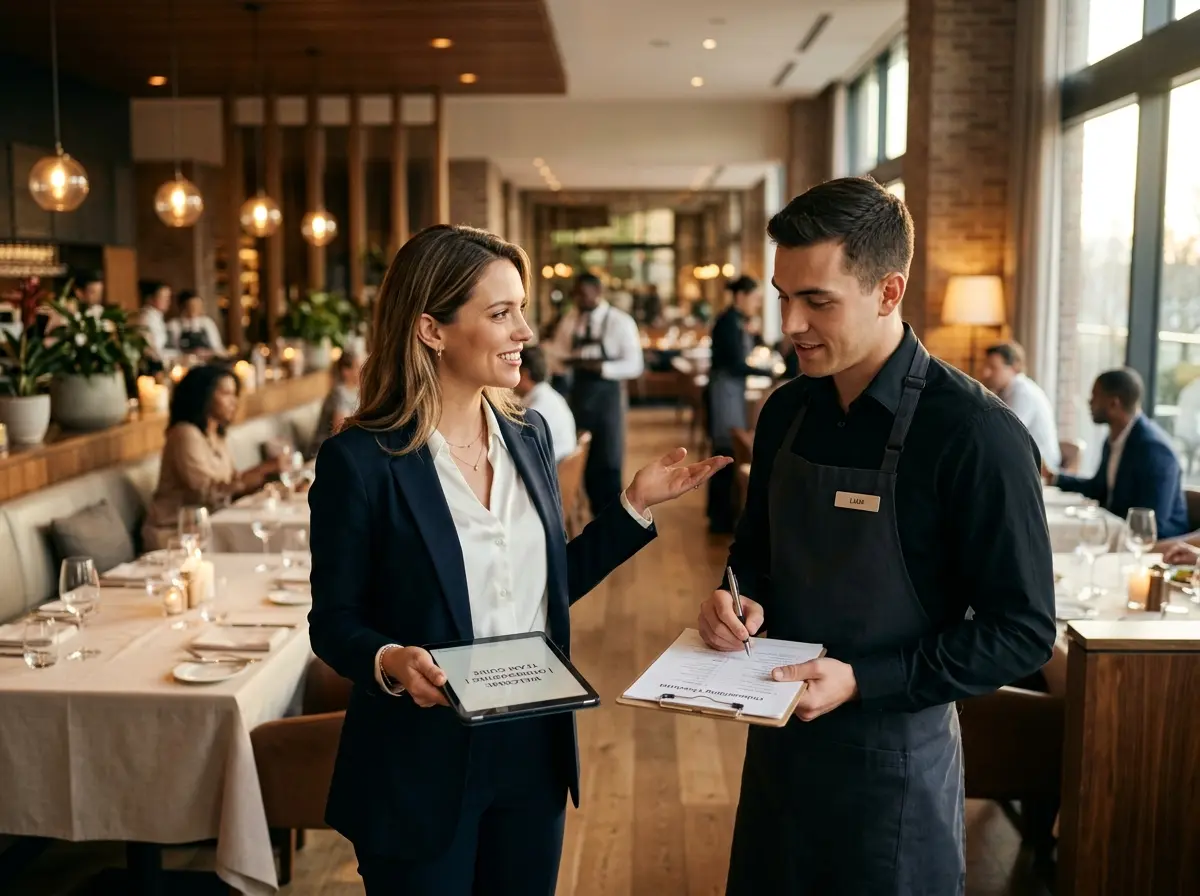
The biggest mistake restaurant owners make is treating onboarding as a one-day event rather than a multi-week process. Your new hire cannot absorb your entire menu, your POS system, your table numbering logic, your regulars' quirks, and your manager's expectations all in a single shift. No human being can. Give them a structured 30-day roadmap that breaks learning into digestible phases:
- Week 1: Culture, orientation, safety training, and shadowing experienced staff.
- Week 2: Supervised practice on the floor or in the kitchen, with daily check-ins.
- Week 3: Independent work with a designated mentor available for questions.
- Week 4: Performance review conversation, feedback exchange, and goal-setting.
This structure removes ambiguity — the silent killer of new employee confidence. When people know what's expected of them and when, they perform better and feel more secure in their role.
Assign a Mentor, Not Just a Manager
There's a meaningful difference between a manager who oversees a new hire and a peer mentor who guides them. Managers are busy. They're handling inventory, dealing with table complaints, and answering phone calls. A designated mentor — ideally a veteran employee who genuinely enjoys helping others — gives the new hire a safe person to ask "stupid questions" without fear of judgment. This single change can dramatically reduce the anxiety that leads to early quitting. Offer the mentor a small incentive, like a bonus after the new hire successfully completes 60 days, to make the arrangement worth their time and investment.
How Technology Can Take Some Weight Off Your Plate
Let Automation Handle the Repetitive Stuff
Part of the reason onboarding falls apart in restaurants is that owners and managers are simply stretched too thin to do it properly. When you're juggling a lunch rush, a short-staffed kitchen, and a ringing phone, sitting down with a new hire to review training materials gets bumped down the priority list — every single time. This is where smart technology earns its keep.
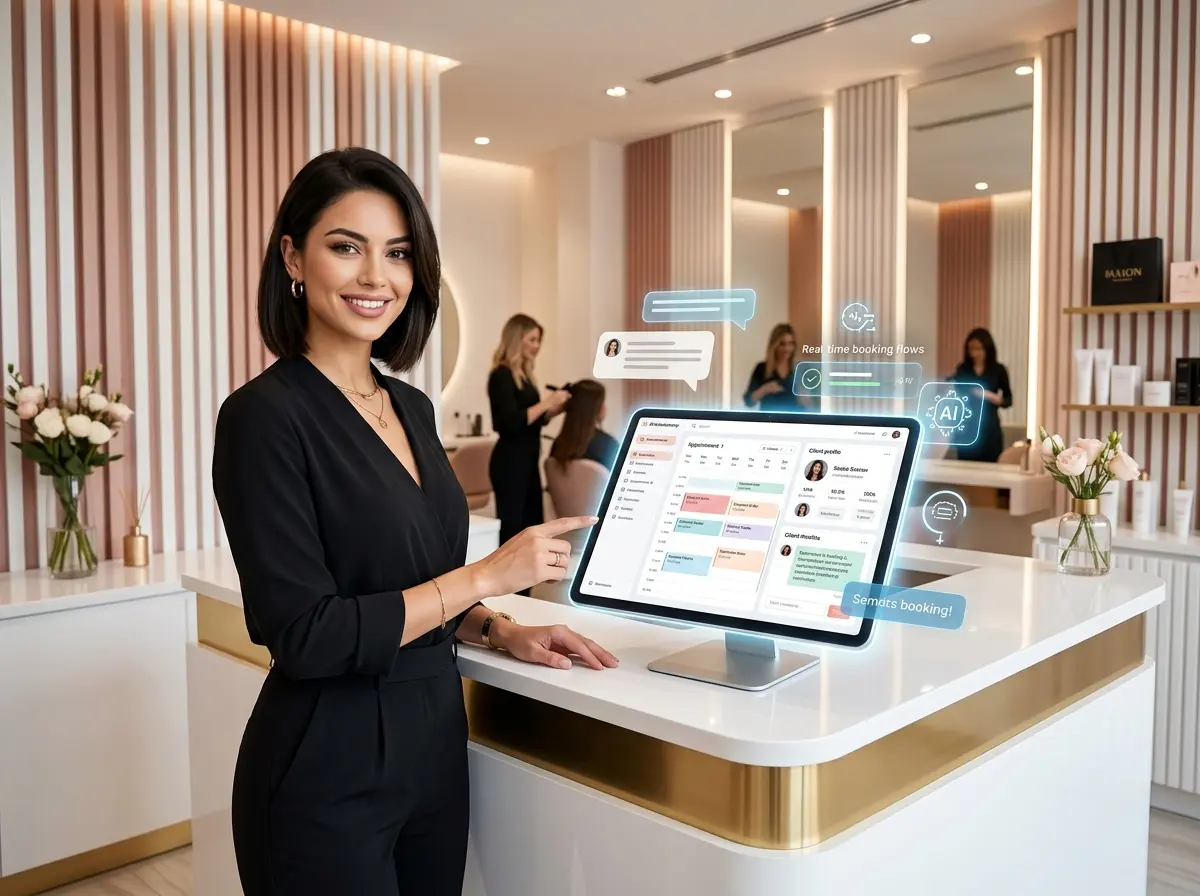
For instance, Stella — the AI robot employee and phone receptionist — can take a meaningful chunk of front-of-house and phone duties off your team's plate, freeing up managers to actually focus on developing their people. Stella greets walk-in customers, answers questions about your menu and specials, handles incoming phone calls 24/7, and even promotes current deals — all without requiring supervision. That means your human staff can spend less time being interrupted with "What are your hours?" and more time learning the craft of hospitality. When your experienced employees aren't constantly pulled away to answer basic questions, they become far better mentors. And when your managers aren't chained to the phone, they can spend those precious first-week moments actually onboarding your new hire properly.
Retention Is an Ongoing Practice, Not a One-Time Event
Create Regular Touchpoints After Onboarding Ends
Most restaurants declare victory at the 30-day mark and move on. Big mistake. The 60-to-90-day window is actually when a second wave of turnover tends to hit — right when employees have gotten comfortable enough to realize whether they actually like working there. Schedule brief monthly one-on-ones between managers and staff to check in on job satisfaction, growth goals, and any frustrations that are quietly simmering. These conversations don't need to be formal performance reviews. A 15-minute sit-down over a cup of coffee communicates more respect and investment than most restaurants bother to show.
It also helps to track these conversations. Keep simple notes on what was discussed, what was promised, and what follow-up is needed. Employees notice when a manager remembers what they talked about last month. They notice even more when they don't.
Invest in Development, Not Just Training
Training teaches someone how to do their current job. Development shows them where they can go. Even in a restaurant environment, there's room to grow — shift lead, kitchen trainer, assistant manager, event coordinator. Employees who see a future with you are dramatically less likely to leave for a competitor offering twenty-five cents more an hour. Create simple career paths, even informal ones, and talk about them openly during onboarding. Ask new hires what their goals are. Then actually remember what they said. The act of asking — and following up — is itself a powerful retention tool.
Build a Culture Worth Staying For
No onboarding program survives a toxic work environment. If experienced staff are rude to new hires, if managers play favorites, or if basic workplace respect isn't enforced, your beautifully designed 30-day roadmap won't save you. Culture is either your greatest retention tool or your biggest liability. Be intentional about it. Recognize wins publicly. Address conflict quickly and fairly. Celebrate tenure. Small gestures — a birthday acknowledgment, a shout-out during a pre-shift meeting, a handwritten note from the owner — cost almost nothing and build an enormous amount of loyalty over time.
A Quick Reminder About Stella
Stella is an AI robot employee and phone receptionist that works in your restaurant around the clock — greeting customers, answering questions, handling phone calls, and promoting your specials without ever calling in sick or quitting after two weeks. At just $99/month with no upfront hardware costs, she's one of the most affordable ways to reduce the daily pressure on your human team, giving your managers more bandwidth to focus on what actually drives retention: developing great people. If you haven't looked into what Stella can do for a restaurant like yours, it's worth a few minutes of your time.
Start Today: Your Onboarding Action Plan
The restaurant industry doesn't have a hiring problem — it has a keeping problem. And the fix isn't mysterious. It's structured, intentional, and surprisingly achievable even for small independent operators with limited resources. Here's where to start this week:
- Create a welcome email template you can send to every new hire immediately after they accept the offer.
- Map out a 30-day onboarding plan with weekly milestones and clear expectations for each phase.
- Identify your best mentor candidate on the current team and have a conversation about pairing them with future new hires.
- Schedule monthly check-ins as a standing practice, not just something you do when problems arise.
- Audit your culture honestly — ask yourself whether a new employee would feel welcomed, respected, and excited to return after their first week.
None of these steps require a massive budget or a dedicated HR department. They require intention and consistency. The restaurants that retain great staff aren't doing something magical — they're just doing the basics better than everyone else. Build your onboarding program with the same care you put into your menu, and you'll find that the revolving door starts turning a whole lot slower.