More Than Just a Cup of Coffee
Sociologist Ray Oldenburg coined the term "third place" back in 1989 — a space that isn't home (first place) or work (second place), but somewhere in between. A living room for the neighborhood. A refuge from the mundane. A place where people actually want to be. He was probably thinking of the corner pub in a small European village, but in 2024, that concept has a distinctly espresso-scented makeover.
Here's the thing: most coffee shop owners understand this instinctively. You didn't get into the coffee business purely for the margins on a latte (because, let's be honest, the margins on a latte are doing their best). You got into it because you wanted to create something — a vibe, a gathering spot, a place where regulars know each other's names and new faces feel welcome within minutes.
The problem? Good intentions don't automatically translate into community. A few mismatched chairs and a chalkboard menu do not a third place make. Building a genuine community hub requires deliberate strategy, consistent experience, and — here's the part most owners underestimate — reliable human connection at every touchpoint. The good news is that this is entirely achievable, and the coffee shops that get it right don't just survive — they become neighborhood institutions.
Designing the Space and Culture That Keeps People Coming Back
Physical Environment: Your Silent Salesperson
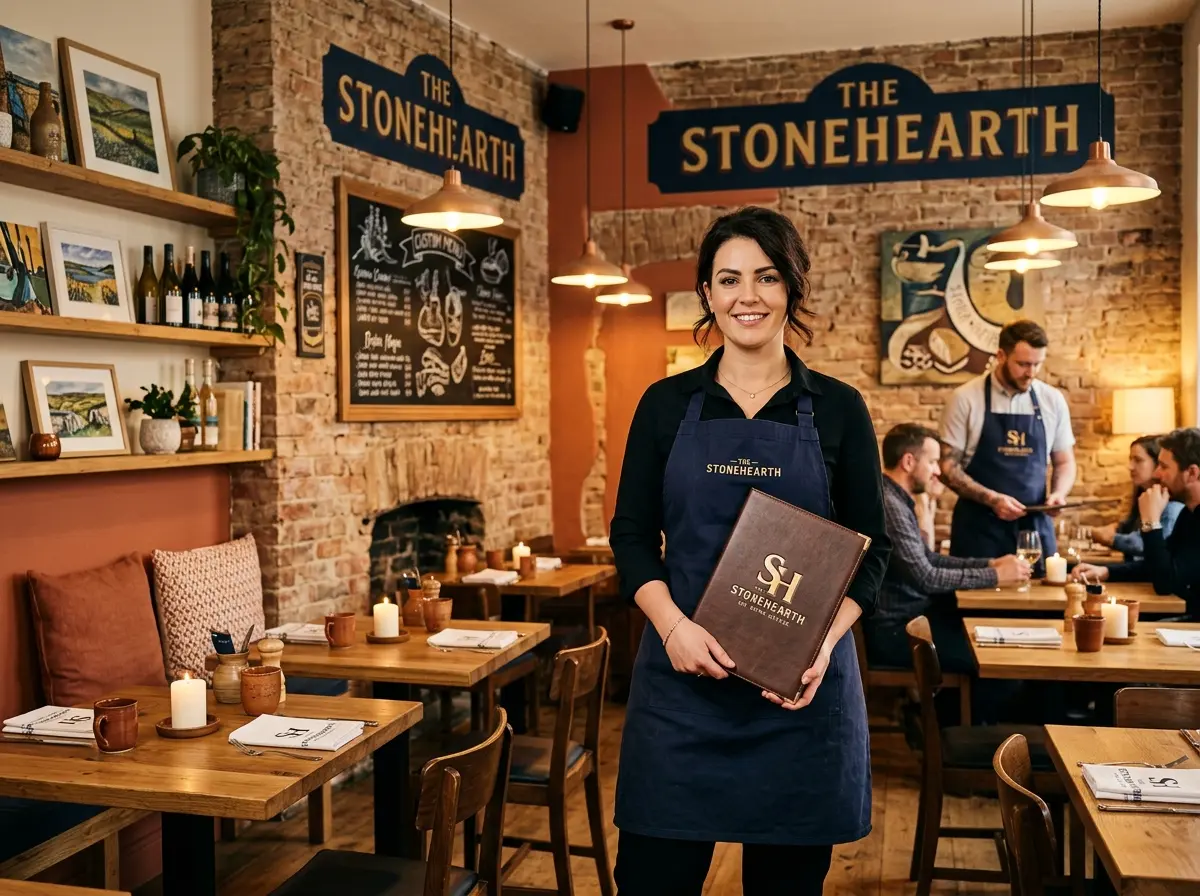
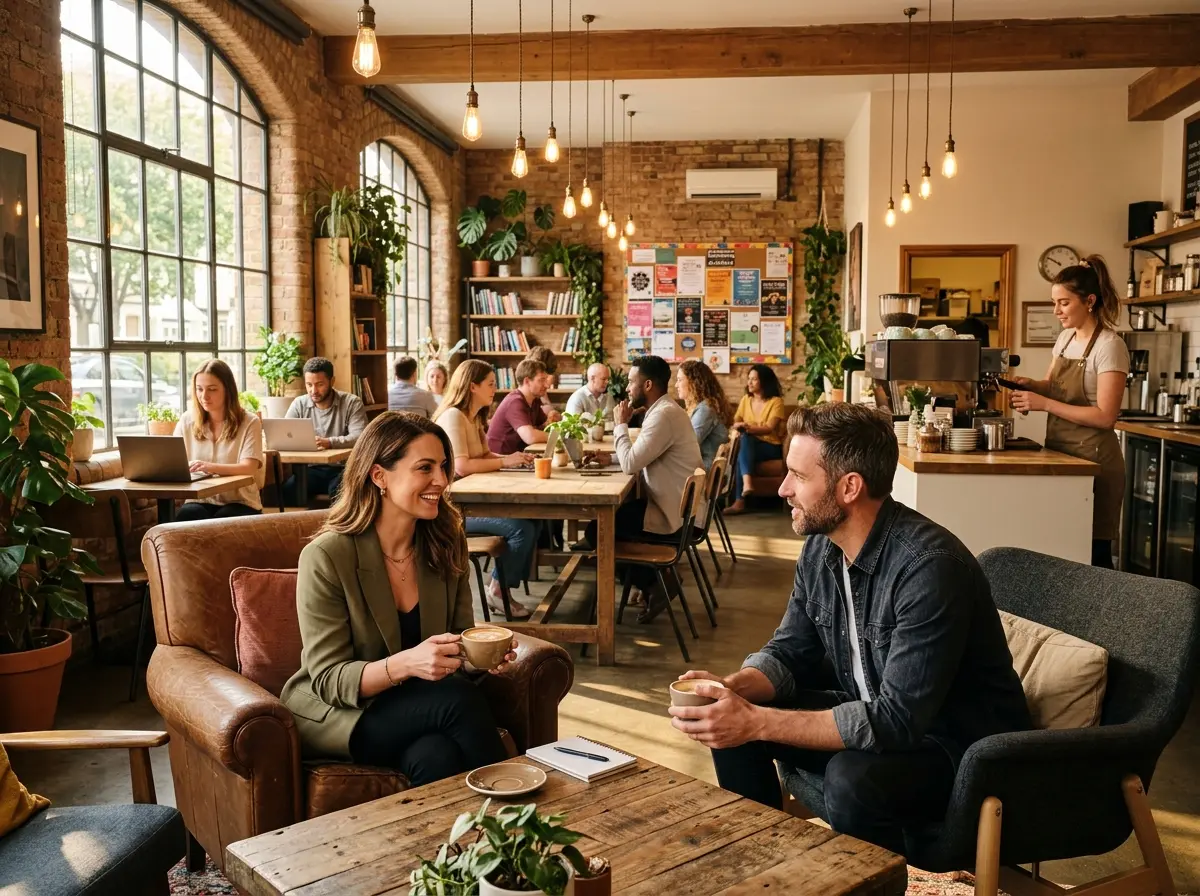
Before a single word is spoken, your space is already communicating. Harsh fluorescent lighting whispers "hospital waiting room." Generic stock-photo art shouts "I decorated this in 45 minutes." But warm, layered lighting, local artwork, and a thoughtful mix of seating — communal tables, cozy nooks, bar-style counter seats — tells a different story. It says: stay a while.
Consider how the most beloved coffee institutions are designed. Blue Bottle Coffee leans into minimalism and ritual. The Grounds of Alexandria in Sydney turned a coffee shop into a full sensory experience complete with a farm animal resident (admittedly hard to replicate in a strip mall). Closer to home, independently owned shops that feature rotating local art, host open mic nights, or dedicate a wall to community bulletin boards see significantly higher dwell time and repeat visits. According to research from the Specialty Coffee Association, customers who linger longer spend 20–30% more per visit — so creating a comfortable, welcoming environment is quite literally good business.
Practical moves: invest in comfortable seating with proper back support, ensure your Wi-Fi is fast and the password is visible, provide adequate power outlets, and maintain a noise level that allows for conversation without shouting. These aren't luxuries — they're the infrastructure of a third place.
Building a Culture of Belonging
Physical design sets the stage, but your staff sets the tone. The difference between a transactional coffee shop and a community hub is almost entirely the human element — the barista who remembers that Marcus gets an oat milk cortado on Wednesdays, or the manager who introduces two regulars who turned out to share a profession and are now business partners. That stuff doesn't happen by accident.
Invest in staff training that goes beyond drink recipes. Teach your team to make genuine conversation, to notice new faces and make them feel seen, and to foster connections between customers. A brief daily briefing about regulars' names and preferences goes a long way. Some shops even maintain informal "regulars journals" — a low-tech but remarkably effective way to personalize service at scale.
Culture also means being intentional about what you don't tolerate. A third place has to be genuinely welcoming to everyone, which sometimes means gently enforcing norms around respectful behavior. Community spaces thrive on psychological safety — people come back to places where they feel comfortable being themselves.
Programming: Give People a Reason to Gather
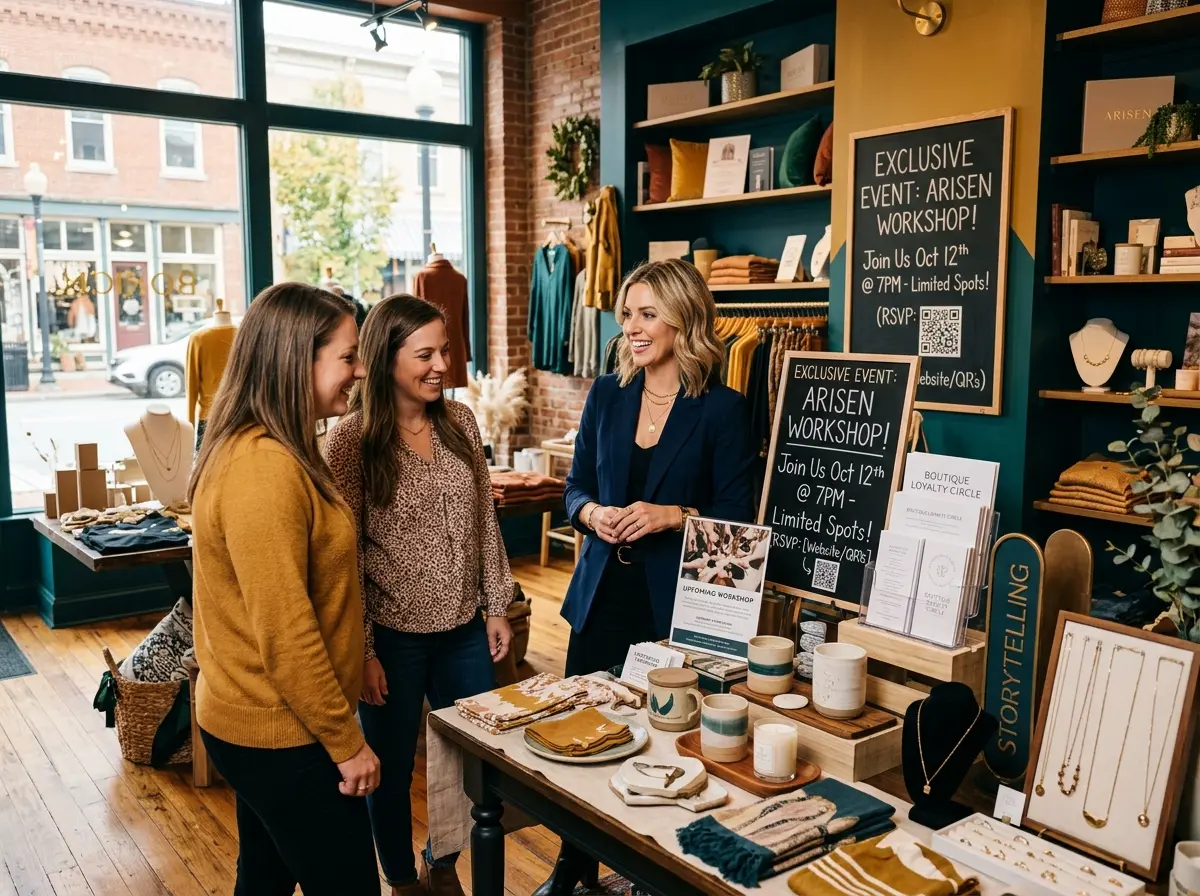
An empty coffee shop in the afternoon is a missed opportunity. Events and programming transform your square footage from a place people pass through into a place they plan around. Think trivia nights, open mic sessions, local author book readings, knitting circles, board game afternoons, or community skill shares. You don't need to produce a TED Talk — you just need to create a recurring reason for people to show up together.
Partner with local organizations, schools, or nonprofits. Host a monthly neighborhood meeting. Let a local chess club use your back corner on slow Tuesday mornings. These partnerships cost you very little and return community credibility that no amount of Instagram advertising can buy. A study by the Project for Public Spaces found that third places hosting regular programming see up to 40% higher customer retention compared to those that don't — and retention, in the coffee business, is everything.
Making Every First Impression Count
The Moment Someone Walks In (or Calls)
You've designed a beautiful space, trained a warm team, and built a killer events calendar. And then someone calls your shop on a busy Saturday morning, the phone rings eight times, and nobody answers. First impression: gone. Or a customer walks in during a lunch rush and stands awkwardly at the entrance for three minutes while staff scramble and nobody makes eye contact. Third place feeling: not quite.
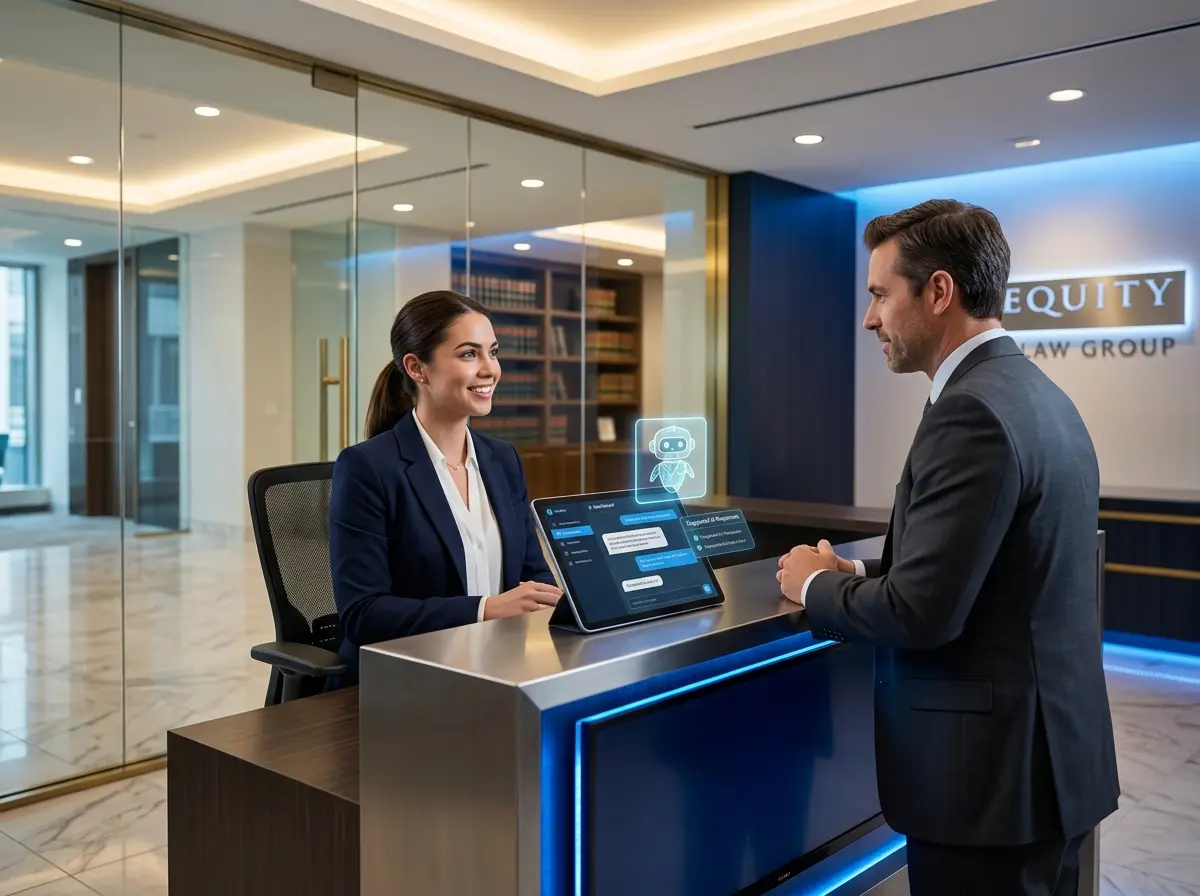
This is exactly where Stella, the AI robot employee and phone receptionist, quietly earns her keep. Stella stands in your shop as a friendly, human-sized AI kiosk that proactively greets every customer who walks by — no awkward waiting, no missed hellos. She can answer questions about your menu, daily specials, loyalty program, and hours without pulling your baristas away from the espresso machine. And when the phone rings at 7am before your team has fully caffeinated themselves, Stella answers it with the same warmth and business knowledge she uses in person — 24/7, no exceptions. For a coffee shop trying to build community, the first impression needs to be consistently excellent, not just on your best staffing days.
Leveraging Local Identity and Loyalty
Rooting Your Brand in the Neighborhood
The most successful third places aren't generic — they're unmistakably local. They carry the personality of the neighborhood in their bones. This means sourcing locally where possible (that pastry from the bakery two blocks over, the honey from the urban apiary across town), showcasing local artists on your walls, and being genuinely embedded in local causes and conversations.
Sponsor the neighborhood little league team. Show up to the local business association meeting. Name a drink after a neighborhood landmark. These aren't just marketing tactics — they're acts of community investment that signal your shop is here for the long haul. And customers notice. They choose the shop that feels like theirs over the one that could exist anywhere, every single time.
Loyalty Programs That Actually Build Loyalty
A loyalty punch card is a start, but 2024 offers far more sophisticated options. Digital loyalty programs that track purchase history, send personalized offers, and reward community engagement (not just purchases) create a fundamentally different relationship with your regulars. Think: bonus points for attending an event, a birthday drink on the house, or early access to a new seasonal menu for your top customers.
The goal is to make your regulars feel like members of something, not just consumers of something. When your loyalty program communicates "we know you and we appreciate you," it reinforces the third place identity at the most personal level possible. Retention data consistently shows that loyal customers spend 67% more than new customers, making this one of the highest-ROI investments a coffee shop can make.
Social Media as Community, Not Billboard
Most small businesses use social media as a megaphone — announcements, promotions, pretty latte art. The coffee shops that build real community use it as a conversation. Feature your regulars (with permission). Post about the local events you're supporting. Celebrate neighborhood milestones. Ask genuine questions and actually respond to the answers. When your social presence reflects the same warmth and local rootedness as your physical space, it extends your third place into the digital world — and brings new customers in the door who feel like they already know you.
Quick Reminder About Stella
Stella is an AI robot employee and phone receptionist built for businesses like yours — combining an in-store kiosk presence that greets and engages customers with 24/7 phone answering that never misses a call. She handles questions, promotes specials, collects customer information, and keeps your team free to focus on what they do best. At $99/month with no upfront hardware costs, she's the kind of team member who always shows up on time and never calls in sick.
Turn Your Coffee Shop Into a Neighborhood Institution
Building a true third place doesn't happen overnight — but it also doesn't require a massive budget or a complete reinvention of your business. It requires intentionality. Thoughtful design choices that invite people to linger. A team culture that prioritizes genuine connection. Programming that gives people reasons to return. A brand identity rooted in your specific neighborhood. And the operational reliability to make every touchpoint — in person or on the phone — feel warm and welcoming.
Start with one thing this week. Maybe it's scheduling your first community event for next month. Maybe it's briefing your team on five regulars' names and usual orders. Maybe it's reaching out to the local art school about displaying student work on your walls. These small acts compound over time into something genuinely powerful: a business that people don't just visit — they belong to.
The coffee shops that become neighborhood institutions aren't the ones with the fanciest equipment or the most precisely calibrated espresso. They're the ones where people feel known, welcomed, and glad they showed up. That's the third place. And it's yours to build.