Why Your Dental Practice Needs to Get Out More (Literally)
Let's be honest — most dental marketing strategies boil down to "post something on Instagram and hope for the best." And while a well-timed teeth-whitening reel might get a few likes from your aunt, it's probably not filling your appointment book. The truth is, the most effective way to attract new patients to a local dental practice is refreshingly old-school: show up in your community.
Local event marketing is one of the highest-ROI strategies available to dental practices — and it's consistently underused. According to the American Dental Association, nearly 36% of Americans haven't visited a dentist in the past year, often citing cost concerns, fear, or simply not having a dentist they trust. Events give you the chance to break down those barriers in person, before someone ever sits in your chair. You become the friendly neighborhood dentist, not just another Google Maps pin.
This guide walks you through a practical, field-tested local event marketing strategy that will get your practice in front of new faces — and turn those faces into loyal, twice-a-year patients.
Building Your Local Event Marketing Foundation
Identify the Right Events for Your Practice
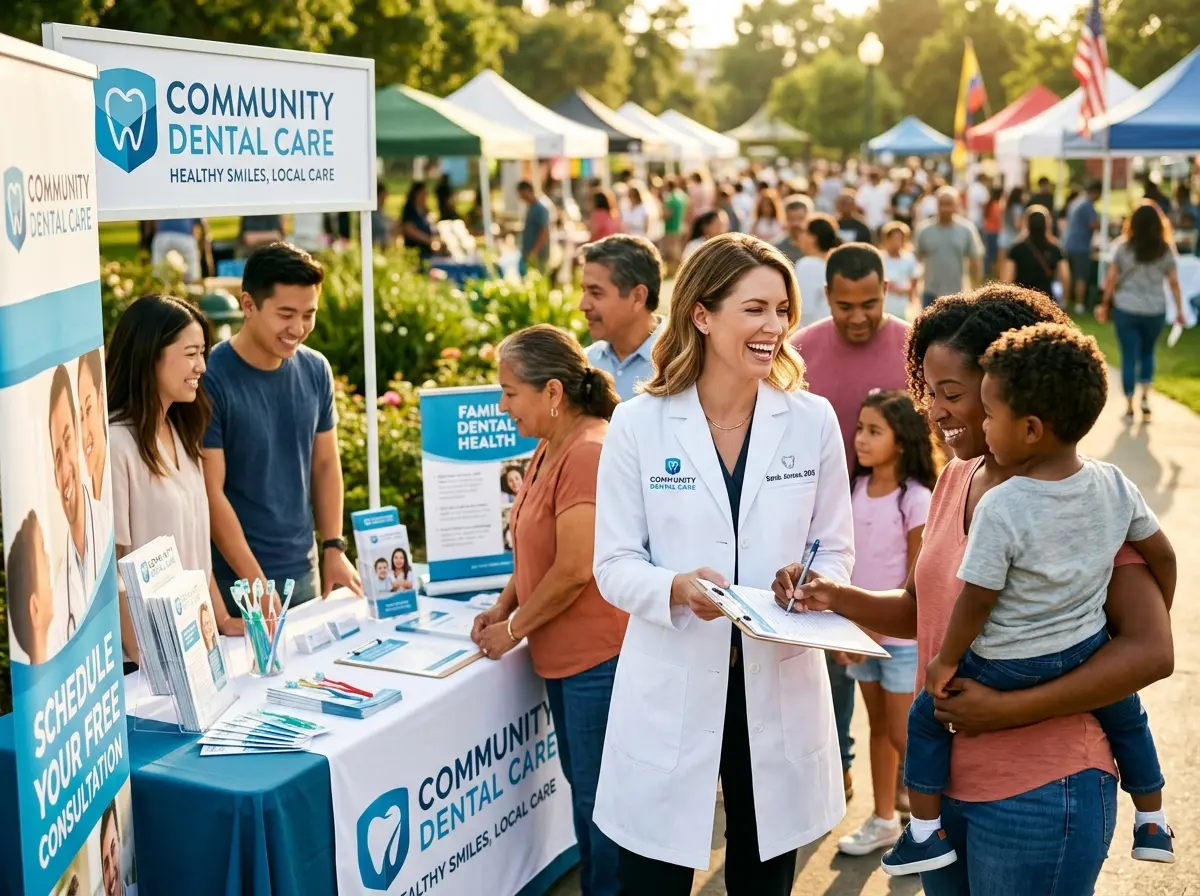
Not every community event deserves your time, branded balloons, and a tray of tooth-shaped sugar cookies. You need to be strategic. The best events for dental practices share a few key traits: they attract families or working adults (your core demographic), they're positioned as community-friendly rather than purely commercial, and they give you enough space to have real conversations — not just hand out business cards into the void.
Great events to target include school fairs and PTA fundraisers, local farmers markets, health and wellness expos, neighborhood festivals, chamber of commerce mixers, and sports league sponsorships. If your practice focuses on pediatric dentistry, school events and family-oriented festivals are gold. If you're targeting busy professionals, a downtown lunch event or a corporate wellness fair might be your best bet. The point is to fish where the fish are — and ideally where the fish haven't been scared off by too many dentists already.
Craft an Irresistible Event Offer
Showing up to an event with just a banner and a stack of brochures is a fast track to being completely ignored. You need a compelling offer that gives people a reason to stop, engage, and — most importantly — take action. Here are a few proven formats:
- Free dental screenings: A 2-minute visual check goes a long way toward building trust and surfacing real concerns that lead to booked appointments.
- Spin-to-win wheels: Offer prizes like free whitening consultations, electric toothbrushes, or discounts on first visits. People love spinning things. It's just science.
- New patient specials: A clearly communicated offer (e.g., "New patients get a full exam and X-rays for $49") removes the financial hesitation that keeps many people from booking.
- Giveaway entry forms: Collect contact information in exchange for a chance to win something meaningful — a Sonicare toothbrush, a whitening kit, or a gift card.
Whatever you offer, make sure your team can clearly and confidently communicate the value in under 30 seconds. You won't always get more time than that.
Train Your Team to Represent Your Brand
Your staff is your biggest asset at any event — and also your biggest liability if they'd rather be checking their phones. Before every event, run a short briefing: What's the offer? What's the goal? How do we collect contact info? Role-play the opening line. Yes, it feels awkward. No, it's not optional.
The goal isn't to be pushy — it's to be genuinely helpful. Train your team to ask questions, listen actively, and share relatable stories. A dental assistant who casually mentions how a patient overcame their fear of cleanings will do more for your practice than a hundred flyers. Authenticity converts. Clipboards and awkward silences do not.
Streamlining Patient Follow-Up After Events
Capture and Organize Leads Before They Go Cold
Here's where most dental practices drop the ball so hard it bounces twice. You attend the event, you collect a stack of handwritten forms or a list of emails, and then... life happens. Monday comes, the schedule fills up, and those leads sit in a folder until someone throws them away during spring cleaning.
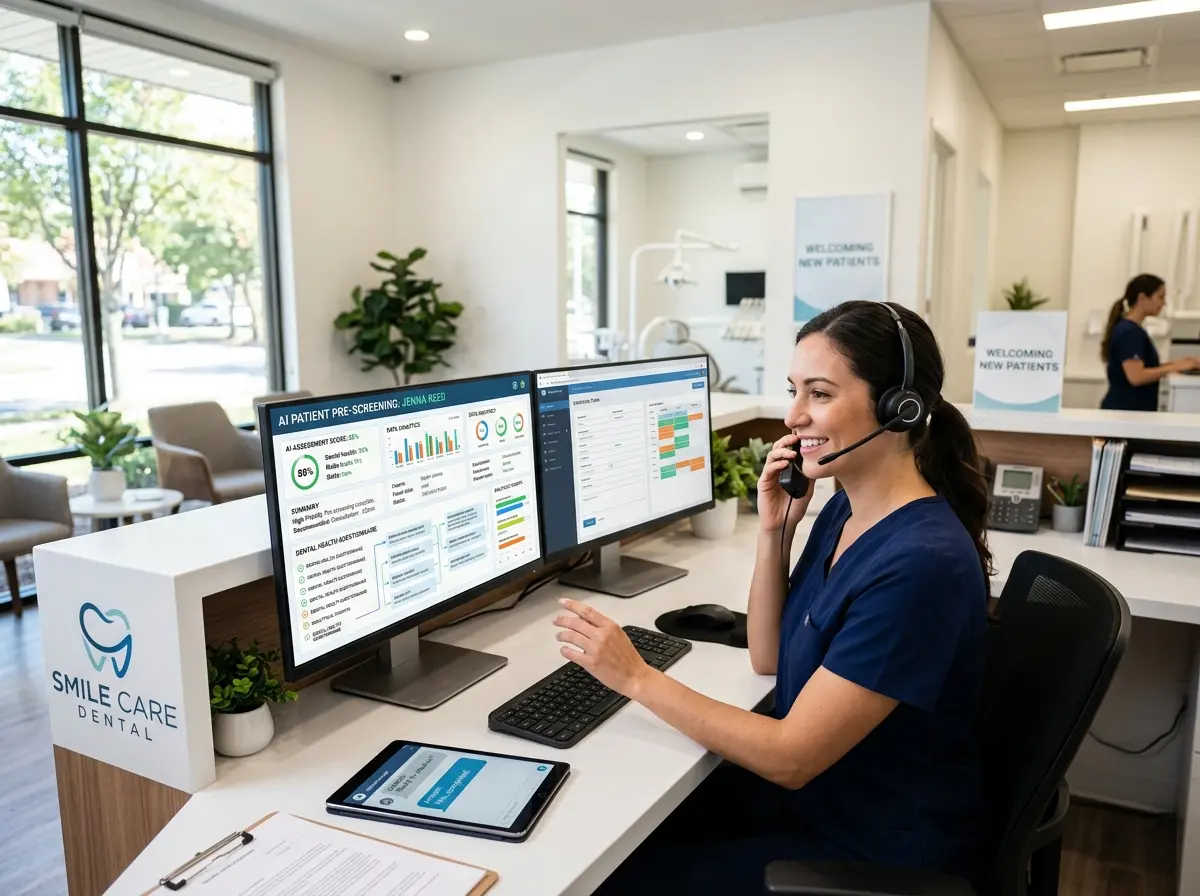
The fix is having a system that captures leads during the event and routes them into follow-up automatically. Stella, the AI robot employee and phone receptionist, can support your practice on both ends of this challenge. At your physical location, Stella's in-store kiosk presence handles patient intake, answers common questions about services and insurance, and collects contact information through conversational intake forms — no clipboard chaos required. When event attendees follow up by phone (which many will, especially older patients), Stella answers 24/7, so no lead goes to voicemail purgatory. Her built-in CRM automatically organizes contacts, generates AI-powered patient profiles, and tags leads so your team knows exactly who came in from which event. That's the kind of follow-through that turns a Saturday booth into a full appointment schedule.
Maximizing Long-Term Impact From Each Event
Create a Post-Event Follow-Up Sequence
The event was great. You talked to 80 people, handed out 200 toothbrushes, and ran out of the good pens. Now what? Now you follow up — and you do it within 48 hours, while the memory of your smiling team is still fresh in people's minds.
A solid follow-up sequence looks something like this: a personalized email or text the next day referencing the event, a gentle reminder three to five days later if there's been no response, and a final outreach about a week out with a soft deadline on your new patient offer. Keep the tone warm and human — not like a debt collector. Reference something specific when you can: "Great chatting at the Riverside Festival! Here's that link to book your complimentary whitening consult we mentioned." Specificity signals that you actually care, and it dramatically improves response rates.
Measure What Actually Worked
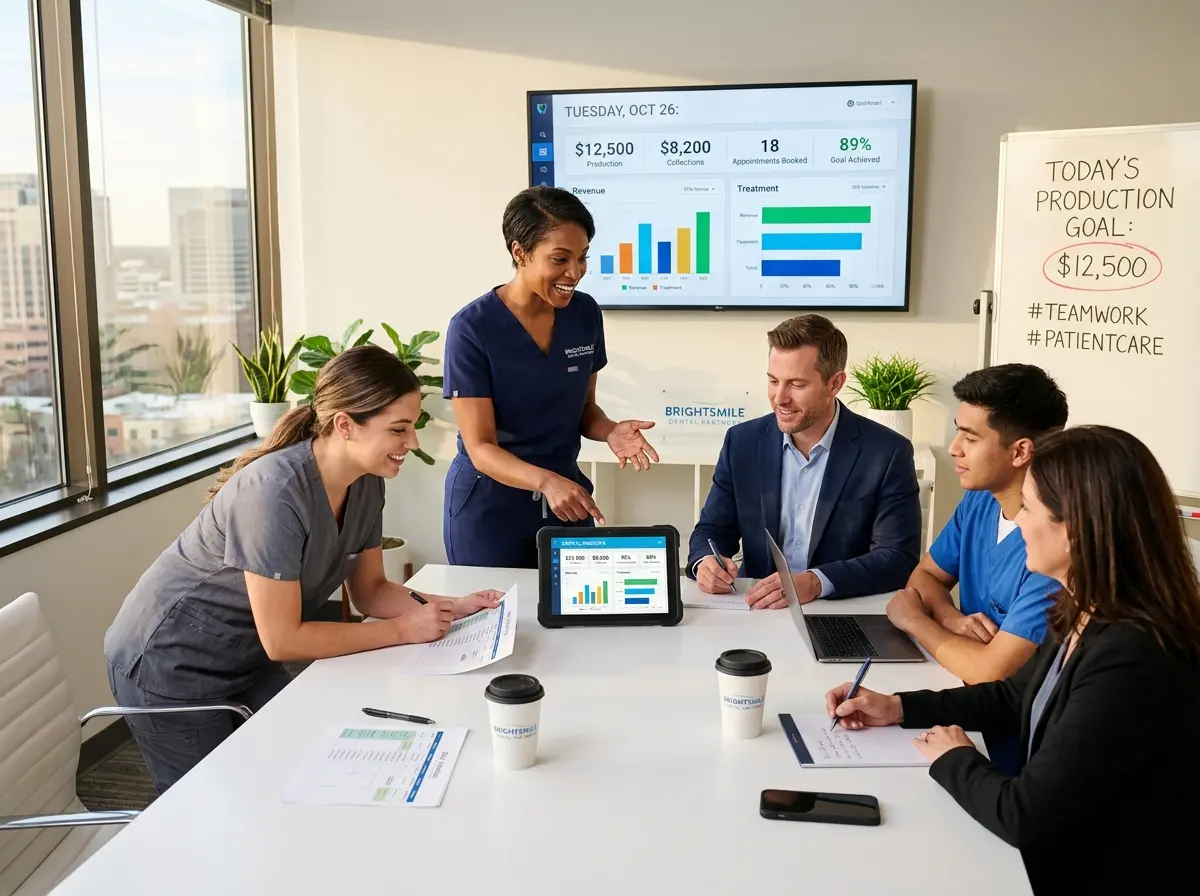
If you're not tracking the results of your events, you're essentially spending money on vibes. And while vibes are nice, they don't pay for sterilization equipment. After each event, document the following: How many leads did you collect? How many booked appointments? What was the conversion rate from event attendee to new patient? What was the average treatment value of those new patients?
Over time, this data tells you which events are worth your Saturday mornings and which ones are a very expensive way to hand out dental floss to people who won't call. Double down on what works, gracefully exit what doesn't, and always be testing something new. Marketing without measurement is just guessing with better fonts.
Build Relationships, Not Just Transactions
The most successful dental practices treat local events as the beginning of a relationship — not a one-time transaction. Consider sponsoring a recurring community event, not just a one-off. Partner with a local pediatrician's office, gym, or pharmacy to co-host health fairs. Volunteer your team for school oral health education programs. When your practice becomes a recognized, trusted presence in the community, you stop competing on price and start competing on trust — which is a much better game to be in.
The long game here is referrals. A patient who found you at a community event, had a great first experience, and feels connected to your practice will tell their friends. Word-of-mouth from a real community connection is worth ten times the average Google ad spend. Invest accordingly.
Quick Reminder About Stella
Stella is an AI robot employee and phone receptionist designed to help businesses like dental practices run smoother every single day — not just on event days. She greets patients at your front desk, answers phones around the clock, collects intake information, manages your contacts, and promotes your current offers, all for just $99/month with no upfront hardware costs. Think of her as the world's most reliable front desk staff member — one who never calls in sick and never puts a new patient on hold to go find someone who knows the answer.
Your Next Steps Start This Week
Local event marketing isn't complicated, but it does require commitment. The practices that win are the ones that show up consistently, engage authentically, and follow up relentlessly. Start by identifying two or three community events happening in the next 60 days that align with your target patient demographic. Build one compelling offer around each event. Brief your team, set up your lead capture process, and get ready to actually enjoy marketing your practice for once.
Remember: every person at that farmers market who hasn't seen a dentist in three years is a potential loyal patient — they just don't know you yet. Your job is to change that, one friendly conversation at a time. Now go book a booth, order the branded toothbrushes, and for the love of all things oral health, make sure someone brings the good pens.