The Fortune Is in the Follow-Up (Yes, That Old Saying Is Still True)
You worked hard to get that customer through the door. You delivered a great service. They left happy. And then… nothing. No rebook. No upsell. No second visit. Just a faint memory of a pleasant transaction that might — if you're lucky — turn into a repeat customer sometime in the next six months.
Sound familiar? It should, because this is the quiet revenue leak that most businesses completely ignore. They pour money into advertising, obsess over first impressions, and then completely drop the ball the moment a customer walks out the door. The post-appointment window — that golden 24 to 72 hours after a customer has had a positive experience with your business — is one of the most underutilized revenue opportunities in existence.
The good news is that fixing this doesn't require a massive overhaul of your operations. It requires a strategy, a little bit of timing, and the right tools. Let's talk about how to turn every completed appointment into the beginning of the next one — and how to squeeze some well-earned upsell revenue along the way.
The Psychology Behind Why Follow-Ups Work
Before we dive into tactics, it's worth understanding why post-appointment follow-ups are so effective. Because once you understand the psychology, you'll stop treating them as optional and start treating them as essential.
Customers Are Most Engaged Right After a Positive Experience
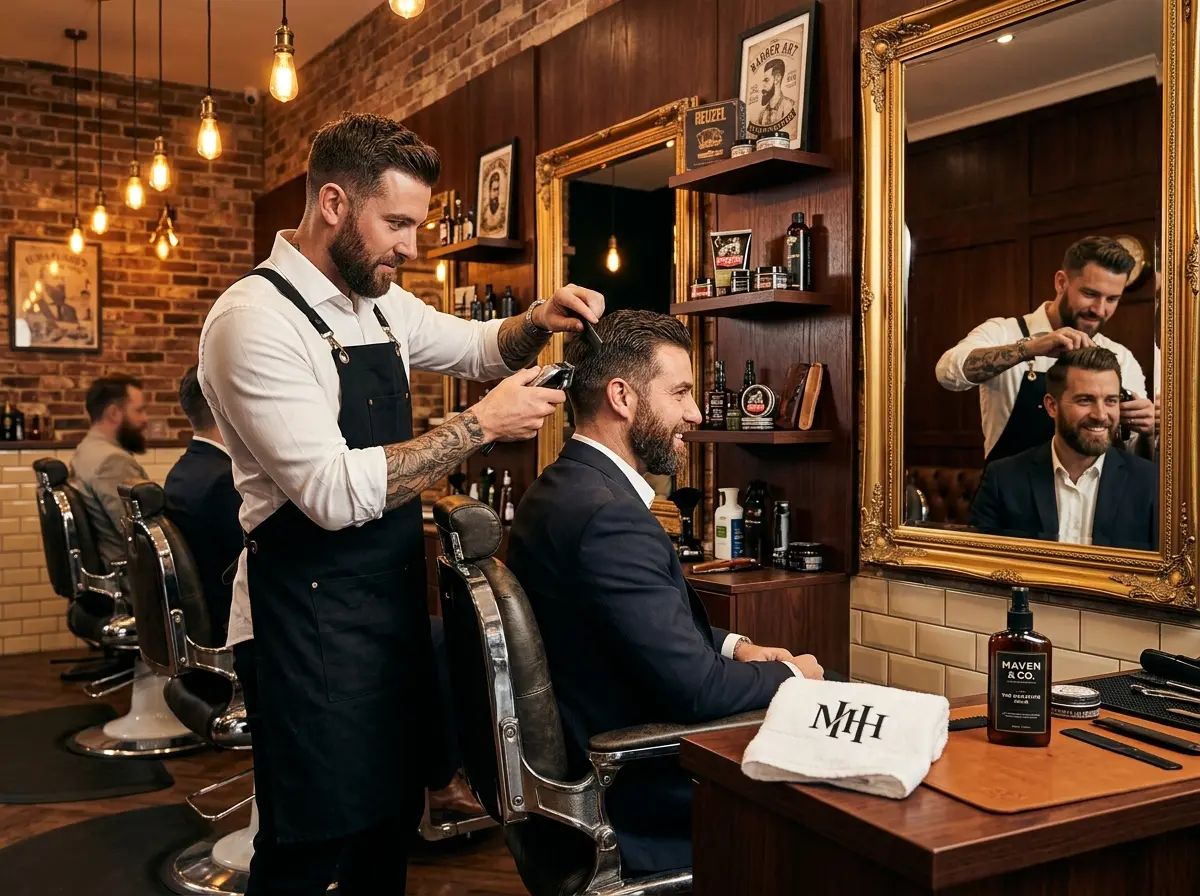
Think about how you feel after a great haircut, a relaxing massage, or a car that finally stops making that terrifying noise. You're in a good mood. You feel taken care of. Your guard is down. This is the peak of what marketers call the post-purchase happiness window — and it's exactly when a thoughtful follow-up lands best.
Research consistently shows that the probability of selling to an existing customer is 60–70%, compared to just 5–20% for a new prospect. Yet most businesses spend the majority of their marketing budget chasing strangers. A well-timed follow-up message to a happy customer isn't just effective — it's one of the highest-ROI moves you can make.
Rebooking Is Easier When the Experience Is Fresh
Here's the thing about human memory: it fades fast. A customer who had a wonderful facial on Tuesday might fully intend to book another one — right up until Wednesday, when life gets in the way and your business becomes a distant, pleasant memory. The longer you wait to follow up, the more activation energy is required on their part to rebook.
A follow-up message that arrives within 24–48 hours of their appointment catches them while the experience is vivid and the motivation is high. It's not pushy — it's practical. You're simply making it easy for someone who already likes you to do business with you again.
Upsells Feel Like Recommendations, Not Sales Pitches
When a follow-up is done right, it doesn't feel like a sales email. It feels like a helpful nudge from someone who knows what the customer needs. If a client just got a deep tissue massage, suggesting they try the hot stone add-on next time isn't aggressive upselling — it's a natural extension of their experience. Framed correctly, post-appointment upsell messages enjoy significantly higher conversion rates than cold promotional blasts because they're contextually relevant. The customer already trusts you. You're just giving them a reason to spend more of their money on something they'll genuinely enjoy.
How Stella Can Support Your Follow-Up Strategy
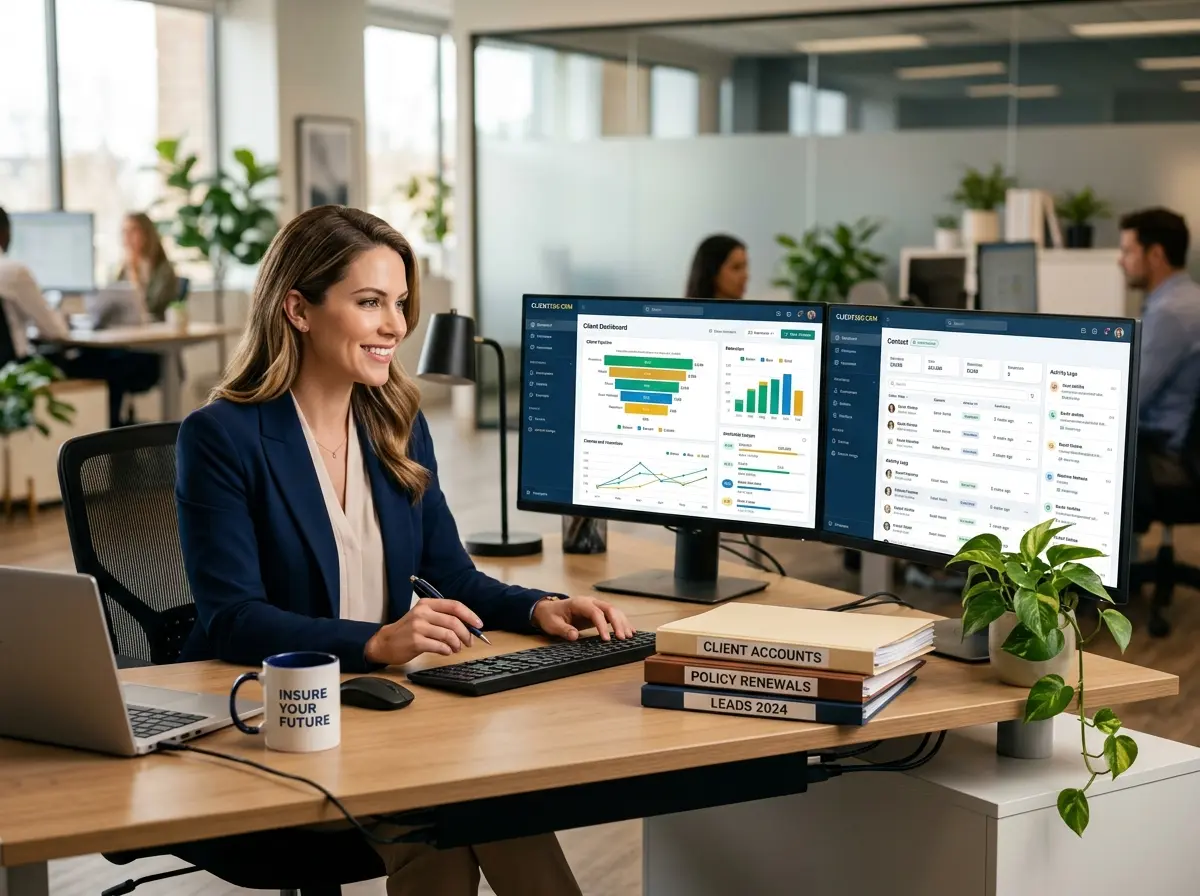
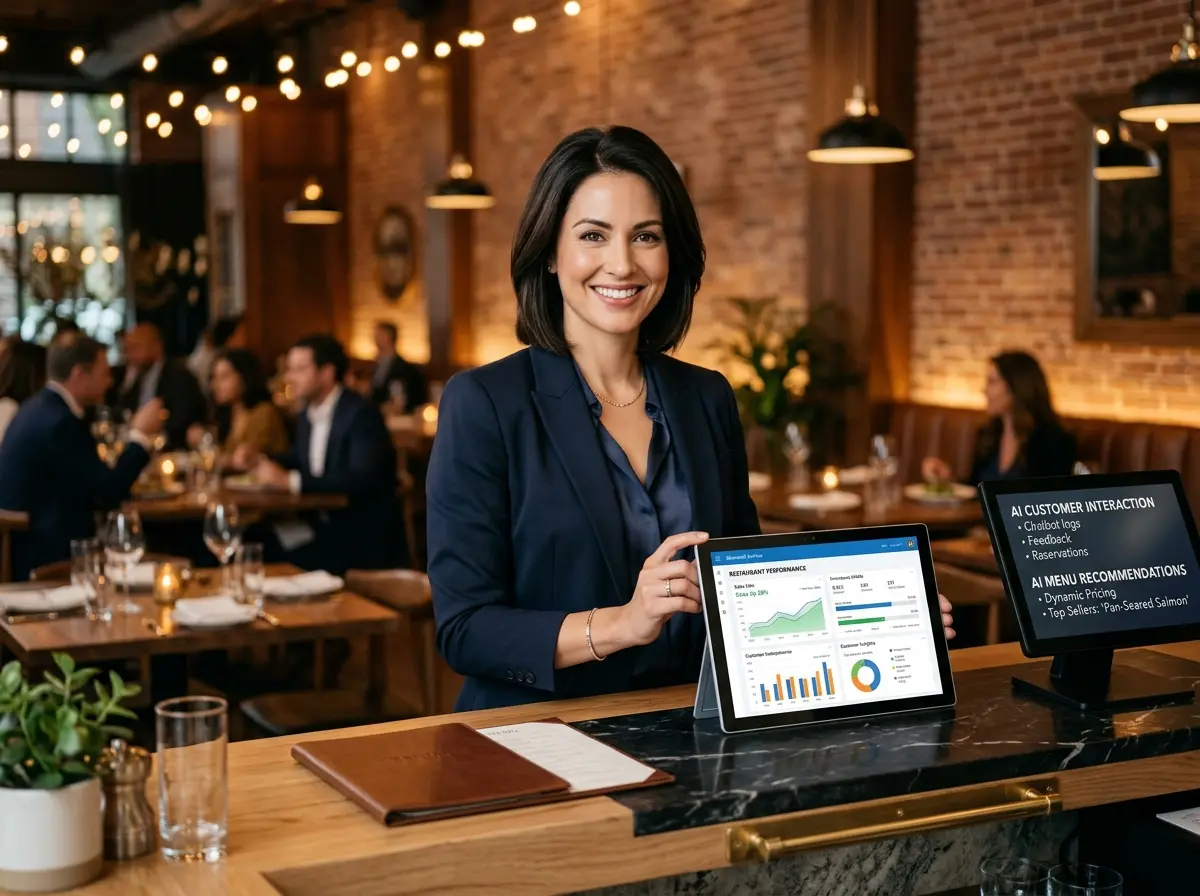
Stella — the AI robot employee and phone receptionist — is surprisingly well-suited to support a post-appointment follow-up workflow. When customers interact with Stella at the in-store kiosk or call in by phone, she can collect contact information through conversational intake forms, automatically creating or updating customer profiles in her built-in CRM. Those profiles include custom fields, tags, and AI-generated summaries — which means your team always has the context they need to send a follow-up that actually feels personal.
Stella also helps ensure that no lead or new customer slips through the cracks in the first place. Whether she's greeting walk-ins at the kiosk or answering calls at 2 a.m. from someone wanting to book an appointment, she's capturing information that feeds directly into your follow-up pipeline. That's a lot less manual data entry for your team — and a lot more complete customer records to work with when it's time to reach out.
Building a Follow-Up System That Actually Drives Revenue
Strategy is great. But let's get into the mechanics of actually building a follow-up system that runs consistently, doesn't require heroic effort from your staff, and converts.
Choose Your Channels and Timing Wisely
Not all follow-up channels are created equal. SMS has an open rate north of 90%, making it the gold standard for time-sensitive follow-ups. Email is better for longer, more detailed messages — think personalized summaries, product recommendations, or loyalty program updates. A phone call, while more labor-intensive, is remarkably effective for high-ticket services where the relationship matters.
As a general rule of thumb: send a brief thank-you or feedback request within 24 hours, a rebook nudge within 48–72 hours, and any upsell recommendation within the same window while enthusiasm is still high. Don't wait a week. By then, you're basically starting from scratch.
Craft Messages That Feel Human, Not Automated
The fastest way to kill a follow-up program is to make it feel like a robot wrote it. Even if the message is automated, it should read like it came from a real person at your business. Use the customer's name. Reference the specific service they received. Make the rebook suggestion feel natural, not formulaic.
For example, instead of "Thank you for your visit. Book again at our website." — try something like: "Hi Sarah! Hope you're still feeling relaxed after your deep tissue session yesterday. Your next appointment is on us to lock in — we'd love to see you back in four weeks when your muscles are ready for round two. 😊" One of these sounds like a business that cares. The other sounds like a receipt.
Build Upsell Logic Into Your Follow-Up Sequences
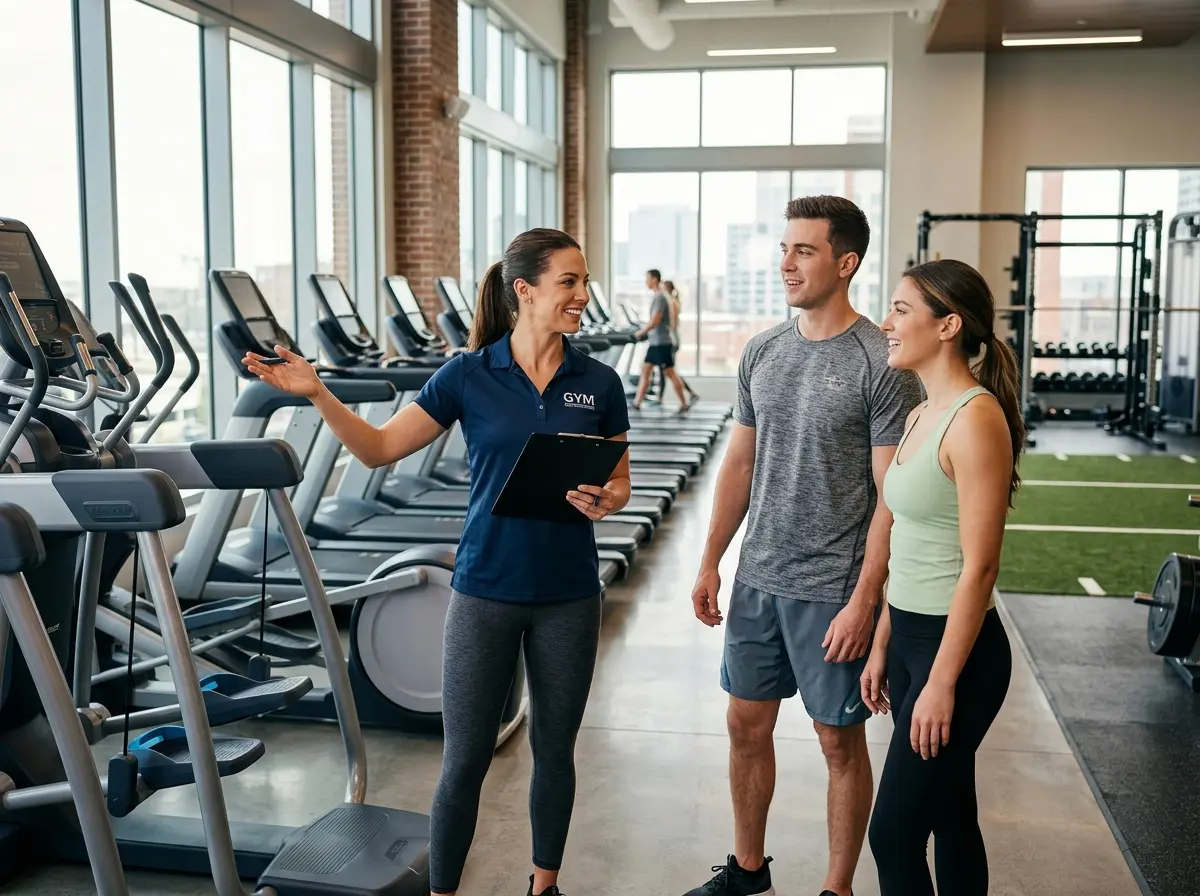
Every service you offer has a natural upgrade path — you just have to map it out. A standard haircut leads to a color treatment. A basic oil change leads to a tire rotation or brake check. A gym intake session leads to personal training packages. Once you've identified those upgrade paths, build them into your follow-up sequences so that every customer receives a contextually relevant upsell suggestion after their appointment.
The key is to limit yourself to one clear upsell per message. Bombarding someone with five options is the fastest way to ensure they choose none of them. Pick the most relevant next step for that customer, present it with a brief explanation of the benefit, and make it easy to act on with a direct link or phone number.
Quick Reminder About Stella
Stella is an AI robot employee and phone receptionist that works for your business 24/7 — greeting customers at an in-store kiosk, answering calls, collecting customer information, managing your CRM, and upselling your services without ever needing a coffee break. At just $99/month with no upfront hardware costs, she's the kind of tireless team member most businesses wish they could afford — and actually can.
Start Following Up Like You Mean It
Here's the honest truth: most of your competitors aren't doing this well. They're either not following up at all, or they're sending generic, forgettable messages that customers immediately ignore. That's actually great news for you, because the bar is low and the upside is significant.
To get started, take these concrete steps this week:
- Audit your current follow-up process. Are you sending anything after appointments? If not, that's your starting point. If yes, when, through what channel, and what does the message actually say?
- Map your upsell paths. For each of your core services, identify one logical upgrade or complementary service that would genuinely benefit the customer.
- Set up a simple automated sequence. Even a two-step sequence — a thank-you message followed by a rebook nudge — is dramatically better than nothing. Most booking platforms, CRMs, or SMS tools can handle this with minimal setup.
- Make sure your customer data is clean. You can't follow up with someone if you don't have their contact information. Tighten up your intake process so you're capturing email and phone at every appointment.
- Track your results. Monitor rebook rates, upsell conversion rates, and revenue per customer over time. Refine your messages based on what works.
Post-appointment follow-ups are not glamorous. They're not the exciting part of running a business. But they are reliably, consistently one of the highest-return activities you can invest time in — and once your system is set up, they largely run themselves. The customers are already out there, already happy with your service, already primed to spend more money with you. You just have to show up in their inbox or on their phone and ask.
That's not a hard ask. Go make it.