Introduction: Your Outcomes Are Your Best Sales Team
Let's be honest — most physical therapy practices spend a surprising amount of energy chasing referrals through lunches with physicians, networking events, and the occasional branded stress ball. And while those efforts aren't without merit, there's a goldmine sitting right inside your own practice that most PTs are completely ignoring: outcome data.
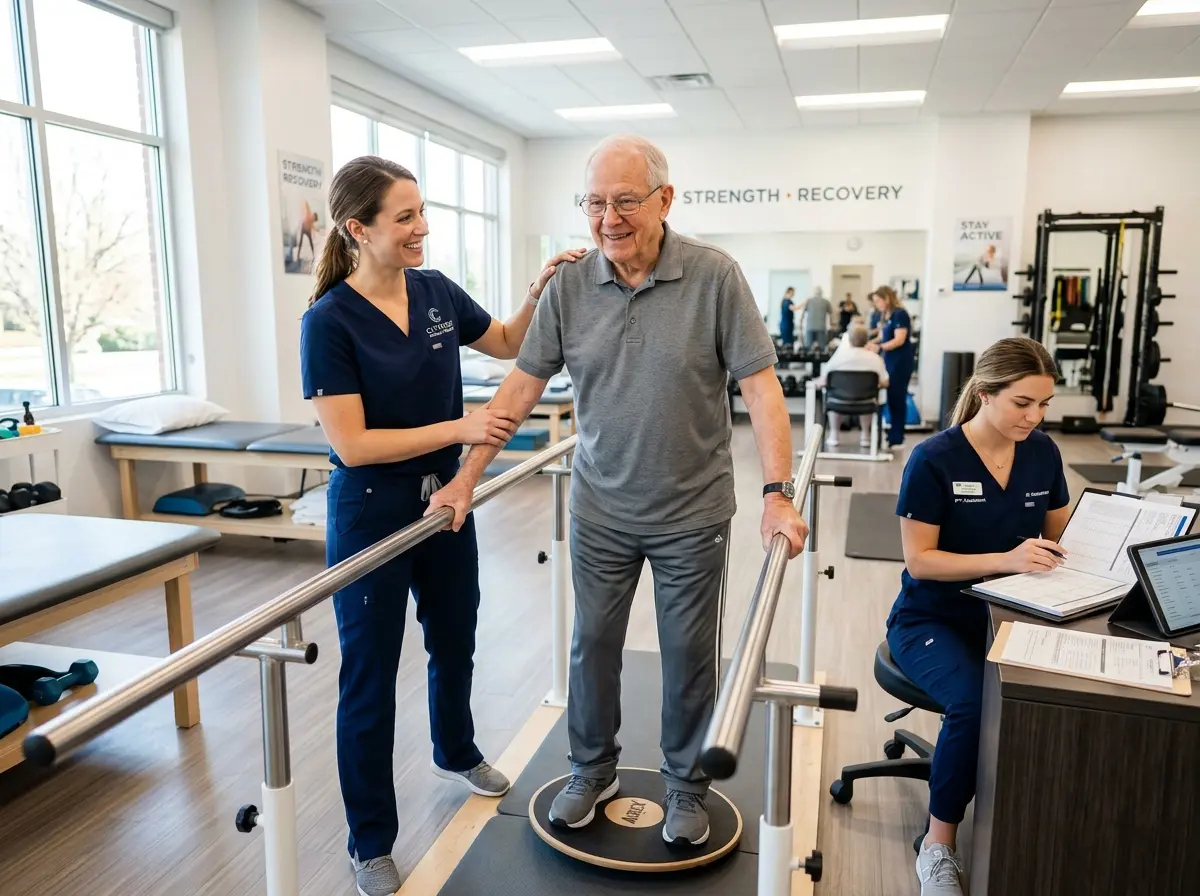
Patients get better at your clinic every single day. They walk in guarding their shoulder and walk out throwing a baseball with their kid. They arrive limping and leave hiking. That is extraordinary, measurable, story-worthy progress — and if you're not systematically capturing, analyzing, and communicating those outcomes, you're essentially letting your best marketing material collect dust. Physicians, insurance providers, and prospective patients all want to know one thing: does this clinic actually work? Outcome tracking lets you answer that question with data instead of a handshake and a hopeful smile.
Building a Foundation: What to Track and Why It Matters
Choosing the Right Outcome Measures
Not all outcome measures are created equal, and slapping a generic pain scale on every patient intake form isn't going to impress anyone — least of all a referring orthopedic surgeon who sees data all day long. The key is selecting validated, condition-specific outcome measures that are widely recognized in the clinical community. Tools like the DASH (Disabilities of the Arm, Shoulder and Hand), the Oswestry Disability Index, the LEFS (Lower Extremity Functional Scale), and the PSFS (Patient-Specific Functional Scale) give you credible, comparable data that physicians actually respect.
Benchmarking Against Industry Standards
Once you're collecting data, the next step is knowing what good looks like. The FOTO (Focus on Therapeutic Outcomes) database, for example, allows practices to benchmark their outcomes against national averages by diagnosis, acuity, and patient demographics. When you can walk into a physician's office and say, "Our patients with lumbar diagnoses achieve functional independence 18% faster than the national benchmark," that's not a sales pitch — that's a clinical conversation. That is the kind of data that earns long-term referral relationships built on trust rather than proximity.
Setting Internal Goals and Accountability
Streamlining Your Front Desk and Patient Intake
Reducing Administrative Friction in Data Collection
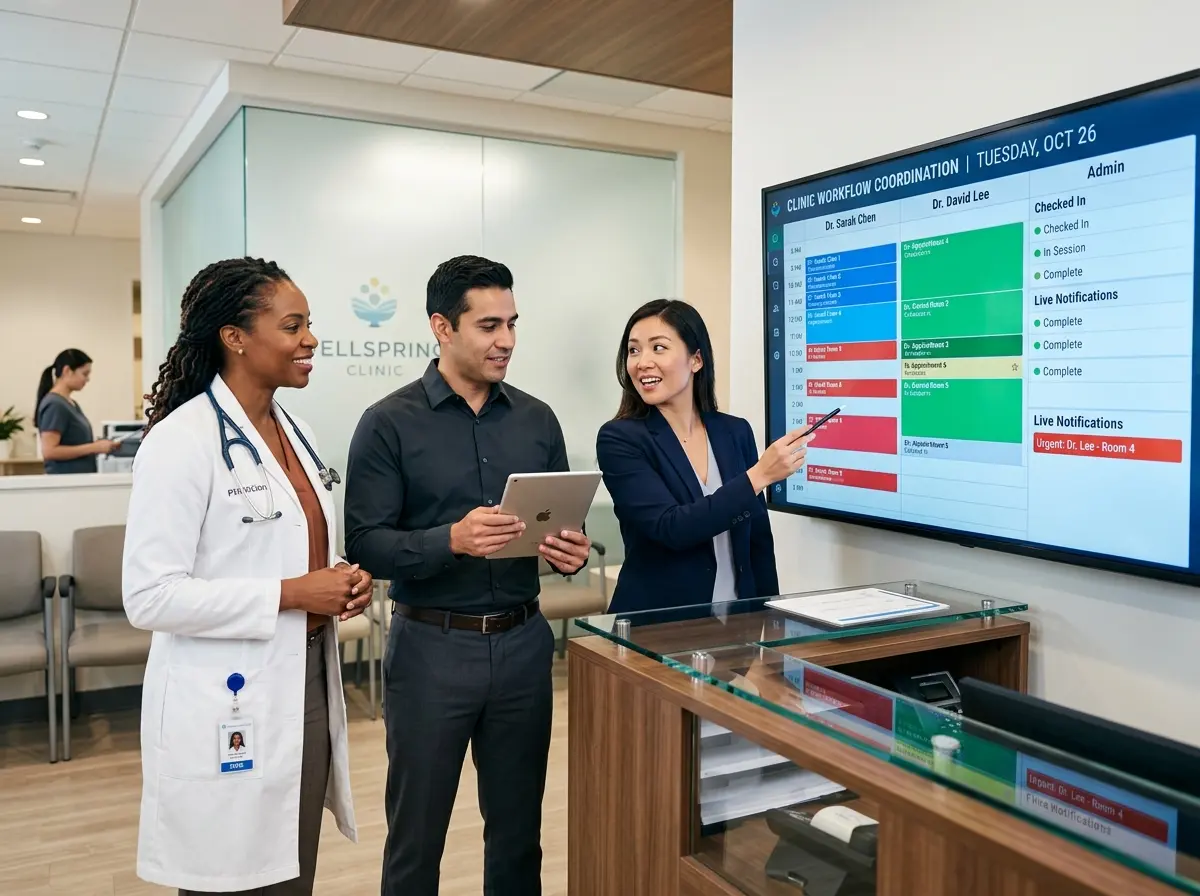
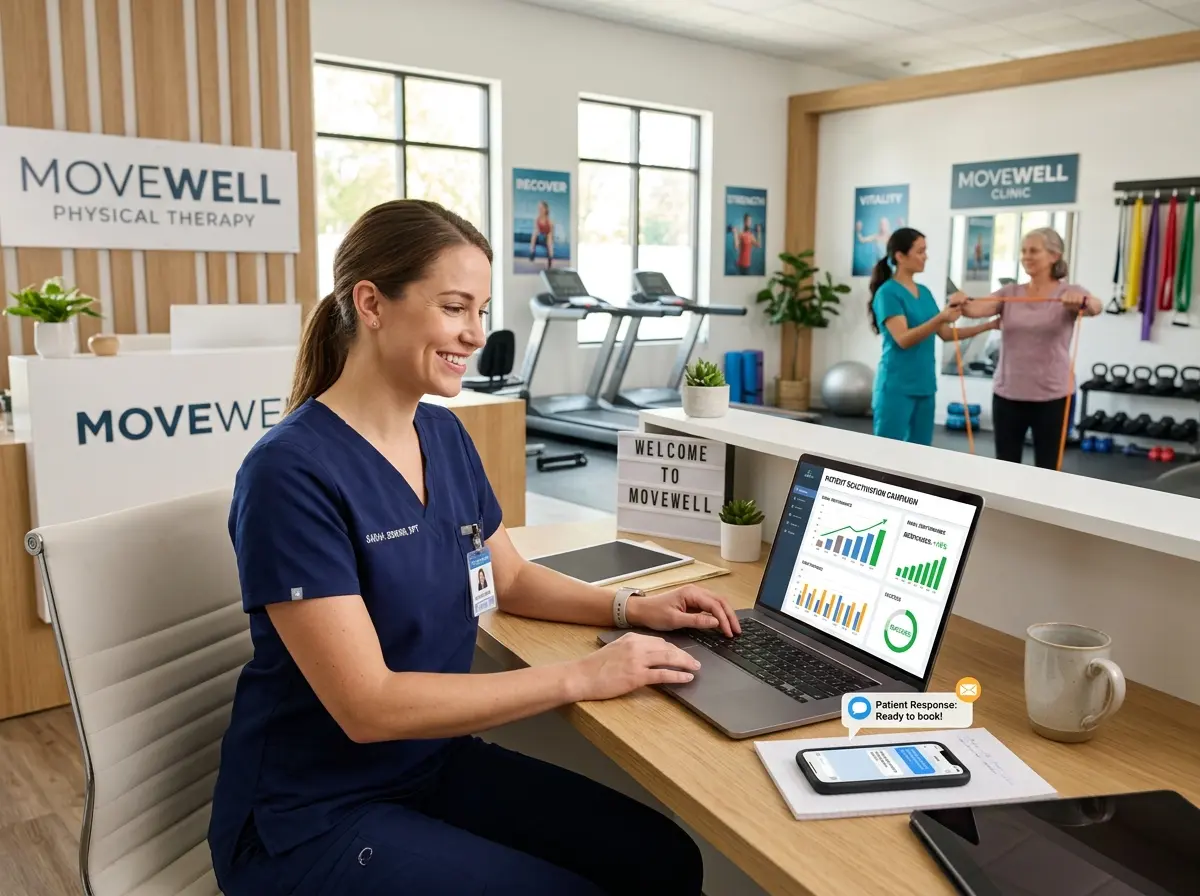
Stella, the AI robot employee and phone receptionist, can help physical therapy practices reduce front desk chaos in meaningful ways. Her in-clinic kiosk can greet arriving patients, answer common questions about what to expect, and keep things moving — giving your staff breathing room to focus on clinical intake instead of fielding phone calls and basic inquiries simultaneously. On the phone side, Stella handles incoming calls 24/7, collects patient information through conversational intake forms, and stores everything in her built-in CRM with AI-generated profiles and custom fields. That means new patient information — including pre-visit intake data — can be organized and ready before the patient even walks through the door. Less chaos, more consistency, better data.
Turning Outcome Data Into a Referral Strategy
Creating Physician-Facing Reports That Actually Get Read
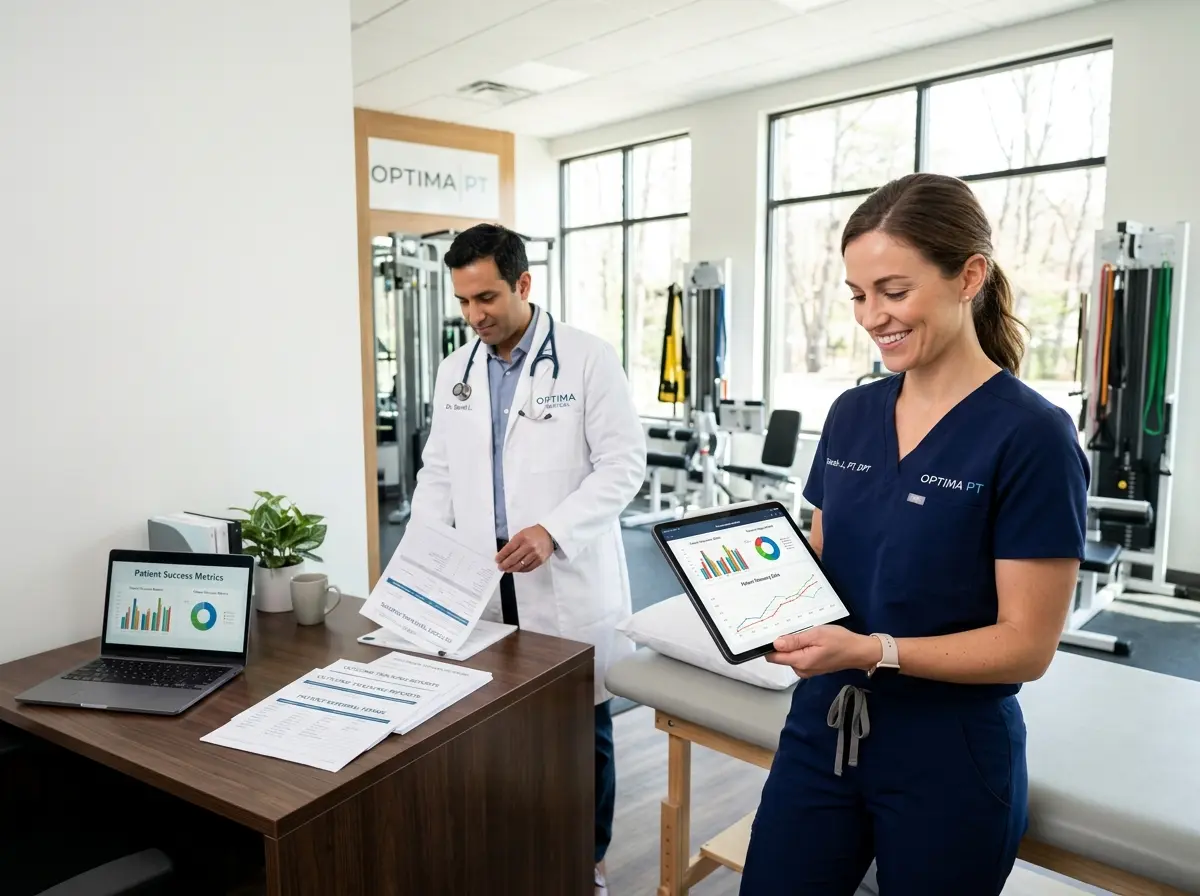
Physicians are busy. They are extraordinarily busy. Sending a referring doctor a 14-page PDF of your outcomes data is a lovely gesture that will live permanently in their downloads folder. Instead, create a concise, visually clean one-page outcomes report — ideally tailored to the diagnosis categories most relevant to that specific physician. An orthopedic surgeon who primarily refers post-surgical shoulder patients doesn't need your lumbar data. Give them what's relevant, make it easy to read in under two minutes, and include a clear summary statement at the top. Think: "In 2024, our post-surgical shoulder patients achieved an average DASH score improvement of 42 points over 8.3 visits." That's a sentence a surgeon will remember.
These reports can be delivered quarterly, shared via a brief in-person visit, or even emailed as part of a structured referral partner communication cadence. Consistency matters here. A single impressive report is a conversation starter. A quarterly report showing continuous improvement is a referral relationship.
Leveraging Patient Success Stories Alongside the Data
Expanding Referrals Beyond the Physician Office
Quick Reminder About Stella
Stella is an AI robot employee and phone receptionist designed to help businesses like yours run more smoothly. She greets patients at your clinic kiosk, answers phone calls around the clock, collects intake information through conversational forms, and manages contacts through a built-in CRM — all for just $99 a month with no upfront hardware costs. While your team focuses on delivering the exceptional outcomes that drive referrals, Stella handles the front-of-house details that keep everything organized and professional.
Conclusion: Start Small, Think Big, and Let the Data Do the Talking
- Select two or three validated outcome measures most relevant to your primary patient population and commit to administering them consistently at intake and discharge for the next 90 days.
- Audit your intake process to identify where data collection is falling through the cracks, and explore tools — including AI-assisted front desk support — that can reduce that friction.
- Identify your top five referral sources and draft a simple one-page outcomes report tailored to the diagnoses they most commonly send your way.
- Schedule a quarterly referral partner touchpoint — even a brief email with a clean outcomes summary — to keep your data visible and your relationships warm.
- Start building a library of anonymized patient success stories to pair with your statistics across marketing channels.