Your Customers Have 47 Unread Texts — Make Sure Yours Isn't Annoying
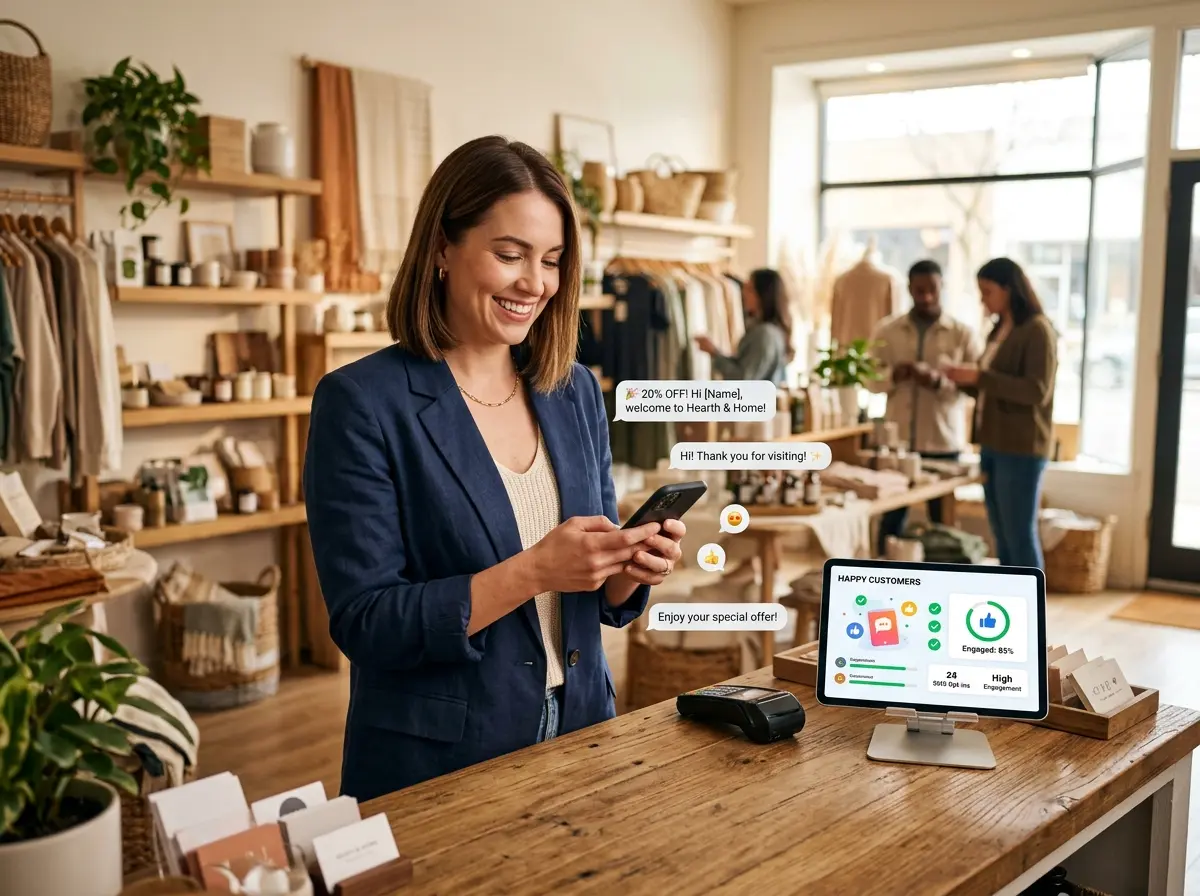
Let's be honest: most text message marketing is terrible. It's the digital equivalent of someone knocking on your door at 7 a.m. to hand you a coupon you didn't ask for. And yet — when done right — SMS marketing is one of the most powerful tools a local business owner has. We're talking open rates above 90%, compared to email's humble 20-something percent. The channel itself isn't the problem. The execution is.
If you're a local shop owner thinking about launching a text marketing campaign — or wondering why your current one feels like shouting into the void — this guide is for you. We'll walk through how to build an SMS strategy that your customers actually appreciate, one that drives real foot traffic, real loyalty, and real revenue. No spam. No regrets.
The Foundations: Getting Permission and Setting Expectations
Consent Is Non-Negotiable (And Also the Law)
Before you send a single text, let's talk compliance. Under the Telephone Consumer Protection Act (TCPA) and guidelines from the Cellular Telecommunications Industry Association (CTIA), you must have explicit written consent before sending marketing messages. This isn't a technicality — violations can cost businesses $500 to $1,500 per message. Yes, per message.
The good news is that collecting consent doesn't have to be awkward. Use sign-up forms at checkout, a QR code on your counter, a simple opt-in text keyword (e.g., "Text PIZZA to 55555 for exclusive deals"), or a checkbox on your online booking form. The key word is explicit — pre-checked boxes or burying it in fine print doesn't cut it legally or ethically.
Tell Them What They're Signing Up For
Nobody wants to opt into a mystery subscription. When a customer signs up, be upfront: how often will you text them? What kind of messages will you send? A good opt-in confirmation might read: "Welcome to Brewed Awakenings VIP! Expect 2-4 texts/month with exclusive deals and early access. Reply STOP to opt out anytime."
Setting expectations upfront dramatically reduces opt-outs and builds the kind of trust that makes customers look forward to hearing from you. Yes, look forward to it — it's possible, we promise.
Build Your List Organically, Not Desperately
Resist the urge to buy contact lists. Those people never asked to hear from you, and blasting strangers is a fast track to spam complaints and carrier filtering. Instead, grow your list the right way: incentivize sign-ups with a genuine first-offer discount, ask staff to mention the program at checkout, or promote it on your social media. Slow and steady wins here. A list of 300 engaged customers beats a list of 3,000 annoyed ones every time.
Smarter Customer Management With a Little Robotic Help
Let Stella Handle the Front Lines While You Focus on the Big Picture
One underappreciated challenge with SMS marketing is the follow-through: a customer gets your text, gets excited, calls your shop — and nobody answers. Or they walk in, nobody greets them, and the momentum dies. This is where Stella, the AI robot employee and phone receptionist, quietly saves the day. Stella stands inside your store and proactively greets every customer who walks in, answers questions about products, services, promotions, and hours — and handles phone calls 24/7 with the same knowledge she uses in person. So when your text campaign drives a wave of curious customers, Stella makes sure every single one gets a warm, informed response.
Beyond customer interactions, Stella's built-in CRM lets you organize your customer contacts with custom fields, tags, notes, and AI-generated profiles. Combined with her conversational intake forms — available at the kiosk, over the phone, or on the web — she can help you capture and segment the very customers you want to target with future SMS campaigns. That's a tighter feedback loop between your marketing and your customer data, without adding more work to your plate.
Crafting Messages That People Actually Want to Read
Short, Specific, and Valuable — Every Single Time
The golden rule of SMS marketing is ruthless brevity. You have 160 characters before your message splits into two, and you have approximately three seconds before someone decides to swipe it away. Every word must earn its place. Skip the corporate filler ("We are pleased to inform you...") and get straight to the value.
Compare these two messages:
- Bad: "Hi there! We wanted to reach out to let you know that we currently have some great promotions happening at our store this weekend that we think you might enjoy!"
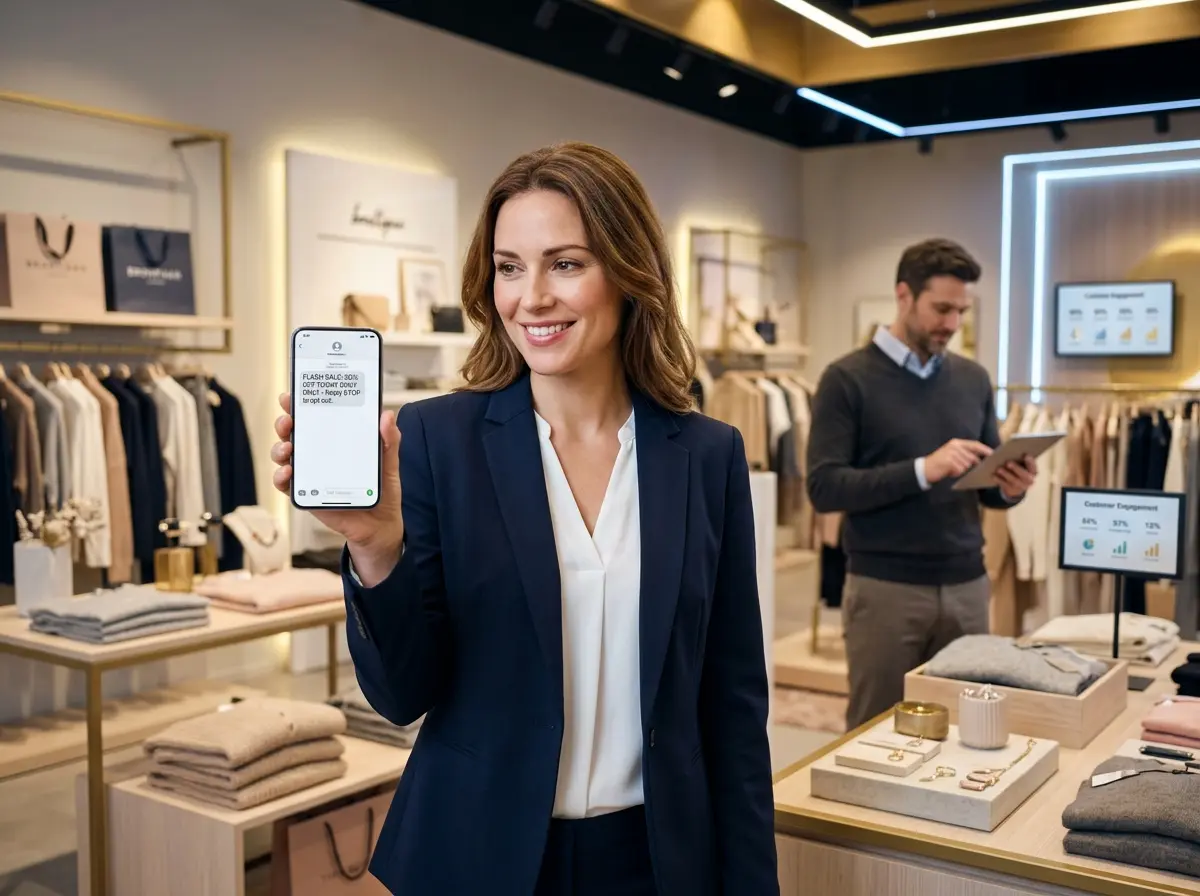
- Good: "🌮 Taco Tuesday deal: Buy 2 get 1 FREE today only. Show this text. —Mesa Grill"
The second one is clear, urgent, actionable, and — critically — it tells the customer exactly what to do. Always include a call to action, whether that's showing the text in-store, clicking a link, or calling to book.
Timing Is Everything (No, Really)
Sending a lunch special at 11:45 a.m.? Smart. Sending it at 9 p.m.? Your customer is watching TV in their pajamas and not amused. Most SMS marketing platforms recommend sending messages between 10 a.m. and 8 p.m. in your customer's local time zone, with midweek and midmorning slots performing particularly well for local retail.
For time-sensitive promotions, same-day or next-day sends work beautifully. For appointment reminders or loyalty rewards, a 24-to-48-hour lead time gives customers enough runway to actually act. Avoid Mondays if possible — everyone's already annoyed on Mondays.
Segment Your List Like You Mean It
Not every customer is the same, and your texts shouldn't treat them like they are. A loyal customer who's been with you for two years deserves a different message than someone who signed up last week. Most SMS platforms allow you to segment by purchase history, location, signup date, or engagement level — use this to your advantage.
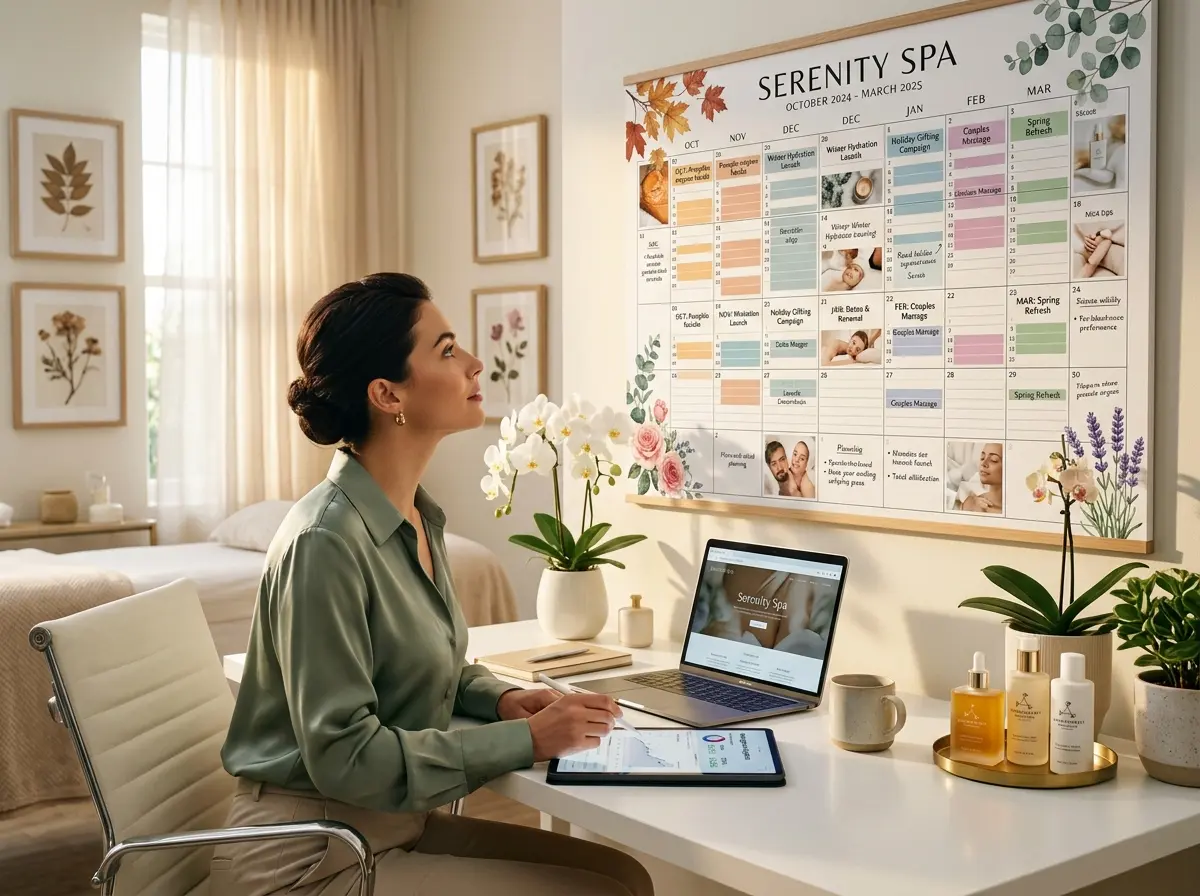
For example, a spa might send a "We miss you" win-back offer to customers who haven't booked in 90 days, while simultaneously sending a VIP early-access promotion to their top regulars. Both messages feel personal and relevant. That's the difference between marketing and spam — context.
Measuring What Works and Cutting What Doesn't
The Metrics That Actually Matter
It's tempting to obsess over open rates, but for SMS the more revealing numbers are your click-through rate, redemption rate, and opt-out rate. Click-through tells you if your offer is compelling. Redemption tells you if it's driving real behavior. Opt-out rate tells you if you're texting too often or saying the wrong things — consider a rising opt-out rate your canary in the coal mine.
Most modern SMS platforms provide dashboards for these metrics. Set a review cadence — even monthly is fine — and actually look at the data. If a particular type of offer consistently underperforms, retire it. If a flash sale always drives foot traffic, do more of those. This isn't complicated; it just requires showing up.
A/B Testing Without Overthinking It
You don't need a data science degree to improve your SMS campaigns — just a little curiosity. Try sending two versions of the same message to different segments: change the offer amount, the wording, the emoji use, or the send time. Over several campaigns, you'll start to see patterns about what your specific audience responds to. Every local market is a little different, and the only way to know what works for your customers is to test it. Your competitor across the street doesn't have access to your data — that's your competitive advantage.
Quick Reminder About Stella
Stella is an AI robot employee and phone receptionist built for businesses like yours — she greets customers in-store, answers phone calls around the clock, promotes your current deals, and manages customer information through a built-in CRM. At just $99/month with no upfront hardware costs, she's the kind of reliable, always-on team member that doesn't call in sick during your busiest promotional push. When your text campaigns start working and the foot traffic picks up, she'll be ready.
Your Next Steps: Build a Campaign Worth Receiving
Text message marketing isn't magic, but it's close — when it's done with intention. Here's the short version of everything we've covered:
- Get proper consent and be transparent about what subscribers are signing up for.
- Grow your list organically with genuine incentives, not purchased contacts.
- Write short, specific, valuable messages with a clear call to action.
- Send at the right time — during business hours, when customers can actually act.
- Segment your audience so messages feel personal and relevant.
- Track your metrics, test variations, and adjust based on real data.
Local shops have an enormous advantage over big-box retailers when it comes to SMS marketing: you actually know your customers. You see the same faces every week. You know who loves a good deal and who prefers first access to new arrivals. Use that knowledge. The businesses that treat SMS as a relationship tool — not a broadcast channel — are the ones building the kind of loyalty that outlasts any algorithm change or economic downturn.
Now go write a text your customers will actually be happy to receive. We believe in you.