The Moment Patients Walk Out the Door Is When the Real Work Begins
You've done everything right. You assessed, you treated, you educated, and you watched your patient walk out the door with better mobility, less pain, and a home exercise program they promised they would follow. And then… silence. Two weeks later, you get a call. They're back to square one, they "forgot" to do their exercises, and they're wondering why their shoulder still hurts.
Sound familiar? You're not alone. Research suggests that patient adherence to home exercise programs drops to as low as 35% within weeks of discharge. That's not a reflection of your clinical skills — it's a reflection of the fact that life gets busy, motivation fades, and without someone checking in, most people quietly abandon their routines.
The good news is that keeping patients engaged after discharge doesn't require cloning yourself or hiring a full-time follow-up coordinator. It requires strategy, consistency, and the right tools. Let's talk about how to build a post-discharge engagement system that actually works — and keeps your patients (and your practice) thriving.
Building a Post-Discharge Communication Strategy That Doesn't Feel Like Spam
The Follow-Up Schedule That Makes a Difference
The biggest mistake physical therapy practices make after discharge is going completely silent. Patients interpret silence as indifference, and indifference doesn't inspire anyone to do their clamshell exercises at 7 AM. A structured follow-up schedule — even a simple one — dramatically improves both patient outcomes and the likelihood that they'll return to your practice when they need additional care.
A practical follow-up cadence might look like this: a check-in message or call at the 48-hour mark to ask how they're feeling post-discharge, a second touchpoint at two weeks to ask about HEP adherence, and a one-month check-in to see if they've hit their functional goals. You don't need to reinvent the wheel — you just need to show up consistently. Patients who feel like their provider is still invested in them are far more likely to stay engaged with their recovery and return to you for future needs.
Personalization Is Everything — Generic Messages Get Ignored
There's a meaningful difference between a text that says "Don't forget to do your exercises!" and one that says "Hi Maria, hope that knee is feeling stronger this week — remember to keep up with those quad sets before your walk in the morning!" One of those messages feels like a notification from an app. The other feels like it came from a human being who actually treated Maria.
Personalizing your follow-up communications based on the patient's specific condition, goals, and progress doesn't have to be time-consuming if you build templates with variable fields and train your team to use them properly. Segment your discharged patients by diagnosis, discharge status, and risk of re-injury to prioritize your outreach. Patients who had surgical recovery, for example, may need more frequent touchpoints than those who came in for acute muscle strain.
Don't Underestimate the Power of Educational Content
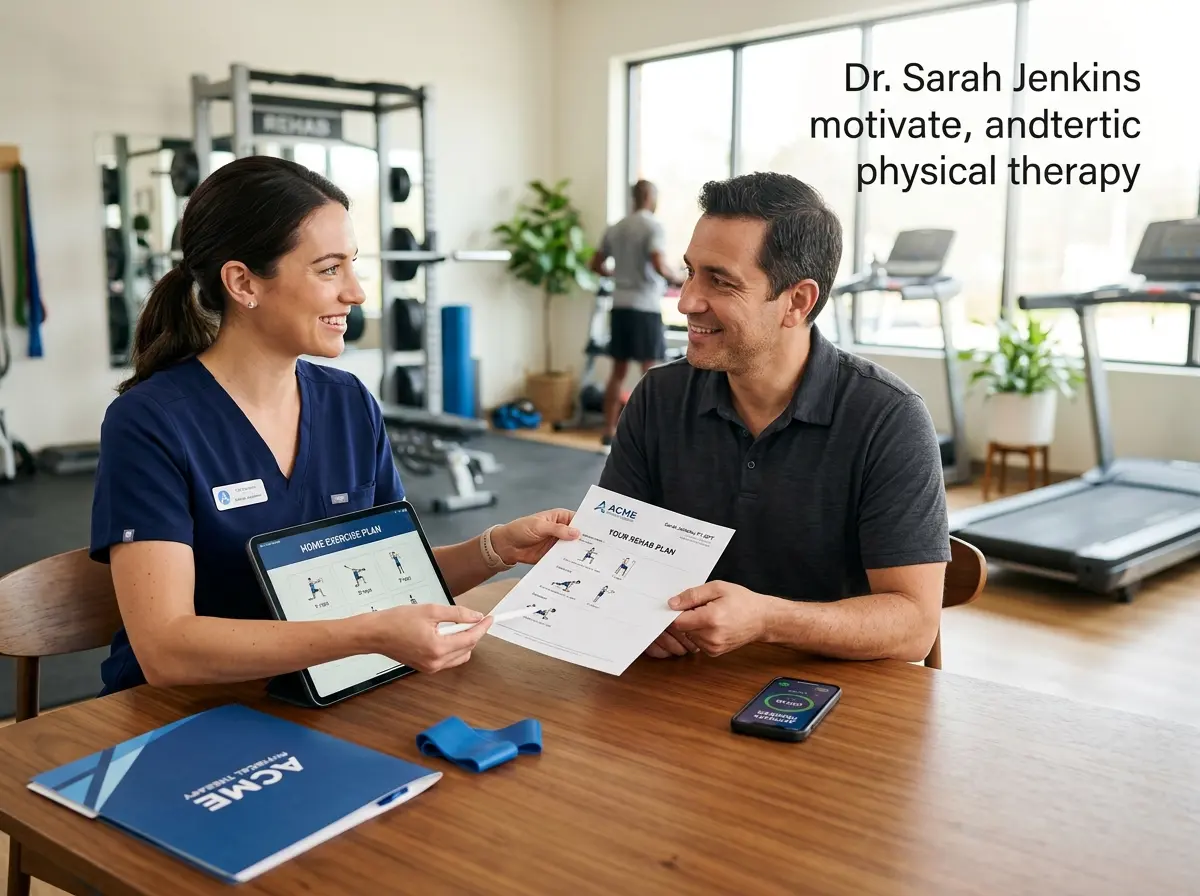
Sending a quick video demonstration of a patient's HEP, a short article on the importance of sleep for tissue healing, or a tip about ergonomics at their workstation isn't just helpful — it's a trust-building exercise. When patients see that you're continuing to educate them after their discharge, you transition from being a service provider to being a long-term health resource. That shift in perception is incredibly valuable for patient retention and referrals.
Consider building a small content library of condition-specific follow-up resources that your team can send with minimal effort. Short, practical, and relevant content wins every time over lengthy PDFs that nobody reads past the second paragraph.
How Technology — Including AI — Can Help Your Practice Stay Connected
Automating the Human Touch (Without Losing It)
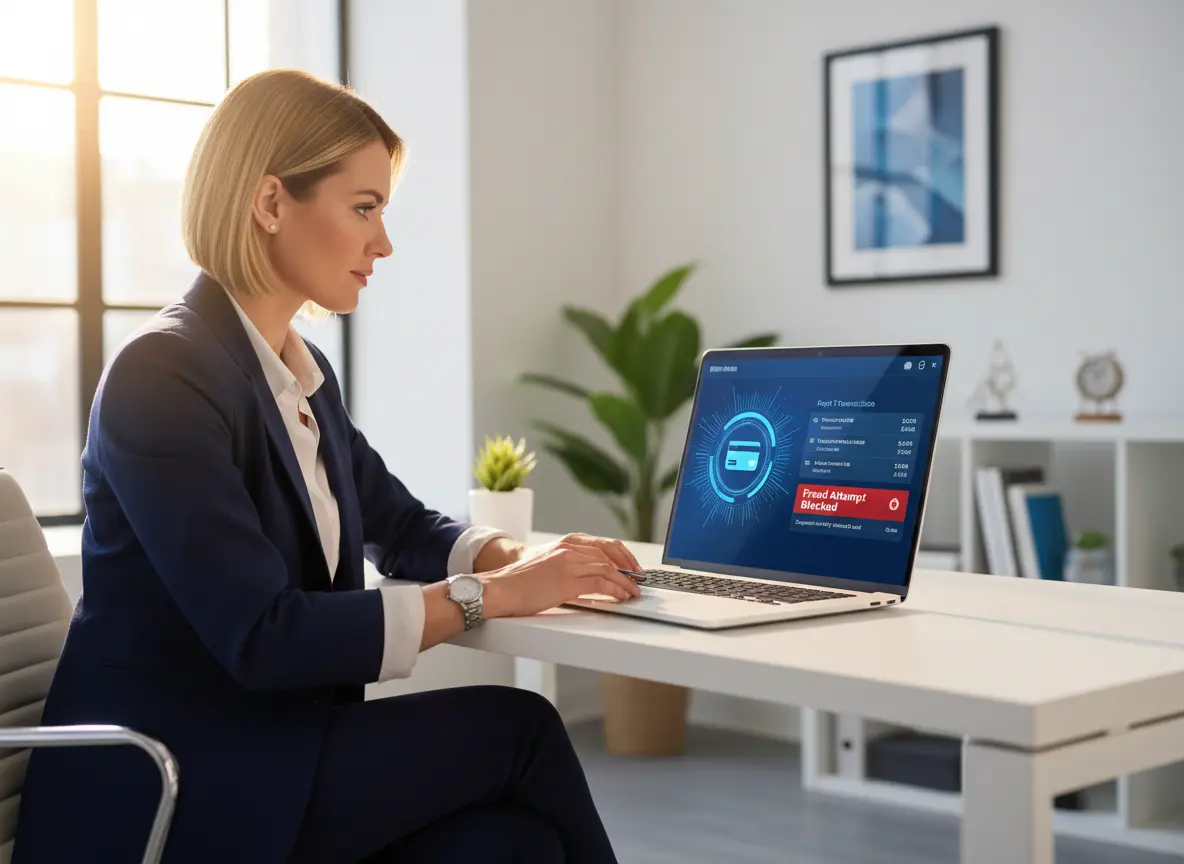
Here's the honest truth: your front desk team is busy, your clinicians are busy, and post-discharge follow-up is exactly the kind of task that falls through the cracks when someone calls in sick or the afternoon schedule fills up. That's where smart technology comes in — not to replace the human connection, but to ensure it actually happens.
Stella, the AI robot employee and phone receptionist, is one tool worth knowing about if you want to reduce the administrative burden on your staff while keeping communication consistent. Stella handles inbound phone calls 24/7, meaning patients who call after hours to ask about scheduling a follow-up appointment, confirm their home exercise questions, or inquire about returning to care always get a professional, knowledgeable response — not voicemail. For practices with a physical location, she also functions as an in-office kiosk presence that can greet patients, answer questions about services, and highlight relevant programs or promotions. Her built-in CRM and intake form capabilities also make it easy to log patient inquiries, collect information conversationally, and keep your team informed with AI-generated summaries — so no follow-up opportunity slips through unnoticed.
Re-Engagement Campaigns That Actually Bring Patients Back
The "We Miss You" Outreach That Converts
Every physical therapy practice has a list of discharged patients who are, statistically speaking, probably not doing as well as they hoped. Life happened, the HEP got dropped, and the discomfort they were managing quietly returned. These patients aren't lost — they just need a reason to re-engage, and they need to feel like reaching out isn't awkward after all this time.
A well-crafted re-engagement campaign targets patients who haven't been seen in 60, 90, or 180 days with a message that acknowledges the gap without making them feel guilty about it. Something like, "It's been a few months since we last saw you — we just wanted to check in and see how you're doing. If you've been dealing with any recurring symptoms or just want a tune-up, we'd love to have you back." This kind of message is warm, low-pressure, and highly effective. Studies show that it costs significantly less to re-engage an existing patient than to acquire a new one, so the ROI on this approach is genuinely strong.
Wellness Programs and Maintenance Care as a Retention Tool
One of the most underutilized strategies in outpatient PT is the transition from episodic care to ongoing wellness. Not every discharged patient needs ongoing treatment, but many would benefit from — and genuinely want — periodic maintenance visits, movement screenings, or group wellness programming. Offering a structured wellness or injury prevention program positions your practice as a long-term partner in health rather than just a place people visit when something breaks.
Consider creating a tiered offering: a free 15-minute movement screen for discharged patients at the six-month mark, a discounted wellness visit package, or even a small-group fitness class led by one of your clinicians. These programs generate revenue, deepen patient relationships, and give your team a natural reason to stay in contact long after the formal plan of care has ended.
Referral Programs That Reward Loyalty
Happy, healthy former patients are your most powerful marketing asset — and most practices never formally ask them to share their experience. A simple referral program that offers a small incentive (a free session, a branded resistance band kit, a discount on a wellness visit) for every new patient referred can meaningfully grow your patient base while strengthening your relationship with existing ones. People love recommending businesses they trust, and a gentle, well-timed ask after a successful discharge is one of the most natural opportunities to make that referral request.
Quick Reminder About Stella
Stella is an AI robot employee and phone receptionist designed to help businesses like physical therapy practices stay connected, professional, and responsive without burning out their staff. She answers calls around the clock, manages patient inquiries, and brings a reliable, consistent presence to your practice — all for $99/month with no upfront hardware costs. If your front desk is a bottleneck, Stella might be exactly what you've been looking for.
Start Small, Stay Consistent, and Watch Retention Grow
Keeping patients engaged after discharge isn't about grand gestures or expensive marketing campaigns. It's about showing up reliably, communicating personally, and making it easy for patients to come back when they need you. The practices that do this well don't just see better clinical outcomes — they build the kind of loyal patient base that sustains long-term growth through referrals, re-engagement, and genuine community trust.
Here's where to start this week:
- Audit your current discharge process. Is there any structured follow-up in place? If not, build a simple 3-touchpoint schedule and assign ownership to a specific team member.
- Create 3-5 condition-specific follow-up message templates your team can personalize and send within minutes.
- Pull a list of patients discharged in the last 90-180 days and send a warm re-engagement message to those you haven't heard from.
- Evaluate one wellness or maintenance care offering you could realistically launch in the next 60 days.
- Look at your phone and front desk workflow. If follow-up calls aren't happening because staff are overwhelmed, explore tools that can take the load off without sacrificing quality.
Your patients worked hard in your clinic. They deserve a provider who stays invested in their success — and your practice deserves the loyalty that comes from delivering exactly that.