When "We Miss You" Actually Works: A Boutique Gym's Comeback Story
Let's be honest — most win-back campaigns are the marketing equivalent of a sad trombone. You blast a generic "We miss you!" email to every lapsed member, offer a discount so aggressive it makes your accountant cry, and then wonder why only three people came back (two of whom were already planning to return anyway). Sound familiar?
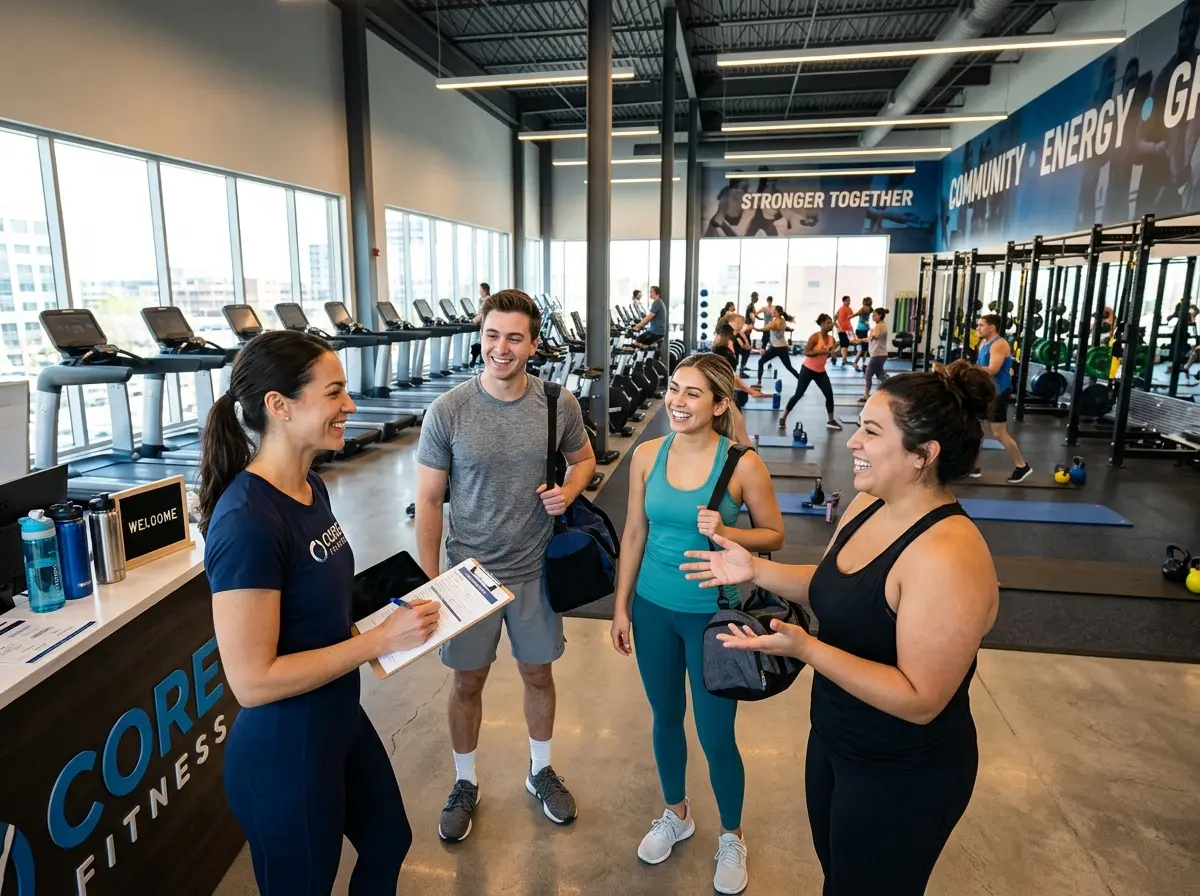
But here's the thing: win-back campaigns can work — impressively well, in fact — when they're thoughtful, timely, and genuinely personalized. One boutique gym proved exactly that when they reactivated 150 lapsed members through a carefully executed re-engagement strategy. That's not a rounding error. That's a meaningful revenue recovery that kept the lights on and the treadmills humming.
So what did they actually do? And more importantly, what can you steal — respectfully — for your own membership-based business? Let's dig in.
Understanding Why Members Go Ghost in the First Place
Before you can win anyone back, you need to understand why they left. Spoiler: it usually isn't what you think. Most gym owners assume members quit because of price or because they "got lazy." And while those factors exist, research consistently shows that the top reason members lapse is feeling disconnected — from the staff, the community, or their own progress. Life also gets in the way: a job change, a move, an illness, a busy season that never quite ended.
Segmenting Your Lapsed Members (Not All Ghost Members Are Created Equal)
The boutique gym in our case study started by doing something most businesses skip entirely: they actually looked at their data. Using their CRM, they segmented lapsed members into three distinct groups based on how long they'd been inactive and how engaged they were before leaving.
The first group had been gone for 30–90 days — recent lapses who likely just fell off the wagon. The second group was the 90–180 day crowd, who needed a stronger nudge and a reason to believe things would be different. The third group, absent for over six months, required a completely different approach — essentially a fresh introduction to the gym rather than a reminder of what they'd left behind.
This segmentation alone transformed their campaign from a mass email blast into something that actually felt personal. Different message, different offer, different tone for each group. Revolutionary? Not really. Effective? Absolutely.
Crafting Messages That Don't Sound Like a Form Letter
Here's where a lot of businesses fumble. They know they need to personalize, but their idea of personalization is slapping a first name into the subject line and calling it a day. The boutique gym went further. For the 30–90 day lapsed group, messages referenced specific classes the member had attended and asked how a personal goal they'd mentioned was going. For the longer-lapsed groups, messaging leaned into curiosity — new equipment, new classes, new instructors — giving people a genuine reason to be interested again.
The tone was warm without being desperate. Think friendly check-in from a trainer who actually remembers you, not a form letter from a faceless corporation. That distinction matters more than most business owners realize.
How Technology Kept the Campaign Running Without Burning Out the Staff
Here's the part that rarely gets talked about in win-back success stories: the operational side. Running a personalized re-engagement campaign across 150+ contacts isn't just a creative challenge — it's a logistical one. Phone follow-ups, intake conversations, scheduling callbacks, tracking who responded and who didn't — this stuff adds up fast, and it traditionally falls on whoever happens to be standing at the front desk.
Letting Smart Tools Handle the Heavy Lifting
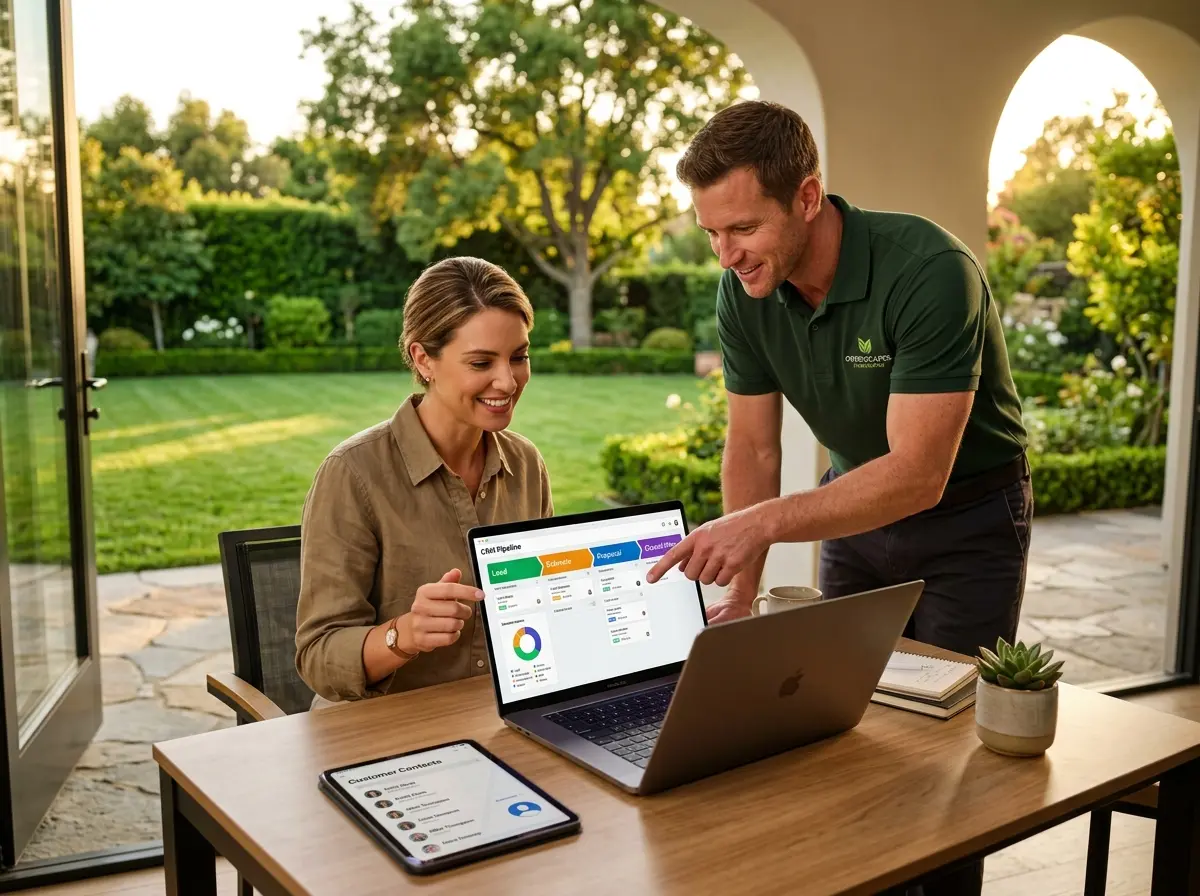
The gym used a combination of automated outreach and conversational follow-up to keep things moving without overwhelming their two-person front desk team. This is exactly the kind of scenario where Stella — the AI robot employee and phone receptionist — shines for membership-based businesses. Stella's built-in CRM, with custom fields, tags, and AI-generated member profiles, makes it straightforward to track lapsed member status, log re-engagement touchpoints, and ensure no promising lead falls through the cracks.
Her conversational intake forms — available via phone or on the web — also made it easy to recapture updated contact information and gather details about why members had left, all without requiring a human staff member to make sixty awkward phone calls. And because Stella answers calls 24/7, she was available to handle callbacks and inquiries even during off-hours, which matters a lot when you're reaching out to busy adults who can't return a call at 2 p.m. on a Tuesday.
The Offer Structure That Actually Converted
Discounts are a double-edged sword. Offer too little and no one moves. Offer too much and you've trained your members to wait for a deal before committing. The boutique gym walked this line carefully, and their offer structure is worth examining closely.
Tiered Incentives Based on Lapse Duration
Rather than a blanket discount, the gym offered tiered incentives that felt proportional and fair. Recent lapsers (30–90 days) received a complimentary two-week return pass — low stakes, easy to say yes to, and enough time to re-establish the habit. The 90–180 day group was offered a discounted first month back combined with a free session with a trainer, addressing the "I've lost my progress" anxiety head-on. The longest-lapsed group received what was essentially a new member offer — because for them, that's genuinely what it was.
The key insight here is that the offers weren't just financial — they were designed to remove specific psychological barriers. The free trainer session wasn't a bonus; it was a solution to the embarrassment of starting over. That kind of empathy in offer design is what separates campaigns that convert from campaigns that get deleted.
The Follow-Up Sequence That Closed the Loop
Most win-back campaigns send one message and consider the job done. This gym sent three — spaced across two weeks — and the second and third touchpoints accounted for nearly 60% of all reactivations. The first message planted the seed. The second addressed common objections (schedule changes, new pricing, what's new at the gym). The third was a genuine last call with a deadline, which created urgency without feeling manipulative.
Phone outreach was reserved for the highest-value lapsed members — those who had been long-term members or had held premium memberships. Personal calls converted at nearly three times the rate of email alone for that group. The lesson? Know when to pick up the phone.
Measuring What Actually Mattered
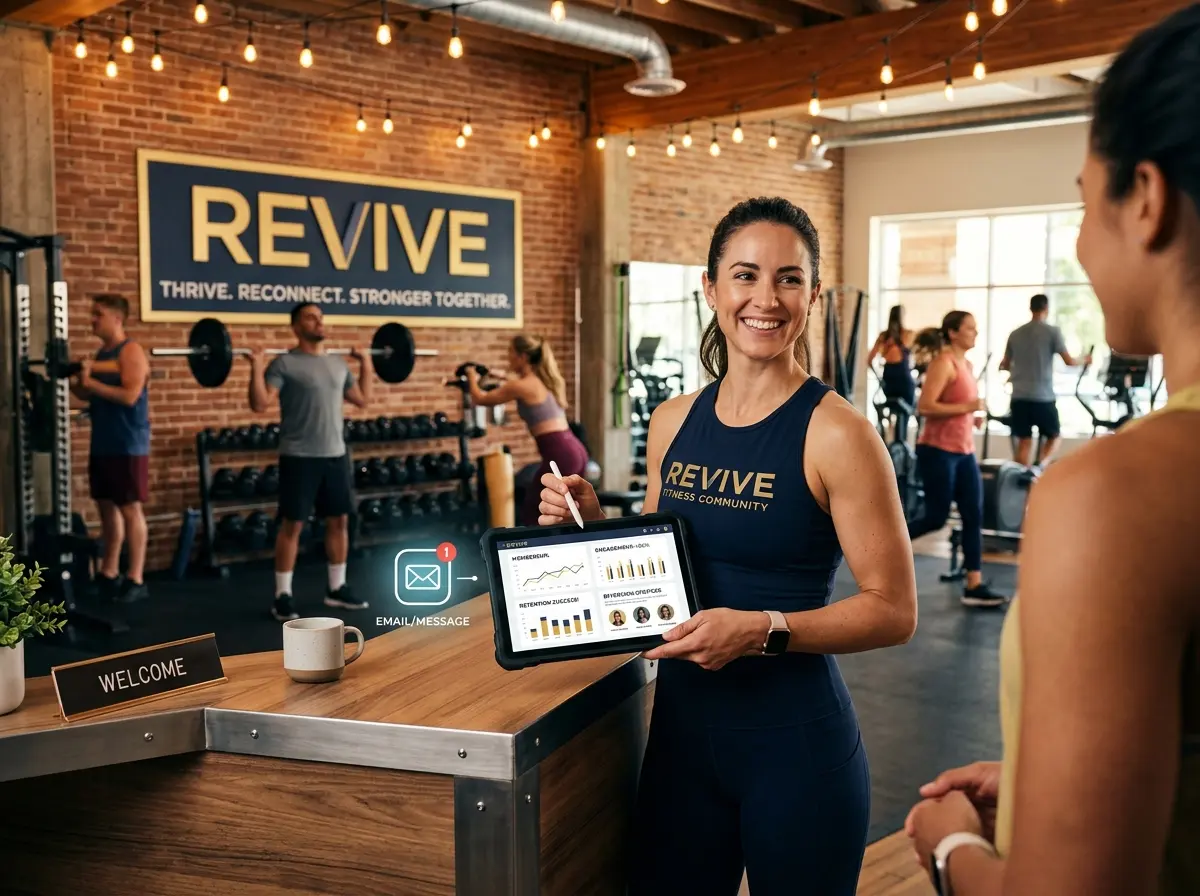
The gym tracked reactivation rate, revenue recovered per campaign dollar spent, and — critically — 30-day retention of reactivated members. Because winning someone back only to lose them again in a month isn't a win; it's just delayed churn. Of the 150 members reactivated, over 80% were still active 30 days later, suggesting that the re-onboarding experience post-return was just as intentional as the campaign itself.
Quick Reminder About Stella
Stella is an AI robot employee and phone receptionist built for businesses like yours. She greets customers in-store, answers phone calls around the clock, manages contacts through a built-in CRM, and handles intake — all for $99/month with no upfront hardware costs. Whether you're running a gym, a salon, or any other member-based business, she's always on, always professional, and never calls in sick the day your win-back campaign goes live.
Your Next Steps: From Inspiration to Implementation
A 150-member reactivation didn't happen because of one brilliant idea. It happened because of discipline, segmentation, empathy, and follow-through. If you're sitting on a list of lapsed members and haven't touched it in months, you're leaving real money on the table — and more importantly, you're leaving real relationships unattended.
Here's how to start your own win-back campaign this week:
- Pull your lapsed member list and segment by inactivity duration. Even rough buckets (under 90 days, 90–180 days, 180+ days) will dramatically improve your results.
- Audit your CRM data for details that allow genuine personalization — past classes, stated goals, membership type. If your data is thin, that's a systems problem worth solving before your next campaign.
- Design tiered offers that address the specific barriers each group faces, not just the financial ones.
- Build a three-touch sequence across two weeks, with email as the foundation and phone outreach reserved for your highest-value lapsed members.
- Track 30-day post-return retention alongside reactivation numbers so you know whether your re-onboarding experience is actually working.
The members who left weren't necessarily unhappy with you. Many of them just… drifted. A well-timed, thoughtful reach-out is often all it takes to remind them why they showed up in the first place. Go make that call.