You Never Get a Second Chance at a First Impression — So Why Is Your Intake Process a Mess?
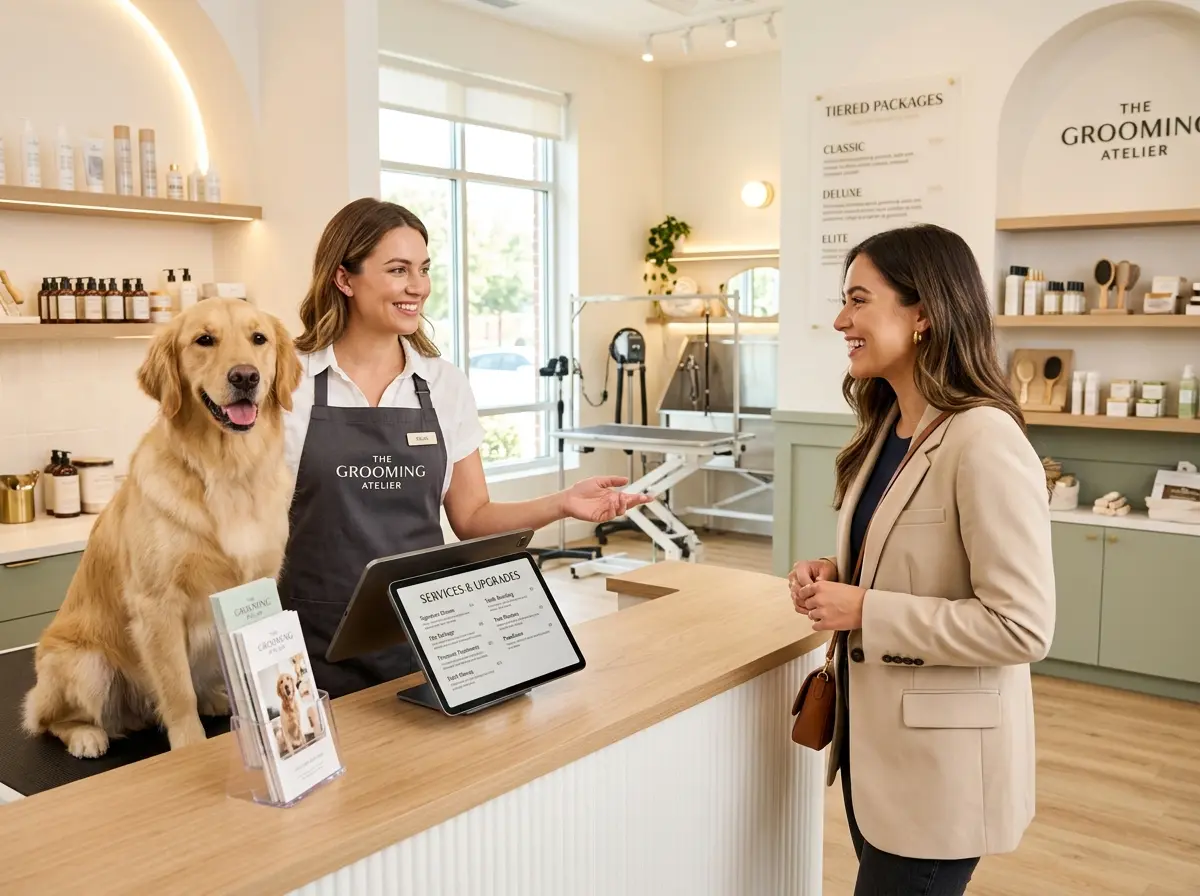
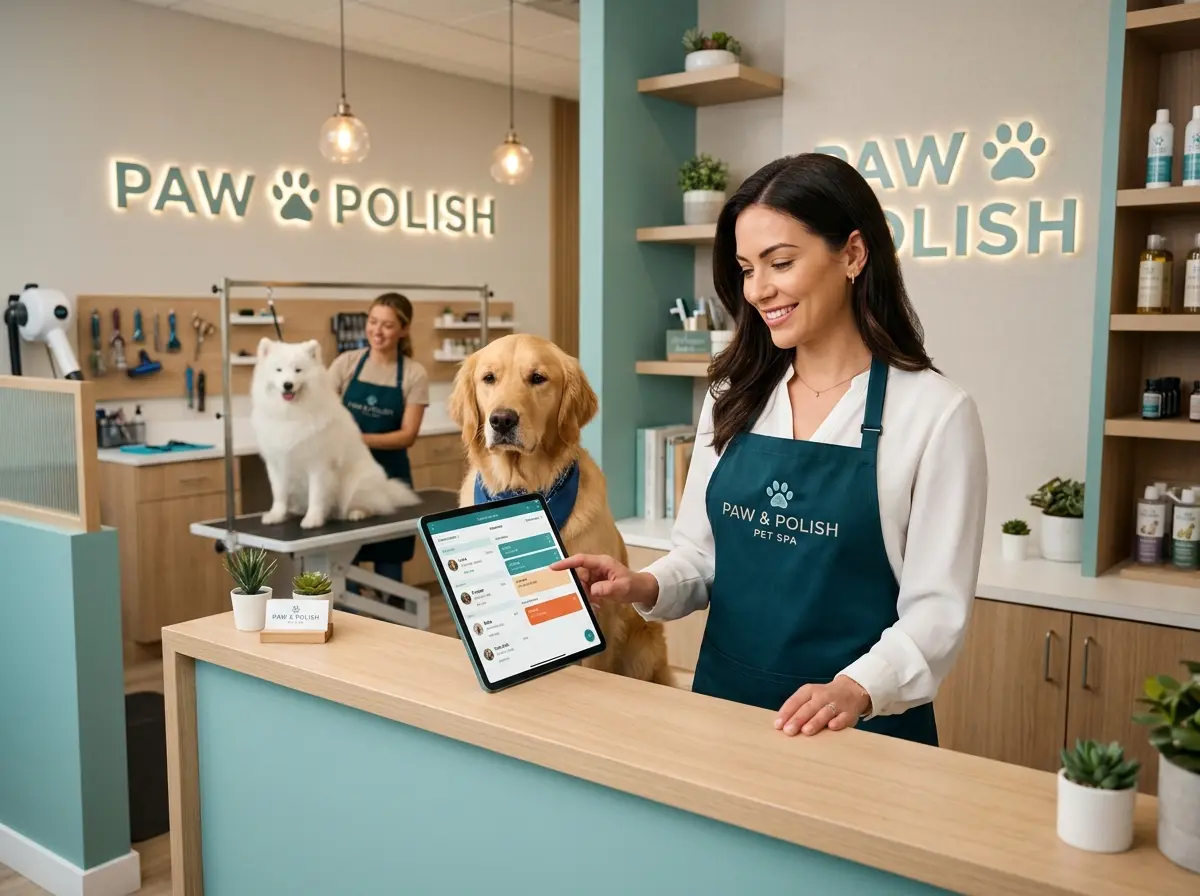
Let's be honest: you've probably spent a considerable amount of time thinking about your logo, your storefront, maybe even the font on your business cards. And yet, when a potential client actually tries to engage with your business — calls your number, fills out a contact form, or walks through your door — they're sometimes greeted with a confusing process, a voicemail black hole, or a frazzled employee juggling three other things at once.
Here's the uncomfortable truth: your client intake process is part of your brand. It's often the very first real interaction a person has with your business, and it sets the tone for everything that follows. A clunky, disorganized intake experience doesn't just frustrate people — it costs you clients, revenue, and reputation before the relationship even begins.
The good news? Fixing your intake experience doesn't require a complete business overhaul. It requires intention, a few smart systems, and maybe a willingness to admit that "we've always done it this way" is not a business strategy. Let's dig in.
The Hidden Cost of a Poor First Impression
Most business owners think of client acquisition in terms of marketing spend — ads, SEO, social media. But very few stop to calculate how much revenue they're losing at the intake stage, after the marketing has already done its job. That's where the real leak is.
The Numbers Don't Lie
Studies consistently show that 78% of customers buy from the business that responds to them first — not necessarily the best one, not the cheapest one, the fastest one. Meanwhile, the average business takes over 47 hours to respond to a web lead. If you've ever wondered why a prospect went with a competitor, there's a solid chance they simply heard back from someone else first.
Beyond speed, first impressions drive loyalty. According to research from PwC, 32% of customers will walk away from a brand they love after just one bad experience. One. Imagine working hard to earn someone's trust through marketing, only to lose them because your intake form was confusing or nobody picked up the phone on a Tuesday afternoon.
What "Bad Intake" Actually Looks Like
Bad intake isn't always obvious — that's what makes it dangerous. It can look like a contact form that sends inquiries to a generic email inbox nobody checks daily. It can look like a phone tree that sends callers in circles before they give up. It can look like asking clients to fill out the same information multiple times because your systems don't talk to each other. It can look like a warm, enthusiastic sales conversation followed by complete silence while someone "gets back to them with paperwork."
None of these things feel catastrophic in isolation. Together, they communicate something loud and clear to your prospective client: we are not organized, and your time is not a priority.
Why This Matters More Than Ever
Consumer expectations have shifted dramatically. People are used to Amazon-level responsiveness, Uber-level transparency, and Netflix-level personalization. When they interact with a local business or service provider that operates like it's 2009, the contrast is jarring. Redesigning your intake process isn't just about being polite — it's about staying competitive in an environment where attention is scarce and patience is shorter than ever.
How Smart Tools Can Modernize Your First Touchpoint
Here's where the fun part begins. You don't need a team of ten to deliver a polished, responsive intake experience. You need the right systems — and ideally, ones that work around the clock so you don't have to.
Meet the Tools That Actually Help
Stella is an AI robot employee and phone receptionist designed specifically for businesses that want to make every first impression count — without hiring additional staff or paying overtime. For businesses with a physical location, she operates as a friendly, human-sized kiosk that greets walk-in customers, answers their questions, and promotes current offers. For any business — brick-and-mortar or fully online — she answers phone calls 24/7 with the same knowledge and professionalism you'd expect from your best employee.
What makes Stella particularly powerful for client intake is her ability to collect information conversationally. Instead of sending a prospect to a cold, clinical form, she guides them through intake questions naturally — whether that's on a phone call, through a web interaction, or at the kiosk itself. All of that information flows directly into a built-in CRM with custom fields, tags, notes, and AI-generated client profiles, so your team has context before they ever say hello. At just $99/month with no upfront hardware costs, it's the kind of upgrade that pays for itself quickly.
Redesigning Your Intake Process: A Practical Roadmap
Ready to stop bleeding leads and start converting them? Here's a practical framework for auditing and upgrading your client intake experience from the ground up.
Step One — Map Every Touchpoint
Before you can fix anything, you need to see everything. Walk through your own intake process as if you were a new client. Call your own phone number. Submit your own contact form. Walk into your own location during a busy hour. Document every friction point — every moment where a real prospect might feel confused, ignored, or underwhelmed.
Pay special attention to response times, the number of steps required before a human makes contact, and how much information you're asking people to repeat. Most businesses are shocked by what they find. One law firm that went through this exercise discovered their online contact form had been routing to a spam folder for four months. Four months of lost leads, completely invisible.
Step Two — Eliminate Unnecessary Friction
Once you've mapped the journey, start cutting. Every unnecessary step, every redundant form field, every extra click between "I'm interested" and "I'm a client" is an opportunity for someone to change their mind. Ask yourself:
- Can I reduce my intake form to only what's essential for a first conversation?
- Is there a way to capture basic information before a phone call even begins?
- Are my confirmation messages clear, warm, and setting appropriate expectations?
- Do prospects know what happens next after they reach out?
Simplicity is not laziness — it's respect for your prospect's time. A shorter, well-designed intake process consistently outperforms a thorough but exhausting one.
Step Three — Build in Responsiveness by Default
Responsiveness shouldn't be a goal; it should be a system. That means automating what can be automated and ensuring human follow-up happens within a defined, reasonable window. Set up instant acknowledgment emails or texts when someone submits an inquiry. Use tools that notify your team immediately when a new lead comes in. If you're using a phone-based intake, ensure that missed calls are captured and summarized — not just sent to a generic voicemail that gets checked sporadically.
The businesses winning at intake aren't necessarily working harder — they're working with smarter defaults. Responsiveness baked into the system means you don't have to rely on someone remembering to check the inbox.
Quick Reminder About Stella
Stella is an AI robot employee and phone receptionist built for businesses of all sizes — from solo operators to multi-location retailers, medical offices, gyms, salons, law firms, and more. She greets in-store customers proactively, answers calls around the clock, collects intake information conversationally, and keeps everything organized in a built-in CRM — all for $99/month with no complicated setup. Think of her as the front-of-house presence your business deserves, minus the scheduling headaches.
Your Next Steps: Turn Insight Into Action
Redesigning your client intake experience is not a one-afternoon project — but it absolutely starts with a single afternoon of honest assessment. The businesses that consistently win on first impressions aren't doing anything magical. They've simply decided that the client experience begins at contact, not at contract, and they've built their systems accordingly.
Here's where to start this week:
- Audit your current intake journey from a client's perspective. Call yourself. Submit your own form. Time the response.
- Identify your top two or three friction points and address those first. Don't try to overhaul everything at once.
- Put a responsiveness system in place — whether that's an AI receptionist, an automated acknowledgment message, or a team protocol for lead follow-up within a set window.
- Collect feedback from new clients about their intake experience. Ask them directly. The answers are usually illuminating and occasionally humbling.
Your marketing works hard to bring people to your door — real or virtual. The intake process is what determines whether they walk through it. A little investment in that experience goes a long way toward turning curious prospects into loyal clients who feel valued from the very first interaction.
And honestly? Your competitors probably haven't thought this hard about it yet. That's an opportunity you don't want to waste.