Your Front Desk Is Either Making You Money or Costing You Patients
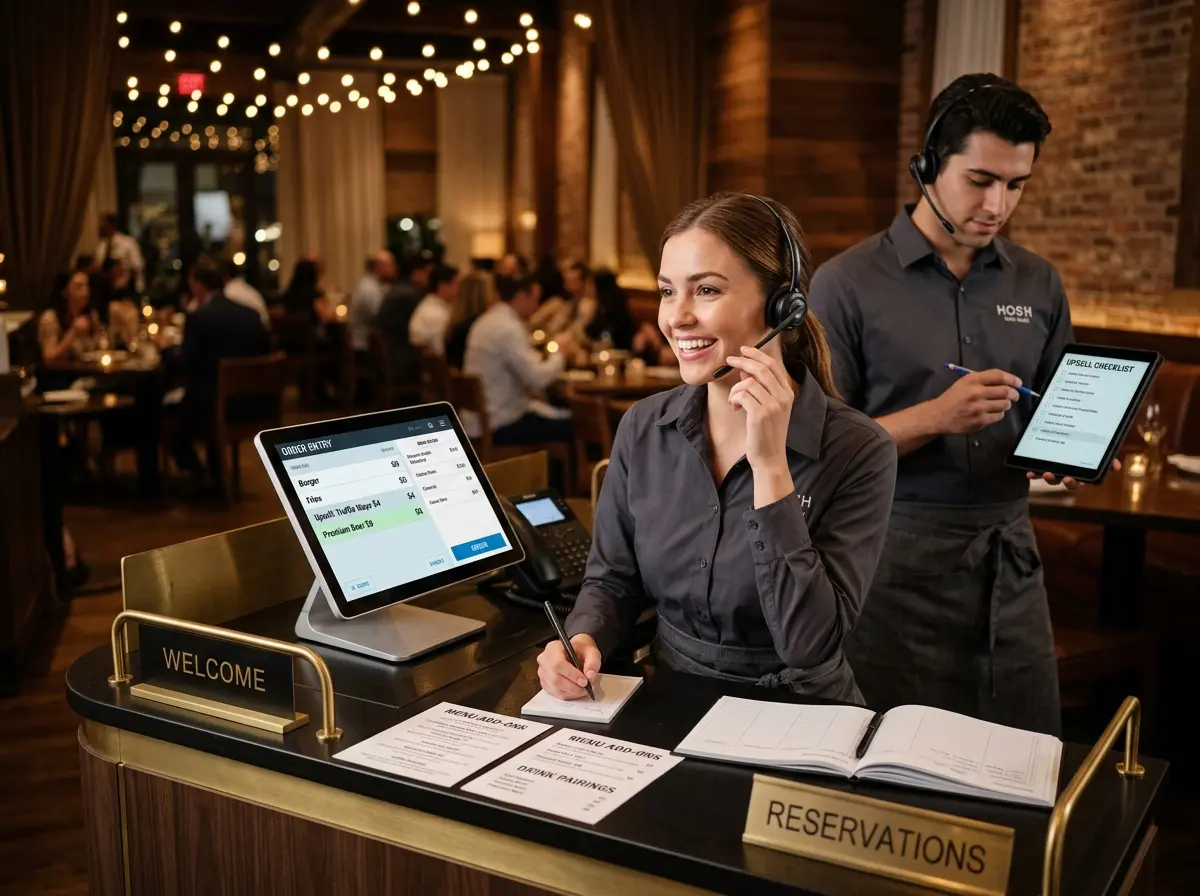
Let's be honest: the first phone call a potential patient makes to your physical therapy practice is either the beginning of a beautiful therapeutic relationship — or the moment they decide to call your competitor down the street. And yet, most PT practices treat that incoming call like an afterthought, leaving front desk staff to wing it while simultaneously checking in existing patients, handling insurance paperwork, and trying to remember where they put their coffee.
The stakes are higher than you might think. Studies show that nearly 70% of patients who call a healthcare provider and don't get a satisfactory response will simply move on — no voicemail, no callback attempt, just gone. In a competitive market where acquiring a new patient costs real time and real money, a fumbled phone call isn't just an awkward moment. It's a revenue leak.
The good news? A well-scripted new patient phone call is one of the simplest, highest-ROI improvements you can make to your practice. No expensive marketing campaigns required. No new equipment. Just a thoughtful, structured approach to the conversation that's already happening dozens of times a week. Let's build it.
The Anatomy of a Perfect New Patient Call
Step 1: The Warm, Professional Opening
First impressions are everything, and in physical therapy, trust is the currency that makes everything else work. Your opening line should accomplish three things simultaneously: it should confirm the patient reached the right place, convey genuine warmth, and set a professional tone. That's a lot to ask of one sentence, but it's absolutely doable.
A strong opening sounds something like: "Thank you for calling [Practice Name], this is [Name] — how can I help you today?" Simple, right? And yet countless practices answer with a hurried "Hold please" or a monotone recitation of the practice name that makes the caller feel like they've just dialed a DMV hotline. Avoid this at all costs. Your patient is often calling because they're in pain, frustrated, or nervous about starting care. Lead with warmth.
Train your staff to smile while they answer — it genuinely changes the tone of voice, even over the phone. And always use a name. Personalizing the greeting immediately signals that there's a real human being (or a very good AI, more on that later) ready to help.
Step 2: Gather the Right Information Without Making It Feel Like an Interrogation
Once you've established rapport, the goal is to collect the information you need to schedule the patient and begin building their profile — without making them feel like they're being processed by a bureaucratic machine. The key is conversational sequencing. Lead with empathy, then move into logistics.
A good flow looks like this: ask what's bringing them in, listen actively, briefly acknowledge their situation, and then transition naturally into the intake questions. For example: "I'm sorry to hear you've been dealing with that — let's get you set up with one of our therapists. Can I grab your name and date of birth to get started?"
The information you'll typically need includes full name, date of birth, contact information, insurance details or self-pay preference, referring physician (if applicable), and a brief description of their condition or concern. Resist the urge to ask everything at once. Spread the questions naturally throughout the conversation, and your patients will barely notice they're providing intake data.
Step 3: Sell the Appointment, Not Just Schedule It
Here's where most practices leave money on the table. Scheduling a new patient isn't just an administrative task — it's a sales moment. Not in a pushy, used-car-lot way, but in the sense that you have a real opportunity to reinforce why your practice is the right choice and get that patient genuinely excited about their first visit.
Before you hang up, briefly highlight what makes your practice worth showing up to. Mention your therapists' specializations if they're relevant to the patient's condition, note any convenient features like online patient portals or flexible scheduling, and always — always — tell them exactly what to expect before their first appointment. A patient who knows what's coming is a patient who actually shows up.
Close with something like: "We're really looking forward to meeting you. You're going to be in great hands." It takes two seconds and costs nothing. Do it every time.
How Technology Can Handle the Calls You're Missing
Your Phone Can't Answer Itself — But Stella Can
Even with the world's best script, there's one problem your front desk staff can't solve: they can only be in one place at a time. Calls that come in after hours, during lunch, or when your receptionist is already on another line are calls that frequently go unanswered — and unanswered calls in healthcare are almost never followed up on by the patient.
Stella, the AI robot employee and phone receptionist, is built specifically for situations like this. She answers calls 24/7 with the same knowledge and conversational warmth your best human staff bring to the job on their best days — without sick days, turnover, or the occasional bad mood. For physical therapy practices, she can walk new patients through an intake process using conversational intake forms, collect their information during the call, and log everything directly into her built-in CRM with AI-generated contact profiles. She can also forward calls to a human staff member when the situation calls for it, or take a detailed voicemail with an AI-generated summary and push notification straight to the manager's phone. If your practice has a physical location, Stella also stands in-office as a friendly kiosk — greeting arriving patients and answering questions so your front desk staff can stay focused. It's not about replacing your team. It's about making sure no opportunity slips through the cracks.
Training Your Team to Deliver the Script Consistently
Role-Playing Isn't Just for Improv Class
Writing a great script is step one. Getting your team to actually use it — consistently, naturally, across every call — is the harder part. The most effective way to close that gap is regular role-playing practice, and yes, we know that sounds slightly painful. It doesn't have to be. Keep sessions short (15–20 minutes), rotate who plays the "patient," and use realistic scenarios that reflect the calls your practice actually receives.
Focus especially on the moments that tend to go sideways: the impatient caller, the patient who doesn't have their insurance card handy, the person who wants to argue about copays before they've even scheduled. When your staff has rehearsed those scenarios in a low-stakes environment, they'll handle them with confidence in real time. Record some of your role-play sessions (with staff consent) and review them together. Honest, supportive feedback from peers often lands better than top-down criticism.
Create a Living Script, Not a Laminated Relic
Your call script should be a document that evolves, not something you write once and forget about until a new employee finds it buried in a drawer three years later. Schedule a quarterly review of your scripting, and actively gather input from the staff who use it every day. They're on the front lines — they know which lines feel clunky, which patient objections aren't covered, and which questions keep coming up that the script doesn't address.
Track your conversion rate from new patient inquiry call to confirmed appointment. If you're not measuring it, start now. A baseline conversion rate of 60–70% is a reasonable target for a well-run physical therapy practice. If you're falling short, the script is often the first place to look. If you're exceeding it, find out what your best staff members are doing differently and build it into the script for everyone.
Handle the Insurance Question Gracefully
No topic derails a new patient call faster than insurance. Patients are often confused, occasionally frustrated, and sometimes operating on completely incorrect information about their coverage. Train your team to handle this with patience and a clear process. Offer to verify benefits before the first appointment, explain what that process looks like, and set realistic expectations about timelines. Never promise specific coverage amounts you haven't confirmed — but do reassure the patient that your team will do the legwork and follow up with them directly. That kind of proactive communication builds trust before the patient ever walks through your door.
Quick Reminder About Stella
Stella is an AI robot employee and phone receptionist that answers calls 24/7, collects patient intake information through conversational forms, and manages contacts through a built-in CRM — all for $99 a month with no upfront hardware costs. For practices with a physical location, she also operates as an in-office kiosk, greeting patients and fielding questions so your staff can stay focused on care. She's easy to set up, never calls in sick, and never puts a new patient on hold to deal with something else.
Put It All Together and Start Answering Better
A great new patient phone call isn't magic — it's a system. It starts with a warm, confident opening, moves through a conversational intake process that collects what you need without feeling like an interrogation, and closes with a genuine expression of enthusiasm for the patient's upcoming visit. When that system is documented, practiced, and consistently executed, your conversion rates go up, your no-show rates go down, and your patients arrive already feeling good about choosing your practice.
Here's your action plan for this week: audit your current call process by listening to a few recorded calls if you have them, or by sitting with your front desk staff during peak hours. Identify the two or three moments where the conversation tends to lose momentum. Build or revise your script to address those specific gaps. Run one role-play session with your team before the end of the month. And if after-hours calls or call overflow are still slipping through, explore what a 24/7 AI receptionist could do for your inquiry-to-appointment conversion rate.
Your phone is ringing right now. Make sure someone — or something — worth trusting is picking it up.