So You Want More Foot Traffic? Let's Talk About That.
Here's a scenario that probably sounds familiar: you've got a great store, solid products, and a team that actually knows what they're doing — and yet, getting people through the door feels like convincing someone to give up their Netflix subscription. It shouldn't be this hard. And honestly? It doesn't have to be.
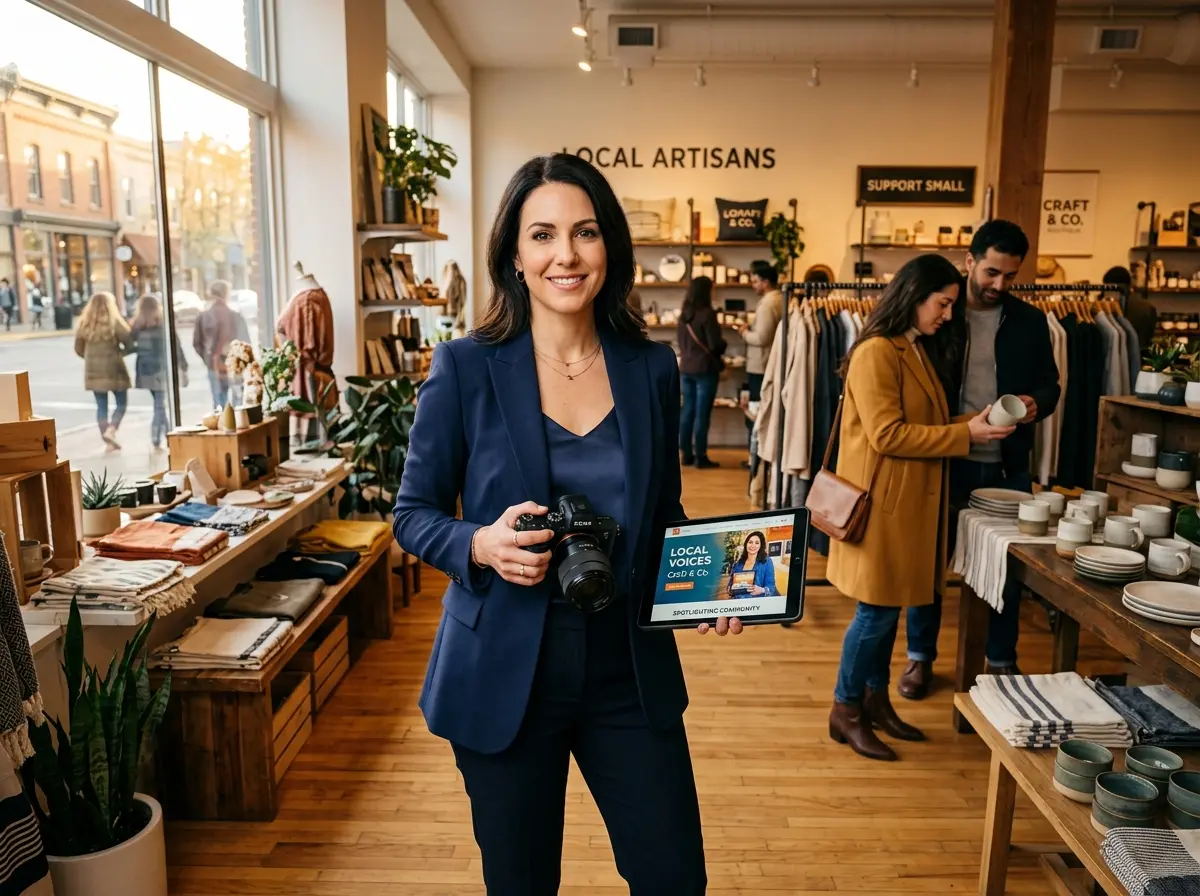
One of the most underutilized strategies in local retail marketing is the Local Business Spotlight Series — a recurring content format where you feature other local businesses, community members, or even your own customers in a way that drives genuine engagement, builds goodwill, and most importantly, brings warm bodies into your store. It's the kind of marketing that feels less like marketing and more like being a good neighbor. Which, spoiler alert, is exactly why it works.
According to a Nielsen report, 92% of consumers trust recommendations from people they know over any other form of advertising. A spotlight series taps directly into that trust by connecting your brand with familiar faces in the community. So if you've been pouring money into ads that feel like shouting into a void, this might be the refreshing alternative you've been looking for.
Building Your Spotlight Series From the Ground Up
Choosing Who to Feature (And Why It Matters)
The first step — and the one most people overthink — is deciding who gets the spotlight. The short answer: pick people and businesses that your ideal customers already admire. You're not running a charity here; you're building a strategic network of mutual promotion. Think complementary businesses that don't compete with you directly. A boutique clothing store might spotlight a local jewelry maker, a nearby coffee shop, or a fitness studio. A hardware store might feature a local contractor or interior designer. The goal is to find people whose audiences overlap meaningfully with yours.
When you feature someone, they share it. Their audience sees it. Some of those people become curious about your store. That's not magic — that's just how community works, and you're finally making it work for you. Aim for a mix of established local businesses with loyal followings and up-and-coming names that feel fresh and exciting to your audience.
What Format Should Your Spotlight Take?
This is where you get to have some fun. A spotlight series doesn't have to mean a stuffy five-paragraph blog post (no offense to five-paragraph blog posts). Consider the following formats based on where your audience actually spends time:
- Social media features: A short Instagram or Facebook post with a photo, a brief story, and a tag. Simple, shareable, and effective.
- Short-form video: A 60–90 second interview or "day in the life" clip shot on your phone. It doesn't need to be cinematic — it needs to be genuine.
- In-store events: Host a pop-up, a tasting, a demo, or a mini market featuring your spotlight subject right inside your location. This one drives foot traffic directly and immediately.
- Email newsletter features: A dedicated section in your newsletter that introduces your audience to a local business or personality each month.
The most effective spotlight series use a combination of these — building buzz online and then converting that buzz into in-person visits. The in-store event format in particular is a powerhouse because it gives people a reason to come in on a specific date, which creates urgency without requiring a discount.
Creating a Repeatable System That Doesn't Burn You Out
The word "series" implies that this happens more than once, which means you need a system — not just enthusiasm. Start by creating a simple content calendar with one spotlight per month. Develop a standard intake process: a short questionnaire you send to each featured business or person, a photo submission request, and a clear timeline. Template your social captions and email formats so you're not starting from scratch every time. Assign someone on your team to own it, or block time on your own calendar specifically for this task. The businesses that sustain a spotlight series long enough to see real results are the ones that treat it like a recurring business operation, not a one-off creative project.
How the Right Tools Keep the Momentum Going
Let Technology Handle What It's Good At
Running a spotlight series takes coordination — following up with featured businesses, fielding inquiries from people who saw your posts, managing in-store event logistics, and keeping track of who you've featured and who's next in the pipeline. If you're doing all of that manually while also running a retail store, something is going to fall through the cracks. Usually the thing that falls through the cracks is your sanity.
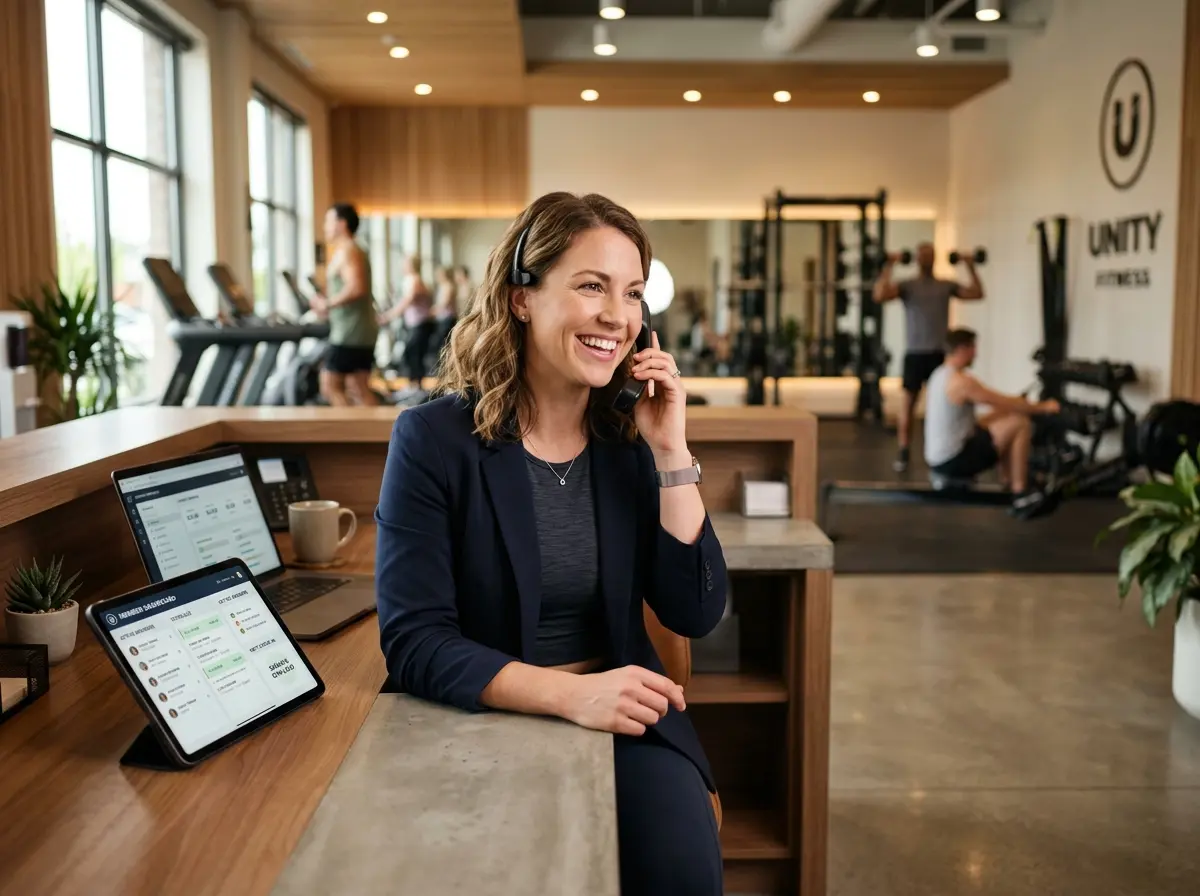
This is where Stella, the AI robot employee and phone receptionist, can quietly become one of your best assets. While you're focused on building community relationships and planning your next spotlight event, Stella handles the front-line experience — greeting customers who walk in, answering questions about your current promotions or featured partner, and making sure no phone call goes unanswered. If someone calls to ask about your upcoming in-store spotlight event, Stella has the answers. If someone walks through your door after seeing your spotlight post on Instagram, she greets them like she's been expecting them. She even collects customer information and manages contacts through her built-in CRM — so every new face that walks in during a spotlight event can become a tracked, tagged, and nurtured relationship going forward.
Turning Your Spotlight Series Into a Foot Traffic Machine
Driving People From Screen to Storefront
Online engagement is flattering. Foot traffic pays the bills. The bridge between the two is a deliberate call to action that gives your audience a specific reason to show up in person. For every spotlight you publish, include an in-store component — even a small one. It could be a limited-edition product from the featured business available only in your store, a discount that's redeemable in person only, or a brief meet-and-greet event. When people feel like there's something exclusive or time-sensitive happening at a physical location, they show up. FOMO is a real and powerful force, and you might as well use it for good.
One practical example: a pet supply store in Austin ran a monthly spotlight series featuring local dog trainers, groomers, and rescue organizations. Each spotlight included a one-day in-store event where the featured partner offered a free mini-consultation or meet-and-adopt session. Within three months, their Saturday foot traffic increased by over 40%. No paid ads. Just community, consistency, and a clear reason to visit.
Measuring What's Actually Working
If you're not tracking results, you're just hoping — and hope is not a marketing strategy. Set simple, measurable goals for your spotlight series from the start. Track social engagement (shares, comments, new followers) on spotlight posts versus your regular content. Monitor foot traffic on event days using a simple door counter or point-of-sale data. Ask new customers how they heard about you. Track email open rates on spotlight editions of your newsletter versus standard sends.
Over time, you'll start to see patterns. Certain types of featured businesses drive more traffic than others. Certain formats get shared more. Certain months perform better. Use that data to refine your approach — double down on what works, quietly retire what doesn't, and keep improving. A spotlight series that gets smarter over time is one that keeps delivering returns long after the initial excitement wears off.
Turning Featured Businesses Into Long-Term Partners
The hidden ROI of a spotlight series isn't just the foot traffic from individual features — it's the network you build over time. Every business you spotlight becomes a potential referral source, a co-marketing partner, or a collaborator for future events. Nurture those relationships beyond the feature. Follow up after the spotlight goes live. Share their future posts occasionally. Invite them back for seasonal events. Local business ecosystems are built on reciprocity, and the store owners who understand that tend to be the ones still thriving five years from now while others are wondering why their ads stopped working.
Quick Reminder About Stella
Stella is an AI robot employee and phone receptionist that works inside your store and answers your phones — 24/7, without breaks, complaints, or turnover. At just $99/month with no upfront hardware costs, she greets customers, answers questions, promotes your current deals, and makes sure every interaction — in person or over the phone — is handled professionally. While you're busy building community relationships and running spotlight events, she's holding down the fort so nothing slips through the cracks.
Your Next Steps Start Today
A Local Business Spotlight Series is not a silver bullet — nothing in marketing really is, despite what every guru in your LinkedIn feed would have you believe. But it is one of the most sustainable, low-cost, high-goodwill strategies available to retail store owners who want to build real community and convert that community into consistent foot traffic.
Here's how to get started without overthinking it. This week, identify three local businesses or community figures whose audiences align with yours and reach out with a simple, genuine invitation to be featured. Next, decide on your format — start with one social media post and build from there. Create a basic template so the process is repeatable. Schedule your first in-store tie-in event. And make sure your store experience is ready to impress the new visitors who show up — because bringing people through the door is only half the battle; keeping them coming back is the whole point.
Build the series consistently, measure what works, nurture the relationships you create, and let the right tools — human and otherwise — support the experience you're delivering. Your community is already out there. It's time to give them a reason to find you.