You Already Have the Data — So Why Are Your Follow-Ups Still Generic?
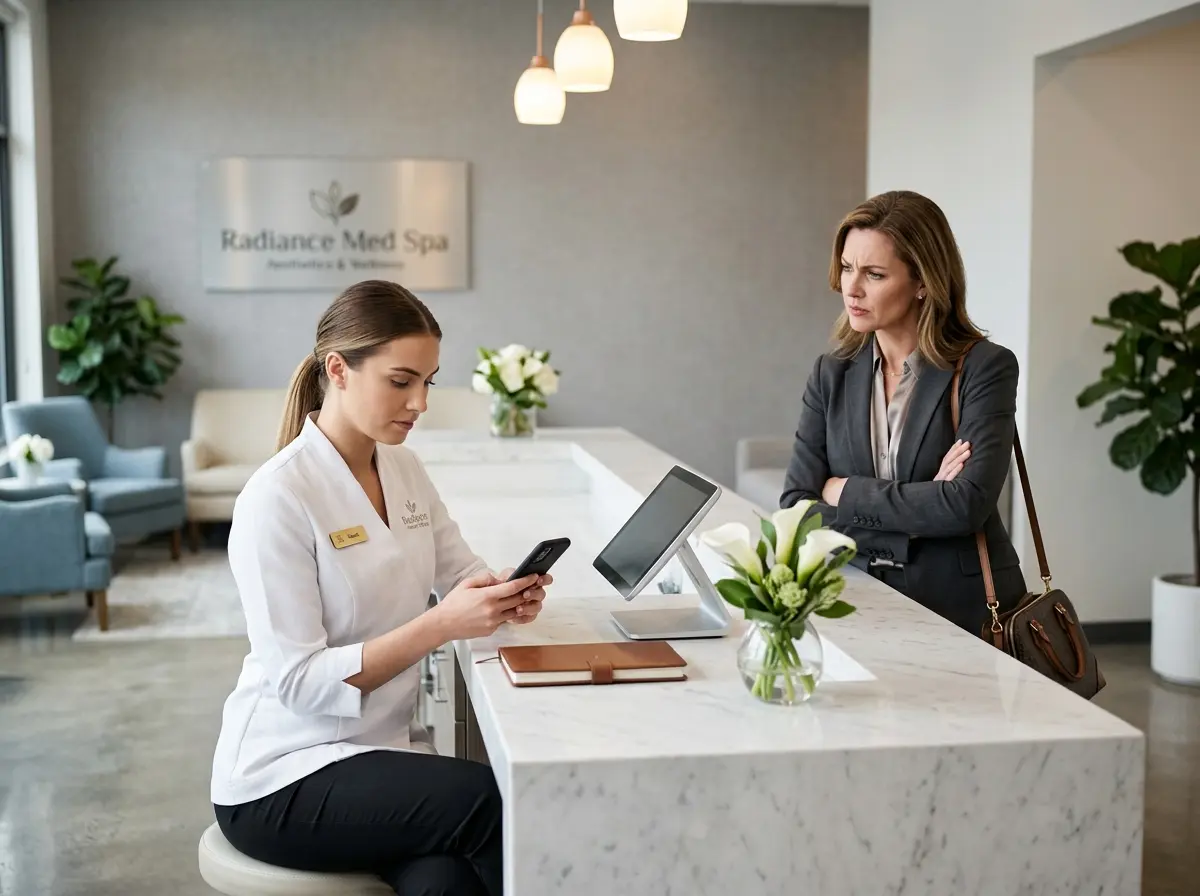
Let's set the scene: A client walks into your med spa, fills out an intake form listing her skin concerns, her budget, her past treatments, and the fact that she absolutely cannot do downtime right now because she has a wedding in three weeks. She has a great consultation, books a facial, and leaves happy.
Then two days later, she gets an automated follow-up email that says: "Hi [First Name], thanks for visiting! Here are our latest specials."
Ouch.
The good news is that most med spas are sitting on a goldmine of intake data they're simply not using. Every consultation form, every pre-treatment questionnaire, every "how did you hear about us" checkbox is an opportunity to make your clients feel seen, understood, and — most importantly — eager to come back. The bad news is that without a system in place, all that valuable information just lives in a folder somewhere, quietly collecting digital dust.
This post is going to walk you through how to actually use intake data to personalize every follow-up at your med spa, so your communication feels less like a mass email blast and more like a conversation with someone who genuinely pays attention.
The Art of Collecting Intake Data That Actually Means Something
Before you can personalize anything, you have to collect the right information — and collect it in a way that's actually usable. Many med spas make the mistake of gathering data that's great for medical compliance but nearly useless for marketing and relationship-building. A full intake process should serve both purposes.
Ask the Right Questions Upfront
Your intake form shouldn't just cover allergies and medical history (though, yes, absolutely keep those). It should also capture information that tells you who this person is as a client. Consider adding fields like:
- Primary skin or body concern — what brought them in today specifically?
- Treatment goals — are they maintaining, correcting, or preparing for an event?
- Lifestyle factors — do they wear SPF daily? Are they prone to stress breakouts?
- Budget comfort level — offered tastefully, this helps with appropriate recommendations.
- Preferred communication style — text, email, or phone call?
- How they heard about you — useful for marketing attribution and for referencing in follow-ups.
None of these questions are invasive when framed correctly. They signal that your spa is invested in outcomes, not just bookings — and clients notice that.
Structure Your Data So It's Actually Searchable
Here's where a lot of businesses quietly fail. You can collect all the right information, but if it lives in a PDF scan or a pile of paper forms, it's essentially useless for personalization at scale. The goal is to get intake responses into a system where you can segment, tag, and reference them quickly.
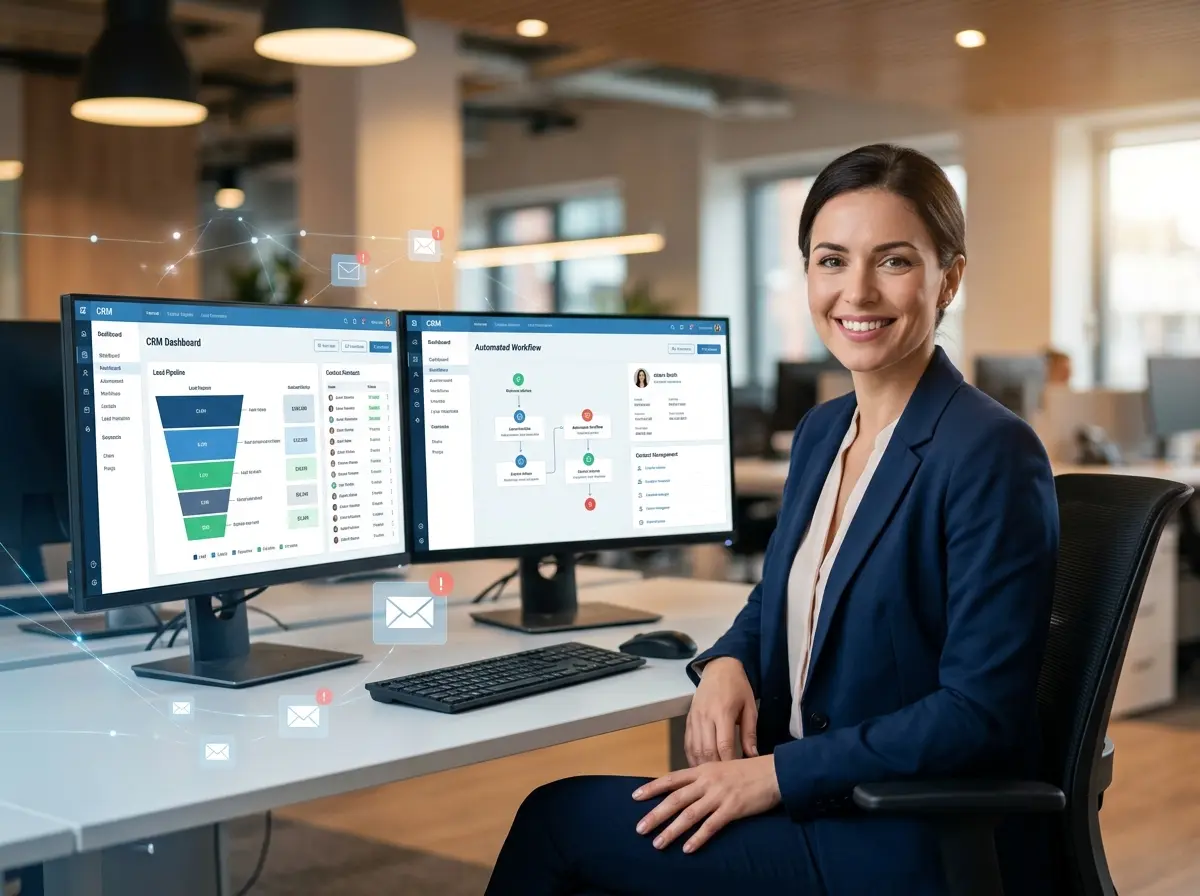
Use a CRM that allows custom fields — so "primary concern: hyperpigmentation" is a searchable attribute, not a note buried in a comment box. Tag clients by treatment type, skin type, goals, and lifecycle stage. The more structured your data entry, the more personalized your outreach can be without adding hours to your week.
Turning Intake Answers Into Personalized Follow-Ups
Match Your Follow-Up Content to Their Stated Goals
This is the simplest and most impactful shift you can make. If a client indicated during intake that they're concerned about fine lines, your post-appointment follow-up should reference that concern directly. Something like: "Based on your goal of targeting early signs of aging, here's what to expect over the next two weeks from your treatment — and a few at-home tips to support your results." That's infinitely more powerful than a generic "hope you enjoyed your visit!" message.
The same logic applies across every concern. Acne-prone clients want to hear about purging timelines and what's normal. Pre-event clients want reassurance about healing windows. Clients focused on maintenance want to know when to come back in. When you tie your follow-up directly to what they told you they care about, you're not just sending a message — you're continuing the conversation.
Use Timing and Treatment Data to Trigger the Right Message at the Right Moment
Personalization isn't just about content — it's also about timing. A client who just had a chemical peel doesn't need a promotional email about fillers two days later. She needs a check-in about her skin, tips for the peeling phase, and maybe a gentle reminder to stay out of the sun. Then, once she's healed and glowing, that's the moment to introduce your next recommended treatment.
Map out follow-up sequences by treatment type, and let your intake data layer in the personalization. For example, clients who indicated "special occasion prep" should receive their sequences on an accelerated timeline. Clients who noted "first-time treatment, nervous" deserve an extra reassuring check-in at the 24-hour mark. Building these sequences doesn't have to be complicated — it just has to be intentional.
How Tools Like Stella Can Streamline the Intake Process
Collecting and organizing intake data is one of those tasks that sounds simple in theory and becomes chaotic in practice — especially during a busy day when your front desk staff is juggling check-ins, phones, and consultations simultaneously. This is exactly where Stella, the AI robot employee and phone receptionist, can take a real operational burden off your team.
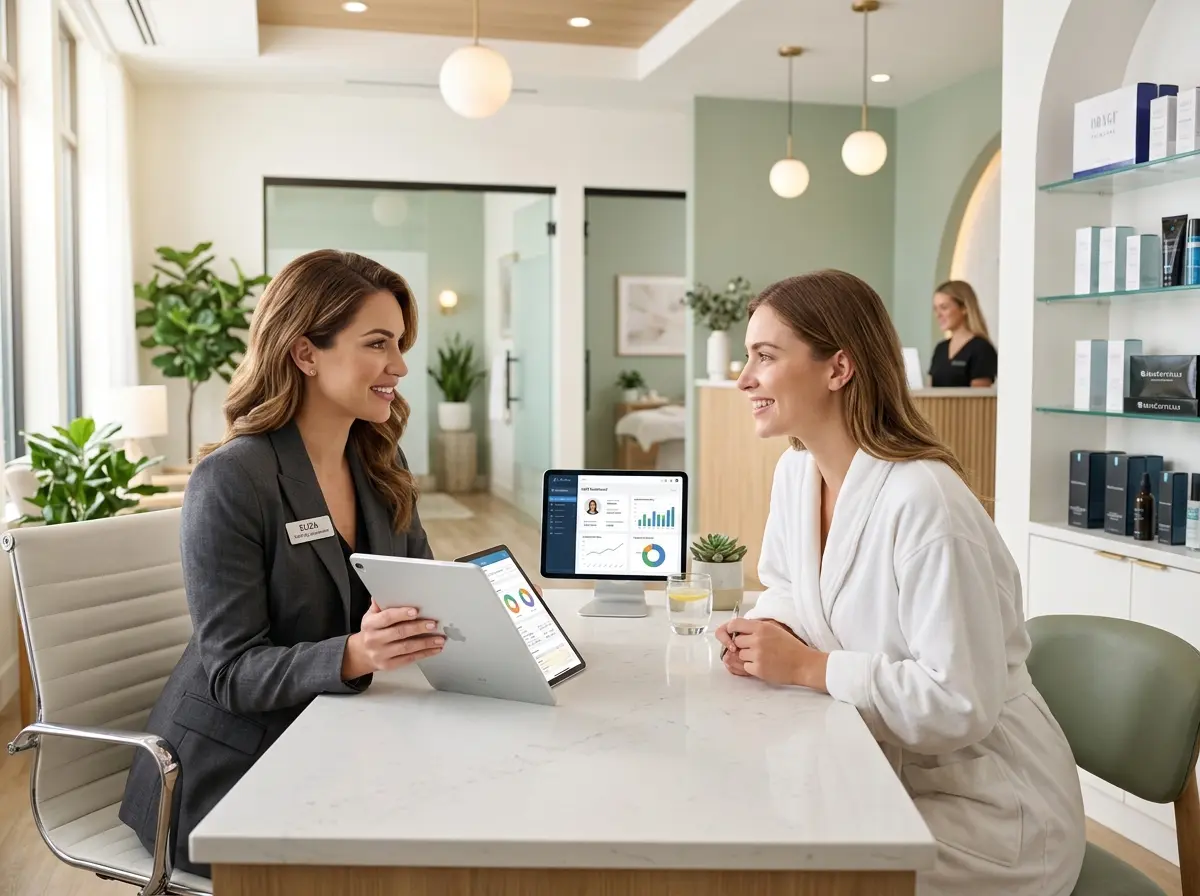
Stella collects client information through conversational intake forms — whether a new client is calling to book an appointment, filling something out on your website, or stopping at her kiosk in your lobby. Instead of handing someone a clipboard and hoping they fill it out completely, Stella guides them through the process naturally, asks follow-up questions when needed, and pushes all of that information directly into her built-in CRM. Every response gets organized with custom fields, tags, and AI-generated client profiles — so by the time a client sits down for their consultation, your team already has a clear picture of who they're working with. That's less scrambling, more connecting.
Building a Personalization System That Scales
At some point, "I'll just remember what each client mentioned" stops working. Whether you have 50 active clients or 500, a personalization strategy only holds up if it's systematized — meaning it runs consistently without relying on any one staff member's memory or availability.
Create Segments and Automate Without Losing the Human Touch
Start by building out a handful of core client segments based on intake data — things like treatment category, primary concern, lifecycle stage (new vs. returning vs. lapsed), and communication preference. From there, you can create follow-up templates for each segment that are personalized enough to feel human but automated enough to run without manual effort every time.
The key is to write your templates in a voice that sounds like your spa, not like a software company. Use the client's name, reference their treatment, and include a specific next step or recommendation. Leave space in the template for a one-line custom note when possible — even a small personal touch significantly increases response rates and rebooking likelihood.
Review and Refine Based on Engagement Data
Personalization is not a set-it-and-forget-it strategy. Treat your follow-up sequences like living documents. Every few months, pull your open rates, click-throughs, and rebooking data and look for patterns. Which segments are responding well? Which follow-up messages are getting ignored? Are clients who indicated "first-time, nervous" rebooking at a lower rate — and if so, is your current sequence addressing their hesitations effectively?
This kind of iterative improvement doesn't require a marketing team. It requires a habit of checking in on what's working and being willing to adjust. The med spas that do this consistently are the ones that build genuinely loyal client bases — not just repeat visitors, but advocates who refer their friends because they feel like your spa actually gets them.
A Quick Reminder About Stella
Stella is an AI robot employee and phone receptionist designed to help businesses like yours run more smoothly — greeting clients at the kiosk in your lobby, answering calls 24/7, collecting intake information conversationally, and keeping your CRM organized without adding to your team's workload. She's available for $99/month with no upfront hardware costs, and she doesn't call in sick on your busiest Saturday. Just saying.
Start Somewhere — But Start Now
The gap between a med spa that clients forget and one they rave about is often not the treatments themselves — it's the experience around the treatments. And a significant part of that experience happens in the follow-up: in the message they receive 48 hours later, in the recommendation that shows up at exactly the right moment, in the simple act of being remembered.
Here's what to do this week: Pull your current intake form and identify three to five fields that could directly inform your follow-up messaging. Then look at your last 30 follow-up communications and ask yourself honestly — could any of these have been sent to anyone? If the answer is yes, you know where to start.
You don't have to overhaul everything at once. Start with your post-treatment follow-up for your most popular service, build one personalized sequence, and measure the response. Then expand. The clients who feel genuinely seen will tell you — in rebookings, in referrals, and in reviews — that it was worth every bit of the effort.