Introduction: The Wedding Venue's Dirty Little Secret
Here's a scenario that every wedding venue owner knows all too well: It's Tuesday at 11 PM, and a newly engaged couple — still riding the high of a surprise proposal — pulls out their laptop and starts emailing every venue within a 30-mile radius. They're excited, they're motivated, and they're ready to talk. And your venue? It's sending them an auto-reply that essentially says, "Thanks for reaching out! We'll get back to you sometime between tomorrow and whenever we have a free moment."
By the time your coordinator shows up Thursday morning, coffee in hand, that couple has already toured two competitors, fallen in love with one of them, and is currently negotiating a deposit. Congratulations — you technically responded within 48 hours, which is completely useless.
The wedding venue industry is deeply relationship-driven, but relationships have to start somewhere. And right now, for most venues, they start with an awkward gap between inquiry and first contact that costs bookings every single week. The good news? AI is stepping in to close that gap — not by replacing your team's warmth and expertise, but by making sure that warmth and expertise is deployed on leads who are actually ready for it.
The Real Cost of Slow Lead Response in the Wedding Industry
Speed Is Everything When Emotions Are Running High
Research from Harvard Business Review found that businesses who respond to leads within an hour are nearly seven times more likely to have a meaningful conversation with a decision-maker than those who wait even 60 minutes longer. Now apply that to a couple who just got engaged on a Saturday evening. Their emotional investment is at its absolute peak. They want to imagine their wedding happening — and they want to imagine it now. Every minute you don't respond is a minute a competitor can step in and paint that picture for them.
Wedding venues are especially vulnerable to this dynamic because the sales cycle is emotionally charged and time-sensitive. Couples often book venues 12 to 18 months in advance, but they make their shortlist within the first few days of searching. If you're not in that initial conversation, you may never get a shot at all.
The Qualification Problem Is Just as Costly
Even when venues do respond quickly, there's another silent killer: unqualified leads eating up your coordinator's valuable time. Your team spends 45 minutes on the phone with a couple who wants a 400-person outdoor ceremony on a date you're already booked, for a budget that doesn't cover your Friday night minimum. That's not a lead — that's a really lovely conversation that cost you real money.
Effective lead qualification isn't about being cold or dismissive. It's about making sure that by the time a couple walks through your doors for a tour, you already know their date, estimated guest count, budget range, vision for the day, and whether they need in-house catering. That's the difference between a 90-minute tour that converts and a 90-minute tour that doesn't.
What the Best Venues Are Doing Differently
Top-performing wedding venues are increasingly automating their initial inquiry response and qualification process using AI — not to replace the human touch, but to ensure it arrives at exactly the right moment. The goal is simple: let AI handle the first conversation so your human team can focus on the conversations that matter most. When your coordinator finally meets that couple, they should already feel heard, informed, and excited — not like they're filling out a form for the third time.
How AI (Like Stella) Can Step In Before Your Coordinator Does
Always-On Inquiry Handling and Lead Qualification
Stella, an AI robot employee and phone receptionist, is built exactly for this kind of high-stakes first impression. When a couple calls your venue after hours — or honestly, even during hours when your coordinator is on another call — Stella answers immediately, warmly, and with full knowledge of your venue's offerings, packages, pricing tiers, availability windows, and policies. She can walk callers through a natural, conversational intake process that captures everything your team needs: preferred date, guest count, ceremony and reception preferences, budget range, and contact information.
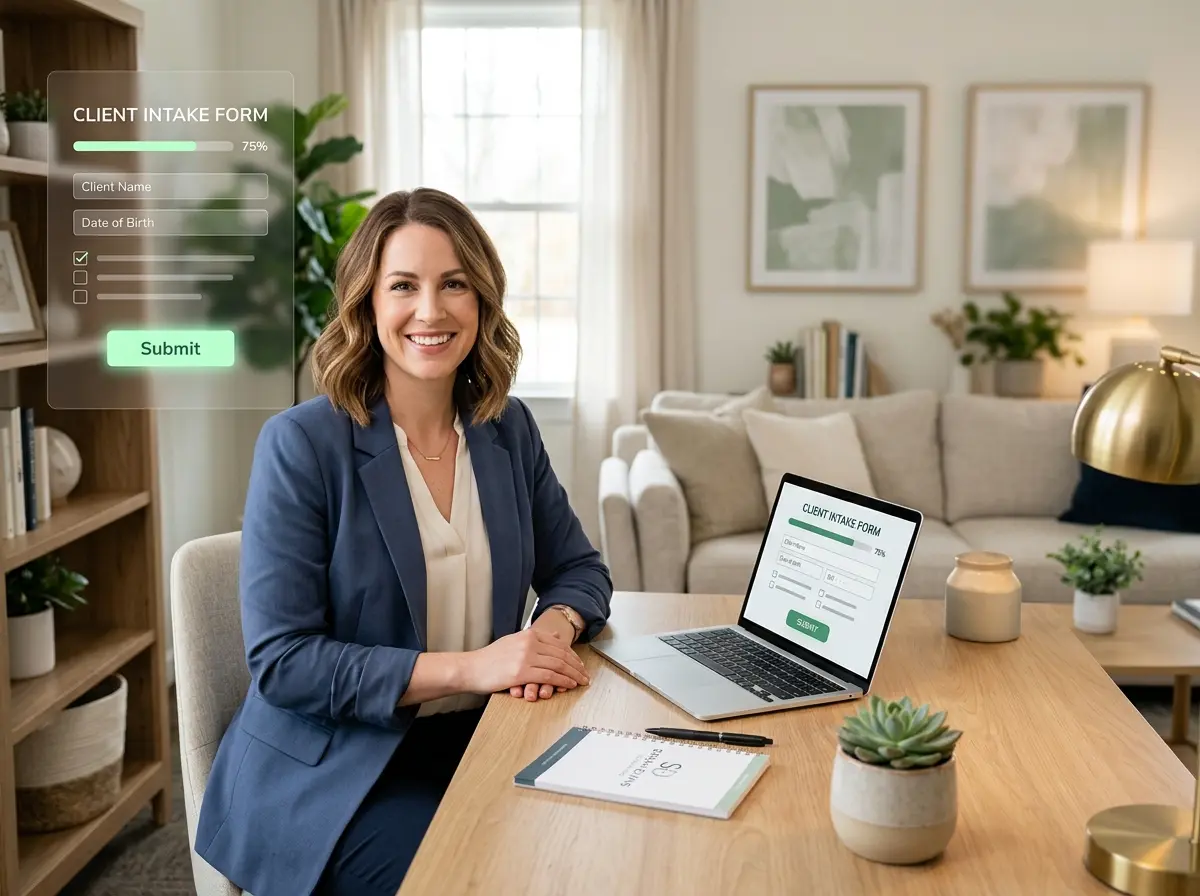
This isn't a clunky phone tree or a cold chatbot asking "Please state your inquiry." Stella's conversational intake forms feel like a real exchange, not an interrogation. By the time the call ends, your CRM has a complete, AI-generated lead profile ready for your coordinator to review — with tags, notes, and a summary that makes follow-up fast and personal. She also handles calls during business hours when your staff is occupied, ensuring no inquiry ever lands in a voicemail black hole.
Building an AI-Assisted Inquiry Workflow That Actually Converts
Map Out What You Need to Know Before the Tour
The first step in designing an effective AI-assisted qualification process is simply getting clear on what information your team actually needs before a tour is worth scheduling. For most wedding venues, this includes the event date or date range, estimated guest count, type of event (ceremony only, reception only, or both), catering preferences (in-house vs. external), approximate budget, and how they heard about you. These aren't intrusive questions — couples expect to answer them. The problem is that most venues ask these questions after the tour, or not at all, which is exactly backwards.
Once you've defined your qualification criteria, you can configure your AI to gather this information conversationally during the first point of contact — whether that's a phone call, a web chat, or even a kiosk interaction at a bridal show. The key is capturing it before your human team invests significant time in the relationship.
Use AI Insights to Prioritize and Personalize Follow-Up
One of the underrated benefits of AI-assisted intake is the data it generates over time. When every inquiry is logged with consistent fields and tags, you start to see patterns: Which channels bring in the most qualified leads? Which dates fill up fastest? Which package tiers generate the most interest? That's not just operational data — it's your marketing strategy, right there in your CRM.
Armed with a complete AI-generated lead profile, your coordinator can walk into every follow-up call already knowing the couple's story. They can reference the details from the initial inquiry, make personalized recommendations, and skip the awkward "so tell me about your vision" cold open. That level of preparation signals professionalism and attentiveness — which, in the wedding industry, is essentially your product.
Set Clear Handoff Points Between AI and Human Staff
The most effective AI-assisted workflows aren't fully automated — they're strategically automated. Define exactly when AI handles the conversation and when a human takes over. For most venues, AI is ideal for the first touch: after-hours inquiries, initial qualification, answering FAQ-level questions about capacity, parking, vendor policies, and pricing tiers. Once a lead is qualified and a tour is on the calendar, your human coordinator owns the relationship completely.
This handoff should feel seamless to the couple. They should never feel like they're being passed off — they should simply feel like they're moving forward. The AI captures the details; your team delivers the experience. That's the division of labor that actually scales.
Quick Reminder About Stella
Stella is an AI robot employee and phone receptionist that answers calls 24/7, qualifies leads through conversational intake forms, and keeps your CRM organized — all for $99/month with no upfront hardware costs. For venues with a physical showroom or event space, she also operates as an in-person kiosk that greets walk-ins and answers questions naturally. She's always on, always professional, and never calls in sick the week of a bridal show.
Conclusion: Stop Making Couples Wait for You
The wedding industry runs on trust, emotion, and timing. Couples are choosing a venue that will hold one of the most important days of their lives — and they're making that choice fast, based largely on who made them feel seen and excited first. If your inquiry process is slow, inconsistent, or manually dependent on a coordinator who is (quite reasonably) unavailable at 11 PM on a Tuesday, you are losing bookings that should be yours.
Here's what to do starting this week. First, audit your current inquiry response time — be honest with yourself about how long it actually takes. Second, define your lead qualification criteria: what does your team need to know before a tour is worth scheduling? Third, explore AI tools that can handle your first-touch conversations and capture that information automatically. And finally, design a clear handoff process so your human team steps in at exactly the right moment — informed, prepared, and ready to close.
The couples are out there, searching right now. The only question is whether your venue is the one that responds first, asks the right questions, and earns the tour. With the right AI workflow in place, the answer can consistently be yes — even when your team is asleep.