Still Selling Treatments One at a Time? Let's Fix That.
Picture this: a new client walks into your med spa with stubborn hyperpigmentation, uneven texture, and the kind of under-eye circles that no amount of sleep seems to fix. She's done her research, she's ready to invest in herself, and she sits down across from your front desk — only to be handed a menu that lists 47 individual treatments with clinical-sounding names and prices that don't connect to any actual outcome she cares about.
She came in wanting to look like herself again, but your menu is making her feel like she's ordering off a medical supply catalog.
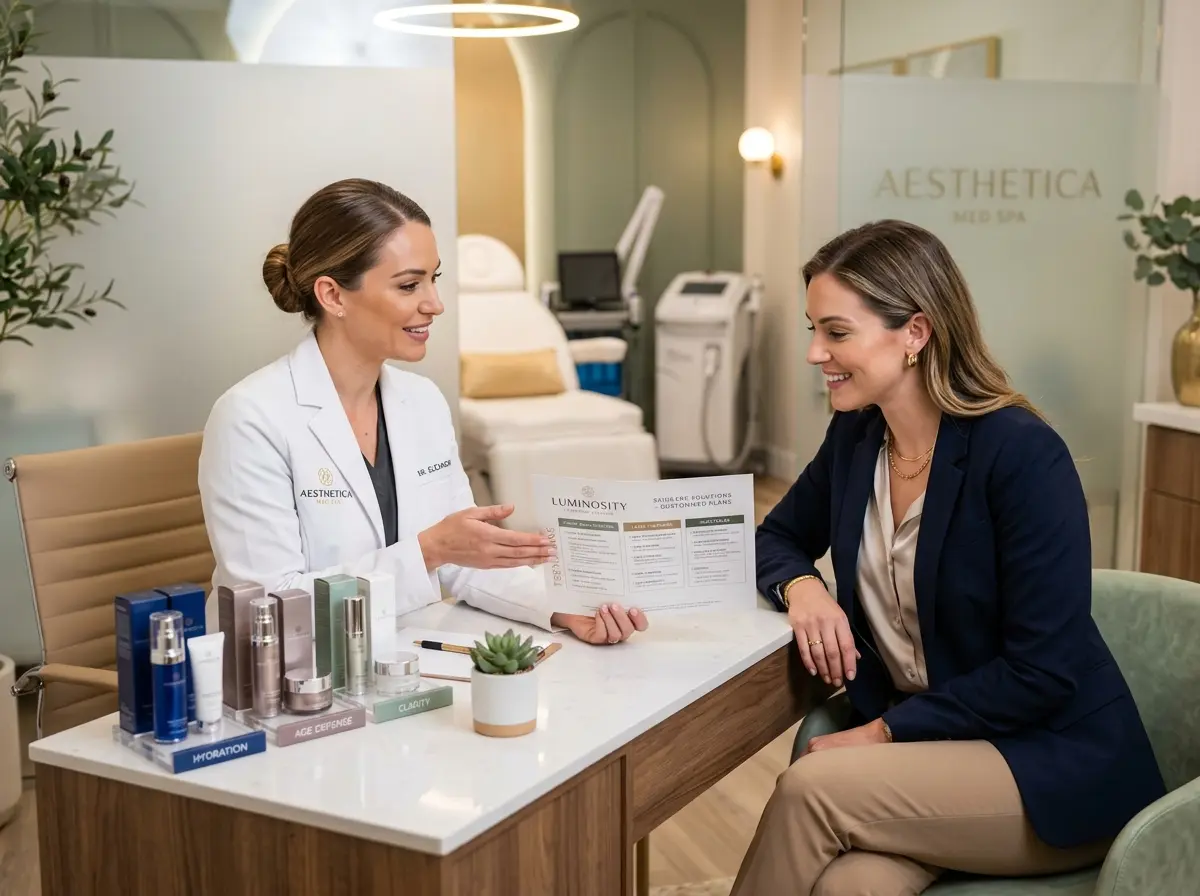
This is one of the most common (and quietly costly) mistakes med spas make: presenting services as a list of procedures rather than solutions to real problems. Condition-specific service packages flip that script entirely. Instead of asking clients to figure out which treatments they need, you do the thinking for them — and in the process, you increase average ticket size, improve treatment outcomes, and build the kind of client loyalty that doesn't depend on Groupon.
The Case for Condition-Specific Packaging
Your Clients Don't Think in Treatments — They Think in Problems
Nobody wakes up thinking, "I'd really love a series of fractional laser sessions today." They wake up thinking, "I hate this acne scarring," or "My skin looks so tired," or "What happened to my jawline?" When your menu is organized around procedures rather than problems, you're forcing clients to do a translation job they're not equipped for. Most won't bother — they'll either choose the cheapest thing on the list, the one they've heard of before, or they'll leave to find a spa that makes it easier.
Condition-specific packages remove that friction. A package titled "Acne + Post-Breakout Recovery" that bundles a salicylic peel, LED therapy, and a targeted facial immediately communicates value and relevance. The client doesn't need a degree in aesthetics to understand what she's getting — she just needs to recognize her own face in your description.
Packages Drive Better Clinical Results (And Better Reviews)
There's also a straightforward clinical argument here. Most skin conditions — melasma, rosacea, laxity, acne scarring — don't respond to single-treatment protocols. They respond to consistent, multi-modal approaches delivered over time. When you sell individual treatments à la carte, clients often stop after one or two sessions because they don't see dramatic results yet. Then they tell their friends it didn't work. Then you quietly lose a client and a referral.
Packaging treatments into a structured protocol sets realistic expectations, keeps clients committed through the full course of care, and produces the kind of visible results that generate genuine five-star reviews. You're not just selling more — you're actually delivering more.
The Revenue Math Is Hard to Argue With
Let's be direct: bundling works. Research consistently shows that package-based pricing increases average transaction value, reduces price sensitivity, and improves retention. When a client purchases a three-month skin renewal package upfront, she's committed. She shows up for her appointments. She's invested in the outcome. Compare that to the à la carte client who books a facial when she remembers to and cancels half the time because something came up.
A well-designed condition-specific package priced at $800–$1,200 is far more valuable to your business than four separate $150 treatments that may or may not get booked. The math practically sells itself.
How to Build Packages That Actually Sell
Start With Your Most Common Concerns
You don't need to build 20 packages on day one. Start by identifying the top five or six skin concerns your clients come in with most frequently. For most med spas, that list looks something like: acne and breakout control, hyperpigmentation and sun damage, anti-aging and skin laxity, redness and rosacea, rough texture and dullness, and under-eye concerns. Build one well-considered package for each, and you'll already have a far more intuitive menu than most of your competitors.
Each package should include a clear name that references the condition (not the treatment), a plain-language description of the problem it solves, a curated set of complementary treatments, a defined timeline, and a package price that reflects a modest savings over à la carte — enough to feel like a deal, not enough to undercut your value.
Let Stella Do the Explaining
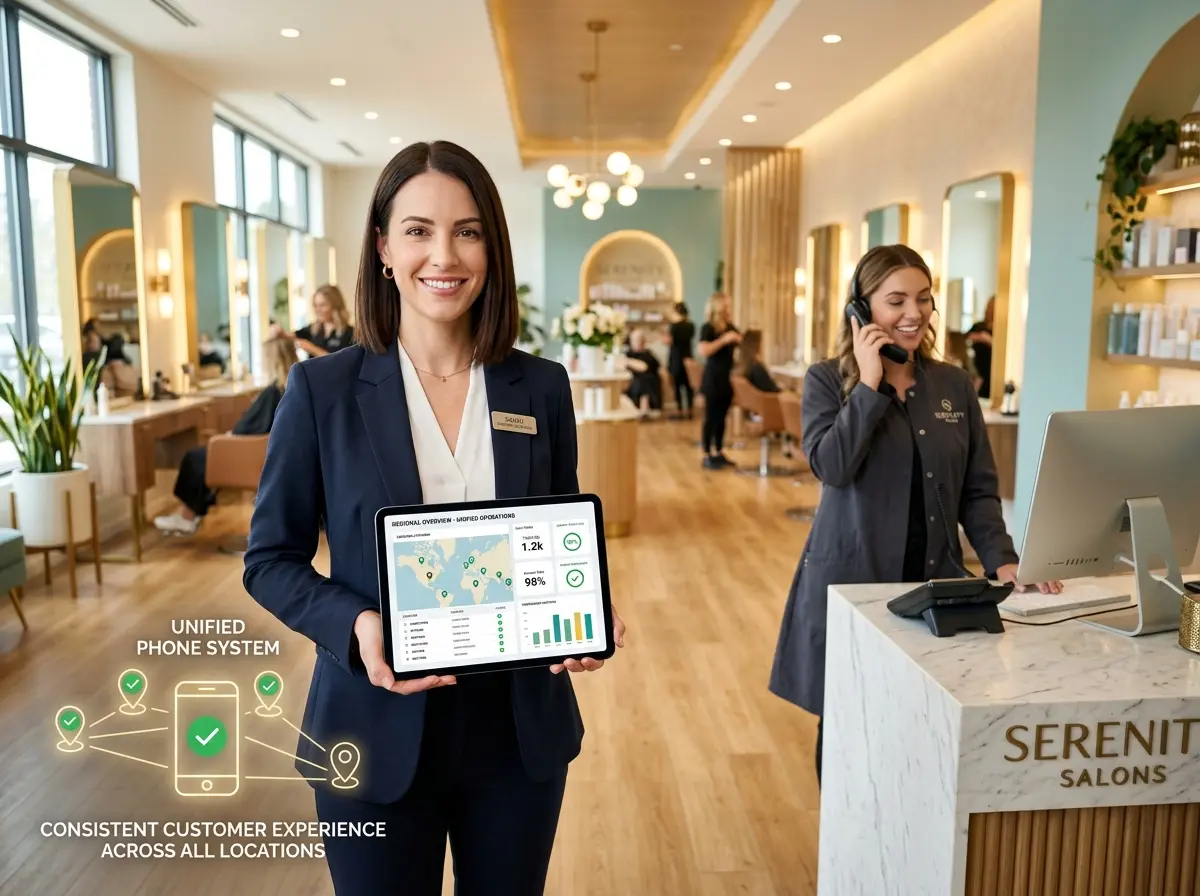
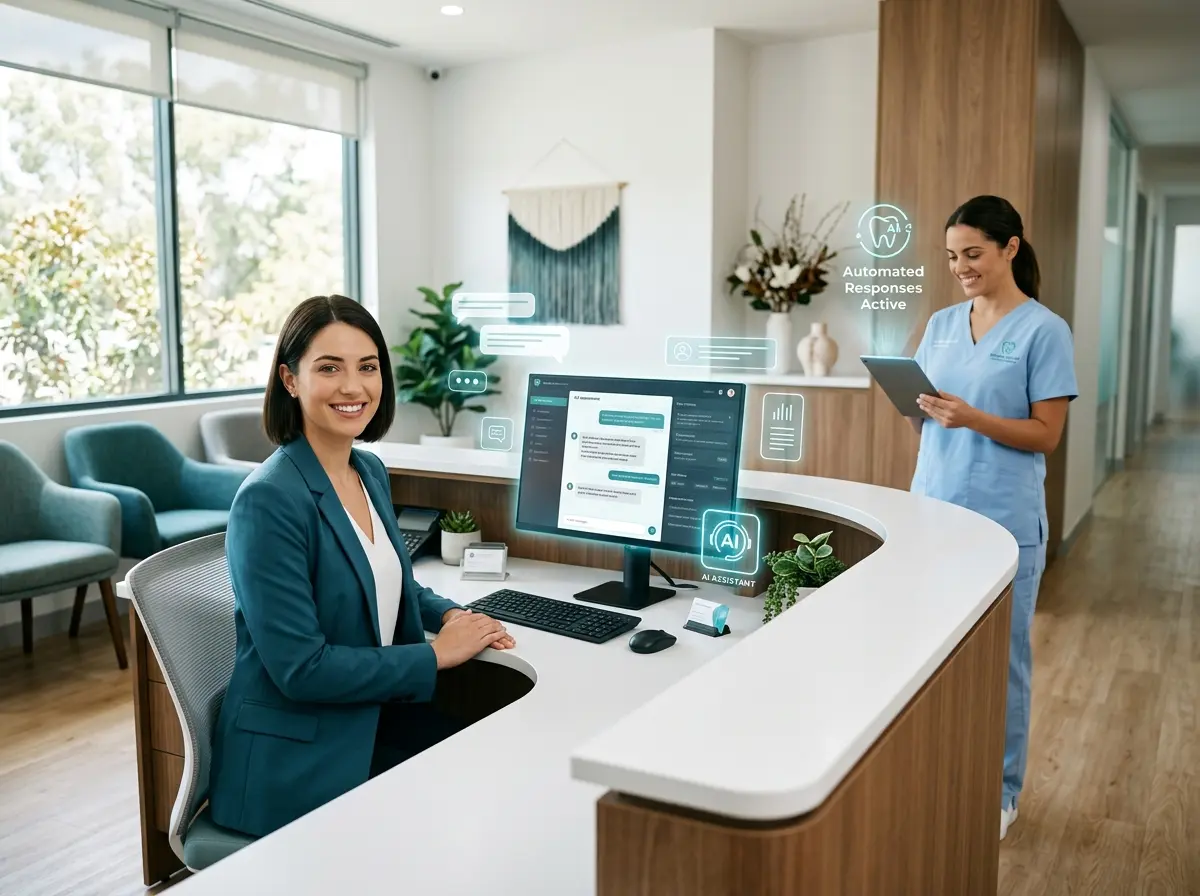
Here's where smart technology actually earns its keep. Once you've built your condition-specific packages, you need every client touchpoint to consistently communicate them — and that includes your front desk, your phone line, and your walk-in traffic. Stella, the AI robot employee and phone receptionist, is built exactly for this. As an in-store kiosk, she greets every person who walks in and can immediately begin a conversation about what brings them in, guiding them toward the right package based on their concern. On the phone, she answers 24/7 with the same knowledge your best-trained staff member would have, describing packages, answering questions, and even collecting intake information before the client ever sets foot in your spa. She never forgets to mention your current promotions, and she never has an off day.
Presenting and Pricing Your Packages for Maximum Buy-In
Name Them Like a Human Being, Not a Textbook
This sounds obvious, but the number of med spas selling packages with names like "Protocol B: IPL + Microneedling Series" is staggering. Your clients are not medical residents. They don't need to know the technical name of every device involved — they need to feel understood. "Clear Skin Reset: 8-Week Acne Control Program" will outsell "Protocol B" every single time. Lead with the outcome, follow with the details.
Similarly, your package descriptions should speak to the emotional experience of the problem, not just its clinical presentation. "Designed for skin that's been through it — breakouts, post-acne marks, and everything in between" will resonate far more than a bulleted list of active ingredients. You can include the clinical details further down for the clients who want them, but lead with empathy.
Train Your Team to Recommend, Not Just Describe
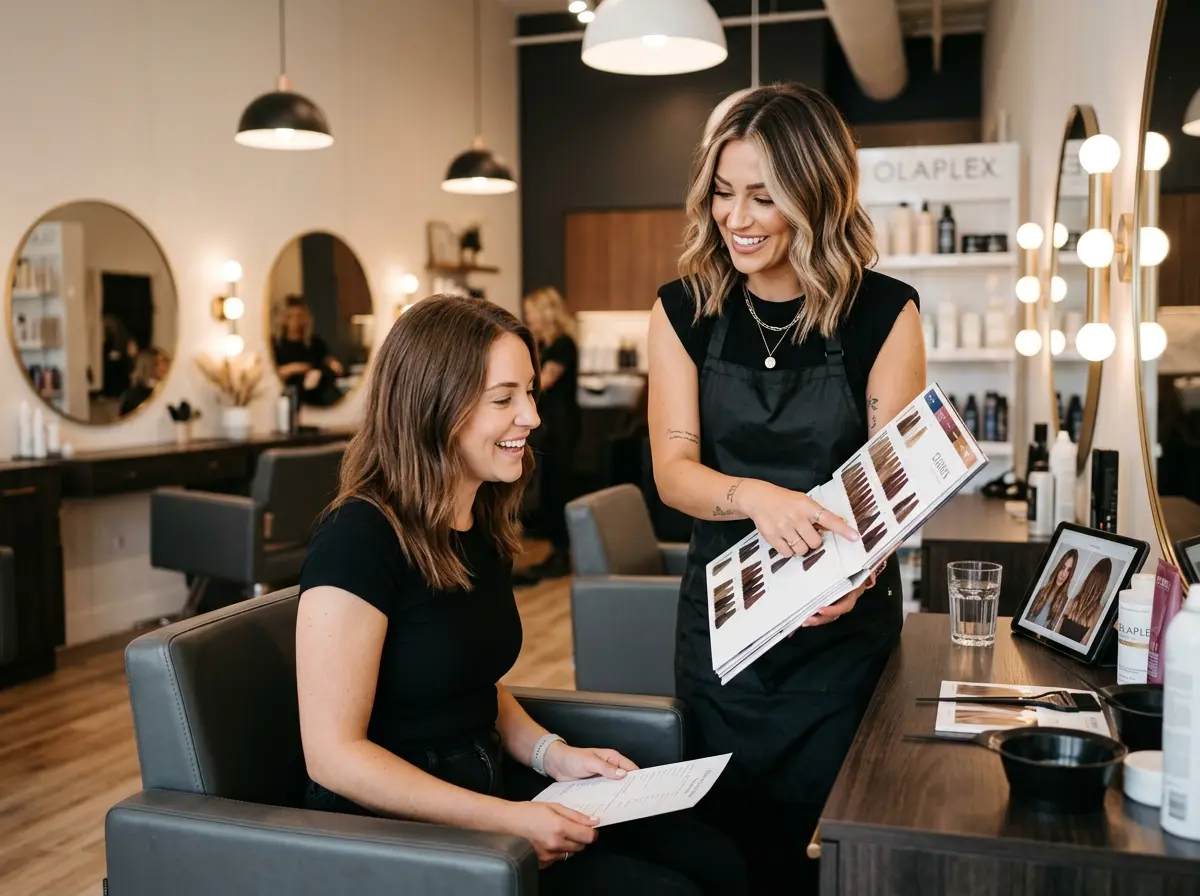
The final piece of the puzzle is staff alignment. Your estheticians and front desk team need to be fluent in condition-based conversations, not just treatment descriptions. The shift is subtle but powerful: instead of saying, "We offer microneedling, chemical peels, and LED therapy," your team should be saying, "Based on what you're describing, our Texture and Tone Reset package is exactly what we'd recommend — here's why."
This positions your staff as trusted advisors rather than order-takers, which is the kind of relationship that builds long-term clientele. Role-play the conversations. Script the transitions. Make it second nature, and your conversion rate will reflect it.
A Quick Reminder About Stella
Stella is an AI robot employee and phone receptionist that works in-store as a friendly kiosk and answers calls around the clock — bringing consistent, knowledgeable, professional communication to every client interaction without breaks, bad days, or turnover. She's available for just $99/month with no upfront hardware costs, making her one of the most cost-effective team members you'll ever add. For a med spa introducing new condition-specific packages, she's a natural fit for communicating those offerings at scale.
Time to Retire the Procedure Menu
The individual treatment menu had a good run, but it's holding your med spa back — from higher revenue, better outcomes, and the kind of client relationships that actually sustain a business long-term. Condition-specific packages are not a gimmick. They're a structural shift in how you present your expertise, and they work because they meet clients where they actually are: confused, hopeful, and looking for someone to tell them what they need.
Here's what to do this week: pull your booking data and identify your top five most-requested concerns. Sketch out a package for each one — a name, a brief description, three to four complementary treatments, a timeline, and a price. Share the drafts with your lead esthetician and your front desk manager. Get their input, refine the language, and build a simple one-page package guide before your next team meeting.
You don't have to overhaul everything overnight. But the sooner your menu starts speaking your clients' language, the sooner your revenue will start reflecting it.