Your Phone Is Ringing — And You're Losing Patients Because of It
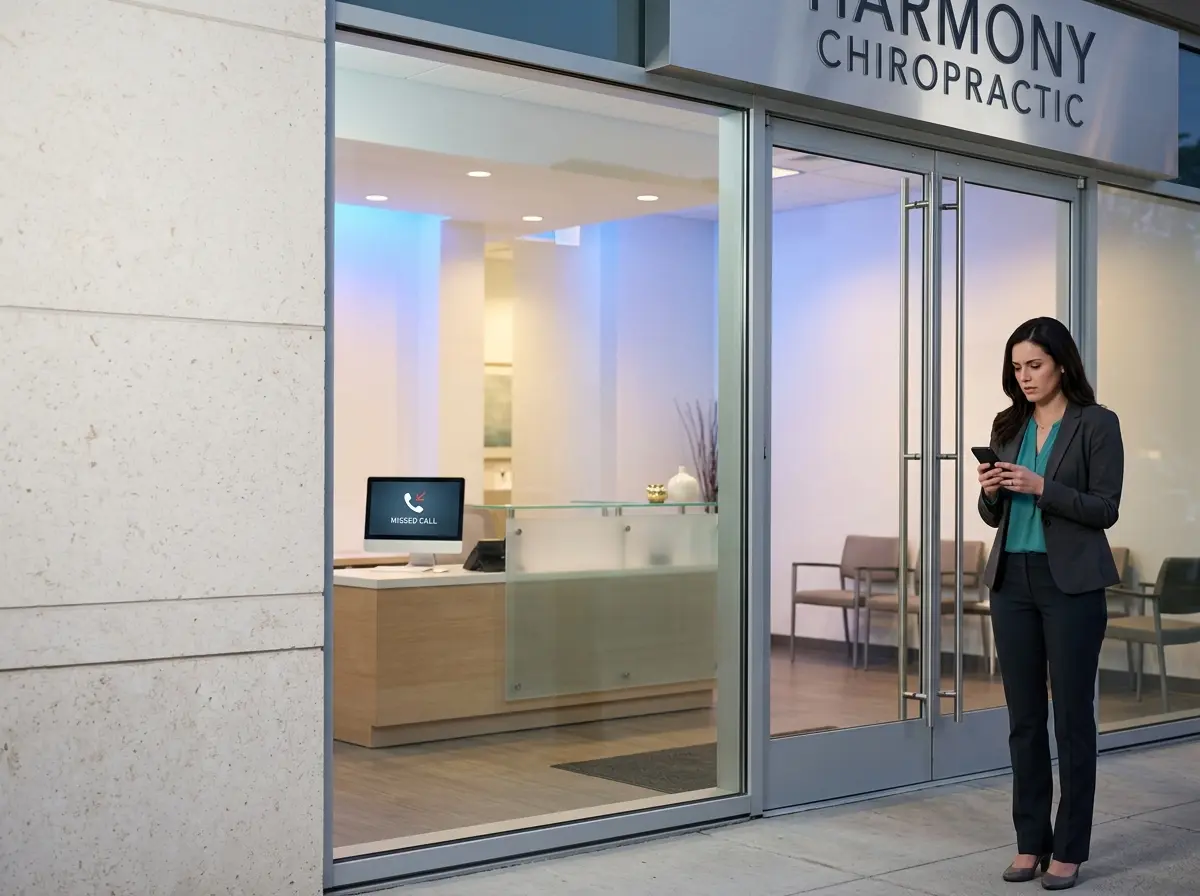
Let's paint a familiar picture: a potential new patient Googles your medical practice, finds your number, and calls to schedule an appointment. The phone rings. And rings. And rings some more. Eventually, they hang up and call the next practice on the list. Congratulations — you just lost a patient before they ever walked through your door.
If you're running a medical practice without a dedicated phone line for new patient inquiries, this scenario isn't hypothetical. It's Tuesday. And Wednesday. And pretty much every other day of the week.
The good news? This is an entirely solvable problem. A dedicated new patient line — one that's answered promptly, professionally, and with purpose — can be the difference between a thriving practice and one that wonders why the waiting room feels emptier than it should. Let's break down why this matters so much, and how to actually do something about it.
The Hidden Cost of a Shared Phone Line
Your Front Desk Is Already Overwhelmed
Medical receptionists are, to put it mildly, doing a lot. They're checking patients in, verifying insurance, handling billing questions, fielding prescription refill requests, managing scheduling conflicts, and trying to remember where they put that one chart from earlier. Asking them to also enthusiastically and attentively handle new patient inquiries on the same line is a bit like asking someone to perform surgery while simultaneously filing their taxes.
When a potential new patient calls and gets a distracted, rushed, or — worst of all — slightly annoyed front desk staff member, the impression it creates is lasting. Research consistently shows that the first point of contact is one of the most significant factors in whether a patient chooses a healthcare provider. A fumbled phone call doesn't just lose that one patient — it loses every referral they might have sent your way.
New Patients Deserve a Different Conversation
Think about what a new patient inquiry actually requires. It's not just scheduling a time slot. It involves gathering insurance information, explaining what to expect at a first visit, addressing concerns or anxiety about a new provider, confirming what paperwork needs to be completed in advance, and making the caller feel genuinely welcomed. That's a nuanced, relationship-building conversation — not a quick 45-second task you squeeze in between checking someone in and answering a billing question.
Existing patients calling for routine matters can tolerate a brief hold. A new patient calling for the very first time absolutely should not be placed on hold while your receptionist deals with something else. The moment that hold music kicks in, their patience — and their interest — starts to evaporate.
The Numbers Don't Lie
Studies in healthcare marketing suggest that up to 67% of potential patients will not leave a voicemail and will simply move on to a competitor if their call isn't answered promptly. Furthermore, practices that respond to new patient inquiries within minutes — rather than hours — see dramatically higher conversion rates from "interested caller" to "scheduled appointment." A dedicated line, staffed or automated specifically for new patients, ensures these callers get the immediate, attentive response they're looking for rather than falling into a black hole of general hold queue purgatory.
How Stella Can Help You Never Miss a New Patient Again
AI-Powered Intake That Works Around the Clock
This is exactly where Stella, an AI robot employee and phone receptionist, becomes genuinely valuable for medical practices. Stella answers phone calls 24/7 — not just during business hours, not just when your receptionist isn't on another line, but always. She can handle new patient inquiries with the same warm, knowledgeable tone every single time, collect intake information through conversational forms during the call, and ensure that every lead is captured rather than lost to voicemail limbo.
Stella also comes with a built-in CRM that automatically generates patient profiles, stores collected intake information with custom fields and tags, and sends managers push notifications with AI-generated summaries of calls. So even if a new patient calls at 10pm on a Sunday, their information is organized and ready for your team Monday morning — no missed opportunities, no frantic callback scrambling. For practices with a physical location, she also stands as an in-person kiosk, greeting walk-in inquiries with the same professionalism she brings to the phone.
Setting Up a Dedicated New Patient Line the Right Way
Choose the Right Number and Routing Strategy
Setting up a dedicated new patient line doesn't require a massive infrastructure overhaul. A separate phone number — whether a new local number or a toll-free option — can be routed intelligently based on the needs of your practice. The key decisions you'll need to make include when calls should be forwarded to a live staff member versus handled by an automated system, what information needs to be collected before a human gets involved, and what hours you realistically want to staff versus automate.
For practices with a smaller administrative team, leaning heavily on automation for after-hours calls (and even during-hours overflow) is not just acceptable — it's smart. Patients don't actually mind speaking with a well-designed AI system as long as it's responsive, knowledgeable, and doesn't make them feel like they're talking to a 1990s phone tree. The bar is "helpful," not "human."
Craft Your New Patient Experience Intentionally
Once the line exists, treat the new patient call flow as a product in itself. Map out exactly what the experience should feel like from the moment someone dials to the moment they hang up with a confirmed appointment. Consider the following as non-negotiables for your new patient line experience:
- A warm, professional greeting that immediately signals this call is expected and welcomed.
- Quick confirmation of insurance acceptance — this is often the first anxiety a new patient has, and addressing it early builds trust.
- Clear next steps — what forms to complete, where to go, what to bring, and what to expect.
- An opportunity to ask questions without feeling rushed.
- A confirmed appointment time before the call ends — not a callback promise, an actual scheduled slot.
Promote the Number Strategically
A dedicated new patient line only works if new patients know to use it. Once you've set up the line, make sure it appears prominently on your website's homepage, on Google Business Profile, across all social media profiles, and in any advertising you run. Consider labeling it clearly — something like "New Patients: Call This Number" removes all ambiguity. You'd be surprised how many practices set up a great system and then bury the number in the footer of their website where only the most determined searchers will ever find it.
It's also worth tracking where your new patient calls are coming from. If your Google listing drives most of your inbound calls but your website converts better, that's valuable information that should shape where you invest your marketing budget. A dedicated line makes this kind of attribution far simpler than trying to untangle it from a general practice number.
Quick Reminder About Stella
Stella is an AI robot employee and phone receptionist built for businesses of all sizes, including medical practices looking to modernize how they handle patient communication. She answers calls 24/7, collects intake information, manages contacts through a built-in CRM, and keeps your team informed with smart notifications — all for $99/month with no upfront hardware costs. For practices with a physical office, she's also available as an in-store kiosk that greets and engages patients in person.
Stop Letting New Patients Slip Through the Cracks
The path forward here isn't complicated, but it does require intention. Start by auditing your current phone setup — how many new patient calls go unanswered, get placed on hold, or receive a less-than-ideal first impression? Even a rough estimate will likely be enough to motivate action.
From there, the steps are straightforward. Set up a dedicated number specifically for new patient inquiries. Design the call experience with care — script the greeting, define the intake questions, and establish clear routing rules. Automate where it makes sense, especially for after-hours coverage. Promote the number wherever potential patients are likely to find you. And then actually measure the results — track call volume, conversion rates from call to appointment, and where those callers are coming from.
Your medical practice likely offers excellent care. Don't let a preventable communication gap be the reason patients never get to experience it. The phone is still one of the most important touchpoints in healthcare — treat it like it matters, because for your new patients, it absolutely does.