So, Your Loyalty Program Isn't Doing Much Loyalty-ing
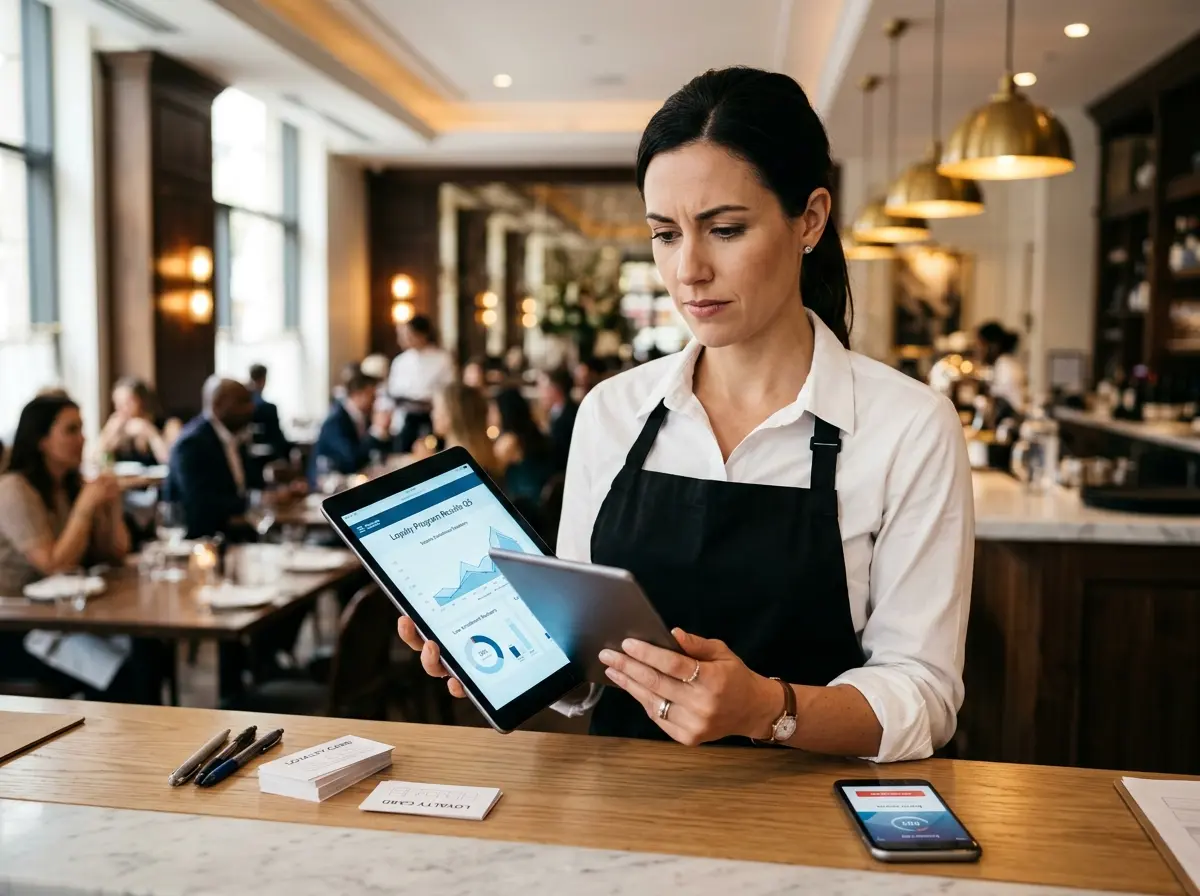
You launched it with the best of intentions. A punch card. Maybe a slick app. Perhaps a points system that took your accountant three hours to explain to you. Customers were going to come back in droves, arms outstretched, wallets open, singing your praises to everyone they knew. Instead, you've got a drawer full of half-stamped punch cards, a loyalty app with a 2.1-star review, and a customer retention rate that's about as inspiring as week-old bread.
You're not alone. Studies suggest that while over 90% of companies have some form of loyalty program, fewer than half of enrolled customers are actually active participants. The brutal truth? Most restaurant loyalty programs are solving the wrong problem. They focus on rewarding repeat behavior instead of building the relationship that makes customers want to repeat in the first place. This post is about fixing that — with practical, honest strategies that actually work in the real world.
Why Most Loyalty Programs Fall Flat
They Reward Transactions, Not Relationships
The classic points-per-dollar model treats your customers like walking receipts. Spend money, earn points, spend more money, earn more points — it's a transactional loop that has nothing to do with whether someone actually likes your restaurant. When your loyalty program's entire value proposition is "come back so you can eventually get a free appetizer," you're not building loyalty. You're bribing compliance. And the moment a competitor offers a slightly better bribe, your "loyal" customers are gone faster than the last table on a Friday night.
Genuine loyalty is emotional. It's the feeling a customer gets when your staff remembers their name, when they're made to feel like a regular rather than a transaction, when their experience is consistently excellent. No punch card replicates that. The data backs this up — research from Harvard Business Review found that emotionally connected customers are more than twice as valuable as highly satisfied ones. Satisfaction is the floor, not the ceiling.
The Redemption Process Is a Nightmare
If your customers need to download an app, create an account, remember a password, scan a QR code, and then wait for points to process before they can redeem a reward — congratulations, you've built a loyalty program that requires more effort than the reward is worth. Friction is the enemy of engagement. Every extra step between your customer and their reward is another opportunity for them to say "forget it" and never think about your program again.
Simplicity wins. The best loyalty mechanisms are nearly invisible — they work in the background without demanding much from the customer at all. If you're going to ask customers to do something, make it genuinely easy, and make the payoff feel immediate and meaningful, not like they're redeeming frequent flyer miles for a middle seat.
They're Generic When They Should Be Personal
Sending every customer the same birthday discount email is sweet, but it's also the bare minimum. Customers today expect personalization, and in the restaurant industry, that means knowing that Table 4's regular orders the same pasta dish every Tuesday, or that your Thursday lunch crowd cares more about speed than ambiance. Generic promotions feel like junk mail with your logo on it. Personalized communication — even something as simple as "We noticed you love our weekend brunch specials, so here's something just for you" — feels like you're actually paying attention.
The good news is that building this kind of personalized relationship doesn't require a dedicated data science team. It requires consistent, thoughtful collection of customer information and the discipline to actually use it.
Smarter Tools for Smarter Engagement
How Stella Can Help You Know Your Customers Better
One often-overlooked piece of the loyalty puzzle is the quality of your customer interactions — both in person and over the phone. Stella, the AI robot employee and phone receptionist, helps restaurants engage customers more meaningfully from the very first touchpoint. In-store, she greets every customer who walks by, answers questions about your menu and specials, and proactively promotes current deals — consistently, without distraction, and without needing a break. That kind of reliable, warm engagement is itself a form of loyalty-building.
On the phone side, Stella answers calls 24/7 and collects customer information through conversational intake forms — turning routine calls into valuable data points. Her built-in CRM stores contact details, tags, notes, and AI-generated customer profiles, so you can start to understand your customers well enough to actually personalize your outreach. If you've been wondering why your loyalty program feels generic, it's probably because you don't have enough reliable information about your customers. Stella helps fix that quietly in the background.
What to Do Instead: Building Real Loyalty
Shift From Points to Perks That Feel Exclusive
Instead of making customers earn their way to a free side dish, consider what would make them feel genuinely valued. Exclusive access tends to outperform discount-based rewards because it signals status rather than just savings. Think about things like: early access to new menu items, an invite to a private tasting event, a "regular's table" that can be reserved without the usual wait, or a text message when their favorite seasonal dish is back. These perks cost you relatively little but communicate something powerful — that this customer matters more than an average walk-in.
Chipotle's loyalty program is a useful benchmark here. They've moved beyond simple points toward gamified bonus challenges and surprise rewards, and their active loyalty membership has grown into the tens of millions. The lesson isn't to copy Chipotle — it's to understand that novelty, surprise, and exclusivity beat predictable discounts almost every time.
Invest in the Experience Before the Reward
Here's a counterintuitive idea: your best loyalty strategy might have nothing to do with your loyalty program. If your food is inconsistent, your service is slow, or your restaurant feels like a waiting room with ambient music, no reward system in the world will compensate for that. Customers return because they want to relive a great experience — not because they're 40 points away from a free dessert.
Before tweaking your rewards structure, audit the experience itself. Are your staff engaging, or just transactional? Is your ambiance memorable? Does every visit feel reliably good, or is quality a coin flip? Loyalty programs work best as amplifiers of an already-good experience, not as substitutes for one. Fix the foundation first, then layer the incentives on top.
Use Data to Close the Loop
Effective loyalty programs don't just reward customers — they teach you about them. Every redemption, every visit frequency pattern, every item preference is a signal. The restaurants that win long-term are the ones that treat this data as a strategic asset. Which menu items are your most loyal customers ordering? What's the average visit gap before a customer goes quiet? At what point does a lapsed customer respond to a "we miss you" message?
Once you start asking these questions — and actually tracking the answers — your loyalty program stops being a marketing gimmick and starts being a genuine customer intelligence system. Even modest improvements in retention have outsized revenue impact: research from Bain & Company has shown that a 5% increase in customer retention can increase profits by 25% to 95%. That's not a rounding error. That's the difference between a struggling restaurant and a thriving one.
Quick Reminder About Stella
Stella is an AI robot employee and phone receptionist built for businesses like yours — she works the floor as a friendly, knowledgeable kiosk presence and answers your phones 24/7 with the same warmth and business intelligence. At just $99/month with no upfront hardware costs, she's one of the more practical investments a restaurant owner can make in consistent customer engagement and operational efficiency.
The Bottom Line: Loyalty Is Earned, Not Programmed
If your loyalty program isn't working, the answer usually isn't a new app or a better points multiplier. It's a more honest look at what your customers actually experience — and whether that experience is worth coming back for. Start there. Make the experience genuinely excellent, make your rewards feel personal and exclusive rather than transactional and generic, and use every customer interaction as an opportunity to learn something useful.
Here's your action plan to get started:
- Audit your current experience — honestly and ideally through the eyes of a first-time visitor.
- Simplify your loyalty mechanism — if it takes more than 30 seconds to explain, it's too complicated.
- Collect better customer data — use every touchpoint, in-store and over the phone, to build meaningful profiles.
- Replace generic discounts with exclusive perks — think access and recognition, not just savings.
- Close the loop with your data — track patterns, act on what you learn, and personalize your outreach accordingly.
Loyalty isn't something you program into a customer with enough stamp cards. It's something you earn, visit by visit, interaction by interaction. The restaurants that understand that — and build their operations around it — are the ones with lines out the door and five-star reviews that mention the staff by name. That's the goal. Everything else is just a punch card.