Introduction: The Return of the Returns (Whether You Like It or Not)
Every fashion boutique owner knows the feeling. A customer walks in clutching a bag with that particular look on their face — not the excited "I'm here to shop!" look, but the slightly apologetic, slightly determined "I need to return this" look. Returns and exchanges are the uninvited guests of retail: they show up regularly, they require your attention, and ignoring them only makes things worse.
Here's the reality: the average return rate for clothing purchased in-store hovers around 20–30%, and for online fashion purchases, it can climb as high as 40%. That's not a niche problem — that's a defining operational challenge for boutique owners everywhere. And yet, so many small boutiques are still managing returns on sticky notes, in spreadsheets that haven't been touched since 2019, or through a system best described as "just kind of vibes."
The good news? A well-structured inventory management process for returns and exchanges doesn't just reduce headaches — it protects your margins, keeps customers happy, and gives you data that actually helps you make smarter buying decisions. This guide will walk you through how to do it properly, so you can stop dreading the return bag and start seeing it as the business intelligence opportunity it truly is.
Building a Returns-Ready Inventory System
Setting Up a Clear Returns Workflow
The foundation of managing returns well is having a defined process that your entire team follows without exception. This means every returned item should go through the same steps: condition check, reason for return logging, system update, and physical staging. Skipping any of these steps is how phantom inventory happens — items that exist in your system but aren't actually on the floor, or worse, items that get put back on the rack without being inspected first. (Your customers will notice. They always notice.)
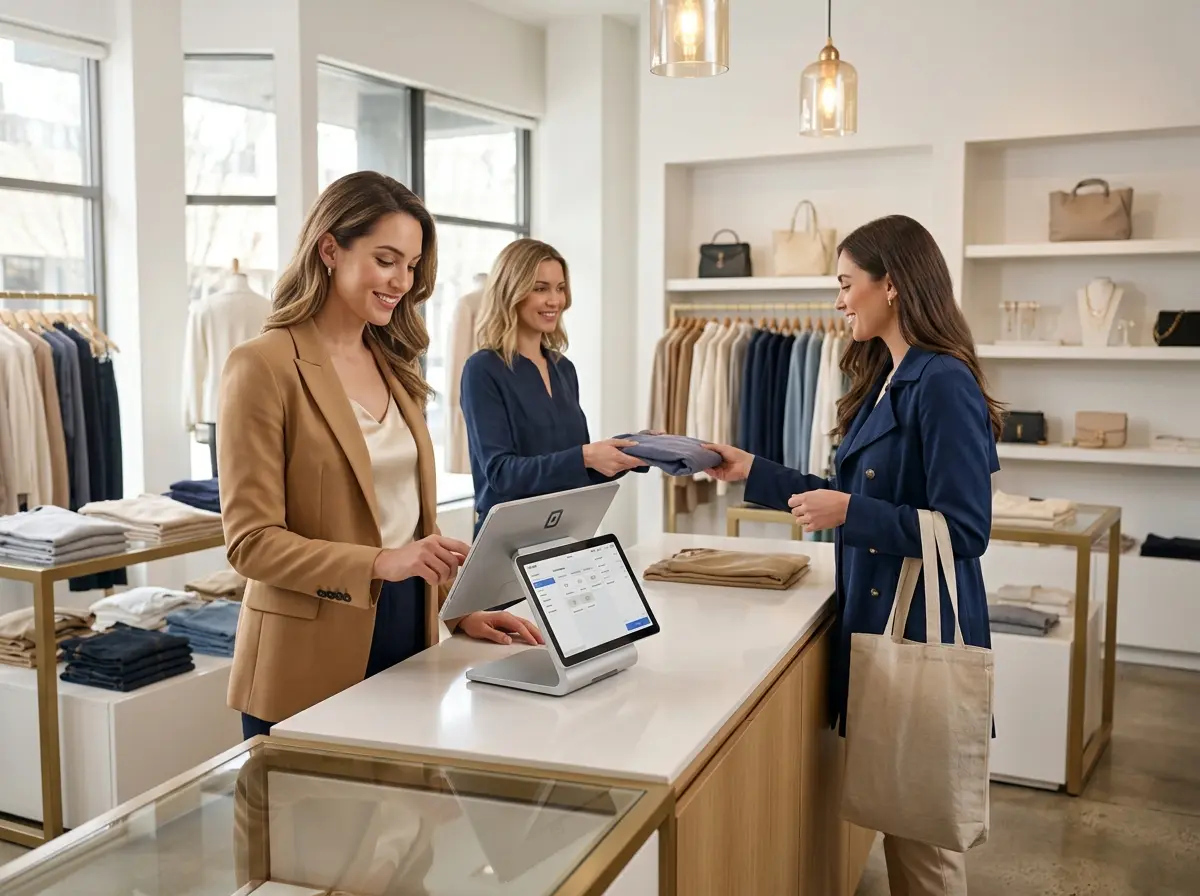
Start by designating a specific returns station in your boutique — a counter space or back-room area where all returned and exchanged items are processed before they touch your main inventory again. This isn't just about organization; it's about creating a physical workflow that enforces discipline. When there's a dedicated spot, items don't disappear into the stockroom abyss.
Train your staff to log the reason for every return, not just process the transaction. Whether it's a sizing issue, a defect, a change of mind, or buyer's remorse after seeing a better price online — that information is gold. Over time, patterns in your return reasons will tell you which vendors have quality control issues, which items are being sized inconsistently, and which product descriptions on your website might need a rewrite.
Integrating Returns Directly Into Your Inventory Software
If your inventory system isn't automatically updated the moment a return is processed, you're flying blind. Modern point-of-sale and inventory management platforms — whether you're using Shopify, Lightspeed, Square for Retail, or a boutique-specific system — should be configured so that returns trigger an immediate inventory update. This means the item re-enters your stock count right away, tagged with its condition status (resellable, damaged, needs alteration, return to vendor).
Using condition tags or custom status labels is particularly important for fashion boutiques, where a blouse that came back with a missing button needs a different workflow than one that's in perfect condition. Some platforms allow you to create separate inventory "bins" or locations for items in different states. Use them. The time you spend setting this up once will save you from the quarterly chaos of reconciling what's actually in your store versus what your system thinks is there.
Handling Exchanges Without Losing Your Mind (or Your Margins)
Exchanges deserve special attention because they involve two inventory movements simultaneously — one item coming back, one going out — and they're easy to misrecord. The customer is happy, the transaction feels resolved, and it's tempting to wave it through without fully logging both sides. Resist that temptation.
For exchanges, your system should process the return and the new sale as linked transactions. This ensures your inventory reflects both changes and gives you accurate revenue data. If a customer exchanges a size 6 dress for a size 8, that's not a neutral event for your inventory — you now have one more size 6 (possibly returnable to stock) and one fewer size 8. If you're not capturing that precisely, your reorder decisions will be off, and you'll wonder why you keep running out of size 8s.
How Stella Can Help Your Boutique Run Smoother
Freeing Up Staff to Focus on Returns Processing
One underappreciated bottleneck in returns management is simply staff bandwidth. When your team is fielding questions about store hours, hunting down product information, and answering the same three questions on repeat, the returns station gets deprioritized — and that's when mistakes happen. Stella, the AI robot employee and phone receptionist, is built to take exactly that kind of repetitive work off your team's plate.
In your boutique, Stella's in-store kiosk presence means she can greet customers, answer questions about your return policy, explain your exchange process, and promote current deals — all without pulling a single staff member away from the back counter. On the phone side, she handles incoming calls 24/7, answers policy questions, and can even collect customer information through conversational intake forms. That's your team freed up to actually process returns correctly, which is where their attention should be.
Turning Return Data Into Smarter Buying Decisions
Analyzing Return Patterns by Vendor, Category, and Season
Here's where returns go from being a cost center to being a legitimate competitive advantage. If you're logging return reasons consistently (and you should be, per everything we discussed earlier), you now have a dataset that most small boutiques never bother to build. Run a monthly report on returns by vendor, by product category, and by season. What you find might surprise you.
Maybe one of your best-selling denim brands has a 35% return rate because the sizing runs small and customers aren't warned. Maybe your summer rompers come back constantly because the fabric wrinkles badly after one wash. These aren't just return problems — they're buying problems, merchandising problems, and sometimes relationship problems with vendors who aren't delivering what they promised. Your return data is your evidence, and it makes those vendor conversations a lot more productive than going in with just a gut feeling.
Using Return Insights to Improve Product Descriptions and Customer Education
A significant portion of fashion returns — particularly from online purchases — happen because the customer's expectation didn't match reality. The color looked different on screen. The fabric felt different than they imagined. The fit was nothing like the model suggested. These are problems you can actually solve with better product descriptions, more detailed size guides, and honest fabric content callouts.
When you notice that a particular item has a high return rate for a specific reason, update the product listing to address it proactively. Add a note that says "runs small — we recommend sizing up" or "fabric is more structured than it appears in photos." Yes, this feels counterintuitive — like you're talking customers out of buying. In practice, customers who buy with accurate expectations are far less likely to return the item, and far more likely to come back to a boutique they trust to be honest with them.
Establishing a Restocking and Vendor Return Protocol
Not all returned items can go back on your floor. Some need to go back to the vendor. Whether you're dealing with manufacturer defects, incorrect shipments, or items that simply didn't perform as described, having a formal vendor return protocol is essential. This means keeping records of every vendor-returnable item, tracking the return shipment, and following up on credits or replacements.
Set a regular cadence — monthly or quarterly — to review items that have been sitting in your "return to vendor" staging area. Letting these items accumulate without action is essentially letting money sit in a box in your stockroom. Many boutique owners are shocked to discover how much they're owed in vendor credits once they start tracking it systematically. It's not glamorous work, but neither is writing off inventory that didn't have to be a loss.
Quick Reminder About Stella
Stella is an AI robot employee and phone receptionist available for just $99/month — no upfront hardware costs, easy to set up, and always ready to work. She stands in your boutique greeting customers and handling questions in person, while simultaneously covering your phones around the clock so no call goes unanswered. If you're looking for a way to give your staff more room to focus on operations like returns management without sacrificing the customer experience, Stella is worth a serious look.
Conclusion: Stop Dreading Returns and Start Managing Them
Returns and exchanges are never going away — and honestly, a boutique with zero returns is probably a boutique that isn't selling enough. The goal isn't to eliminate returns; it's to manage them so efficiently that they stop costing you money and start generating insight.
Here's your action plan to get started:
- Designate a physical returns station in your boutique and make it a non-negotiable part of your workflow.
- Configure your inventory system to log returns and exchanges with condition tags and reason codes from day one.
- Train your team to capture return reasons consistently — every single time, no exceptions.
- Run monthly return reports by vendor, category, and season to identify patterns and inform your buying decisions.
- Update product descriptions based on what your return data tells you customers are misunderstanding.
- Establish a vendor return protocol and schedule regular reviews of your staging area so credits don't slip through the cracks.
Fashion retail is competitive, margins are tight, and operational discipline is one of the few things entirely within your control. A boutique that manages returns well isn't just saving money on shrinkage — it's building the kind of customer trust and internal clarity that compounds over time. That's not a small thing. That's the whole game.