Introduction: Yes, You Can Turn a Humble Pumpkin Into a Revenue Stream
Every fall, something magical happens: adults who normally show zero interest in produce will happily pay $25 for a pumpkin they could have bought at the grocery store for $6 — as long as they got to pick it themselves while wearing a flannel shirt and drinking a cup of cider. This is the pumpkin patch paradox, and it is absolutely beautiful for business.
If you run a garden center, you already have the infrastructure, the plants, the soil knowledge, and the customer base. What you may be missing is the experience architecture — the intentional design of a pumpkin patch that transforms a simple seasonal display into a profitable, buzzworthy destination. Because here's the uncomfortable truth: a pile of pumpkins in a parking lot is not a pumpkin patch experience. It's just a pile of pumpkins in a parking lot.
This guide will walk you through how to build a pumpkin patch experience that drives foot traffic, boosts average transaction values, earns repeat visits, and has customers tagging you on Instagram like it's their job. Let's dig in — pun absolutely intended.
Designing the Experience That Keeps Customers (and Their Wallets) Engaged
Lay Out Your Space With Intention
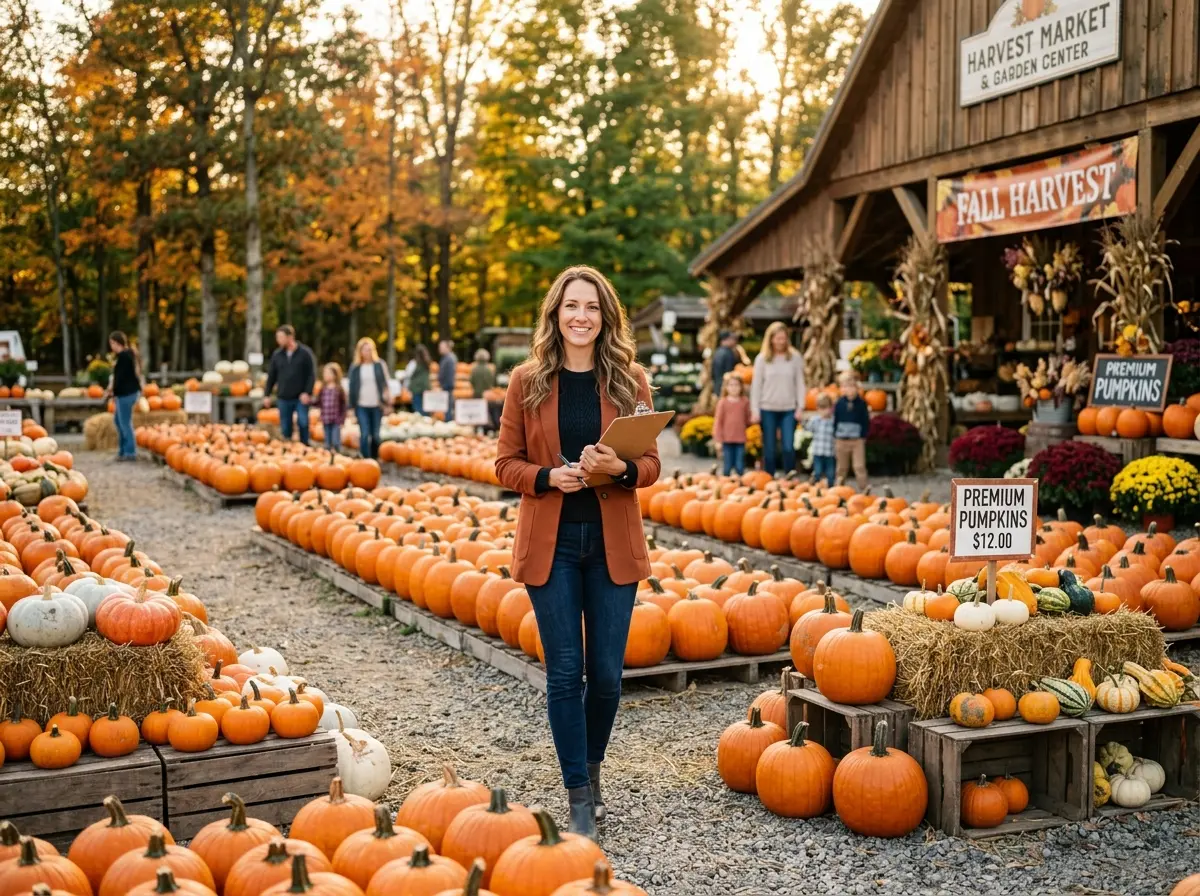
The single biggest mistake garden centers make with seasonal displays is treating them like inventory management rather than retail theater. Your pumpkin patch should tell a story the moment a customer walks in. Think winding pathways through the display rather than straight rows, strategically placed hay bales and vintage wagon wheels, warm lighting for evening hours, and clear signage that guides visitors deeper into your space — and, not coincidentally, past more products.
The goal is what retail designers call the decompression zone and path of discovery. Customers who feel like they're exploring spend more time on-site, and more time on-site almost always means higher transaction values. Studies have shown that customers who dwell longer in retail environments spend up to 40% more than those who make quick grab-and-go purchases. Give people a reason to linger.
Consider zoning your patch into distinct areas: a family photo zone with a branded backdrop (free marketing every time someone posts), a premium pumpkin section with specialty varieties like Cinderella, Blue Jarrahdale, and Long Island Cheese pumpkins, and a crafting corner where customers can see what their purchase could become with the right supplies — supplies you happen to sell.
Build a Product Ecosystem Around the Pumpkin
The pumpkin is the hero, but the supporting cast is where your margins live. Every pumpkin that walks out your door is an opportunity to bundle complementary products: potting soil, decorative corn, mums, gourds, lanterns, carving kits, and seasonal planters. Bundle deals are particularly effective here. A "Front Porch Fall Bundle" that includes a pumpkin, two mums, a bag of decorative corn, and a small gourd for a fixed price gives customers the perception of value while increasing your average ticket size without any additional labor-intensive selling.
Don't overlook workshops as a revenue stream either. A "Paint Your Pumpkin" evening or a "Fall Container Garden" class can sell out quickly, introduce new customers to your space, and generate word-of-mouth that no amount of paid advertising can replicate. Charge appropriately — people expect to pay for curated experiences, and underpricing your workshops actually signals lower quality to potential attendees.
Create a Reason to Come Back More Than Once
Smart garden centers don't run a single pumpkin patch event — they engineer a season-long reason to return. Consider staggering your inventory releases: announce that a new variety of specialty pumpkin arrives each weekend in October, or create a loyalty punch card that rewards customers who make multiple fall purchases with a discount toward holiday greenery in November. This approach converts a one-time seasonal visitor into a repeat customer who associates your brand with the entire autumn season — and potentially beyond.
Using Technology to Work Smarter During Your Busiest Season
Let Automation Handle the Repetitive Stuff
Fall is peak season, which means your staff is stretched thin answering the same five questions on repeat: "Are you open on Sunday?" "Do you have the white pumpkins in stock?" "How much does the hayride cost?" Every minute your team spends on these calls or conversations is a minute they're not helping customers on the floor or facilitating purchases.
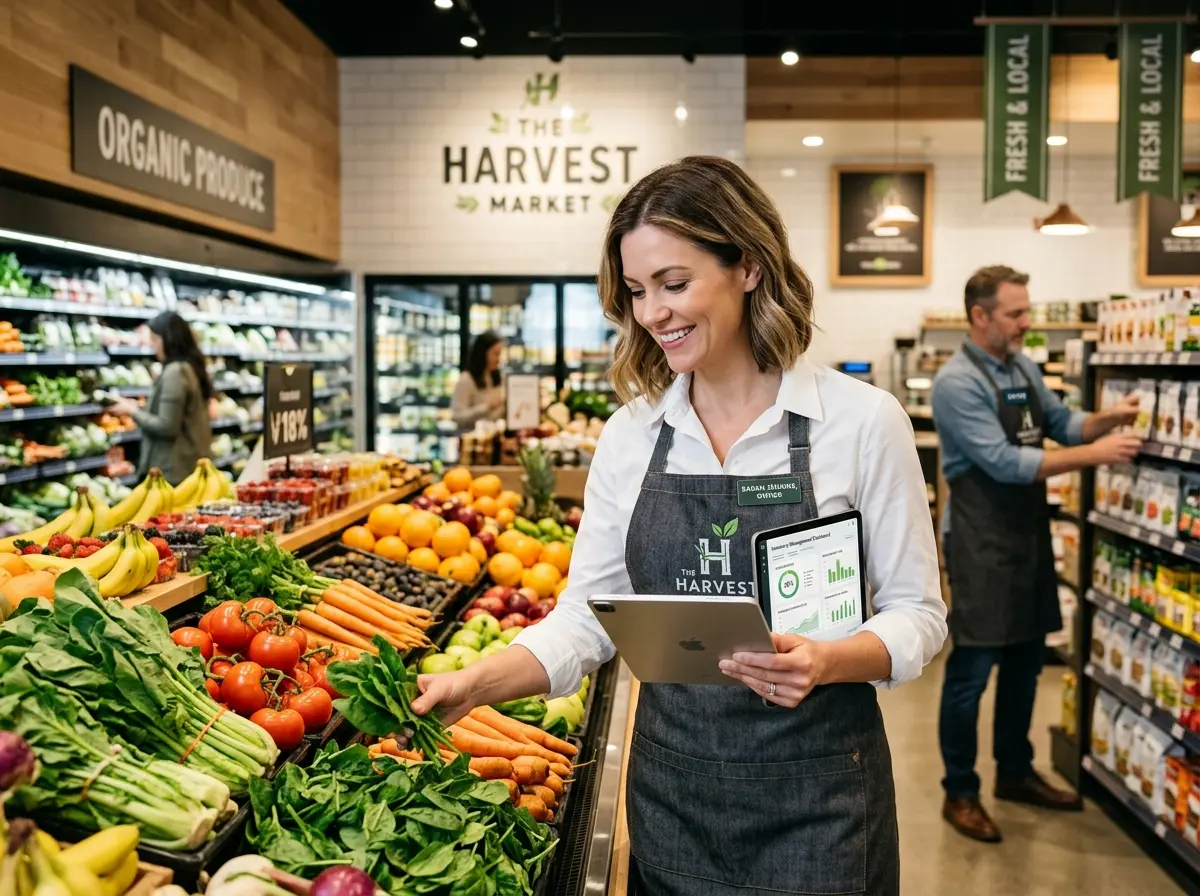
This is exactly where Stella earns her keep. As an AI robot employee and phone receptionist, Stella can greet customers inside your garden center, answer questions about your pumpkin patch offerings, promote your seasonal bundles and workshops, and handle incoming calls 24/7 — all without a coffee break or a vacation request. During your busiest weekends, when the phone is ringing off the hook and your floor staff is already juggling six families, Stella keeps things running professionally so no customer feels ignored and no sale slips through the cracks. She can even upsell customers on workshop availability or that Front Porch Fall Bundle before they've made it to the checkout line.
Marketing Your Pumpkin Patch to Fill It With the Right Crowd
Make Social Media Work for You, Not the Other Way Around
Here's a liberating truth: you don't need a massive social media budget to market a pumpkin patch effectively. You need shareable moments. That branded photo backdrop mentioned earlier? It's not decoration — it's a distributed marketing asset. Every time a family posts their pumpkin patch photo and tags your garden center, you've received free advertising to their entire network, which likely includes dozens of people who live within driving distance of your location.
Be intentional about creating these moments. A whimsical scarecrow that becomes a local landmark, a chalkboard sign with a clever (and swappable) fall pun, a tower of perfectly stacked specialty pumpkins that begs to be photographed — these are investments in organic reach. Encourage sharing explicitly with signage that invites customers to tag you, and consider running a simple photo contest with a gift card prize to further incentivize participation.
Pair your organic efforts with targeted local social media advertising in the weeks leading up to peak season. Even a modest budget of $200–$300 in geo-targeted Facebook and Instagram ads promoting a specific event or specialty variety can drive meaningful incremental traffic during the weeks when competition for family weekend activities is highest.
Email and SMS: The Channels People Actually Check
Your existing customer base is your warmest audience, and fall is the perfect time to re-engage them. A well-timed email series in late September can announce your patch opening, highlight specialty varieties, and promote your workshops — all before October even begins. Garden center customers who have purchased from you before are significantly more likely to return for seasonal events than cold audiences, so don't neglect this list in favor of chasing new followers on social media.
SMS marketing, while requiring explicit opt-in, consistently achieves open rates above 90%, making it an exceptionally powerful channel for time-sensitive announcements like "Our Blue Jarrahdale pumpkins just arrived — quantities are limited!" Short, direct, and timely messages drive immediate foot traffic in a way that no other channel can reliably replicate. Build your SMS list year-round so that when fall arrives, you have a ready audience to alert.
Partner With Local Businesses and Community Organizations
Cross-promotional partnerships are an underutilized goldmine for garden centers. Connect with local coffee shops, bakeries, or family photographers to create bundled experiences or mutual referral arrangements. A local photographer who regularly recommends your patch as a portrait location becomes an ongoing referral source. A nearby coffee shop that offers a discount coupon tucked inside your pumpkin patch bags drives goodwill and reciprocal traffic. These relationships cost little to nothing to establish and can generate meaningful, consistent referrals throughout the season.
Quick Reminder About Stella
Stella is an AI robot employee and phone receptionist designed to help businesses like yours run more smoothly — greeting customers in-store, answering phones around the clock, promoting seasonal offerings, and reducing the burden on your human staff during high-traffic periods. At $99/month with no upfront hardware costs, she's built to be accessible for independent garden centers and small businesses, not just enterprise retailers. If your fall season has ever felt like controlled chaos, Stella is worth a very serious look.
Conclusion: Your Pumpkin Patch Can Be More Than a Seasonal Afterthought
The garden centers that turn their pumpkin patches into genuine destination experiences — rather than a seasonal display they set up and forget — consistently outperform their competitors in fall revenue and, crucially, in customer retention heading into the holiday season. The customers who come for your pumpkins in October are exactly the people who will come back for your Christmas greenery, your Valentine's Day arrangements, and your spring planting season.
Here's your actionable checklist to get started:
- Redesign your patch layout to prioritize discovery, photography moments, and natural traffic flow past complementary products.
- Build at least one bundle offer that groups pumpkins with high-margin complementary items at an attractive combined price.
- Schedule two or three workshops for October and promote them before the month begins.
- Set up your staggered inventory release calendar to create multiple reasons for customers to return throughout the season.
- Launch an email and SMS campaign to your existing customer list in the last week of September.
- Identify two or three local businesses with compatible audiences for cross-promotional partnerships.
- Evaluate whether tools like Stella can take routine customer questions and phone calls off your team's plate during peak weekends.
The pumpkin patch opportunity is real, it's repeatable, and it's waiting for you to take it seriously. This fall, don't just sell pumpkins — sell an experience people will talk about until next October. Then do it all over again, only better.