So You've Decided to Rent Out Tools — Now What?
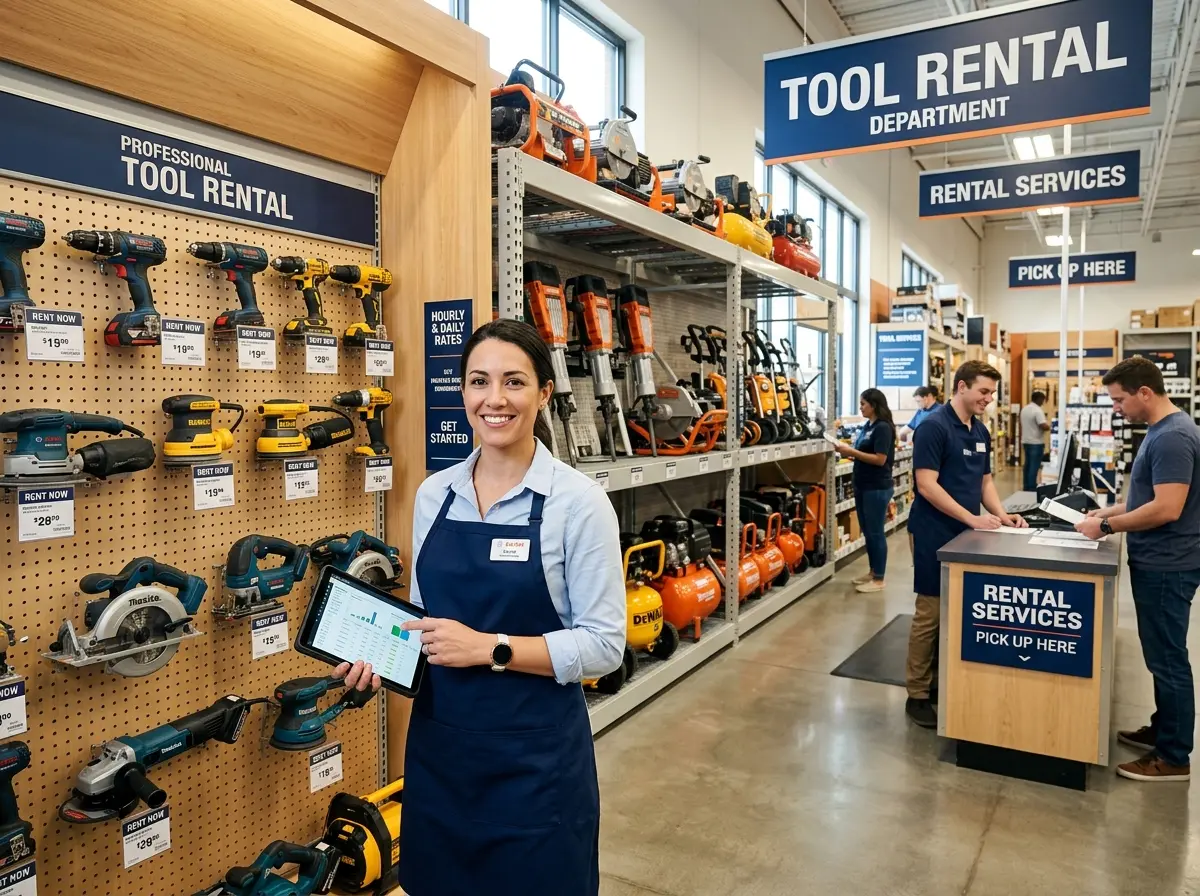
Renting out tools is a brilliant revenue stream for hardware stores. Customers get access to expensive equipment they'll use once, you get recurring income from assets sitting on your shelves, and everyone goes home happy. In theory. In practice, managing a tool rental inventory can feel like herding cats — if the cats were expensive, easily damaged, and occasionally came back missing a wheel.
Between tracking who has what, inspecting returns, managing maintenance schedules, and somehow preventing that one customer who always returns things "a little broken," tool rental management is genuinely complex. The good news? With the right systems in place, it's also genuinely profitable. A well-run rental program can add tens of thousands of dollars in annual revenue without dramatically increasing your overhead — but only if your inventory management is tight.
This guide walks through the practical fundamentals of managing a tool rental inventory like a professional operation, not an afterthought tucked behind the register.
Building a Rental Inventory System That Actually Works
The foundation of any successful tool rental program is a reliable inventory system. "I keep track of it in my head" is not a system. It's a liability.
Cataloging Your Rental Fleet
Every tool in your rental inventory should have a unique asset ID, not just a category name. You don't have "a pressure washer" — you have Pressure Washer Unit 003, with its own maintenance log, rental history, and condition record. This distinction matters enormously when you're trying to figure out which of your three pressure washers keeps coming back with a clogged nozzle (it's always Unit 003).
Your catalog should include the tool's make and model, purchase date, replacement value, current condition rating, and any accessories or attachments that ship with it. Document everything with photos taken at intake — both for customer dispute resolution and for insurance purposes. A five-minute photo session before a rental goes out has saved many a hardware store owner from an ugly "but it was already like that" conversation.
Choosing the Right Rental Management Software
Spreadsheets can work when you're renting out five items. Once you hit twenty or more tools in your fleet, you need dedicated rental management software. Look for platforms that offer barcode or QR code scanning, rental agreements with e-signature capability, automated return reminders, and real-time availability tracking. Some popular options in the hardware space include Point of Rental, EZRentOut, and Booqable, each with different price points and feature sets.
The key metric to watch is asset utilization rate — the percentage of time a given tool is actually out on rental versus sitting on your shelf. Industry benchmarks suggest that a healthy rental program targets 60–70% utilization on core items. If you're consistently above that, it might be time to add units. If you're consistently below 30%, that tool might be earning more as a sale than a rental.
Pricing Your Rentals Strategically
Rental pricing is both an art and a math problem. The general rule of thumb is that a tool should pay for itself in rental revenue within 12–18 months, accounting for maintenance costs. Offer tiered pricing — half-day, full-day, weekly, and monthly rates — because customers think in terms of their project timeline, not your inventory schedule. A customer renting a tile saw for a bathroom remodel will happily pay a weekly rate rather than scrambling to return it by 5 PM on a Tuesday.
Don't forget damage waivers. Offering an optional damage waiver (typically 10–15% of the rental fee) protects your equipment and gives customers peace of mind. Many will take it, and over time, it effectively self-insures your fleet against normal wear and abuse.
How Smarter Front-End Operations Make Rental Management Easier
Here's something hardware store owners often overlook: a significant portion of rental headaches originate at the front desk, not in the back room. Incomplete intake forms, unanswered questions about availability, after-hours inquiry calls going to voicemail — these friction points cost you rentals and create operational chaos.
Streamlining Customer Intake and Inquiries
This is where Stella, the AI robot employee and phone receptionist, can genuinely help hardware stores running rental programs. In-store, Stella engages customers proactively as they walk by the rental counter, answering questions about tool availability, pricing, and policies without pulling your staff away from other tasks. She can walk a customer through the rental process, explain what's included, and help collect intake information — all conversationally, without a clipboard and a harried employee.
Stella also handles phone calls 24/7, which matters a lot for rental operations. Customers planning weekend projects don't call on Tuesday at 2 PM — they call Sunday evening when your store is closed and your staff is off. Instead of those calls going to voicemail and turning into lost rentals, Stella answers, provides availability information, and captures customer details through conversational intake forms that feed directly into her built-in CRM. You wake up Monday morning with organized leads rather than a blinking voicemail light and a mystery.
Maintenance, Inspections, and the Art of the Return Check
No part of tool rental management is more important — or more frequently skimped on — than the maintenance and inspection process. Equipment that isn't properly maintained costs you money in repairs, costs you reputation in bad customer experiences, and in some cases creates genuine safety liability. A power tool that fails mid-project is an inconvenience. One that fails dangerously is a lawsuit.
Building a Preventive Maintenance Schedule
Every tool in your rental fleet should have a preventive maintenance schedule based on manufacturer recommendations and usage hours, not just the calendar. High-turnover items like concrete mixers, pressure washers, and tile saws need more frequent servicing than tools that rent occasionally. Track usage hours through your rental software and flag tools for service automatically when thresholds are hit.
Designate a specific staff member as your rental equipment manager — someone responsible for the inspection, maintenance, and record-keeping workflow. This doesn't need to be a full-time role, but it does need to be someone's defined responsibility. "Everybody's job" is famously nobody's job, and your rental fleet will quietly deteriorate to prove it.
The Pre-Rental and Post-Return Inspection Protocol
Implement a standardized inspection checklist for every tool, every time — before it goes out and when it comes back. The pre-rental checklist confirms the tool is in proper working condition and documents its state with the customer present. The post-return checklist identifies damage, missing accessories, and excessive wear. Both parties sign off. Both parties have documentation. Nobody gets to claim amnesia about the condition of the 10-inch miter saw.
For high-value equipment, consider a short video walkthrough at checkout that gets saved to the rental record. Customers who know their rental is being documented tend to treat it more carefully — not because they're dishonest, but because accountability is a powerful motivator. This simple practice measurably reduces return disputes and damage incidents in rental operations that have adopted it.
Knowing When to Retire a Tool
Every tool has a retirement date, whether you plan for it or not. The question is whether it goes out of service on your terms or mid-rental in a customer's driveway. Track repair costs against rental revenue by asset — when a single tool's cumulative repair costs approach 50–60% of its replacement value, it's usually more economical to retire it than to keep patching it. Sell it as a used tool, part it out, or recycle it responsibly. A rental fleet full of aging, unreliable equipment is a reputation problem dressed up as a cost-saving measure.
Quick Reminder About Stella
Stella is an AI robot employee and phone receptionist that works in-store as a customer-engaging kiosk and answers phone calls around the clock for any business. She's available for $99/month with no upfront hardware costs, easy setup, and no sick days, ever. For hardware stores managing the constant customer flow of a rental operation, she's the kind of reliable front-line presence that lets your human staff focus on the work that actually needs human hands.
Running a Rental Program That Pays for Itself — And Then Some
Managing a tool rental inventory isn't glamorous work, but it's profitable work when done right. The hardware stores that turn their rental programs into consistent revenue generators aren't doing anything magical — they're doing the fundamentals well. They have real inventory systems, not mental notes. They inspect equipment seriously, not casually. They price strategically and track utilization honestly. And they make it easy for customers to rent from them, both in person and over the phone.
Here's what your action plan looks like starting this week:
- Audit your current rental catalog. Assign asset IDs, document condition, and photograph every tool in your fleet.
- Evaluate your rental software. If you're still on spreadsheets and you have more than a dozen rental items, it's time to upgrade.
- Build your inspection checklist. One for pre-rental, one for post-return. Laminate it. Use it every time.
- Calculate utilization rates on your top 10 rental items and identify your underperformers.
- Address your after-hours inquiry gap. If calls and questions after closing are falling into a void, that's revenue leaving through the back door.
A tool rental program done well is a genuine competitive advantage for independent hardware stores. It drives traffic, builds customer loyalty, and generates revenue from inventory you already own. All it takes is treating it like the serious business operation it is — which, conveniently, is exactly what this guide is here to help you do.