The "First Time Visitor" Special: Why Most Massage Studios Leave Money on the Table
So you've got a killer introductory offer. Maybe it's 50% off a first massage, a discounted starter package, or a "come see what all the fuss is about" deal that practically sells itself. New clients are trickling in, they're loving the experience, and then... they disappear. Back to their stressful lives, their DIY foam rollers, and their complete lack of monthly membership. You've essentially become their one-time spa vacation rather than their long-term wellness destination.
Here's the hard truth: a first-time visitor special is only as good as the system behind it. Without a deliberate strategy to convert those curious newcomers into loyal, paying members, you're essentially running a very expensive awareness campaign for your competitors. The good news? A few well-placed tweaks to your process can transform your intro offer from a revenue leak into your most powerful membership growth engine.
Building a First Visit Experience That Plants the Membership Seed
Before we even talk about the sales conversation, let's acknowledge something most studio owners skip: the membership conversion starts the moment a client books their first appointment. By the time they're on your table, they've already formed an opinion about whether your studio feels like "their kind of place." Your job is to make sure that opinion is enthusiastically positive.
Set Expectations (and Excitement) Before They Arrive
The window between booking and arrival is prime real estate that most studios completely waste. A confirmation email is fine, but a well-crafted pre-visit communication sequence is better. Send a warm welcome message that tells the client what to expect — how early to arrive, where to park, what to wear — but also gently introduces your membership program. You're not selling yet; you're planting seeds. Something as simple as "Many of our clients find that regular monthly sessions are when they see the biggest results — we'd love to tell you more about our membership options when you visit" accomplishes more than you'd think. It primes them psychologically so they're not blindsided when the membership conversation happens post-massage.
Design the In-Studio Experience Around Long-Term Value
When a first-timer walks in, every touchpoint should communicate that this isn't just a nice massage studio — it's a wellness community they want to belong to. Train your front desk staff to ask meaningful intake questions: What brings them in today? Do they have chronic tension areas? How often do they deal with stress-related discomfort? These aren't just small-talk questions. They're data points that allow your therapist to deliver a more personalized session and give your team concrete ammunition for the post-visit membership conversation.
During the session itself, a skilled therapist can (appropriately and briefly) mention what continued sessions could address. "I can feel a lot of tension here — this is the kind of thing that typically takes a few consistent sessions to really work through." That's not a sales pitch. That's professional guidance. And it works.
The Post-Massage Conversation: Timing Is Everything
Here's where studios most commonly fumble. The client floats out of the treatment room feeling like a cloud, and the front desk either says nothing about membership or launches into a full-on pressure pitch. Both are wrong. The ideal post-massage conversation happens while the client is still in their relaxed, receptive state — which means you have roughly a five-minute window before they check their phone and mentally re-enter the chaos of their day.
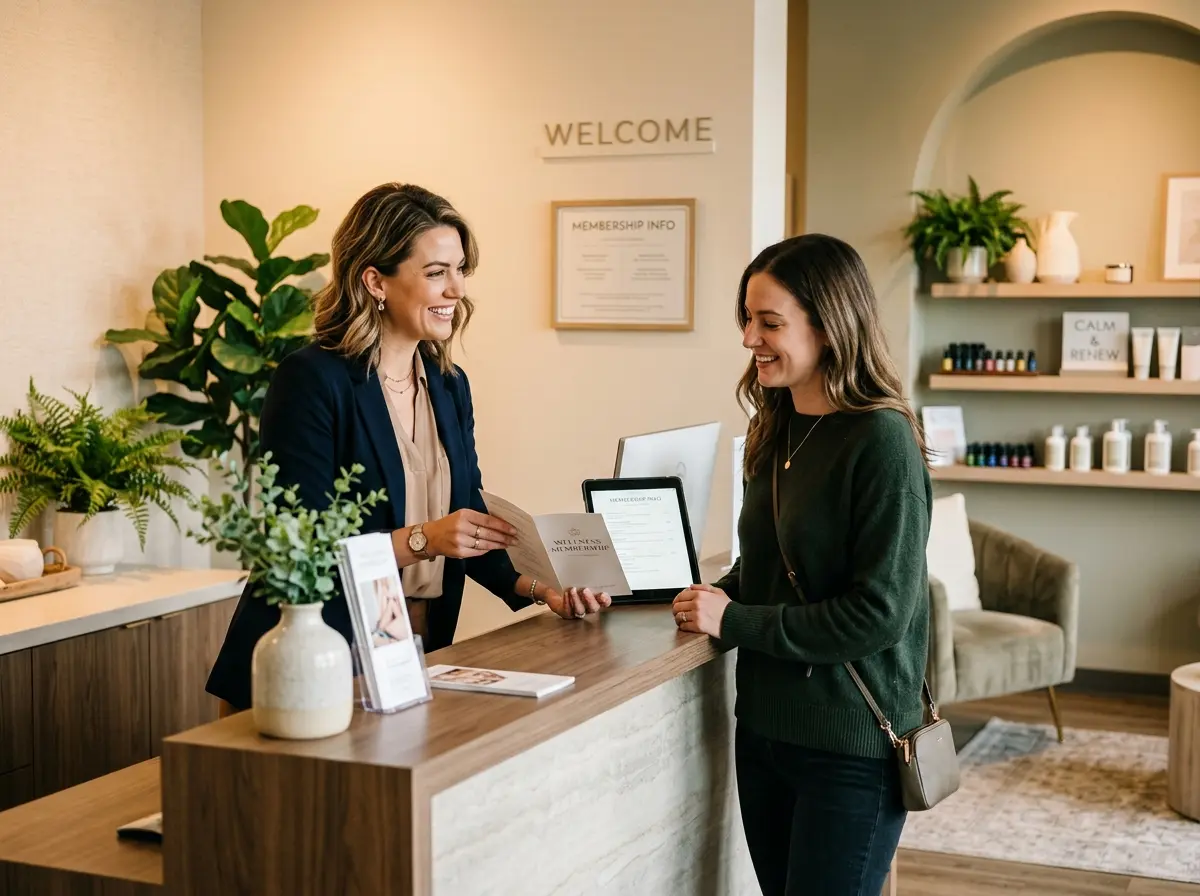
Keep it simple, keep it personal, and keep it low-pressure. "Your therapist mentioned you carry a lot of tension in your shoulders — did you know our members get priority booking and a significant discount per session? A lot of people find that committing to a monthly session is actually what finally gets them results." That's it. Brief, warm, and tied directly to their specific experience. If they say no, that's fine — give them a printed or digital one-pager they can take home and follow up via email within 48 hours.
How Smart Technology Can Support Your Conversion Strategy
Automate the Follow-Up So Nothing Falls Through the Cracks
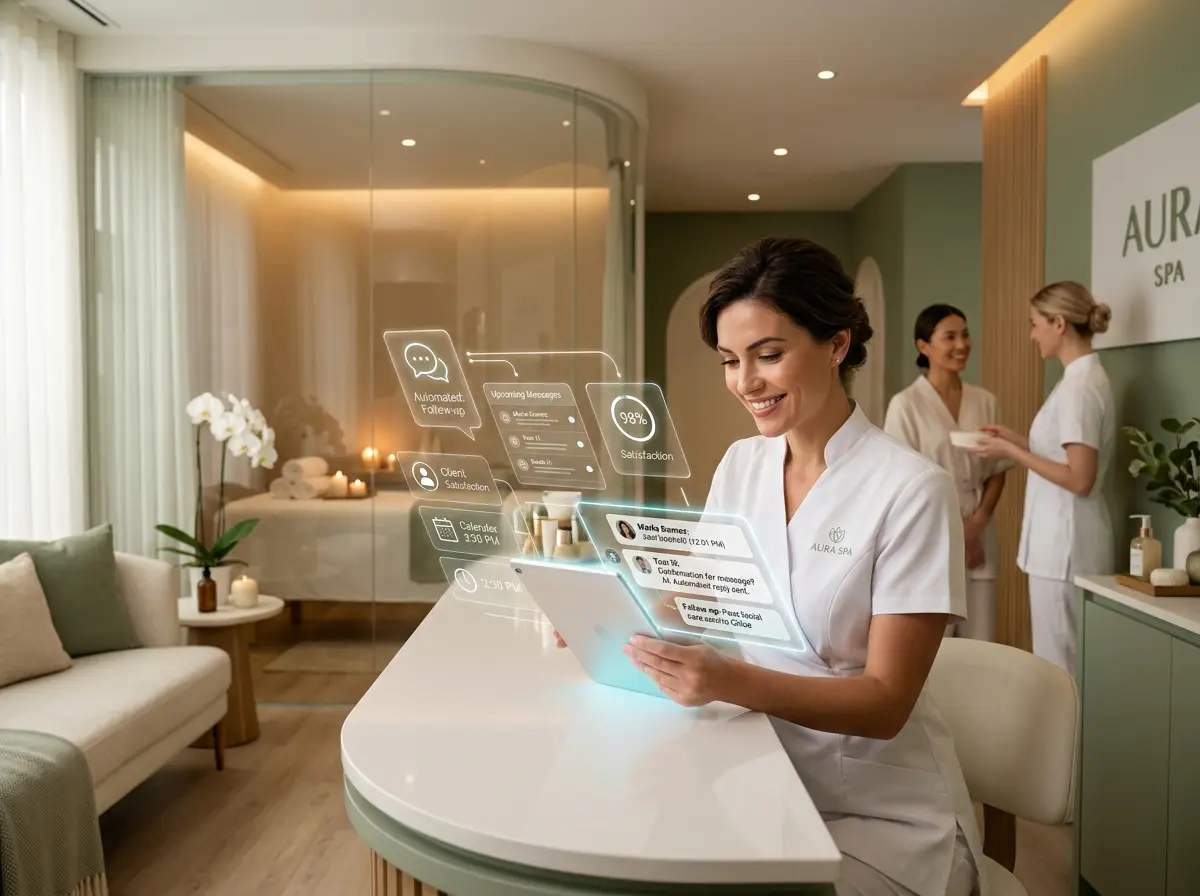
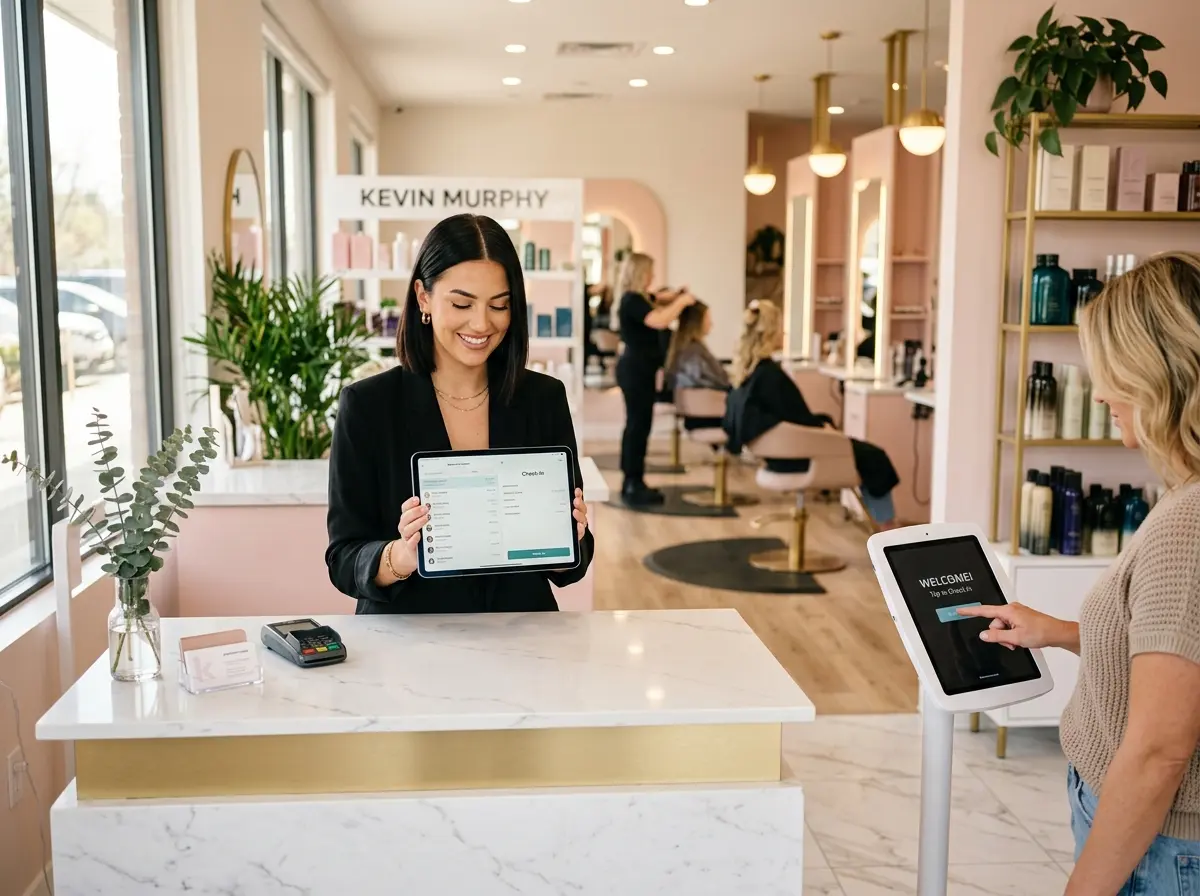
Let's be real: your front desk staff are juggling a lot. Follow-up emails get forgotten, intake notes get lost, and the client who seemed "almost ready to join" never gets a callback. This is where Stella — an AI robot employee and phone receptionist — can quietly become one of your most reliable team members. Stella greets walk-ins at her in-store kiosk, answers the phone 24/7, and collects client information through conversational intake forms. Her built-in CRM stores custom notes, tags, and AI-generated client profiles, so when a first-time visitor calls to ask a question or rebook, Stella already knows their context and can proactively mention your membership program — at any hour, without ever forgetting.
She's essentially the team member who never has a bad day, never goes on break right when a client walks in, and never forgets to mention the membership special. At $99/month with no upfront hardware costs, she's also significantly less expensive than the staffing gap she fills.
Structuring the Offer Itself for Maximum Conversion
Even a flawlessly executed client experience won't save a poorly structured introductory offer. The mechanics of your special matter enormously — and most studios either underprice themselves into a bad deal or make the membership ask so complicated that clients opt out by default.
Make the Value Gap Impossible to Ignore
Your first-time special should feel like a genuine gift, but the membership pricing needs to make the next visit at full price feel slightly painful. This isn't manipulation — it's smart anchoring. If your standard 60-minute session is $110 and your intro offer is $65, clients will enjoy the discount. But if your membership rate is $79/month for one session, suddenly the $110 full price becomes the villain and the membership becomes the obvious hero. Present these numbers side by side during the post-visit conversation and let the math do the heavy lifting for you.
According to the American Massage Therapy Association, clients who receive massage on a regular basis report significantly better outcomes than those who go occasionally — so you're not just selling convenience, you're selling results. Use that framing. You're not asking them to spend more money; you're asking them to actually get the benefits they came in for in the first place.
Remove the Friction From Signing Up
Nothing kills a membership conversion faster than a complicated sign-up process. If a client has to fill out three forms, choose between six membership tiers, and wait for a manager to process their information while they're standing at the front desk in a post-massage haze — they're going to say "I'll think about it." And "I'll think about it" almost always means no.
Streamline your membership options to two, maximum three, tiers. Make the sign-up digital and quick. Offer to email them the confirmation so they're not stuck standing there. Consider a "join today" incentive — a free add-on service for their next visit, or a complimentary upgrade — that creates a small sense of urgency without being pushy. The goal is to make saying yes feel easy and saying no feel like the decision that actually requires more effort.
Build a 30-Day Follow-Up Sequence That Nurtures, Not Nags
For first-timers who don't convert on the spot, the game isn't over — it's just moved to a different arena. A thoughtful 30-day email sequence that delivers genuine value (stretching tips, self-care advice, therapist spotlights) while periodically reminding them of your membership offer can convert a surprising number of fence-sitters. Studies on service industry email marketing consistently show that it takes an average of five to eight touchpoints before a prospect makes a purchasing decision. One post-visit email isn't a follow-up strategy. It's wishful thinking.
Quick Reminder About Stella
Stella is an AI robot employee who works both as an in-store kiosk greeter and a 24/7 phone receptionist — she answers questions, promotes your current specials, collects intake information, and keeps your CRM updated without any extra effort from your team. She's available for $99/month with no upfront costs and practically no setup headaches. If your front desk is a bottleneck in your conversion process, she's worth a serious look.
Turn Your Intro Offer Into a Membership Pipeline — Starting Today
Running a first-time visitor special that actually converts isn't about having the flashiest deal or the most aggressive sales script. It's about building a consistent, thoughtful experience that makes membership feel like the obvious next step — because for a client who just had a transformative session with your team, it genuinely is.
Start by auditing where your current first-time visitors are falling off. Is it the pre-visit communication? The post-massage conversation? The follow-up sequence? Pick the weakest link, fix it first, and measure the results before moving to the next one. Small, deliberate improvements compound quickly in a membership-based business model.
Here's your action list for this week:
- Review your current intro offer and ensure the membership value gap is clearly communicated at checkout.
- Train (or retrain) your front desk team on the post-visit membership conversation — brief, warm, and personalized.
- Set up or audit your post-visit email sequence to ensure you have at least five meaningful touchpoints over 30 days.
- Simplify your membership tiers if you currently have more than three options.
- Identify any gaps in your intake or follow-up process where client information gets lost or overlooked.
Your introductory special has one job: to start a relationship, not just fill an appointment slot. When you treat it that way — and build your systems accordingly — you'll find that converting first-timers to members stops feeling like a sales challenge and starts feeling like a natural conclusion to a great first impression.