Introduction: The Call You Missed Was Probably a Commission You Lost
Picture this: A motivated homebuyer — pre-approved, motivated, and ready to tour a property this weekend — calls your agency at 6:47 PM on a Friday. Your front desk staff clocked out at five. Your agents are at dinner. The phone rings four times and goes to a generic voicemail that nobody checks until Monday morning. By then, that buyer has already booked a showing with your competitor down the street.
Congratulations. You just lost a deal to voicemail.
In real estate, timing isn't just important — it's everything. Studies consistently show that leads contacted within the first five minutes of inquiry are dramatically more likely to convert than those reached even an hour later. Yet most agencies are hemorrhaging leads through the same predictable gaps: after-hours calls, overwhelmed front desk staff, and a general assumption that "they'll call back if they're serious." Spoiler: they won't. They'll just call someone else.
The good news is that plugging these leaks doesn't require hiring a team of around-the-clock receptionists and paying them benefits. It requires a smarter system — one that ensures every call, every inquiry, and every curious walk-in gets a professional, knowledgeable response. This guide breaks down exactly how real estate agencies can stop missing leads and start capturing every opportunity that walks (or calls) through the door.
Understanding Where Your Leads Are Slipping Through
The After-Hours Black Hole
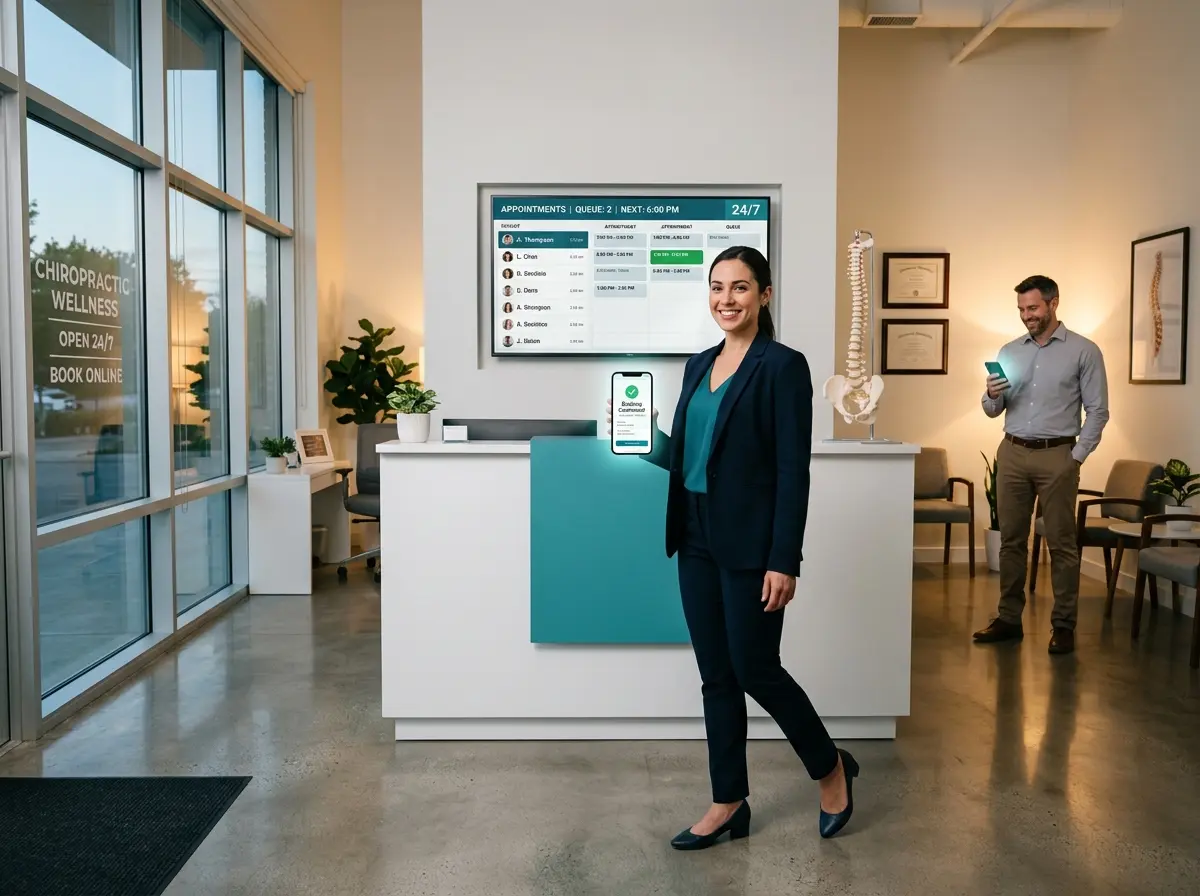
Real estate doesn't operate on a 9-to-5 schedule, but most agency phone systems do. Buyers and sellers don't browse Zillow exclusively during business hours — in fact, a significant chunk of property research happens in the evenings and on weekends, which is precisely when your office is dark and your phones are unattended. Every call that rolls to a generic voicemail during these hours represents a lead that's actively cooling off while they wait for a human to get back to them.
The fix isn't to chain your agents to their phones around the clock — that's a burnout recipe, not a business strategy. The fix is to have a system that handles first contact professionally and immediately, regardless of the time, and then routes or escalates based on urgency. A caller who hears a knowledgeable, professional voice answer at 9 PM — one that can discuss listing details, schedule showings, and collect their contact information — is a caller who stays engaged.
The Overwhelmed Front Desk Problem
During business hours, the problem shifts. Your front desk staff — assuming you have them — are juggling incoming calls, walk-in clients, paperwork, and the occasional agent who needs something printed urgently. When the phone rings during a face-to-face conversation with a buyer reviewing a contract, something gets deprioritized. Usually, it's the phone.
This isn't a staffing failure; it's a systemic one. Relying on a single point of human contact to field every inquiry during peak hours creates a bottleneck that inevitably leaks leads. The solution is to have a reliable, always-available first line of response — one that handles routine inquiries, qualifies callers, and only escalates when a human is genuinely needed.
The Voicemail No One Checks
Voicemail, in its current form, is a graveyard for leads. Most people hate leaving them, most staff hate transcribing them, and the lag between message and response is often long enough for a motivated lead to go cold. If your agency's current process for handling missed calls involves a blinking voicemail icon that someone gets to "when they have a minute," it's time to rethink the system entirely.
How Smarter Tools — Like Stella — Can Close the Gaps
A Receptionist Who Never Clocks Out
This is exactly the kind of problem that Stella was built to solve. As an AI phone receptionist, Stella answers every call — day or night, weekday or weekend — with the same professionalism and business knowledge a trained human receptionist would bring. For real estate agencies, that means callers get immediate, intelligent responses about listings, services, office hours, agent availability, and more, without ever hitting a voicemail wall.
When a call comes in that genuinely requires a human agent, Stella can forward it based on configurable conditions — urgency, topic, time of day, or any criteria you set. For calls that don't need immediate escalation, she takes a voicemail and delivers an AI-generated summary with a push notification to the right manager. No more digging through a voicemail inbox at 9 AM wondering which messages are urgent.
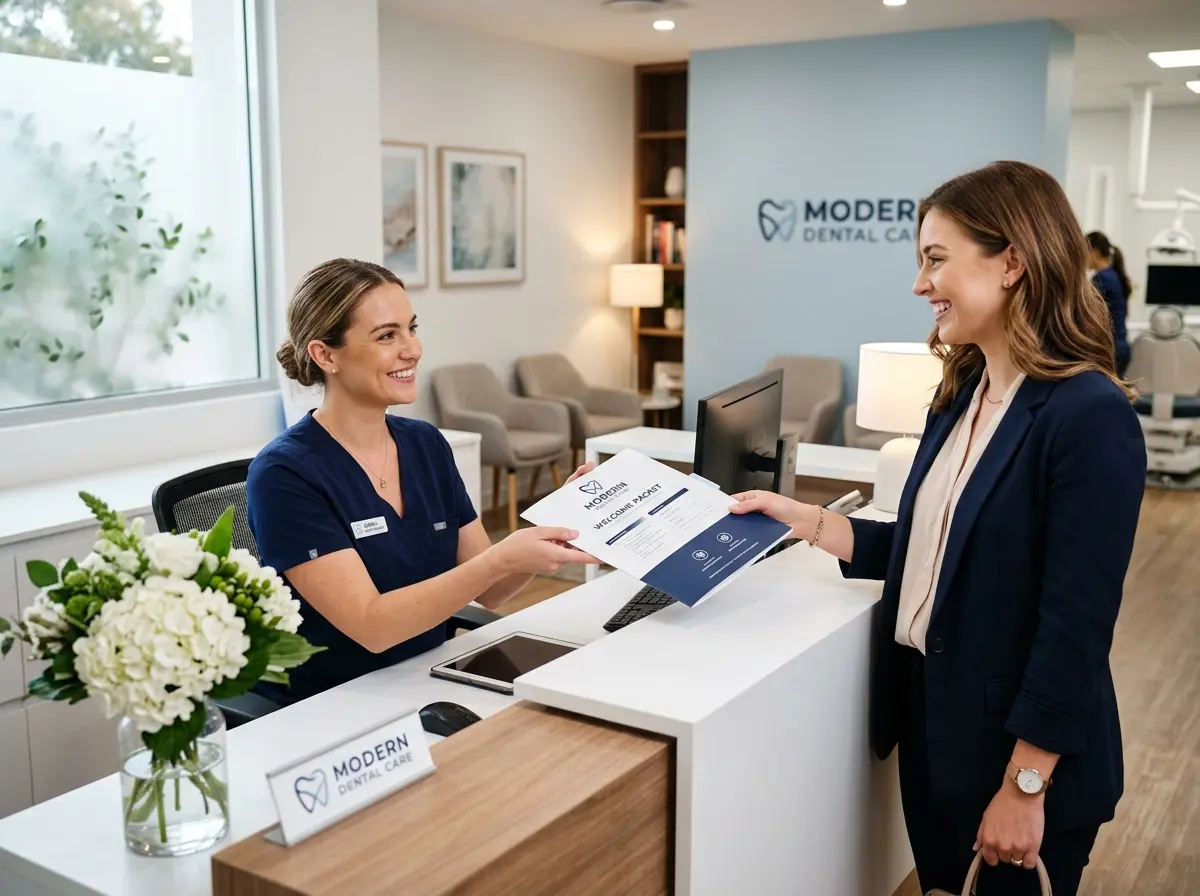
For agencies with a physical location, Stella's in-store kiosk presence means walk-in clients are greeted proactively, answered knowledgeably, and never left standing at a counter waiting for someone to look up from a screen. Her built-in CRM automatically captures contact information and generates AI profiles from interactions — whether those interactions happen over the phone, at the kiosk, or through a web-based intake form. For a business where every contact is a potential client, that's not a nice-to-have; it's a competitive advantage.
Building a Lead Capture System That Actually Works
Define What a "Captured Lead" Actually Means
Before you can fix your lead capture process, you need to define what success looks like. A captured lead isn't just a name in a voicemail — it's a contact with enough information to follow up meaningfully: name, phone number, email, what they're looking for, their timeline, and ideally their buying or selling situation. Most agencies are capturing far less than this because they're relying on callers to volunteer information rather than building a system that collects it consistently.
Map out the information your agents actually need to qualify and follow up with a lead. Then build your intake process — whether that's a phone script, a form, or an AI-assisted conversation — around collecting exactly that. Consistency here pays off: a lead with complete intake information gets responded to faster and converted more efficiently than a first name and a missed call timestamp.
Create Protocols for Every Entry Point
Leads don't come from one place. They call, they walk in, they fill out web forms, they respond to listings on third-party platforms. Each of these entry points needs a defined protocol for how the lead is captured, where the information goes, and who is responsible for follow-up. Without that structure, leads fall through gaps not because of bad intentions, but because nobody explicitly owns the process.
Consider building a simple lead flow document that maps every entry point to a response process. Who gets notified when a new inquiry comes in at 7 PM? What information is collected from a walk-in who's just browsing? How quickly is a web form submission followed up on, and by whom? These aren't complicated questions, but most agencies have never explicitly answered them — and it shows in their conversion rates.
Follow Up Faster Than Feels Necessary
The data on lead response time is both clear and a little uncomfortable: the agencies that respond within minutes consistently outperform those that respond within hours, even when the slower responders are otherwise more qualified or better resourced. Speed signals that you're attentive, professional, and eager to earn their business. Delay signals the opposite — even if that's not the intent.
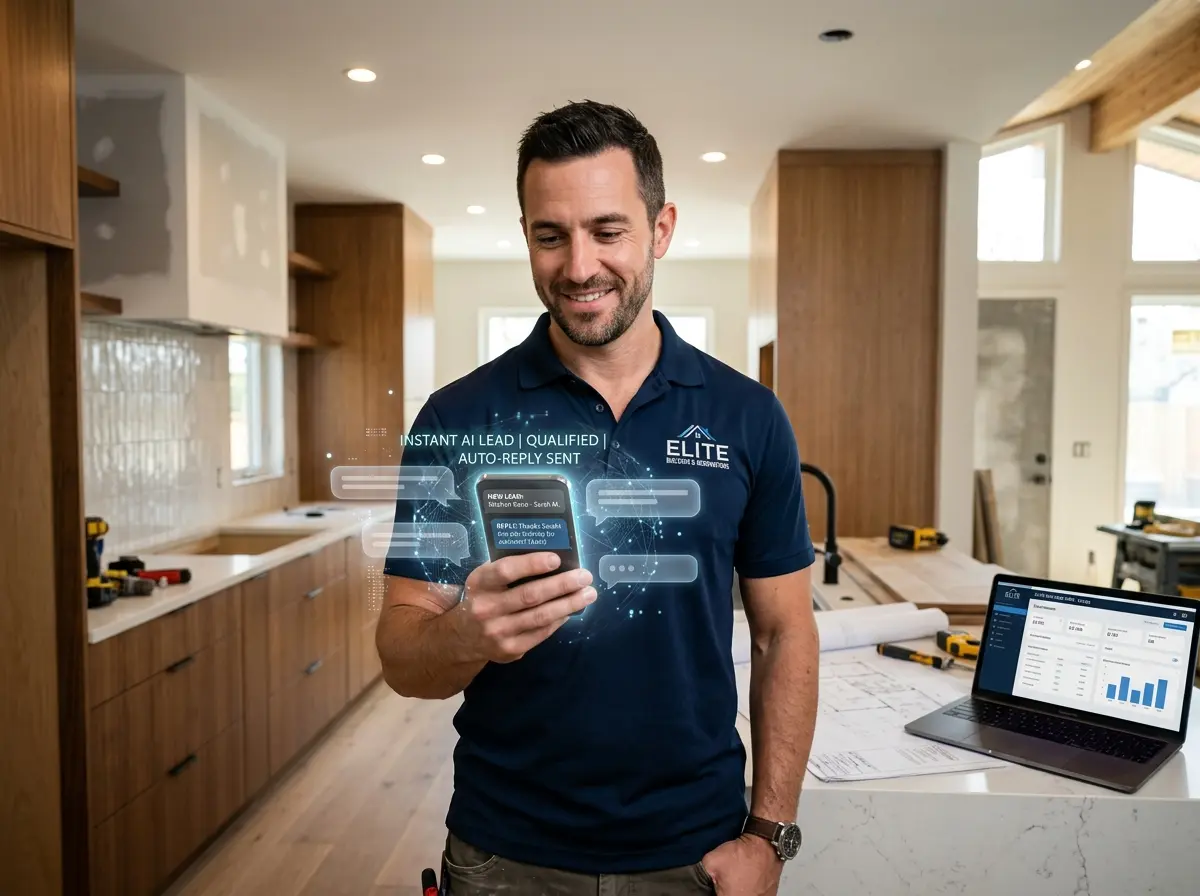
Build speed into your process structurally, not aspirationally. That means automated acknowledgment for every inquiry, immediate notification to the right person when a new lead comes in, and a clear standard for how quickly a human follow-up should happen. Aspiring to "respond quickly" without a system to enforce it is just wishful thinking with a nice mission statement.
Quick Reminder About Stella
Stella is an AI robot employee and phone receptionist designed to help businesses — including real estate agencies — ensure every call is answered, every walk-in is greeted, and no lead slips through the cracks. She handles phone calls 24/7, manages a built-in CRM, sends AI-generated voicemail summaries, and operates on a straightforward $99/month subscription with no upfront hardware costs. If missed calls and inconsistent lead capture are costing your agency deals, Stella is worth a serious look.
Conclusion: Stop Leaving Deals on the Table
Missing leads isn't a technology problem or a staffing problem — it's a systems problem. Real estate agencies that consistently capture and convert leads have built deliberate processes around every point of contact: the after-hours call, the busy front desk, the walk-in who's just curious, the web inquiry that comes in at midnight. They've stopped relying on luck and availability and started relying on structure.
Here's where to start:
- Audit your current gaps. Review the last 30 days of missed calls, unchecked voicemails, and unresponded web inquiries. Quantify what you're losing.
- Define your ideal lead intake. Know exactly what information you need from every contact and build your intake process around collecting it consistently.
- Map every entry point to a protocol. Every way a lead can reach you should have a defined, documented response process — not a general intention.
- Implement tools that enforce consistency. Whether that's an AI receptionist, a CRM, automated follow-up, or all three, stop relying on humans to be available and attentive at all times.
- Set a response time standard and hold to it. Decide what "fast" means for your agency and build the systems to make it happen without depending on heroics.
The agencies winning in today's market aren't necessarily the ones with the best listings or the most experienced agents — they're the ones who show up first and follow up consistently. Every missed call is a gap in that strategy. Close the gaps, and the deals follow.