Introduction: Your Spa's First Impression Is Probably Losing You Money
Let's paint a picture. A potential client — stressed, overworked, and desperately in need of a deep tissue massage — finally decides to call your spa. They've heard good things. They're ready to book. And then... they get voicemail. Or worse, they get put on hold while your front desk juggles three other things. So they hang up, scroll to the next spa on Google, and book there instead.
Congratulations. You just lost a client you never knew you had.
Here's the uncomfortable truth: most spas invest heavily in the experience inside their walls and almost nothing in the experience before clients walk through the door. The candles are perfect. The robes are fluffy. The music is impeccable. But the journey from "I want to book" to "I have an appointment" is often a chaotic mess of missed calls, clunky forms, and generic follow-ups.
The good news? Fixing the client journey doesn't require a full rebrand or a six-figure overhaul. It requires understanding where the friction lives — and then removing it, one touchpoint at a time. Let's dig in.
Where the Client Journey Actually Begins (Hint: Not at the Front Door)
The Phone Call Is Still the Most Important Moment
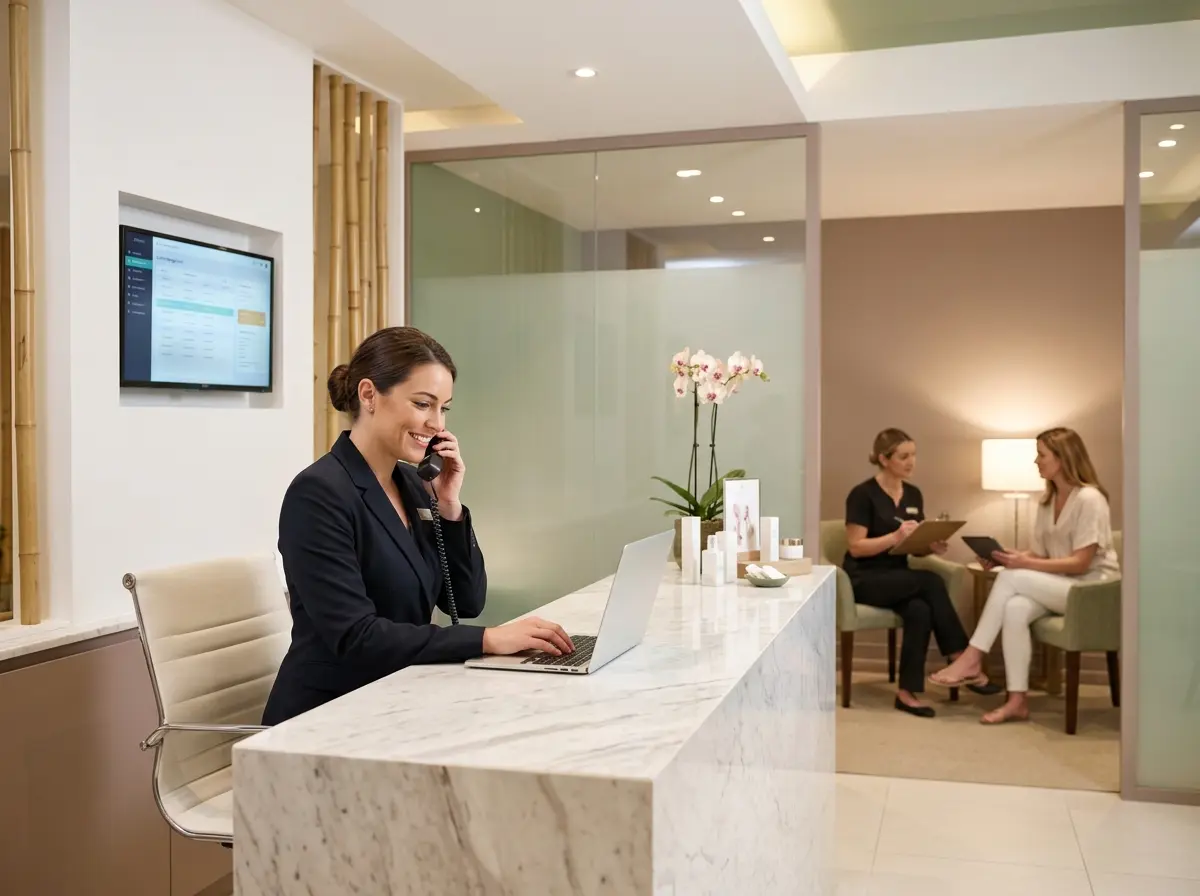
Despite the rise of online booking, the phone remains the dominant channel for first contact in the spa and wellness industry. Studies suggest that over 60% of new service business inquiries start with a phone call — and that number skews even higher for older demographics who tend to be among spas' most loyal clients. People want to ask questions. They want to know if you offer prenatal massage, whether your esthetician specializes in sensitive skin, what's included in a couples' package, and whether you have anything available this Saturday.
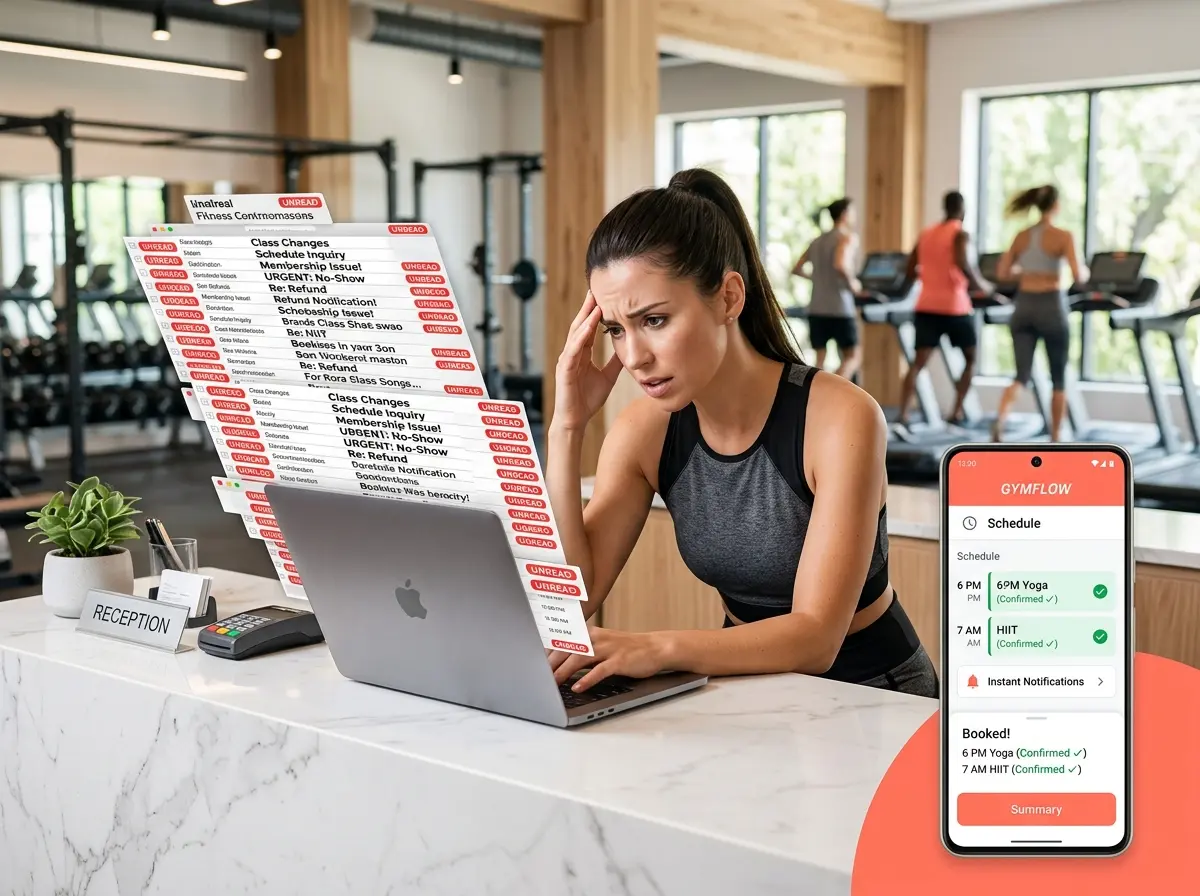
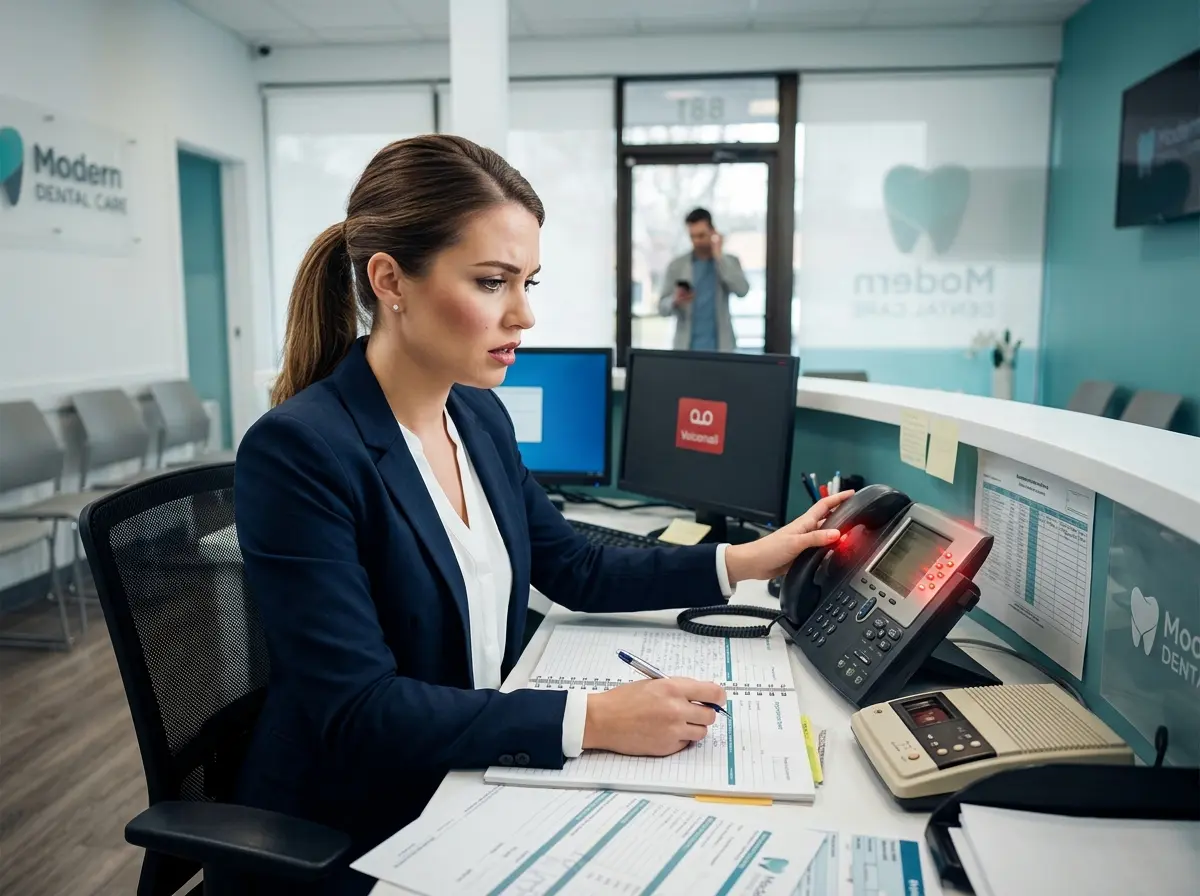
What they do not want is to leave a voicemail and wonder if anyone will ever call them back. Every unanswered call is a moment of friction — and friction, in the client journey, is the enemy of conversion. If your front desk staff is stretched thin (and whose isn't?), you're almost certainly letting calls slip through the cracks on a regular basis.
Your Online Presence Sets the Expectation Before Anyone Calls
Before a potential client ever picks up the phone or taps "Book Now," they've already formed an opinion about your spa. Your Google Business profile, your website, your Instagram — all of it shapes the expectation they walk in with. A spa with outdated photos, inconsistent hours listed across platforms, and a website that loads like it's powered by dial-up is starting the relationship with a credibility deficit before a single word is spoken.
Make sure your hours are consistent everywhere, your most popular services are easy to find and clearly described, and your pricing is either listed or explained (even a "pricing starts at" goes a long way). These aren't glamorous fixes — they're table stakes. And getting them right means your first actual conversation with a potential client starts from a position of trust rather than skepticism.
The Intake Process: Where Good Intentions Go to Die
Here's a scenario that plays out in spas every day. A client calls, books an appointment, and is told they'll need to fill out a health intake form when they arrive. They show up five minutes early — which they're proud of — and spend twelve minutes filling out a paper form with a pen that barely works. Now they're frustrated before the massage even starts.
Digital intake forms, sent automatically after booking, solve this elegantly. They let clients complete their health history, preferences, and any contraindications at their own pace — and they give your therapists actual time to review the information before the session begins. That's not just more efficient; it's more professional, and it signals to your clients that you take their experience seriously.
How Smart Tools Can Handle the Heavy Lifting
Automating the First Touchpoint Without Losing the Human Feel
One of the biggest objections spa owners have to automation is the fear of feeling cold or robotic. "My clients come here to relax and be taken care of," the thinking goes. "I can't have a machine answering my phones." It's a fair instinct — but it's based on a false premise. The alternative to an automated receptionist isn't always a warm, attentive human. Sometimes it's a voicemail box. And no client has ever felt pampered by a voicemail box.
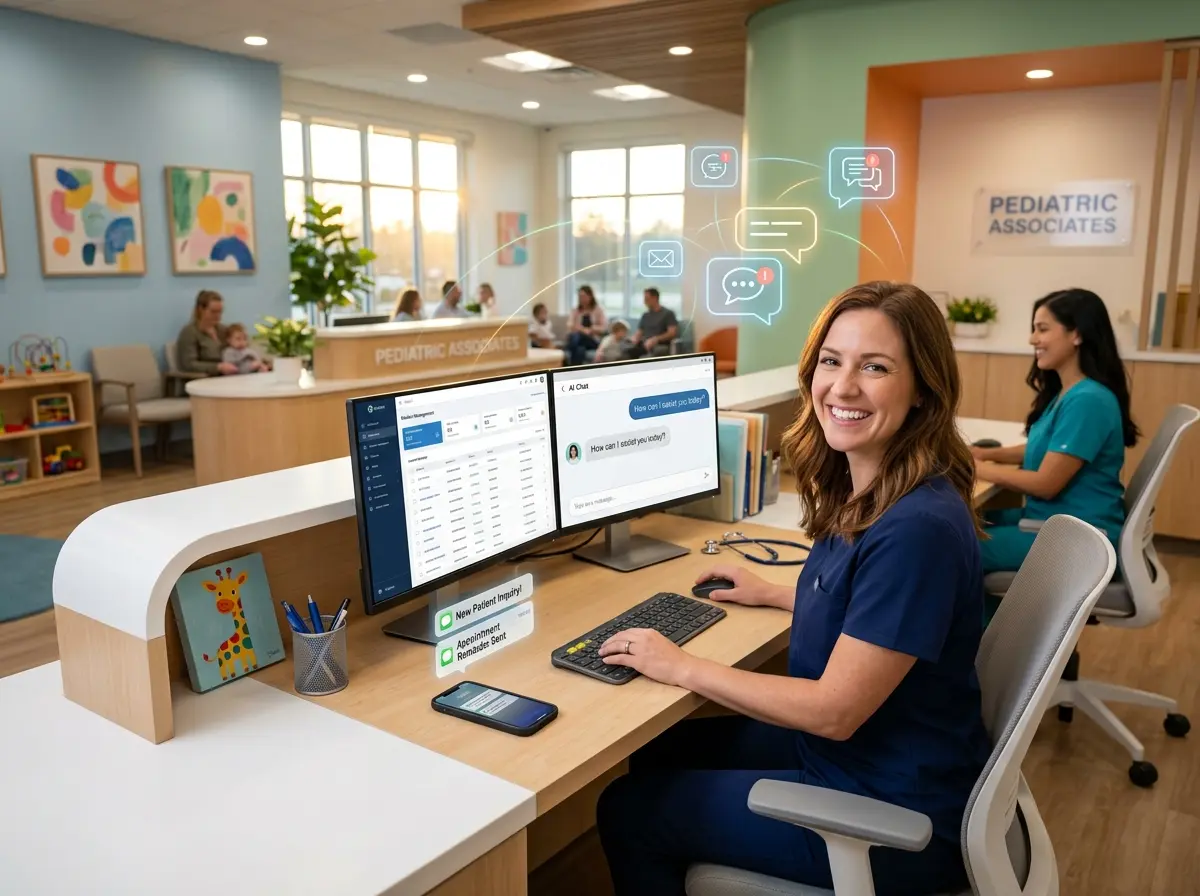
Stella, an AI robot employee and phone receptionist, is designed specifically to bridge this gap. She answers calls 24/7, speaks naturally with callers about your services, packages, hours, and promotions, and can collect intake information through conversational phone flows — no forms required on the caller's end. For spas with a physical location, she also operates as an in-store kiosk, greeting walk-in clients proactively and answering questions while your staff focuses on the actual service. Her built-in CRM automatically logs caller information, generates AI-powered client profiles, and keeps your contact list organized — so no lead falls through the cracks.
Designing a Booking Experience Clients Actually Enjoy
Make Booking Frictionless Across Every Channel
The goal of a great booking experience is simple: a potential client should be able to go from "I want to book" to "I have a confirmed appointment" in as few steps as possible, regardless of how they reach you. That means your online booking should be mobile-friendly and fast. Your phone experience should be responsive and informative. Your follow-up confirmation should arrive quickly and include everything the client needs to know — location, parking, what to bring, what to expect.
Think about the last time you booked something online and it went perfectly smoothly. That feeling — that small but genuine sense of satisfaction — is what you want your clients to associate with booking at your spa. It primes them for the relaxation experience before they've even arrived. Conversely, a frustrating booking process creates ambient stress that your therapists then have to work against.
Confirmation, Reminders, and the Art of the Pre-Appointment Touchpoint
Booking confirmation is not the end of the pre-appointment journey — it's the beginning of it. What happens between the moment of booking and the moment of arrival is a significant opportunity that most spas completely ignore. A well-timed reminder email or text (ideally 48 hours out and again the morning of) does two things: it reduces no-shows, and it gives clients something to look forward to.
You can take this further with a brief pre-appointment message that sets expectations — what to wear, how early to arrive, the option to upgrade their service, or a spotlight on an add-on that pairs naturally with what they've booked. A client who booked a 60-minute Swedish massage might not have known about your CBD enhancement add-on. A gentle, well-placed mention of it — framed as a personalization, not a sales pitch — is good service, not upselling. That distinction matters.
After the First Appointment: Closing the Loop
The first appointment is not the destination — it's the beginning of a relationship. A thoughtful post-appointment touchpoint (a thank-you message, a feedback request, or a curated rebooking offer) tells your client that the care they experienced on the table extends beyond the treatment room. According to research on customer retention, it costs five times more to acquire a new client than to retain an existing one. The math, as always, makes the case for you.
Build a simple post-visit workflow: a thank-you message within 24 hours, a gentle rebooking prompt at the one-week mark, and a loyalty acknowledgment after their third visit. None of this needs to be complicated. It just needs to be consistent — which is precisely what most busy spas fail to achieve when relying solely on staff to remember and execute these steps manually.
Quick Reminder About Stella
Stella is an AI robot employee and phone receptionist built for businesses like yours. She answers calls around the clock, manages client intake, promotes your services, and keeps your CRM organized — all for $99/month with no upfront hardware costs. Whether she's greeting walk-ins at your front kiosk or handling after-hours calls while you sleep, she makes sure no client ever feels ignored.
Conclusion: The Client Journey Is Your Brand
Here's the reframe worth sitting with: your spa's brand is not your logo, your color palette, or even your signature treatment menu. Your brand is how clients feel at every single point of contact — from the first Google search to the thank-you text after their appointment. Every gap in that journey is a gap in your brand. And in an industry built entirely on trust, relaxation, and care, gaps are expensive.
The actionable steps are clear:
- Audit your current client journey from first contact to post-appointment follow-up and identify where friction exists.
- Ensure your online presence is accurate, consistent, and welcoming across all platforms.
- Implement digital intake forms so the in-spa experience starts the moment clients walk in — not after they've finished a paper form.
- Add a 24/7 phone answering solution so no inquiry goes unanswered, regardless of how busy your front desk is.
- Build a simple, automated post-visit touchpoint sequence to drive retention and rebooking.
None of this requires a massive budget or a team of consultants. It requires intention — and a willingness to look honestly at the experience you're delivering before the candles are lit. Do that, and the clients who find you won't just book once. They'll come back, bring friends, and tell anyone who will listen exactly how good your spa makes them feel.
Which, when you think about it, is a much better marketing strategy than hoping someone answers the phone.